REVIEW · BEIRUT
Anjar, Baalbeck and Ksara
Book on Viator →Operated by Lebanon Tours Online By Fadi Eid · Bookable on Viator
Roman ruins and wine in one long day.
I like how this outing strings together Baalbeck and Château Ksara in the same 8–9 hour rhythm, so you go from towering Roman stonework to Lebanon’s wine story without wasting half a day figuring out logistics. The best part is the sense of scale at Baalbeck and how the day gives you a real contrast: formal Roman architecture, a carefully planned city layout, then a modern wine stop built on a 19th-century origin.
Two things I especially like: first, the Baalbeck stop is described as Lebanon’s greatest Roman treasure, with some of the largest and best preserved Roman ruins from Heliopolis. Second, the Ksara visit ties the tasting to a specific origin story—Château Ksara was founded in 1857 by Jesuit priests and later developed the first dry wine in Lebanon.
One drawback to keep in mind is the pacing. With an 8–9 hour window, you’ll be moving through major sights in one day, so you’ll want comfortable shoes and the mindset of seeing a lot rather than lingering forever.
In This Review
- Key highlights you’ll actually feel
- Baalbeck’s Roman temples: the sight that makes the day worth it
- Anjar’s walled city of avenues: what to look for beyond the walls
- Château Ksara and the Jesuit roots of Lebanon’s first dry wine
- The private-tour setup: what $140 buys in real terms
- Getting the day right with Lebanon Tours Online and Fadi Eid
- Timing, comfort, and what to bring for an 8–9 hour route
- Should you book Anjar, Baalbeck and Ksara?
- FAQ
- How long is the Anjar, Baalbeck and Ksara tour?
- What does the tour include in terms of tickets?
- Is pickup offered, and where is the meeting point?
- Is this a private tour?
- What are the tour operating hours?
- Do I get confirmation after booking?
- Is there free cancellation?
- If I cancel within 24 hours, do I get a refund?
Key highlights you’ll actually feel
- Baalbeck’s Roman scale: some of the largest and best preserved ruins tied to Heliopolis
- Anjar’s walled city plan: wide avenues plus mosques, palaces, baths, storehouses, and residences
- Fortification details you can picture: stone walls over 2 meters thick and about 7 meters high
- Ksara’s specific wine origin: founded in 1857 by Jesuit priests, linked to Lebanon’s first dry wine
- Private day with pickup support: only your group, plus a mobile ticket for the day
Baalbeck’s Roman temples: the sight that makes the day worth it
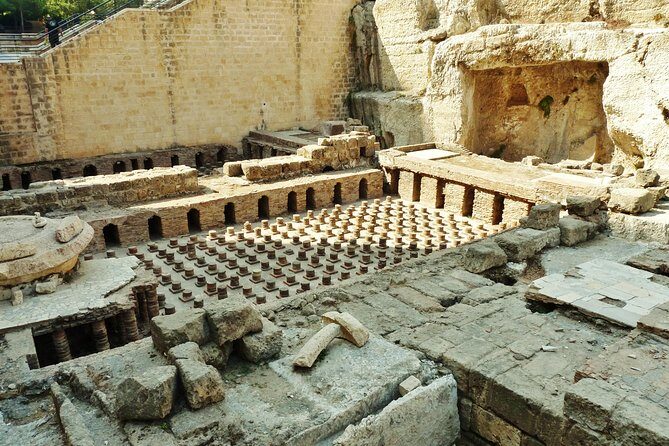
Baalbeck is the anchor stop, and it’s easy to see why. This complex of Roman temples and buildings once formed the Roman city of Heliopolis, and the ruins are described as Lebanon’s greatest Roman treasure. In plain terms: this isn’t a quick wall or a few columns you glance at. It’s a whole, big architectural statement that still holds your attention because so much of it remains readable.
When you arrive, give yourself a few minutes to slow down and look at the shapes first, not just the big “wow” moments. Roman sites feel different when you notice the logic of the layout—how structures relate to one another, how the monumental forms were designed to be seen from a distance, and how the space feels even after centuries. Baalbeck also tends to reward people who like taking mental photos of scale: entrances, plazas, and the mass of stone that shows how much work went into these buildings.
There’s also a practical bonus here. Your plan includes admission ticket free for the Baalbeck stop, so you’re not juggling extra site costs as you go. That helps the day feel simpler and better value.
You can also read our reviews of more tours and experiences in Beirut.


Anjar’s walled city of avenues: what to look for beyond the walls

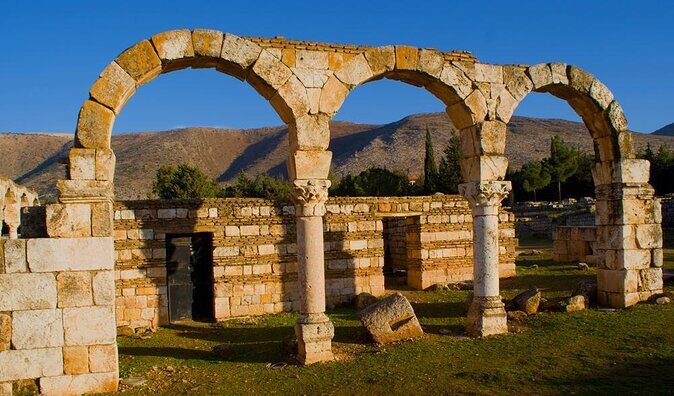
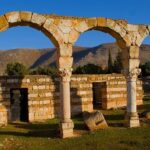
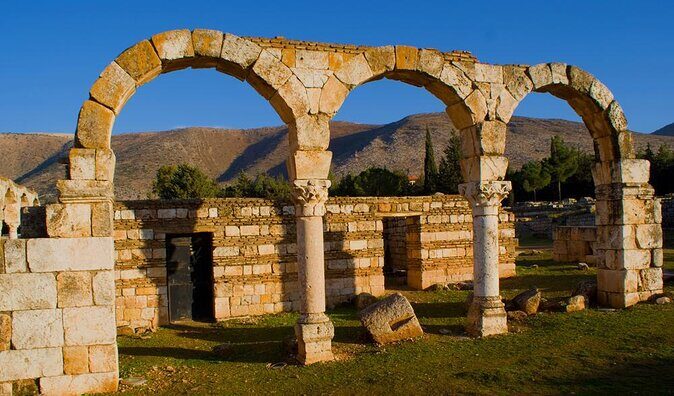
After Baalbeck’s grandeur, Anjar gives you a different kind of satisfaction: it’s not just one monumental ruin, it’s the idea of a whole city. The ruins cover about 114,000 square meters, and you can see the boundaries clearly because the site is surrounded by fortified stone walls. Those walls are over 2 meters thick and roughly 7 meters high—strong enough to change how you interpret the place. This wasn’t an open settlement you could wander into. It was defended, planned, and meant to function as a real urban center.
The city is described as having wide avenues lined with mosques, palaces, baths, storehouses, and residences. That mix matters because it tells you the city wasn’t single-purpose. You’re looking at multiple functions packed into one plan: daily life (residences), governance or elite spaces (palaces), public hygiene or social areas (baths), economic life (storehouses), and religious buildings (mosques). Even if you only get limited time, that list gives you a useful way to “read” what you’re seeing.
Here’s a smart way to enjoy Anjar: stand at points where you can sense the broad street lines, then ask yourself how people would have moved through the city. Wide avenues are never random; they’re how a city directs flow. If you like ancient cities that still feel organized in your mind, Anjar is going to click.
Château Ksara and the Jesuit roots of Lebanon’s first dry wine
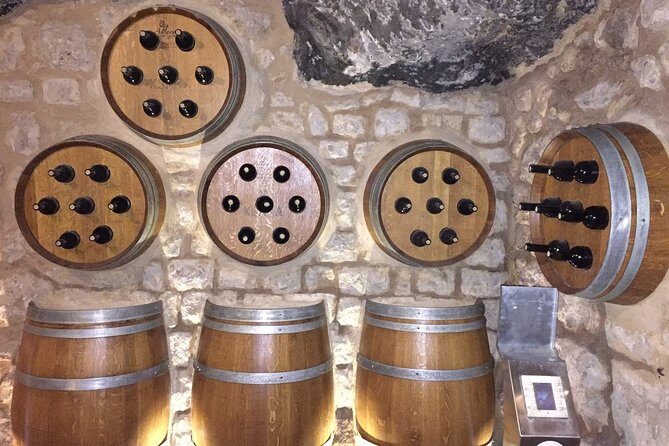
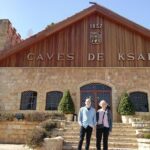
Wine stops can become generic if you don’t have context. Here, the context is built in. Château Ksara is a wine company in Lebanon’s Beqaa Valley, and it has a stated origin story: founded in 1857 by Jesuit priests, and linked to the development of the first dry wine in Lebanon.
That origin detail matters because it changes what the tasting represents. You’re not just sampling flavors—you’re stepping into a 19th-century narrative where European religious and agricultural influence helped shape Lebanon’s modern wine production. If you enjoy wines made with history behind them, this stop is a natural payoff.
You’ll also likely appreciate that Ksara is positioned as a “heritage + tasting” moment. The day is structured to let the Roman sites and ancient city ruins set up the appetite for something more human and everyday: a drink, a producer, and a place tied to a valley that’s known for grape growing.
Also, if you’re the type who likes practical travel rules: pace yourself here. Wine is part of the experience, but your day still has to end back in Beirut, so keep it to what you can comfortably enjoy without turning the ride home into a foggy blur.
The private-tour setup: what $140 buys in real terms
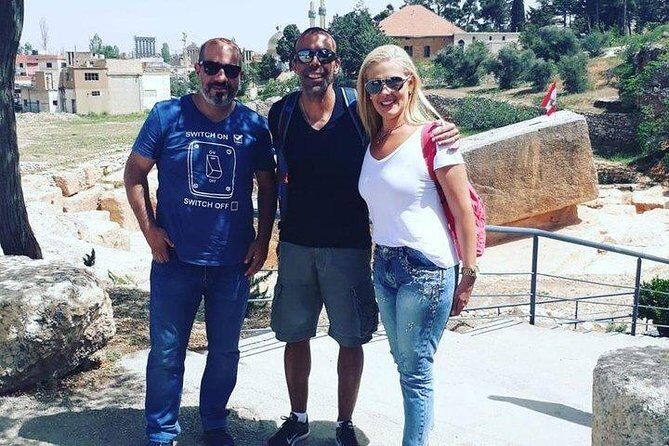
At $140 per person, this day trip isn’t trying to be the cheapest ticket in town. The value is more about how the day runs. You get a private tour/activity, meaning it’s only your group, not a mixed crowd with a speed-optimized itinerary. That usually translates to fewer delays, less waiting, and better attention to timing.
You also get pickup offered and you’ll use a mobile ticket. That’s not glamorous, but it matters on a long day. When you’re leaving Beirut for a full 8–9 hour arc, the smoother the start is, the more energy you have for the stops that matter.
There’s another value point to note: the information for Baalbeck lists admission ticket free for that stop. While it doesn’t say the same for every part of the day, it still helps you mentally budget. Instead of worrying whether one site will add a surprise cost, the Baalbeck segment feels more “included.”
Is the price a steal? Not necessarily. But if you care about getting a curated, efficient day—Roman ruins first, then Anjar’s city plan, then a wine stop that actually connects to a specific founding story—the cost can make sense.
Getting the day right with Lebanon Tours Online and Fadi Eid
What makes this trip feel “professional” on paper is also what shows up in the guide-type pattern behind it: Fadi Eid and Lebanon Tours Online are repeatedly described as punctual, reliable, and easy to work with. People who want their day to run without stress will appreciate that.
From the feedback provided, the recurring strengths look like this:
- Punctual timing: the schedule stays workable instead of drifting.
- Pristine vehicles: the ride feels clean and cared for, which matters when you’re out for most of a day.
- Strong English: the tour experience can be explained clearly, not just recited.
- Adaptability: the itinerary can be adjusted when needed, instead of forcing the day into one rigid mold.
- Driver-and-guide competence: the same person handling both navigation and on-site context tends to reduce coordination headaches.
One more practical takeaway: multiple people describe booking additional tours on short notice. That’s a sign the operator is responsive during planning—not just on the day itself. If you’re building a Beirut base and want flexible add-ons, that kind of responsiveness is worth something.


Timing, comfort, and what to bring for an 8–9 hour route

This tour runs roughly 8 to 9 hours, and it operates within set hours (Monday through Sunday, 8:00 AM to 5:00 PM). I’d treat this as a full-day mission: plan to start early, keep your energy steady, and expect a lot of “seeing” rather than lots of free wandering.
Comfort matters more than usual here. You’ll likely do walking over uneven ancient surfaces, and you’ll switch contexts a few times—Roman ruins, then Anjar’s city remains, then the Ksara wine stop. Bring shoes you trust, and dress for sun and heat (even if you think it will be mild—sometimes the day surprises you).
If you have preferences, it helps to know what they are before pickup. Are you more interested in architecture and city planning, or do you want the wine stop to be the highlight? Either way, this itinerary structure gives you both, but you’ll enjoy it more if you go in with your own priority order.
And one small but smart mindset: when the day moves fast, quality comes from your curiosity. Look for the details that match the stop’s theme:
- Baalbeck: monumental Roman design and scale
- Anjar: how avenues and city functions fit together inside fortified walls
- Ksara: how a 1857 founding story connects to modern wine tasting
Should you book Anjar, Baalbeck and Ksara?
You should book this tour if you want a well-paced day of contrasts: Roman wonders at Baalbeck, a surprisingly readable city plan at Anjar, and a wine tasting with a clear origin story at Château Ksara. It fits best for people who like ancient architecture but also want the day to end with something lively and drinkable.
Skip it (or adjust your expectations) if you hate long days or if you want lots of unstructured time at each site. With an 8–9 hour schedule, you’ll be working with a tighter rhythm. Also, you’ll get the most value if you’re comfortable moving between Beirut and the Beqaa Valley area as part of the plan.
FAQ
How long is the Anjar, Baalbeck and Ksara tour?
The duration is approximately 8 to 9 hours.
What does the tour include in terms of tickets?
A mobile ticket is provided, and the Baalbeck stop lists admission ticket free.
Is pickup offered, and where is the meeting point?
Pickup is offered. The meeting point is Promedz Lebanon S.A.L, Phoenicia Street, Sfeir Building, WF2V+56M, Beirut, Lebanon, and the activity ends back at the meeting point.
Is this a private tour?
Yes. It is a private tour/activity, so only your group participates.
What are the tour operating hours?
The listed hours are 8:00 AM to 5:00 PM, Monday through Sunday.
Do I get confirmation after booking?
Yes. Confirmation is received at the time of booking.
Is there free cancellation?
Yes. Free cancellation is available, and you can cancel up to 24 hours in advance for a full refund.
If I cancel within 24 hours, do I get a refund?
No. If you cancel less than 24 hours before the experience’s start time, the amount paid is not refunded.