REVIEW · BEIRUT
Baalbek, Anjar & Wine: A Journey Through Lebanon’s Heritage
Book on Viator →Operated by Beirut Trip · Bookable on Viator
Roman columns hit harder than you expect.
This Baalbek, Anjar & Wine day trip strings together major archaeological stops and a classic Bekaa Valley tasting, all in one organized run from Beirut. You get hotel pickup and a tour leader, plus a small-group pace (up to 15 people) that makes it easier to ask questions and keep track of timing.
I love the sheer scale of Baalbek, especially the Temple of Jupiter and its massive Roman columns. I also like how the day doesn’t stop at ruins, because the visit to Chateau Ksara brings it back to modern Lebanon with a guided wine tasting in their historic cellars.
One thing to plan for: admission tickets for Baalbek, Anjar, and Ksara are not included, and lunch isn’t included either. So you’ll want cash/card ready for entrances and your meal break, otherwise the day can feel more expensive than the headline price.
In This Review
- Key highlights you’ll feel all day long
- How this day trip works (and why the pacing makes sense)
- Baalbek’s Roman temples: where size becomes the story
- The Stone of the Pregnant Woman: quick stop, big myth
- Anjar’s Umayyad ruins: a Roman-meets-Persian city in the 8th century
- Chateau Ksara wine tasting: the Bekaa Valley finish that makes the day feel complete
- Price and value: what $55 really covers
- Logistics that affect your comfort (more than you think)
- Best for who? (and who might want a different plan)
- What makes the experience feel special in real life
- Should you book Baalbek, Anjar & Wine?
- FAQ
- How long is the Baalbek, Anjar & Wine tour?
- What time does the tour start?
- What’s the meeting point?
- Is hotel pickup and drop-off included?
- Does the price include admission tickets?
- Is lunch included?
- Is there a tour leader?
- How big is the group?
- Is mobile ticketing included?
- What is the cancellation policy?
Key highlights you’ll feel all day long
- Baalbek’s Temple of Jupiter scale: the largest Roman columns ever built, plus UNESCO-level grandeur
- Anjar’s Umayyad city layout: a rare mix of Roman and Persian architectural influence
- Stone of the Pregnant Woman: a 1,000-ton megalith tied to a local fertility legend
- Ksara wine tasting in a 150-year cellar story: guided tastings from their team
- Small group size: maximum 15 people, which helps with flow and questions
- Air-conditioned transport: a real comfort win for a long day from Beirut
How this day trip works (and why the pacing makes sense)
This is an 8-hour loop built around three different “modes”: ancient monument time, quick legend stops, then a winery finish. The morning start is 8:30am, and you’ll have air-conditioned vehicle transport with hotel pickup and drop-off.
That order matters. Baalbek is the big visual hit, so I’d rather do it while you still have energy. Then Anjar gives you a different kind of brain-teaser, because you’re looking at an Umayyad city plan rather than single towering temples.
You can also read our reviews of more historical tours in Beirut
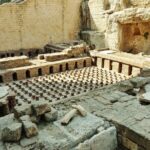

Baalbek’s Roman temples: where size becomes the story
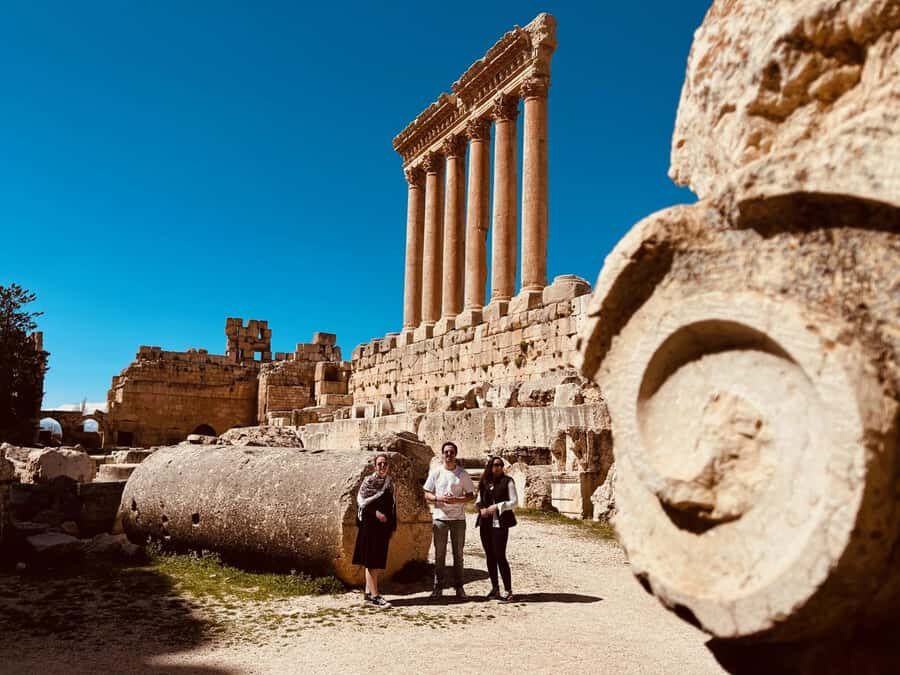
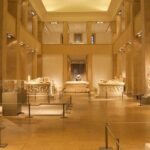
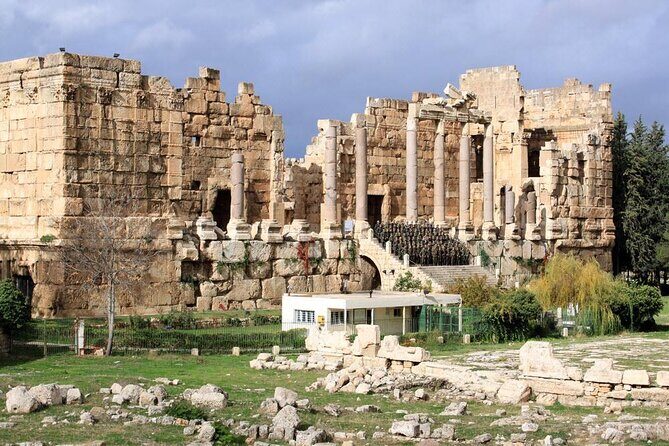
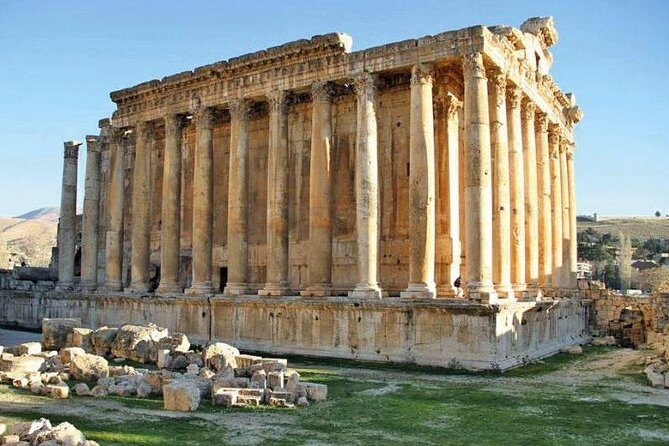
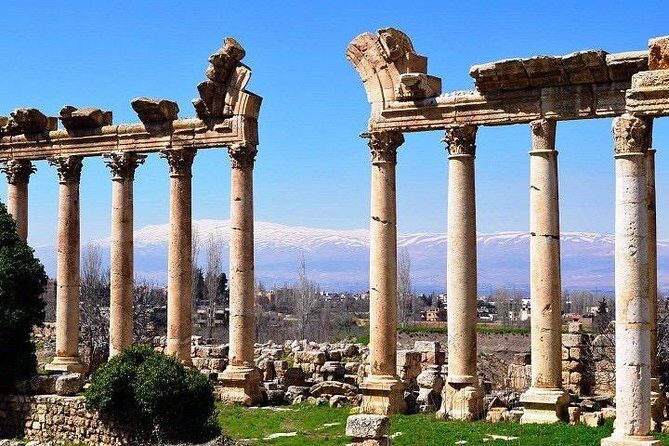
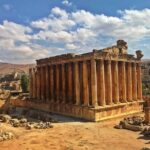
Baalbek is a UNESCO World Heritage site, and it shows you why the Romans knew how to build for impact. The temples date back to the 1st century AD and were dedicated to Jupiter, Bacchus, and Venus. When you’re standing in the Temple of Jupiter area, the key detail is the scale: it has the largest Roman columns ever built.
This is the stop where your camera will get a workout, but also where your guide explanation matters. Big stone can feel like just “big stone” if nobody connects the dots. Here, the focus is on Roman architecture and religious devotion—how the site was designed for worship, not just sightseeing.
Time on this first stop is about 1 hour 30 minutes, and that’s a sensible chunk. You have enough time to walk the main areas, pause for photos, and still listen without rushing. If you’re sensitive to heat or sun, treat this as the priority for water and sun protection, since it’s outdoors for long stretches.
The Stone of the Pregnant Woman: quick stop, big myth
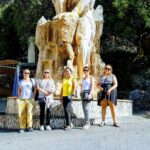
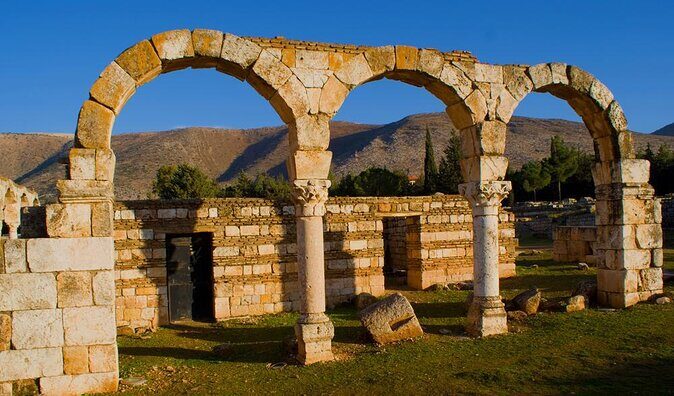
Right after Baalbek, you’ll make a short 15-minute stop at the Stone of the Pregnant Woman (also known as Hajar al-Hibla). It’s a megalith—an ancient monolith—estimated to weigh around 1,000 tons and dating to over 2,000 years ago.
The practical value of this stop is simple: it’s a break from the heavy temple visuals, and it gives you a story you’ll actually remember. The name comes from a local legend that women who touch the stone will increase their chances of fertility. Whether you treat the story as myth or folklore, it helps you understand how people have related to this place across generations.
The stone is also part of UNESCO World Heritage context here, so it’s not just a roadside oddity. It’s ancient, massive, and surrounded by meaning.
Anjar’s Umayyad ruins: a Roman-meets-Persian city in the 8th century
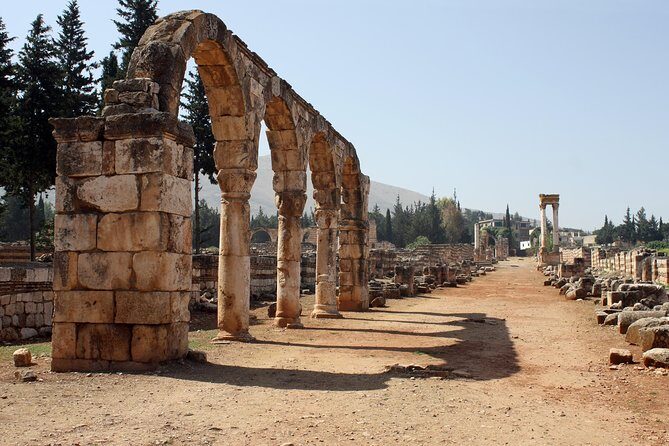
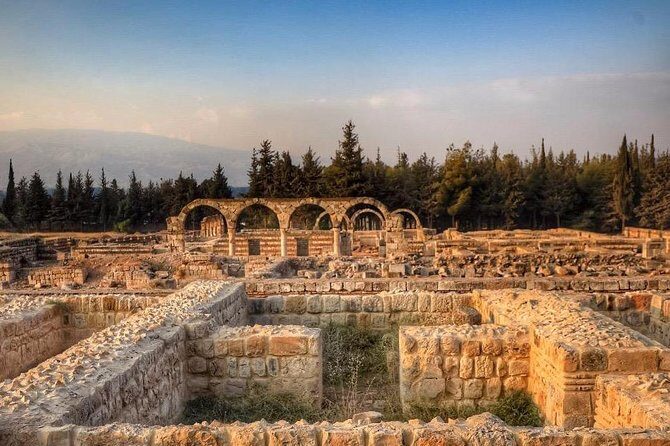
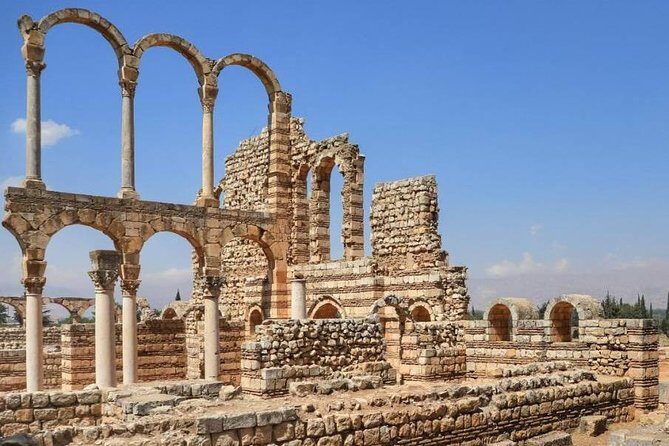
Anjar is where the day gets more “archaeology mode.” You’ll spend about 45 minutes at the Umayyad ruins of Aanjar, an archaeological site tied to the 8th century. It was constructed by Umayyad Caliph Walid I, and it’s known for a blend of Roman and Persian architectural styles.
What I like about Anjar is that you’re not only looking at ruins—you’re getting a sense of how a planned city worked. The remains include areas tied to major structures such as the Great Palace, plus bathhouses and mosques. That mix of civic and religious spaces gives you a clearer picture than a single temple would.
One consideration: this stop can feel a bit more spread out and interpretive than Baalbek. You may need to rely on your tour leader’s explanations to connect the physical remains to the story of the city. If you’re the type who enjoys short, guided history lessons, you’ll get more from the time here.
Chateau Ksara wine tasting: the Bekaa Valley finish that makes the day feel complete
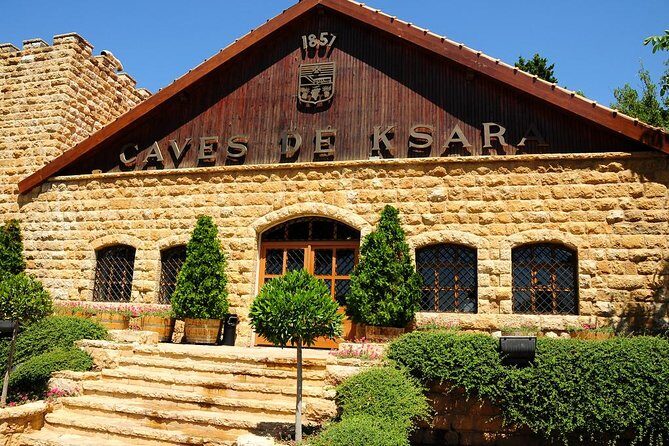
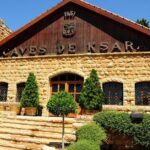
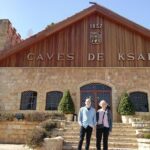
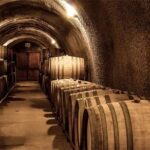
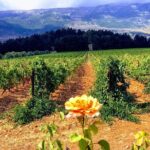
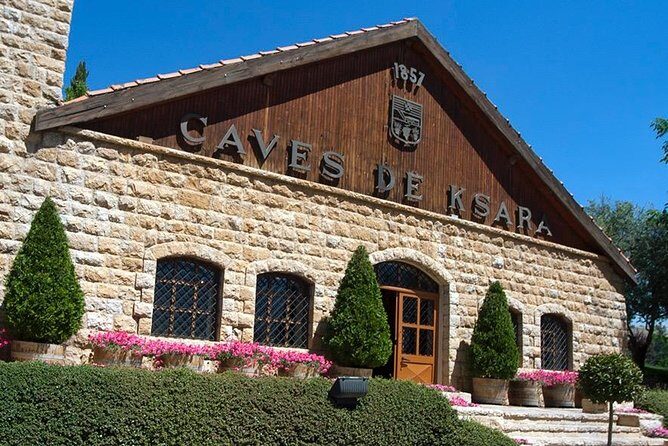
After ancient stones, you’ll end with something more pleasant: a visit to Chateau Ksara in Lebanon’s Bekaa Valley. Chateau Ksara has a 150-year legacy, and the tasting is guided—your group is guided by their sommeliers through the flavors and the winemaking story.
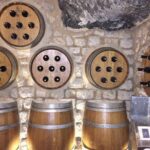
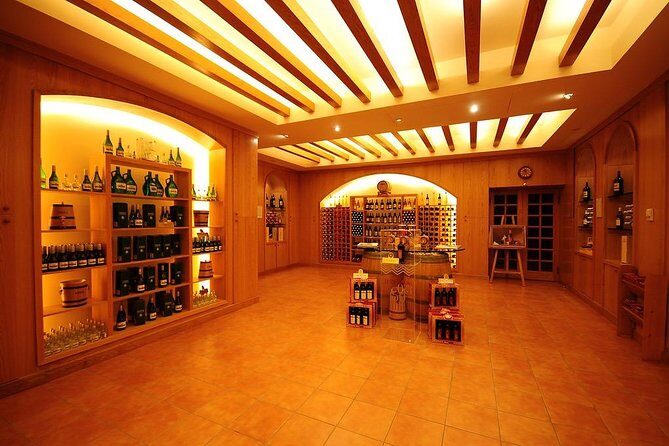
This isn’t described as a fast pour-and-go. The experience includes the art of winemaking and a visit through their historic cellars, which matters because it turns wine from a drink into a cultural product. You’ll be tasting reds and crisp whites, with an emphasis on award-winning options that reflect both tradition and adaptation.
For me, this stop is the payoff: it’s where you can shift from reading stone and legend to tasting a living part of Lebanese heritage. And it gives you a chance to ask practical questions about what you’re tasting—something a ruins stop just can’t do.
One thing to watch: admission for Ksara is not included in the tour price you pay for the vehicle and guide, so plan for that extra cost. Also, since lunch isn’t included, you may want to eat earlier or keep the timing of your meal break in mind so the tasting doesn’t feel like the first food of your day.
You can also read our reviews of more wine tours in Beirut

Price and value: what $55 really covers
The listed price is $55 per person, and that matters because what you’re buying is not just entry to sites. You’re paying for the air-conditioned vehicle, hotel pickup and drop-off, and a dedicated tour leader—plus the convenience of a mobile ticket and group discount structure.
Then there’s the separate cost layer: admission tickets are not included for Baalbek, Anjar, and Ksara. The Stone of the Pregnant Woman is free, but you still should expect to cover most of the entrances yourself. If you’re budget-minded, this is the one detail that can change your total cost.
Still, the value is real if you like “one guided day” over spending half your vacation coordinating rides. Having transport arranged matters a lot in Lebanon, and the small group size (up to 15) keeps the experience from turning into a bus-stampede.
Logistics that affect your comfort (more than you think)
This is a full-day plan, so comfort isn’t a bonus. It’s the whole game.
- Morning start at 8:30am means you’ll likely want an earlier breakfast near your hotel.
- You’re on the clock for about 8 hours, so bring a light mindset: enjoy the stops, don’t try to do extra sightseeing on your own.
- Expect indoor/outdoor mix. Temples and ruins mean sun exposure, while the cellar and tasting part will be cooler and calmer.
- You’ll need to carry your wallet for entrance costs since lunch and most admissions aren’t included.
The good news is that the transport is air-conditioned, which makes the journey from Beirut far less tiring than it could be.
Best for who? (and who might want a different plan)
I think this tour suits you if you want a balanced day: you enjoy seeing major ancient sites but also want an ending that feels human and enjoyable. If you like history with conversation—Roman architecture, Umayyad city design, and a legend-driven cultural stop—this fits well.
You’ll also like it if you prefer structure. The whole day is organized with pickup, a guide, set stop times, and a tight flow so you can focus on what matters: the monuments and the tasting.
If you hate structured schedules or you’re the type who wants long unbroken time at one place, note the stops are timed. Baalbek gets the longest block, but the other two archaeology moments are shorter by design.
What makes the experience feel special in real life
The strongest theme here is the combination of big monuments plus excellent guidance. The experience is rated highly, with praise for the service and the guide-led tour style. That matters, because Baalbek and Anjar are not just “look and snap.” They’re places where context turns impressive stone into something you actually understand.
The winery piece also lands well because it’s not just a random add-on. Chateau Ksara is built around a guided tasting and cellars tied to a long legacy, so it feels connected to the day instead of tacked on at the end.
Should you book Baalbek, Anjar & Wine?
Yes, if you want a well-run heritage + tasting day with transport taken care of and a small group. The value is strongest when you factor in the pickup/drop-off, the tour leader, and the fact that you’re hitting major sites in one go.
Skip it (or pair it with extra time elsewhere) if you’re trying to keep total spending low, because admissions and lunch aren’t included. Also, if you’re not into guided history or you need long stays at individual ruins, the timed flow may feel a bit tight.
If your goal is a memorable Lebanon day—Roman scale, Umayyad city planning, and wine in the Bekaa—this is a very solid choice.
FAQ
How long is the Baalbek, Anjar & Wine tour?
It runs about 8 hours.
What time does the tour start?
The start time is 8:30am.
What’s the meeting point?
The only detail provided is the start time of 8:30am, with pickup offered from your hotel area.
Is hotel pickup and drop-off included?
Yes. Hotel pickup and drop-off are included.
Does the price include admission tickets?
No. Admission tickets are not included for Baalbek, Anjar, and Chateau Ksara. The Stone of the Pregnant Woman is free.
Is lunch included?
No. Lunch is not included.
Is there a tour leader?
Yes, a tour leader is included.
How big is the group?
The maximum group size is 15 travelers.
Is mobile ticketing included?
Yes, the tour includes a mobile ticket.
What is the cancellation policy?
This experience is non-refundable and cannot be changed for any reason.