REVIEW · BEIRUT
Anjar, Baalbek & Ksara Day Trip – With Lunch (4G on Board)
Book on Viator →Operated by Nakhal & Cie · Bookable on Viator
Roman temples and wine caves in one day. This full-day outing from Beirut strings together three Lebanon highlights: Baalbek’s Roman temples, Anjar’s Umayyad ruins, and the cool comfort of the Chateau Ksara cave cellars, with a guided story along the way.
I like how efficiently it’s put together. You get an air-conditioned coach, bottled water, and WiFi on board, and then an expert guide keeps the stops moving with clear explanations. I also really like the built-in meals and logistics: lunch with Lebanese meze is included, and entrance fees are covered so you’re not hunting for tickets all day.
One thing to consider is the day can feel long. It runs about 9 hours, and if a departure ends up with a larger group, the schedule can get a bit stretched, including delays around lunch.
In This Review
- Key things that make this day trip worth your time
- Beirut to the Bekaa Valley: early start, comfy ride, clear plan
- Baalbek’s Roman temples: the scale is the whole point
- Anjar’s Umayyad ruins: a palace-city with mixed design cues
- Lunch in the Bekaa: included meze set, plus timing reality
- Ksara Caves and Chateau Ksara: cool cellars, real wine storage
- Price and value: what your $95 actually covers
- Group size and timing: how to keep the day comfortable
- Who should book this trip (and who should skip it)
- Should you book the Anjar, Baalbek & Ksara day trip with lunch?
- FAQ
- How long is the day trip?
- What time does the tour start?
- Where is the meeting point?
- Is hotel pickup included?
- What languages is the guide?
- What is included for lunch?
- Is wine tasting included at Ksara?
- Are entrance fees included?
- Is WiFi and bottled water provided?
- What is the cancellation and weather policy?
Key things that make this day trip worth your time
- Baalbek’s Temple of Jupiter scale: a massive podium and the Temple of Bacchus, including the sense of size that maps well to the mind
- Anjar’s Umayyad city layout: gates, arcades, and palace-city remains with Hellenistic and Roman design hints
- Ksara Caves discovered in 1898: you tour the cave cellars where wine has been stored, with a break from the sun
- Chateau Ksara winery visit plus tasting: the stop isn’t just a photo break, it’s a guided look at production and storage
- Lunch is part of the price: Lebanese mezze set menu plus fruit or dessert and a soft drink
- Coach comfort with WiFi: practical for a full day of driving between the coast and the Bekaa Valley
Beirut to the Bekaa Valley: early start, comfy ride, clear plan
You start at 8:30am with a trip that takes you out of Beirut and across Lebanon’s countryside. If your hotel is in Beirut city, pickup and drop-off are included, and the tour notes that pickup doesn’t cover hostels, Airbnb, or private apartments. If you’re staying outside the pickup zone, you’ll likely meet at the operator’s start point at Nakhal Tourism and Travel in Beirut.
The ride is in an air-conditioned coach, and the day comes with bottled water plus WiFi on board. That matters more than you’d think when you’re doing a full circle of history stops: you’ll spend real time in transit, and having basics handled lets you focus on the sights.
Also pay attention to the guide-led flow. In a few guide-led stories, names like Natasha, Lucy, Fadi, and Waleed show up as tour leaders people remember for staying on top of questions and keeping the day organized. You can expect the guide to connect what you’re seeing to what came before.
A few more Beirut tours and experiences worth a look

Baalbek’s Roman temples: the scale is the whole point
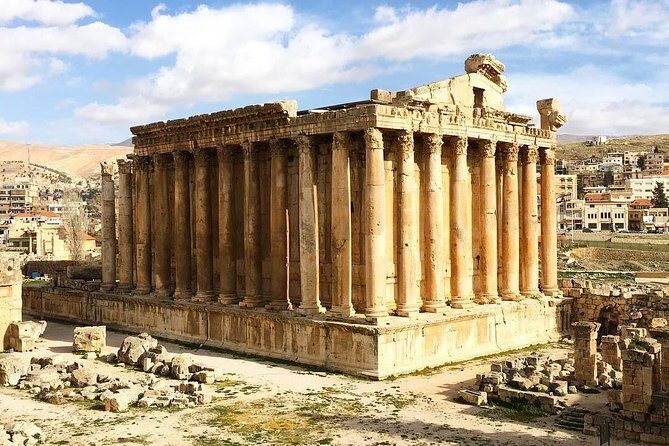
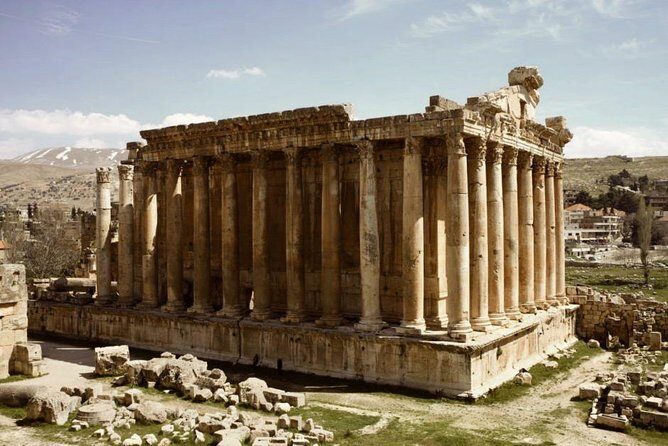
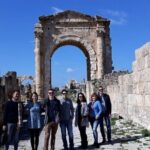
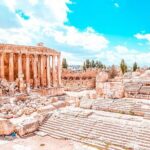
Baalbek is the headline stop, and the booking time reflects it, with about 2 hours at the site. You’ll see the Temple of Bacchus and the Temple of Jupiter, and your guide will point out what made Heliopolis such a major Roman center.
What I find most impressive is the way Baalbek forces your brain to understand scale. The Temple of Jupiter sits on a huge podium around a rectangular courtyard used for ceremonies, and the remains are big enough that you feel dwarfed without needing extra imagination. You’ll also hear about the mystery of the gigantic stones used as foundations for earlier temples here. Scholars have been stuck on how those blocks were transported and positioned, which makes the site more than just a set of ruins.
Practical tip: dress for sun and heat even if the day is cooler at the start. Baalbek involves walking on uneven ground, and the time outdoors can stack up. Bring a hat and keep water handy, even though bottled water is provided.
Anjar’s Umayyad ruins: a palace-city with mixed design cues
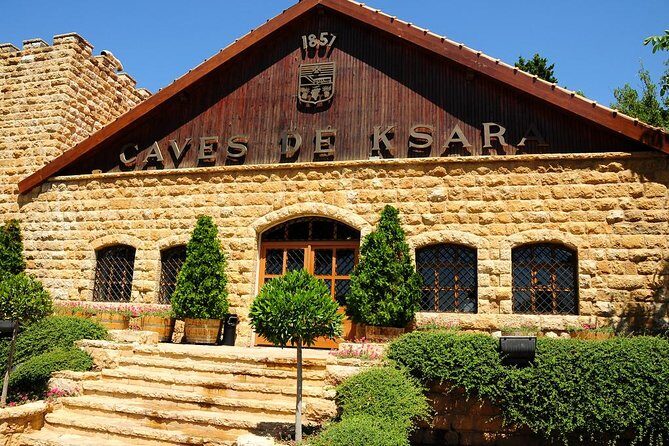
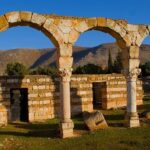
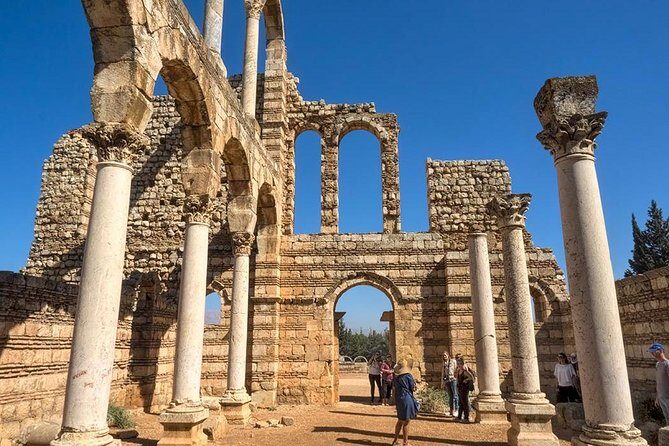
Next comes Anjar, with about 1 hour on the ground. This stop works well as a reset after Baalbek, because Anjar feels different in style and mood. You’ll start by stretching your legs around the town’s souks, then move into the showpiece: the Umayyad ruins, often described as an 8th-century palace-city.
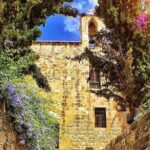
The complex is filled with remnants of temples, arcades, and gates. What makes it interesting is how many design cues show Hellenistic and Roman influence even though the site itself belongs to the Umayyad era. Translation: you’re not just seeing one straight-line timeline. You’re seeing how different empires reused, reshaped, and repurposed architectural ideas.
This is a good stop if you want variety without extra strain. There are stairs and uneven areas you should watch, but it’s not presented as a long hike. Comfortable shoes still matter, but you can keep the pace steady.
Lunch in the Bekaa: included meze set, plus timing reality
Lunch is built into the day and served as a set menu: Lebanese mezze, a main dish, fruits or dessert, and one soft drink. Entrance fees and tour costs are also wrapped into the price, so lunch is one less variable to manage.
One useful detail from real-world experiences: some guests reported generous portions and that meat showed up in the meal. At least one group also said vegan diners were catered for. That doesn’t mean every day is identical, but if you have a specific dietary need, it’s worth flagging it when you book.
Now the practical part. In ideal conditions, lunch comes right after the Baalbek visit and before you head to Anjar and Ksara. But if a departure has extra delays due to traffic or a larger group rhythm, lunch can get pushed back later than you’d like. So if you’re someone who eats early, bring a snack for peace of mind, even though lunch is included.
Ksara Caves and Chateau Ksara: cool cellars, real wine storage
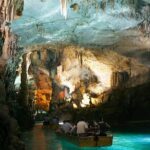
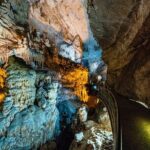
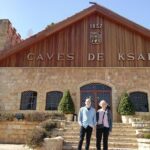
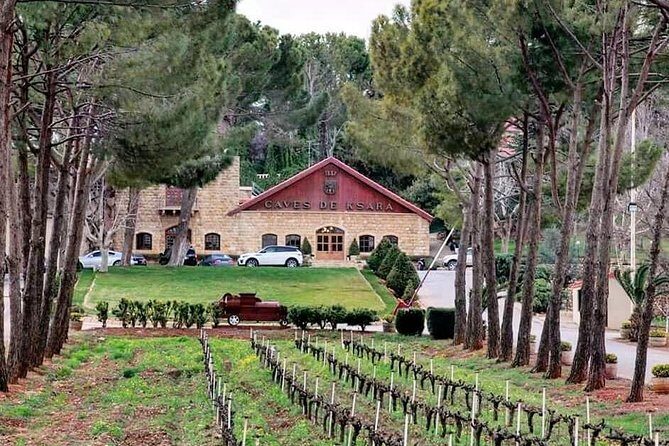
After Anjar, you head into the Bekaa Valley to Ksara, where the big win is the cave cellar experience. The Ksara Caves were discovered in 1898, and today they’re used by Chateau Ksara, described as Lebanon’s oldest wine estate.
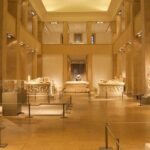
This stop has about 1 hour for the winery and cave visit, including wine tasting. You’ll tour the winery and the cave cellars where thousands of bottles are stored. The guide also explains the winemaking process at a level that’s meant for visitors, not just workers.
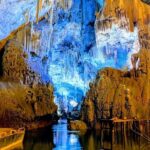
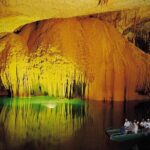
What you’ll likely appreciate: the caves give you a natural temperature break. After sun-heavy ruins stops, stepping into the cave environment feels like changing gears. A light layer is smart because caves can feel cooler than the outside air, even if the day is warm.
Also, don’t treat the tasting like a side quest. It’s part of the visit, so go in with an open mind. This is less about learning technical tasting notes and more about understanding how place and storage shape wine over time.
A few more Beirut tours and experiences worth a look
Price and value: what your $95 actually covers
At $95 per person, this day trip can be a good value because it packages the things that usually cost extra when you plan on your own.
Here’s what’s included in the price:
- An air-conditioned coach and the day’s transport
- A professional licensed English and French speaking guide for all day touring
- Lunch (Lebanese mezze set menu with soft drink)
- Entrance fees to the Baalbek, Anjar, and Ksara sites
- Bottled water, plus WiFi on board
- Pickup and drop-off within Beirut city hotels (with the noted limits)
If you tried to replicate this alone, you’d quickly pay for entrance tickets, a guide, and the time-consuming logistics of getting between the coast, Baalbek, Anjar, and Ksara. You’d also deal with finding reliable transportation without losing hours. This tour’s big selling point is not just the sights, it’s the smooth handoff between them, with the guide doing the interpretation work.
Is it the cheapest way? Probably not. But it’s the convenient way, and for a first-time visitor, convenience is often the difference between seeing the highlights or missing them.
Group size and timing: how to keep the day comfortable
The tour is listed with a maximum size of 25 travelers, which is a sweet spot for bus travel. Smaller groups tend to leave more smoothly and keep transitions fast.
That said, some real departures have run with larger numbers like 30–35 people, and that’s when you can feel the difference. When groups are big, loading and unloading take longer, and delays can ripple through the schedule. One guest described getting stuck in traffic and ending up eating lunch much later, around 4pm.
So how do you protect your day?
- Arrive on time for pickup or the meeting point.
- Wear comfortable shoes, because ruins days are still walking days.
- Keep a small snack and a bit of patience for traffic.
- If you’re sensitive to timing, plan your evening back in Beirut to be flexible.
Who should book this trip (and who should skip it)
This works best if you want a one-day taste of Lebanon that’s more than one museum room. If you’re drawn to Roman architecture, Umayyad-era palace-city remains, or you’re curious about why wine caves matter, you’ll probably enjoy the mix.
It also suits you if you like guided context. The value here is that the guide explains what you’re seeing and why it’s significant. Some people remember specific guide styles, like Natasha’s engaging approach, Lucy’s friendliness, and Fadi’s ability to answer questions about Lebanon.
The trip asks for moderate physical fitness. That means you don’t need to be an athlete, but you should expect uneven ground, sun exposure, and standing/walking between short stops.
If you hate long coach days, this might feel like a lot. It’s about 9 hours total, and you’ll spend a chunk of that on the road. But if you accept that it’s a full-day circuit, it’s a solid use of your time.
Should you book the Anjar, Baalbek & Ksara day trip with lunch?
I’d book it if you want three major Lebanon highlights in one organized day, with lunch and entrance fees handled. The combination is smart: Baalbek gives you jaw-dropping Roman scale, Anjar adds a different empire and design flavor, and Ksara gives you a cool, hands-on look at how wine is stored and produced, plus tasting.
Skip it only if you’re very timing-sensitive or you know you’ll be unhappy in bigger-group conditions. Even then, it can still be worth it because most of the experience depends on the sights themselves, and those are the kind you don’t want to miss.
If you’re visiting Beirut for a short stay and want maximum payoff per hour, this is one of the easiest ways to make that happen.
FAQ
How long is the day trip?
It runs about 9 hours.
What time does the tour start?
The start time is 8:30am.
Where is the meeting point?
The start meeting point is Nakhal Tourism and Travel in Beirut, Lebanon, and the trip ends back at the meeting point.
Is hotel pickup included?
Pickup and drop-off are included only if you are staying in hotels within Beirut city. Hostels, Airbnb, and private apartments are not listed as covered for pickup.
What languages is the guide?
The guide provides all-day touring in English and French.
What is included for lunch?
Lunch is a set menu with Lebanese mezze, a main dish, fruits or dessert, and one soft drink.
Is wine tasting included at Ksara?
Yes. The Chateau Ksara stop includes a winery visit with wine tasting.
Are entrance fees included?
Yes. Entrance fees to all mentioned sites are included.
Is WiFi and bottled water provided?
Yes. WiFi on board and bottled water are included.
What is the cancellation and weather policy?
The experience is non-refundable and cannot be changed. It requires good weather, and if canceled due to poor weather you are offered a different date or a full refund. If the minimum number of travelers isn’t met, you’ll be offered a different date/experience or a full refund.