REVIEW · BEIRUT
Small-Group Tour with Lunch to Jeita Grotto, Byblos and Harissa
Book on Viator →Operated by Beirut Airport Transfer · Bookable on Viator
Jeita Grotto feels like a work of art in stone. This full-day small-group outing strings together Jeita Grotto, Harissa’s big bronze Virgin Mary viewpoint, and Lebanon’s ancient port town of Byblos with a smooth A/C ride and included meals and admissions. I love the scale of the caves, especially how the upper and lower galleries each feel different. One thing to keep in mind: the Telepherique gondola in Harissa isn’t included, so factor in that extra ticket if you want the ride.
My second favorite part is the pacing with a true small group, capped at 15 people. You get hotel pickup/drop-off, an English-speaking driver, and guided stops that actually help you connect the dots between nature, Christian pilgrimage, and Phoenician-era heritage. I also like that you get time to browse the Byblos souk and not just sprint from one photo stop to the next.
In This Review
- Key points at a glance
- Small-Group Comfort From Beirut: Pickup, A/C, and a Real Limit
- Jeita Grotto: Upper and Lower Galleries in 1.5 Hours
- What to expect timing-wise
- Harissa’s Shrine View: The 15-Ton Bronze Virgin Mary Over Beirut
- Churches of Harissa: More than one stop, still short and focused
- Telepherique Harissa: Gondola Views Without the Included Ticket
- Is it worth paying extra?
- Byblos: Phoenician-Era Streets and the Souk Time You’ll Actually Use
- Old souk time: antiques and small local finds
- Byblos Castle: A Restored Crusader Fortress With Sea-Facing Views
- What can feel short here
- Lunch in Lebanon: A Real Included Meal, Not Just a Break
- Price and Value: Does $60 Add Up for a Full-Day Mix?
- Logistics When Roads Get Messy: How the Day Stays on Track
- Who This Tour Fits Best
- Should You Book This Beirut Day Trip?
- FAQ
- How long is the tour?
- What time does it start?
- Is hotel pickup and drop-off included?
- How big is the group?
- What admissions are included?
- Is lunch included?
- Is cancellation refundable?
Key points at a glance
- Jeita Grotto in two layers: upper and lower cave routes with a total of stunning formations and an underwater river section
- Harissa’s big skyline moment: the 15-ton bronze statue of Our Lady of Lebanon faces Beirut and the Bay of Jounieh
- Byblos Castle admission included: a restored 12th-century Crusader fortress with views over the archaeological ruins
- Lunch is included: an authentic Lebanese meal served during the day, so you’re not chasing food between stops
- Comfort built in: A/C vehicle plus hotel pickup/drop-off, keeping the day easy to manage
Small-Group Comfort From Beirut: Pickup, A/C, and a Real Limit
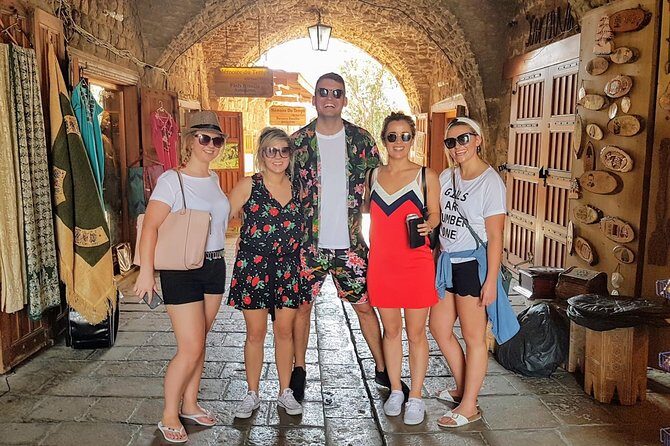
This is set up as an all-day, multi-stop tour that starts at 8:30 am from Beirut. The biggest practical win is that you don’t have to coordinate transport between three major sites scattered north and back, because hotel pickup and drop-off are included. The vehicle is air-conditioned, and you’ll be with an English-speaking driver plus a tour leader.
And yes, the group size matters. The max is 15 people, which usually means you spend less time waiting and more time actually looking. It also makes it easier to ask questions when a guide is explaining what you’re seeing—especially at a place like Jeita, where the cave layout can feel confusing if you’re on your own.
One more practical note: you’ll get a mobile ticket, which is handy for entry days when paper tickets can get misplaced.
A few more Beirut tours and experiences worth a look


Jeita Grotto: Upper and Lower Galleries in 1.5 Hours
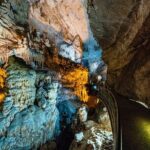
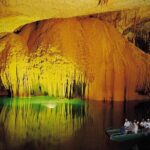
Jeita Grotto is Lebanon’s signature cave experience, and the tour gives you 1 hour 30 minutes inside. What makes it special is that it isn’t just one cave tunnel—you’re moving through a system of two interconnected karst limestone caves. They’re both part of the same story, but they feel like two different worlds.
Here are the big facts that help you picture it:
- It sits about 300 meters above sea level
- There’s a 305-meter height difference between the upper and lower sections
- The upper cave stretches 2,130 meters and is known for crystallized formations like stalactites, stalagmites, columns, and “curtains” and “draperies”
- The lower gallery runs 6,200 meters, about 60 meters below the upper level, and includes a smooth underwater river and a lake
That upper section is where you’ll see the cave “design” up close: columns that look like stone plants, formations that seem to hang like lace, and waterside pockets. Then the lower gallery shifts your perspective. The underwater river portion is the part many people remember because it adds motion and sound to an otherwise silent space.
What to expect timing-wise
You only have 90 minutes, which is enough to get a solid walk, take photos, and not feel like you’re on a marathon. The tradeoff is that you won’t have time for a slow, lingering wander through every corner. So if you’re the type who reads every sign and wants long quiet stops, you might feel a bit rushed.
Also, caves often run cooler than the street, so bring a light layer if you get chilly easily.
Harissa’s Shrine View: The 15-Ton Bronze Virgin Mary Over Beirut
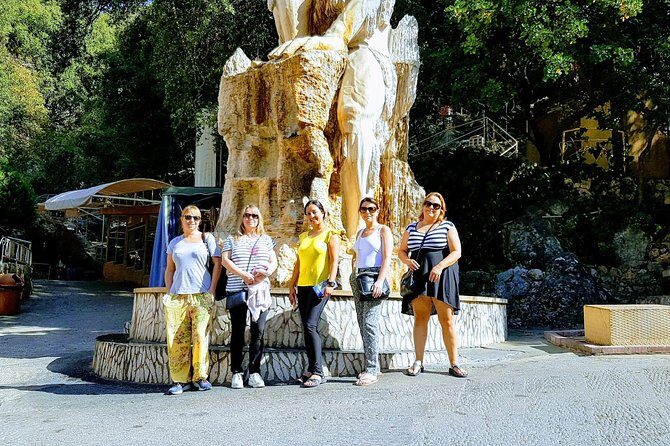
After Jeita, the day turns from stone formations to pilgrimage and views. Your first Harissa stop is the Shrine of Our Lady of Lebanon, and the time slot is 30 minutes with admission free.
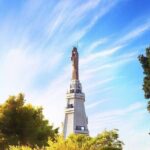
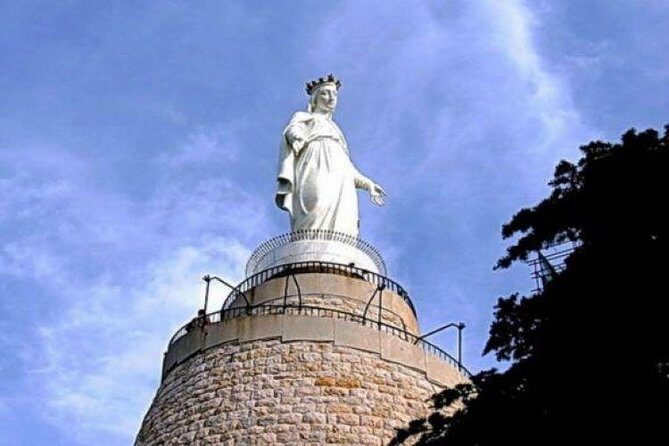
The star here is the statue: a huge 15-ton bronze figure representing the Immaculate Conception, Mother of God. It’s 8.5 meters high with a five-meter diameter, and Mary extends her hands toward Beirut. That “toward the city” design makes the viewpoint feel intentional, not just scenic.
What I like about this stop is that it’s not only religious. It’s also an observatory—Harissa is positioned so you can see the Bay of Jounieh and the surrounding city from above. That mix of meaning and scenery is what makes Harissa work as a mid-day break from the cave intensity.
Churches of Harissa: More than one stop, still short and focused
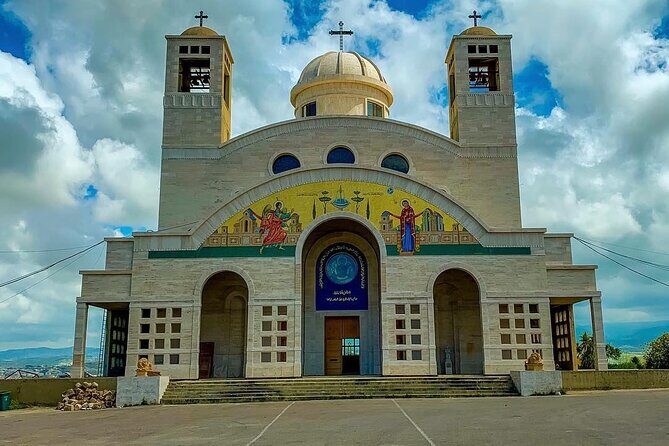
Right after, you’ll also see the churches of Harissa area. This portion is 15 minutes and admissions are free. You’ll get a chance to see a large bronze white Virgin Mary statue (also known as Our Lady of Lebanon) and an adjacent cathedral built of concrete and glass. There’s also a small chapel inside the statue’s base, which adds a quiet detail if you pause long enough to notice it.
The area also has nearby churches of different Christian denominations, which is one reason Harissa feels like a cluster of worship spaces rather than one isolated monument.



Telepherique Harissa: Gondola Views Without the Included Ticket
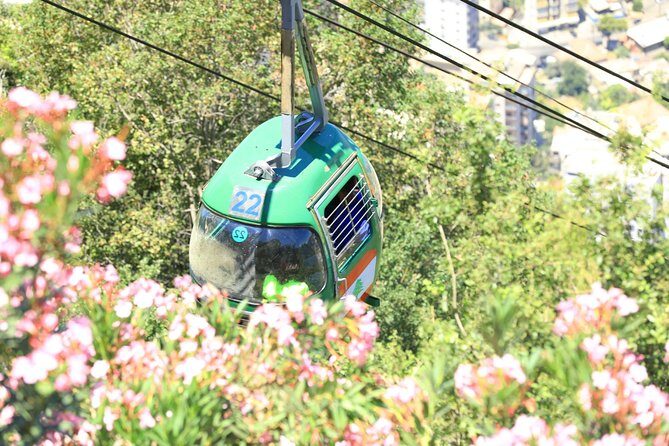
Harissa has another famous option: the Telepherique gondola system. Your scheduled time is 20 minutes, but the key detail is that admission isn’t included.
This gondola ride goes above a pine-forested steep mountain to an altitude of 650 meters, arriving at the shrine area. The whole idea is the view—passengers float above the slope and get a different angle on the bay and the city.
Is it worth paying extra?
If you like aerial views and want a different perspective on the coast, it’s a good match for this day. If you’re trying to keep the budget tight, you can still enjoy Harissa from the shrine side without buying the ride. Just know the tour is structured so you’ll have the option, but not the cost covered.
Byblos: Phoenician-Era Streets and the Souk Time You’ll Actually Use
Then the day drops into old-town energy. You’ll reach Byblos, where the tour gives you 2 hours with admission free. Byblos is one of the oldest cities in the Mediterranean story—inhabited since Neolithic times—and it’s strongly linked to the Phoenicians. The alphabet connection is a big part of why this place matters beyond the postcard ruins.
In practice, this stop is your chance to shift gears from guided monuments to wandering. You’ll see the archaeological area atmosphere, then you’ll get what I think is the smart choice: a scheduled chance to shop and browse rather than rushing.
Old souk time: antiques and small local finds
You’ll also have a short walk through the Byblos old souk (about 10 minutes, free). This is where you’ll find handicrafts and local souvenirs, and it’s also where you can just enjoy cobblestone lanes and old-stone architecture without feeling like you’re on a checklist.
Even if you don’t plan to buy anything, this is a good moment to pick up something small and useful—like a snack, a postcard, or a simple souvenir you can bring home without packing stress.
Byblos Castle: A Restored Crusader Fortress With Sea-Facing Views
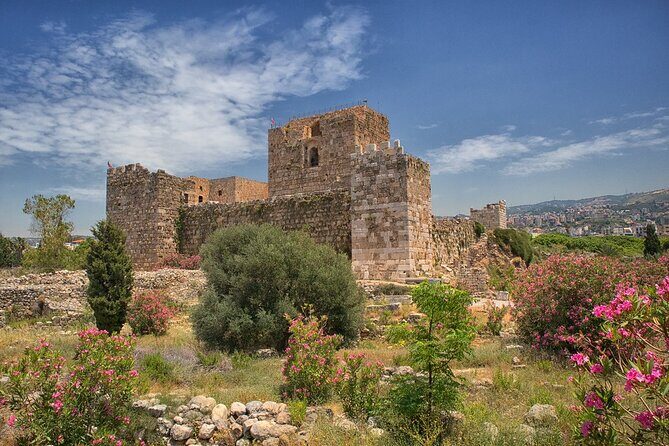
If Byblos is the ancient name, the castle is where it becomes visible. You’ll visit Byblos Castle, and admission is included. The time is 1 hour, which is right for climbing, photos, and a look around the interior museum area.
The castle is a restored 12th-century Crusader structure surrounded by a 10-meter-wide dry moat. From the top of the foursquare keep, you get an excellent perspective over the surrounding ruins. You can also see Bronze Age dwellings below the walls when you look toward the sea.
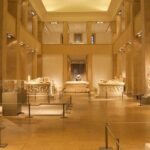
Inside, there’s a small museum and information panels that outline the city’s history. Even if you don’t read every label, standing in the viewing points helps you “map” the landscape—where the old temples and ruins sit, and how the town links back to the harbor.
What can feel short here
One hour moves fast, especially if you like climbing slowly and taking time with details. But the tradeoff is that the schedule leaves enough time earlier for views and shopping, instead of spending the whole day on a single hilltop.
Lunch in Lebanon: A Real Included Meal, Not Just a Break
Lunch is included, and it’s described as an authentic Lebanese lunch served in a restaurant setting. That matters more than you might think. When transport and site admissions are already handled, the only risk is getting stuck eating something average or overpriced close to the tourist pinch points.
Here, you’re given a structured lunch break so you can refuel mid-day and keep the rest of the day enjoyable. If you’re traveling with limited time in Beirut and want a low-stress way to try Lebanese food, this is a strong add-on included in the price.
Price and Value: Does $60 Add Up for a Full-Day Mix?
At $60 per person, this tour is built around value-through-coverage. You’re paying for:
- Hotel pickup/drop-off
- An A/C vehicle for a full day
- A tour leader and professional guides
- Jeita Grotto admission (1 hour 30 minutes included)
- Byblos Castle admission (1 hour included)
- Lunch
- Entry/admission to historical sites as part of the plan
Some stops are free (like the shrine and churches in Harissa, plus Byblos and the souk/port), which helps keep the day from turning into an add-on cost parade. The only clearly flagged extra is the Telepherique ticket.
In plain terms: if you’d otherwise pay for transport north and admissions separately, $60 starts looking like a practical deal. If you’re a total DIY person who already has a car and doesn’t need a guide, you could likely do it cheaper on your own. But the moment you factor in convenience and the time saved between sites, the tour fee becomes easier to justify.
Logistics When Roads Get Messy: How the Day Stays on Track
One real-life detail I’m glad the day accounts for is that things can be unpredictable. In Lebanon, road conditions can change quickly, including barricades and disruptions. This tour is organized to keep going even when conditions get difficult, and the driver can make a big difference in how smoothly the day feels.
I also remember how the driver Ziad was described as professional during challenging conditions. That’s the kind of calm competence you want on a long, multi-stop day—especially when you’re relying on timing for admissions.
Who This Tour Fits Best
This tour suits you best if you want a fast, well-managed overview of three major Lebanon highlights without spending your day juggling tickets, transport, and directions.
It’s also a good fit if:
- You like guided context, especially at culturally important sites like Harissa and historic Byblos
- You want cave time but not a half-day-only cave excursion
- You value a fixed lunch plan so the day stays relaxed
If you’re the type who hates being on a schedule, the short stop durations might feel limiting. Jeita’s 90 minutes and Byblos Castle’s 60 minutes are enough for most people, but not enough for serious slow explorers.
Should You Book This Beirut Day Trip?
I think this one is a solid choice if you’re doing Beirut with limited time and want big variety in a single day: dramatic caves, panoramic viewpoints tied to pilgrimage, and a historically layered port town.
Book it if you want:
- Jeita Grotto as a headline experience
- Harissa views at the shrine, with an optional gondola if you’re interested
- A guided Byblos experience that still leaves breathing room for browsing
Skip it only if you strongly prefer slow travel, plan to visit Harissa by your own transport with no interest in cave or guided history, or you’d rather spend extra time at one site instead of touching three.
If your goal is to see the key highlights efficiently and comfortably from Beirut, this small-group plan earns its keep.
FAQ
How long is the tour?
It runs about 8 hours.
What time does it start?
The tour starts at 8:30 am.
Is hotel pickup and drop-off included?
Yes, hotel pickup and drop-off are included, and pickup is offered.
How big is the group?
The tour has a maximum size of 15 people.
What admissions are included?
Jeita Grotto admission is included, Byblos Castle admission is included, and entry to historical sites is included as part of the plan. The Shrine of Our Lady of Lebanon and the churches of Harissa have free admission. Telepherique Harissa is not included.
Is lunch included?
Yes. Lunch is included and is described as an authentic Lebanese lunch.
Is cancellation refundable?
Yes. You can cancel for a full refund if you cancel up to 24 hours in advance of the start time. If you cancel within 24 hours, it’s not refunded.