REVIEW · BEIRUT
Private Full-Day Tour to Jeita Grotto, Harissa and Saint Charbel from Beirut
Book on Viator →Operated by Lebanon Tours Online · Bookable on Viator
A long day, with caves and saints. This private full-day tour strings together Jeita Grotto with its upper and lower galleries, then climbs to Harissa for big pilgrimage views over the Mediterranean and Beirut. The day also ends at Saint Charbel’s tomb, so you get both natural wonder and a serious spiritual stop in one smooth route.
What I like most is the pacing: you get real time at Jeita (about 1 hour 30 minutes) and then short, focused hits around Harissa. I also like that it’s set up with hotel pickup and private transportation, so you are not wasting the day hunting rides. One thing to watch: Jeita Grotto and the Harissa Téléferique have admissions that are not included, and lunch is also not included.
In This Review
- Quick Takeaways
- Jeita Grotto’s Upper and Lower Galleries: What You’re Really Paying For
- Harissa and the Shrine of Our Lady of Lebanon: The Bronze Statue and the Big View
- Churches, Quick Stops, and Photo Time in Harissa
- Taking the Téléferique Harissa Gondola: Views Over Jounieh
- Saint Charbel’s Tomb: A Full Hour with a Maronite Catholic Saint
- Timing, Duration, and Getting Back to Beirut Without Stress
- Price and Value: Is $50 a Smart Deal From Beirut?
- Who This Tour Fits Best
- What to Look for in Your Tour Leader
- Should You Book This Jeita–Harissa–Saint Charbel Day Trip?
- FAQ
- What time does the tour start?
- How long is the tour?
- Is hotel pickup and drop-off included?
- Is this a private tour?
- What’s included in the price?
- Are tickets included for Jeita Grotto?
- Are tickets included for the Harissa Téléferique?
- Is lunch included?
- Which stops are included in the full day?
- Is free cancellation available?
Quick Takeaways
- Jeita Grotto’s two levels: Upper cave formations plus a lower gallery with an underwater river feel
- Harissa’s bronze statue viewpoints: A massive Virgin Mary presence aimed toward Beirut and the Bay of Jounieh
- Flexible access in Harissa: You’ll cover shrines, nearby churches, and time for the Téléferique ride
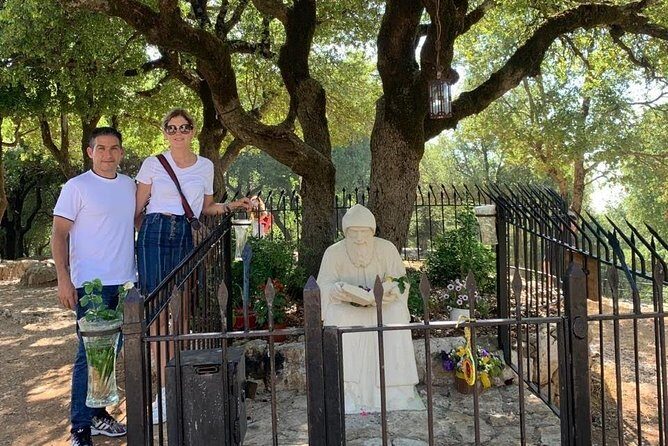
- Saint Charbel stop is free: About an hour at the tomb/monastery area
- Private from Beirut: Air-conditioned vehicle, hotel pickup/drop-off, and a tour leader
Jeita Grotto’s Upper and Lower Galleries: What You’re Really Paying For
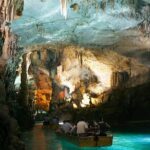
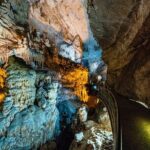
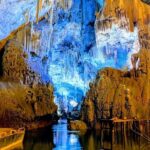
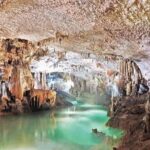
Jeita Grotto is Lebanon’s signature cave complex, and the scale is the whole story. It’s a two-part karst system of limestone caves with an overall height difference of 305 meters, and it sits about 300 meters above sea level. In practical terms, you’re not just walking into one dark hole. You’re moving through two different cave experiences built by time, water, and limestone.
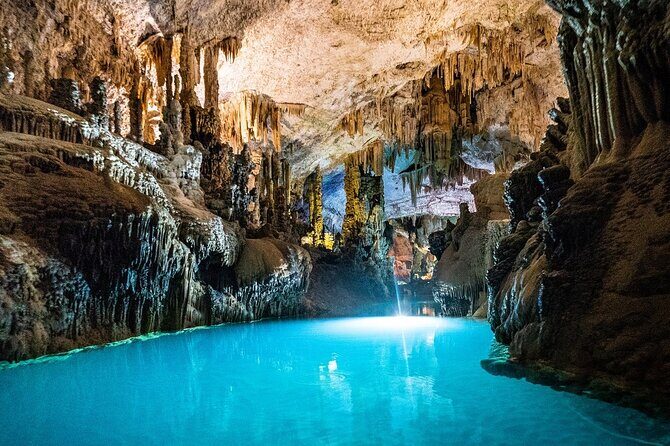
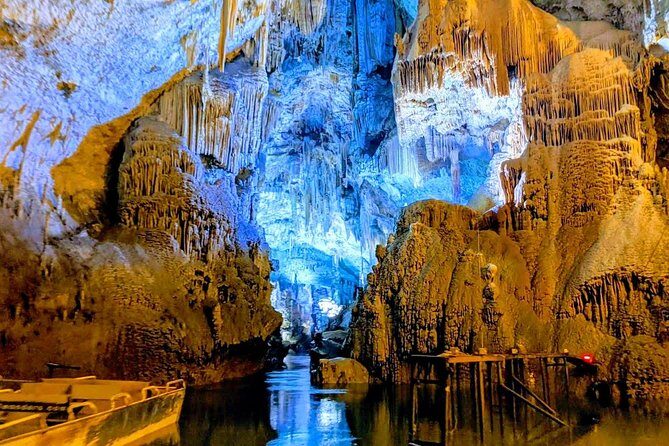
The upper cave is the showpiece for surface detail. It runs about 2,130 meters long and is packed with crystallized formations such as stalactites, stalagmites, columns, and the kinds of cave textures that make you want to point at everything. You’ll also see features like curtains and draperies, which can look almost like slow-motion waterfalls frozen in place.
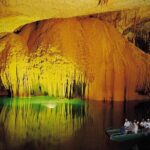
Then you go to the lower gallery, which sits about 60 meters below the upper cave. This section is about 6,200 meters long and includes a smooth underwater river and a lake. If you’re the type who likes atmosphere, this is where the grotto shifts from dramatic rock shapes to a calmer, water-in-motion feeling. It’s also a good reminder that caves aren’t just decoration; they’re living systems created over millions of years.
Budget note: Jeita Grotto admission is not included in the tour price, so you’ll need to pay that separately. Also, because it’s a cave, you might want a light layer even in warm weather. Your phone may fog a bit on entry, so keep your camera ready and wipe the lens between stops.
You can also read our reviews of more private tours in Beirut
Harissa and the Shrine of Our Lady of Lebanon: The Bronze Statue and the Big View
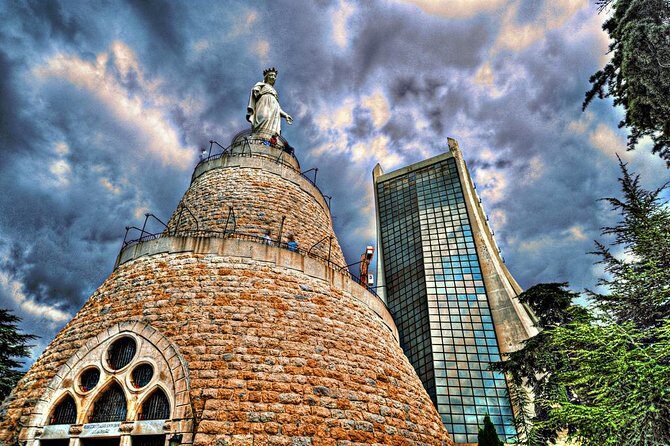
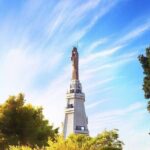
From Jeita you’ll head up to Harissa, which is one of Lebanon’s major Christian pilgrimage areas. The highlight here is the Shrine of Our Lady of Lebanon, known for its huge bronze statue of the Immaculate Conception, Mother of God. This statue is a serious piece of work: it weighs about 15 tons, stands 8.5 meters high, and has a diameter of five meters.
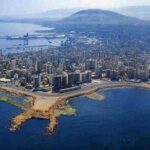
What you’ll feel at Harissa isn’t only the monument. It’s the way the statue is positioned and the view it frames. Mary’s arms stretch toward Beirut, overlooking the Bay of Jounieh, and that perspective is a big part of why people come. You’ll get a short visit here (about 30 minutes), which is enough time to take in the statue, get your bearings, and enjoy the panorama without turning the day into a slow crawl.
Admission at this shrine is listed as free, and that matters for value. Even with the Jeita and Téléferique ticket costs coming separately, having a main Harissa site included helps keep the day from feeling like an upsell parade.
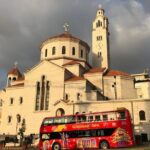
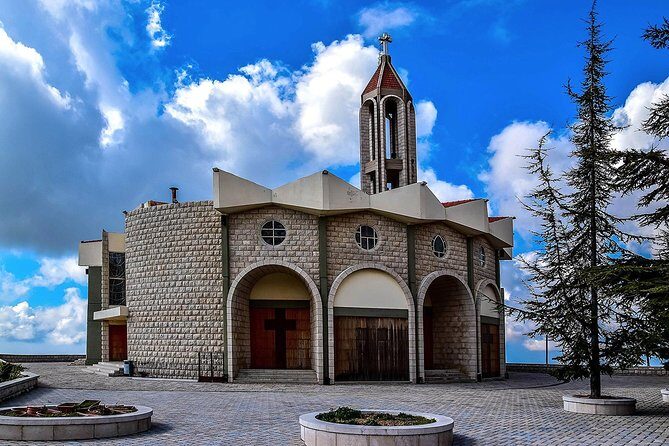
Also, don’t skip the surrounding area. There are other churches nearby with different denominations and architectural styles, and seeing the mix in one small zone helps you understand Harissa as more than one single viewpoint. You’ll have a brief stop at the churches of Harissa area (about 15 minutes), including the white painted statue of Our Lady of Lebanon and a small chapel inside the statue’s base. Adjacent to that is a larger cathedral built of concrete and glass.
Churches, Quick Stops, and Photo Time in Harissa
Harissa is compact, but it still feels like a village of faith sites. When you move from the main shrine to the churches area, you’re basically switching between different expressions of the same devotion. There’s the white painted Virgin Mary statue (also known as Our Lady of Lebanon or Notre Dame du Liban) that was made in the late 19th century and inaugurated in 1908. The statue’s base includes a small chapel, so it’s not just a landmark outside.
Next to it, you’ll see that adjacent cathedral built with concrete and glass. It’s a modern contrast against the classic pilgrimage feeling, and that contrast is part of what makes Harissa interesting even if you’re not deeply religious. You’re watching a place evolve while keeping its central symbol.
You’ll also pass by churches associated with other Christian traditions in the vicinity. One specific example mentioned is a Byzantine-style Melkite Greek Catholic basilica of St. Paul near the south side of the statue area. Since the available details here end mid-thought, I’d treat that as a spot you might notice rather than a timed must-see with a fixed script.
Because your time here is short, I’d treat this portion as “get the layout right fast” time. Bring a charger-ready phone, but also take a minute to look up from your screen. The views from Harissa are the reason the day is worth doing, and they’re best when you pause long enough to let them land.
Taking the Téléferique Harissa Gondola: Views Over Jounieh
Next up is the Harissa Téléferique ride, which is one of the older and more visited attractions in Lebanon. This is a gondola lift system located in Jounieh, about 16 km north of Beirut. The system moves passengers above a pine-forested steep mountain up to an altitude of 650 meters, and it arrives near the Our Lady of Lebanon shrine area.
The ride itself is timed at about 20 minutes, and the key benefit is the viewpoint. From up there, you get a wider scan of the bay of Jounieh and the surrounding city. If you’ve already been walking and climbing during the day, the gondola gives you a breather without losing the best sightlines.
Admission for the Téléferique is not included, so again, plan for an extra ticket cost. Still, it’s often one of those add-ons that makes sense in Lebanon because the coast-and-hills views don’t require a hiking commitment. You get elevation with minimal effort.
When you’re choosing between skipping and riding, go with the one that matches your energy. If your legs are fine, take the gondola. If you’re tired or moving slowly, just remember you’ll already have major viewpoints at the shrine, and Harissa is still worth it even without the cable car.
Saint Charbel’s Tomb: A Full Hour with a Maronite Catholic Saint
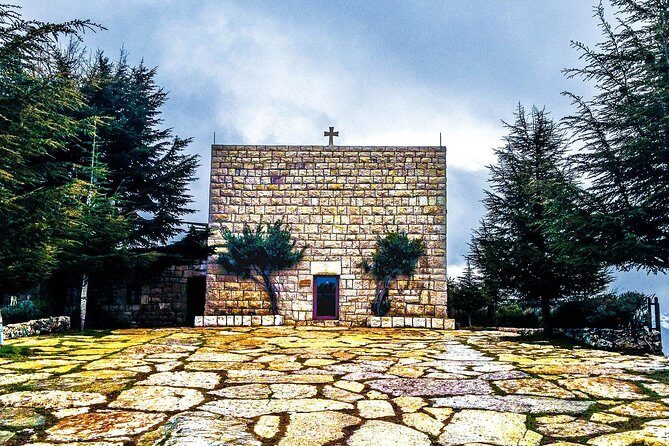
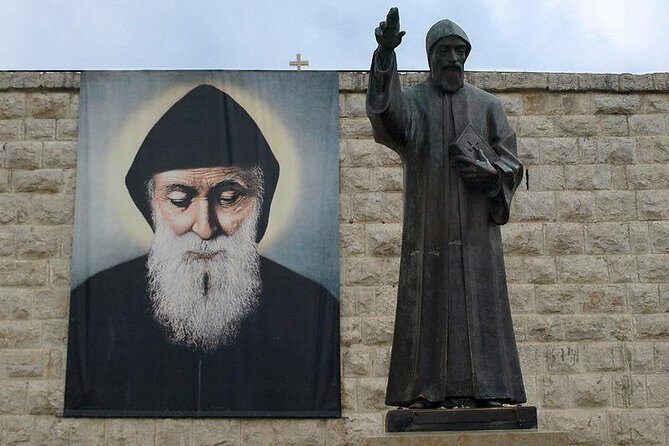
The final stop is Saint Charbel’s tomb area, tied to Maronite Catholic spirituality. Saint Charbel, also known as Mar Charbel, was Youssef Antoun Makhlouf from Bekaa Kafra in Lebanon. The dates provided are born May 8, 1828, and died December 24, 1898. He was a monk and priest.
What I like about this stop is that it doesn’t feel rushed. You’ll have about 1 hour here, and admission is listed as free. That hour matters because Saint Charbel’s tomb isn’t just a photo stop; it’s a place people visit for reflection and prayer, and the time gives you space to do more than look and move on.
There’s also some clear context built into the facts. In 1925, Pope Pius XI proposed Saint Charbel’s beatification and canonization. Later, in 1954, Pope Pius XII signed a decree accepting the proposal for beatification. The result is that Saint Charbel is venerated as a saint, which helps you understand why this tomb is not treated like a museum exhibit.
A practical note: monastery areas and religious sites often have their own expectations. Since no specific dress code details are provided here, I’d simply plan to be respectful with covered shoulders and a calm pace. Let your tour leader guide the flow.
A few more Beirut tours and experiences worth a look

Timing, Duration, and Getting Back to Beirut Without Stress
The tour starts at 9:00 am and runs about 8 hours. That’s a fair full-day block, and it can feel like a lot if you’re sensitive to long outings. But with this kind of route, the schedule makes sense: you hit Jeita early enough to avoid some of the worst crowds, then you shift up to Harissa while you still have time for both short shrine visits and the Téléferique.
You also avoid the most annoying part of day trips from Beirut: transportation headaches. This is private transportation in an air-conditioned vehicle, plus hotel pickup and drop-off. For you, that means you don’t have to coordinate with public transit when you’re dealing with a tight timeline.
The tour leader helps keep transitions smooth, and that matters because this day includes spots where people stop for prayer or sightseeing. You want someone watching the timing so you don’t end up feeling late or rushed.
Lunch is not included. That’s the one scheduling gap you should plan around. Build in the idea that you’ll either grab something before Jeita, pick up snacks on the way, or eat near the Harissa area between the stops. If you prefer a proper meal, you’ll need to arrange that yourself.
Price and Value: Is $50 a Smart Deal From Beirut?
At $50 per person, this tour pricing is best understood as a transportation-and-guidance package rather than a full “tickets included” bundle. The tour includes air-conditioned vehicle, private transportation, hotel pickup and drop-off, and a tour leader. It also offers mobile tickets.
Not included are the big ticket add-ons: Jeita Grotto admission and the Téléferique admission. Lunch is also not included. In other words, your out-of-pocket cost won’t be only $50. But you’re paying for a focused day that mixes major attractions without you having to stitch the logistics together.
Here’s why the value can still be strong. First, private pickup is the kind of thing that costs time and money when you do it on your own. Second, Jeita and Harissa are both destinations where having a guide to help you manage timing is a real quality-of-life upgrade. Third, the religious sites in Harissa and Saint Charbel’s tomb are listed as free admission, which helps balance the paid sites.
If you’re traveling with family or friends and you want the day controlled, private tours like this often cost less in hassle than in dollars.
One more thing: because it’s private, you can match the pace to your group. If your group loves photos, you’ll slow down at the right moments. If you want quiet time inside Saint Charbel’s tomb area, you’ll have the room to do it.
Who This Tour Fits Best
This day trip works especially well if you want a mix:
- Natural wonder with serious visual payoff at Jeita Grotto
- Harissa for iconic pilgrimage symbolism and viewpoints over Beirut and the bay area
- A spiritual final stop at Saint Charbel’s tomb with a full hour
It also fits first-timers to Lebanon who want a single day that covers multiple sides of the country. And it’s great for anyone who dislikes complicated transport plans, since pickup and drop-off are included.
If your travel style is slow, this might feel like a packed day. You’ll be moving through a sequence of stops with limited time windows at each. In that case, the key is to treat it as a curated route, not a leisurely wander day.
What to Look for in Your Tour Leader
Your day runs smoothly when the tour leader keeps the flow sensible. From guide names shared in past experiences, I’d watch for someone who can explain what you’re seeing without turning it into a lecture. Albert is one guide connected with great pacing at Jeita Grotto, and Hassane is mentioned as both a capable driver and an engaging explainer on Harissa-area itineraries.
If your guide is like that, you’ll get more out of the day fast. The caves won’t just be dark ceilings and stalactites; you’ll understand why the upper and lower sections feel different. Harissa won’t just be bronze and views; you’ll know what the statue represents and why it’s oriented the way it is.
Should You Book This Jeita–Harissa–Saint Charbel Day Trip?
If you want a full, meaningful day from Beirut that combines caves, hilltop views, and a major saint’s tomb, I’d say yes. The structure is smart: Jeita Grotto first, then Harissa for shrines and viewpoints, then a final hour at Saint Charbel’s tomb. The included transportation and hotel pickup make the schedule realistic instead of stressful.
You should think twice if you’re trying to keep your spend super low, because Jeita Grotto and the Téléferique admissions are not included, and lunch isn’t either. You should also consider your energy level. Eight hours with multiple stops is a lot, even with a private vehicle and a tour leader handling the timing.
My practical recommendation: book it if you want convenience and a clean route. If you love planning your own day and you’re comfortable handling tickets and transit, you could DIY some of this. But if you’re aiming for a calm, guided day with big payoffs, this tour does exactly that.
FAQ
What time does the tour start?
The tour start time is 9:00 am.
How long is the tour?
The duration is about 8 hours.
Is hotel pickup and drop-off included?
Yes. Hotel Pick Up & Drop Off is included.
Is this a private tour?
Yes. It’s a private tour/activity, and only your group will participate.
What’s included in the price?
Included features are air-conditioned vehicle, private transportation, hotel pickup & drop off, and a tour leader.
Are tickets included for Jeita Grotto?
No. Admission Ticket Not Included for Jeita Grotto.
Are tickets included for the Harissa Téléferique?
No. Admission Ticket Not Included for the Téléferique.
Is lunch included?
No. Lunch is not included.
Which stops are included in the full day?
The tour includes Jeita Grotto, the Shrine of Our Lady of Lebanon in Harissa, churches in the Harissa area, the Téléferique Harissa, and Saint Charbel’s tomb.
Is free cancellation available?
Yes. You can cancel for a full refund up to 24 hours in advance of the experience start time.