REVIEW · BEIRUT
Full-Day Private Trip to Jeita Grotto, Baalbek and Chateau Ksara
Book on Viator →Operated by Lebanon Tours & travels · Bookable on Viator
Some days feel custom-made. This one strings together caves, colossal Roman temples, and wine country with door-to-door convenience.
I like how the trip mixes major sights with a real rhythm: you get time to experience Jeita Grotto at your own pace and then switch to a local expert for Baalbek. I also like that you’re not stuck figuring out roads; your private driver handles the long drive from Beirut to the Bekaa Valley.
One thing to consider: entrance fees aren’t fully included (Jeita tickets and several Baalbek temple areas are marked as not included), and lunch is not included, so plan for extra spend and one less meal stop.
In This Review
- Key highlights and practical takeaways
- Jeita Grotto: the boat ride and cave walk that sets the tone
- Baalbek Roman ruins: seeing the scale up close
- What you’ll actually focus on at Baalbek
- Time trade-off to know about
- The smaller Baalbek stops: Sayyida Khawla and the Stone of the Pregnant Woman
- Sayyida Khawla Mosque
- Stone of the Pregnant Woman
- Château Ksara: wine tasting with Jesuit roots in the Bekaa
- Price and logistics for a full-day private tour from Beirut
- The two cost “gotchas”
- Timing reality check
- What the day feels like: a good mix of pace and focus
- Who this tour is best for (and who should think twice)
- Should you book this full-day Jeita–Baalbek–Ksara private trip?
- FAQ
- What time does the tour start and how long is it?
- Is hotel pickup and drop-off included?
- Are entrance fees included for Jeita Grotto and Baalbek?
- Is lunch included?
- Is wine tasting included at Château Ksara?
- Is free cancellation available?
Key highlights and practical takeaways
- Jeita Grotto by boat and on foot in one of the Middle East’s longest cave systems
- Baalbek with a local guide so you’re not just staring at stones
- UNESCO Roman ruins across major temple highlights tied to the Romanized triad
- Château Ksara tasting plus a quick history of how Lebanon’s dry wine got its start
- Hotel pickup/drop-off and an air-conditioned vehicle for a long day of sightseeing
Jeita Grotto: the boat ride and cave walk that sets the tone
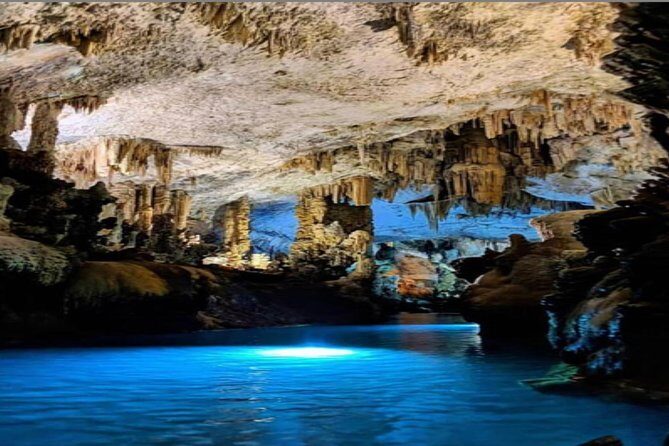
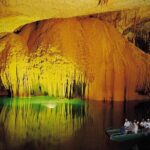
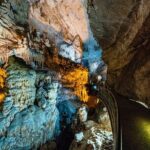
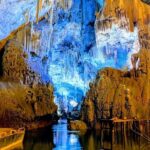
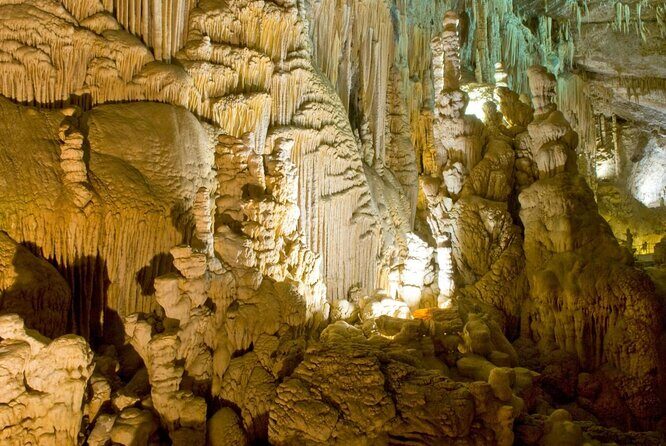
Jeita Grotto is the kind of place that makes you lower your voice. Your day starts in the calmer, cooler world underground: this is a two-part karst limestone cave system, split into an upper cave and a lower gallery that connect with each other.
Here’s what makes it special on a practical level. The complex sits about 300 metres above sea level, and there’s a 305-metre height difference between the upper and lower parts. The upper cave runs about 2,130 metres, packed with formations like stalactites, stalagmites, columns, “mushroom” shapes, ponds, curtains, and draperies. Then you drop into the lower gallery, with a total length around 6,200 metres, where you move along a section with a smooth underwater river and a lake.
The experience is also planned for how you’ll want to move through it. You get time to experience it without constant group herding. That independence matters because cave lighting and paths can make people pace themselves differently. Some sections feel wide and slow; others feel like you’re walking through a slow-moving science museum.
The one catch is simple: Jeita Grotto admission isn’t included. You’ll want to budget for the ticket and arrive ready to scan your mobile ticket. Also, caves mean cool air and some walking. I’d bring footwear you’re comfortable in for uneven ground and steps.
You can also read our reviews of more private tours in Beirut
Baalbek Roman ruins: seeing the scale up close
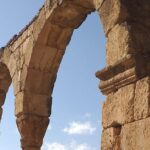
Baalbek is one of those UNESCO stops where the first reaction is pure size. The temple complex is tied to the ancient Phoenician city that later became known as Heliopolis, and in Roman times the sanctuary drew pilgrims in huge numbers—especially for the Heliopolitan Jupiter.
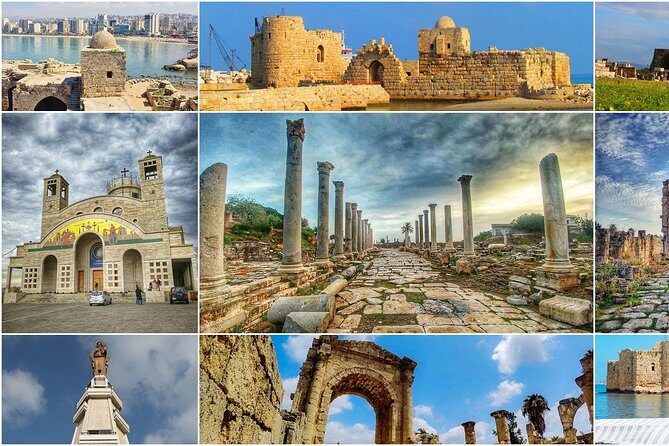
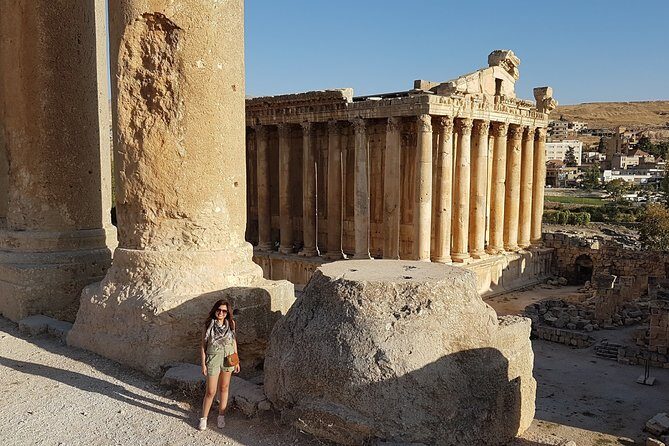
The big reason this part of the tour is worth your time is that it’s not just “pretty ruins.” This is a functioning story of religion, empire, and engineering. The site includes two of the biggest Roman temple ruins: the Temple of Bacchus and the Temple of Jupiter. The complex was listed as UNESCO World Heritage in 1984, and it’s widely treated as a high point of Imperial Roman architecture.
What you’ll actually focus on at Baalbek
You’ll spend roughly an hour and a half in the Baalbek area, guided by a local expert. That guidance is key because Baalbek can turn into a blur if you only look at stone shapes. A good explanation helps you understand why the structures are placed where they are and what the Romans were trying to communicate.
You’ll work through the major “towering highlights,” including stops dedicated to:
- The main temple complex and its grandeur
- Temple of Jupiter, described as the largest temple dedicated to Jupiter in the Roman world
- Temple of Bacchus, famously one of the best-preserved and grandest ruins in the complex
- The Temple of Venus, built in the third century, with a distinct horseshoe-shaped platform design
The Temple of Jupiter is worth lingering over. Work likely began around 16 BC and was nearly complete around AD 60. It sits at the western end of the Great Court of Roman Heliopolis and rises on a broad platform of stone raised another 7 metres above the huge foundational blocks, some among the heaviest used in construction. When you stand there, you feel the planning behind the scale.
Temple of Bacchus also benefits from being tied to details. Its fine ornamentation is dated to the second century CE, and it’s known for being remarkably intact compared with many Roman sites.
And Temple of Venus? It’s a design nerd’s delight. The shrine is circular, with a square entrance, and the outer façade has niches with representations of doves and shells. That kind of detail is exactly what a local guide helps you notice.
Time trade-off to know about
You’re covering multiple temple-focused stops in a single day, so the pace will be efficient. Several temple sections are marked as admission not included, so you may need to handle extra tickets depending on what entry areas you’re allowed into. The good news: Baalbek includes at least one segment marked as free (the main Baalbek stop shows admission free), but other temple stops are not included, so don’t assume everything is covered.
The smaller Baalbek stops: Sayyida Khawla and the Stone of the Pregnant Woman
Not every highlight here is a giant temple. Two shorter stops add texture and local meaning to the Roman-heavy theme.
A few more Beirut tours and experiences worth a look

Sayyida Khawla Mosque
You’ll have a stop at the Mosque of Sayeda Khawla in Baalbek. The mosque is built on a site believed to be the burial place of Sayyida Khawla, daughter of Imam al-Hussein (grandson of the Prophet Muhammad). The story tied to Baalbek says that during the caravan of captives of Karbala, Khawla passed away and was buried there. Even if you’re coming mainly for ancient Roman architecture, this moment reminds you that Baalbek isn’t only “ancient”—it’s layered with living tradition.
Stone of the Pregnant Woman
You’ll also see the Stone of the Pregnant Woman, a worked Roman monolith. Together with another ancient block nearby, it’s described as among the largest monoliths ever quarried. The two stones were presumably intended for the nearby temple complex, and they reflect a kind of monolithic gigantism that was rare even in antiquity.
These shorter stops are worth it because they slow your brain down for a minute. Giant columns can make your eyes numb. A monolith and a local sacred story reset your perspective and make the day feel less like a stamp-collecting workout.
Château Ksara: wine tasting with Jesuit roots in the Bekaa
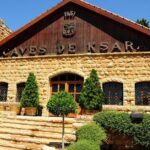
After caves and ruins, you land in wine country: Château Ksara in the Beqaa Valley. This is the kind of stop that feels like a reward rather than another chore.
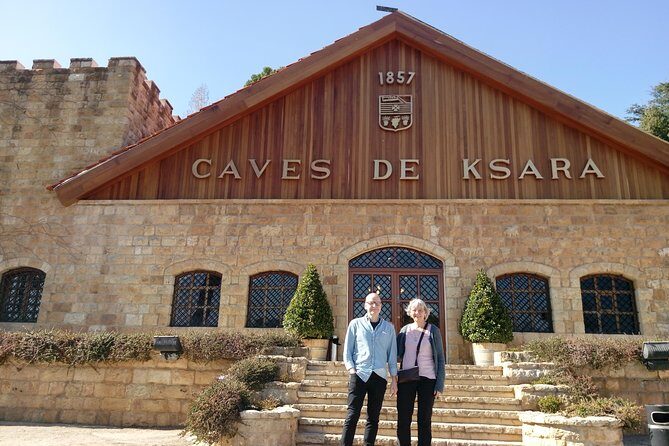
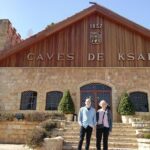
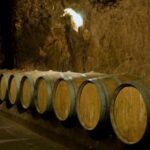
Château Ksara was founded in 1857 by Jesuit priests. The winery is credited with developing the first dry wine in Lebanon. On the production side, it makes around 3 million bottles annually and ships to over 40 countries. That scale matters because it explains why the tasting is set up for visitors but still connected to a real commercial operation.
The tour includes a wine tasting, and entrance fees are listed as not included. That means your tasting should be covered, but you’ll want to keep your eyes open for any separate charges that appear on site. For planning, treat this as a tasting time, not a long meal.
Also, a small practical point: you’ll have driven all day. With wine, keep your own pace. The presence of a private driver is the smart safety net here—still, taste slowly and plan to stay hydrated.
Price and logistics for a full-day private tour from Beirut
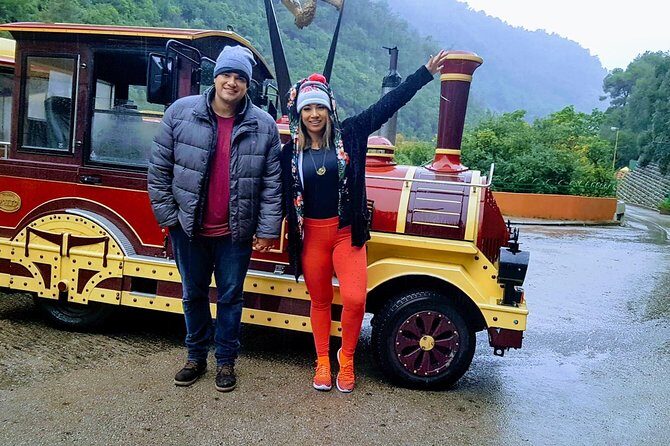
Let’s talk value, because $69.45 per person is only “good” if the day is packed efficiently.
What you’re paying for includes:
- Private transportation with air-conditioning
- Hotel pickup and drop-off
- A tour leader
- A local guide in Baalbek
- Wine tasting
- A mobile ticket
- Group discounts (even on private experiences, operators sometimes offer pricing flexibility)
That matters because the real cost in this kind of day trip is not only time—it’s the long drive out of Beirut and the need to make stops work in sequence. This tour handles the driving side, which is a big deal on a route where navigation can become its own job.
The two cost “gotchas”
1) Lunch isn’t included. You’ll either eat on the way or on breaks that you arrange yourself. This can be fine, but it adds a decision point: bring a light snack if you hate waiting, or budget for a proper meal in the Bekaa area.
2) Entrance fees aren’t included for some parts. Jeita Grotto has admission not included. Several Baalbek temple stops are also not included, while one Baalbek entry segment is marked as free. Don’t assume the price covers all site entry.
Timing reality check
You start at 8:30 am and you’re out about 9 hours. That’s a lot of daylight sightseeing, and the day will feel full even with private pickup. It’s best for people who like structured days and don’t need “loose” planning.
What the day feels like: a good mix of pace and focus
If you’re choosing this tour, you’re probably aiming for a classic Lebanon “greatest hits” day without the stress. This plan works because it groups experiences by mood:
- Start with cool underground wonder (Jeita)
- Shift to monumental ancient space (Baalbek)
- Add a human, living layer (Sayyida Khawla and the monolith story)
- Finish with a relaxing, adult-friendly payoff (Ksara tasting)
And because it’s private, the day is designed for your group only. You won’t be stuck waiting for strangers while the driver keeps rolling.
From what I’ve seen about this operator’s guiding style, the service tends to be professional and on time. Names like Hassan, Kaleeb, Kimal, Makram, and Ahmad show up as guides or drivers associated with these kinds of trips. That doesn’t guarantee who you’ll get, but it does signal a pattern: people are often praised for being punctual, helpful, and patient.
Who this tour is best for (and who should think twice)
This is a strong fit if you want:
- A one-day route from Beirut that covers both nature and archaeology
- A driver/leader so you don’t lose time to directions
- Time with a local guide at Baalbek, not just a list of ruins
- A winery tasting as the finale
I’d think twice if you:
- Hate extra stops and prefer a slower, lighter day
- Don’t want to pay additional entrance fees for sites
- Need lunch included to feel comfortable with day-trip budgeting
Should you book this full-day Jeita–Baalbek–Ksara private trip?
I’d book it if you’re the type who wants to see big places fast and you like structure. Jeita Grotto is a natural wonder with very specific, impressive dimensions. Baalbek is the kind of Roman site that rewards a guide, because the meaning is in the details. Château Ksara gives you a taste of Lebanon that fits the geography you just drove through.
Skip this only if you’re allergic to logistics and surprise costs. With lunch not included and multiple admission fees not included, you’ll need to budget a bit beyond the headline price. If you’re okay with that, this is a solid value-packed day.
FAQ
What time does the tour start and how long is it?
The tour starts at 8:30 am and lasts about 9 hours.
Is hotel pickup and drop-off included?
Yes. The experience includes hotel pickup and drop-off plus a private, air-conditioned vehicle.
Are entrance fees included for Jeita Grotto and Baalbek?
No. The Jeita Grotto admission ticket is listed as not included, and several Baalbek temple stops are also not included. One Baalbek stop is marked free, but not all sections are covered.
Is lunch included?
No. Lunch is not included.
Is wine tasting included at Château Ksara?
Yes. The package includes wine tasting at Château Ksara. Entrance fees are listed as not included, though.
Is free cancellation available?
Yes. You can cancel up to 24 hours in advance for a full refund.