REVIEW · BEIRUT
Best Tours in Lebanon, 3-days-with Pick-up & Drop-off
Book on Viator →Operated by Lebanon Local Tour · Bookable on Viator
Three days is the sweet spot.
This Beirut-based tour crams Lebanon’s biggest sights into a tight, well-organized circuit, with a group leader explaining what you’re seeing before each stop. You start with famous caves, end in Roman scale, and in between you bounce through Phoenician ports and Crusader-era leftovers.
I especially like the hotel pickup and drop-off. No figuring out transit, no haggling for rides, and you get an air-conditioned vehicle to move between sites. I also like the people side: guides such as Ali and Harake come across as friendly and professional, and the pacing is usually smooth enough that you don’t feel yanked around.
The main thing to consider is time. It’s a lot of stops, so if you hate constant movement or want long, slow wandering in each place, you may feel a bit rushed—especially at the major sites like Byblos and Baalbek.
In This Review
- Key highlights worth planning around
- Getting picked up in Beirut without turning your trip into logistics
- Day 1: Jeita Grotto’s underground magic, then Harissa’s sky-high views
- Byblos: a Phoenician city you can actually walk through
- Day 2: Sidon’s sea castle and souks, plus Tyre’s Roman showpiece
- Maghdoucheh and the Marian shrine break up the history marathon
- Tyre: a port day with Roman scale and beach air
- Day 3: Anjar in the Bekaa, then Baalbek’s Roman giants
- The Stones of Baalbek and the Temple complex you came to see
- Price, entrance tickets, and the real meaning of what’s included
- The pace: comfortable for many people, intense for others
- Food and comfort: where the lunch stop actually helps
- Who should book this Baalbek-led Beirut combo
- Should you book this 3-day Lebanon tour?
- FAQ
- What is the price for this 3-day tour?
- Are entrance tickets included for all stops?
- Is lunch included?
- Do I get hotel pickup and drop-off in Beirut?
- How many people are in the group?
- What language are the guides?
- Can I cancel if my plans change or the weather is bad?
Key highlights worth planning around
- Hotel pickup and drop-off means you start fresh and end back at your place in Beirut
- Jeita Grotto + Harissa mixes underground wonder with dramatic mountain views
- UNESCO sites across Phoenician ports: Byblos, Sidon, and Tyre in one run
- Bekaa Valley + Baalbek gives you the big Roman monuments people fly across the world to see
- Small-group size (max 15) keeps things comfortable on the road
Getting picked up in Beirut without turning your trip into logistics
Your day starts with an early pickup. Morning is typically 08:30 (and one day begins at 08:15), and the driver and group leader handle the handoff so you’re not standing around wondering what’s next. It’s a simple perk, but it matters in Lebanon where traffic can swing wildly and distances add up.
The vehicle is air-conditioned, which is not a small detail when you’re moving between sea-level towns and mountain viewpoints. You’re also traveling with a group size capped at 15, so you’re not stuck shouting over ten rows of strangers. On top of that, there’s usually communication via WhatsApp for pickup timing, which makes meet-up points much less stressful.
Value check: for $225 per person (with a lunch included on one day), you’re paying for convenience plus interpretation. If you were trying to DIY these stops, you’d spend real money on drivers and real time solving transportation.
You can also read our reviews of more tours and experiences in Beirut.


Day 1: Jeita Grotto’s underground magic, then Harissa’s sky-high views
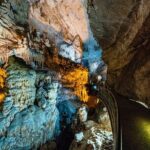
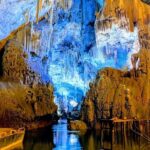
Day 1 is all about contrast. You begin at Jeita Grotto, a limestone cave system with two interconnected cave sections and a huge overall cave length. You get about 1.5 hours there, which is enough time to see the main highlights without feeling like you’re waiting in a queue forever. One practical note: the Jeita Grotto admission ticket isn’t included, so expect a separate payment if you want to go inside.
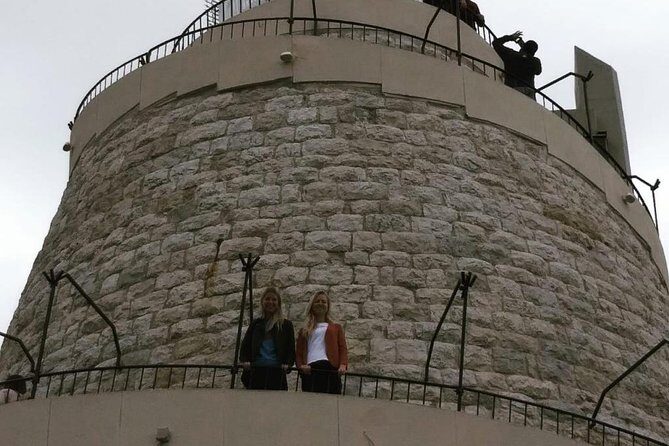
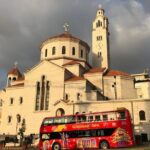
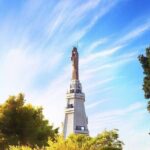
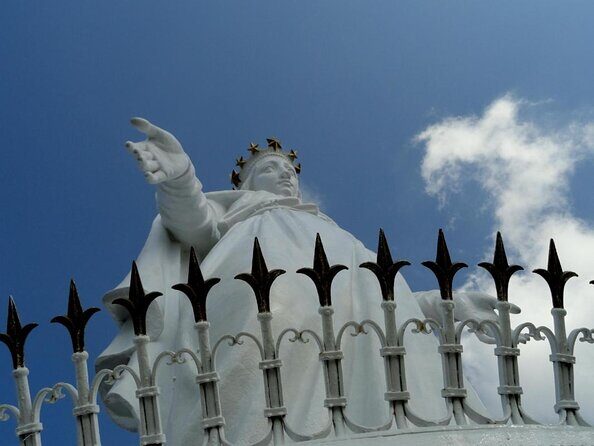
After the caves, the tour turns toward religion and views. You head to Harissa, where you’ll see the Virgin Mary statue. You’ll have short stops at the Shrine of Our Lady of Lebanon for panoramic looks over Jounieh Bay, plus time to enjoy the scenery from the mountain roads.
Then comes the cable-car plan. There’s time for the Téléferique Harissa ride from Harissa to Jounieh. If the cable car is closed, you’ll continue by car instead, so you’re not stuck losing the entire segment. After that, you move toward Téléferique du Liban. This part is one of those Lebanon moments where the scenery is the attraction, not just the ride.
Byblos: a Phoenician city you can actually walk through
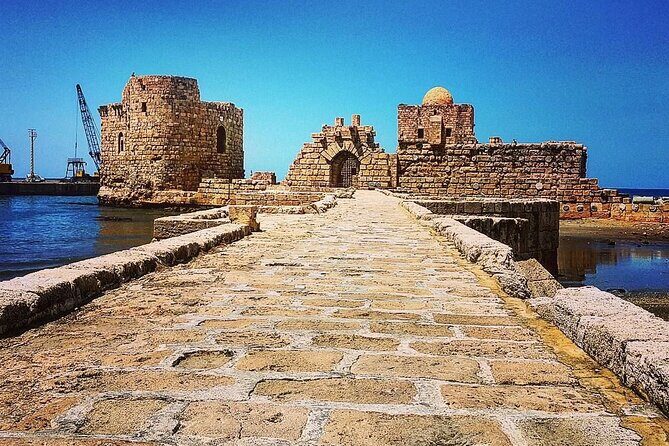
Byblos is your historical payoff for Day 1. You get about 1.5 hours at the UNESCO Phoenician city of Byblos, one of the oldest continuously inhabited places in the region. The walking here is meaningful but not punishing, and your guide’s pre-stop basics help you spot what you’re looking at instead of just snapping photos and moving on.
You’ll also visit the Byblos port area, then continue toward the Byblos Castle area. There’s an option to enter the Crusader castle (admission ticket not included), and it sits right next to archaeological remains tied to Phoenician temples, including areas associated with the Temple of Baalat Gebal and the Temple of the Obelisks.
Souvenir-shopping time shows up naturally after the castle. The Old Souk of Byblos is a handy place for gifts—antiques, crafts, and small local items. You’re not forced into shopping; you’re just given the opportunity while you’re already there.
The day ends with food. You’ll be taken to a traditional restaurant at the port for lunch, and then you return to Beirut afterward.
Practical drawback to know upfront: because Day 1 stacks caves, viewpoints, cable cars, and old-city walking, you’ll want comfortable shoes and a small day bag. Also, some entrances aren’t included, so bring cash or a card you’re comfortable using at the sites.
Day 2: Sidon’s sea castle and souks, plus Tyre’s Roman showpiece
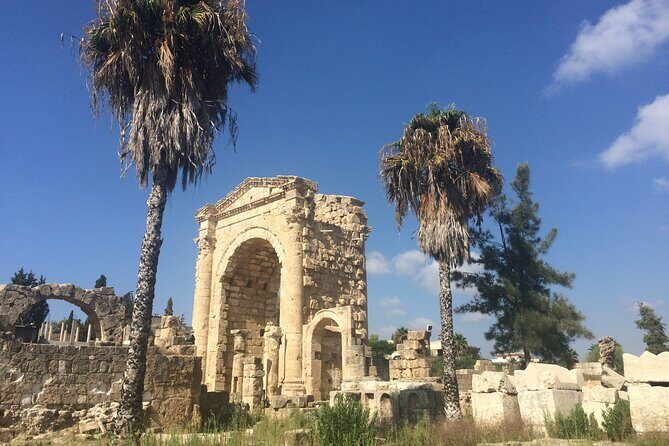
Day 2 starts with Sidon, a city with ancient depth and a very real connection to trade. You begin with the Crusaders Sea Castle. Expect about an hour here, with admission ticket not included. Even without entering everything, the structure helps you understand how coastal power worked in different eras.
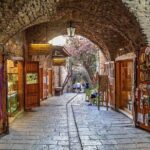
Right after, the tour pivots into the city’s everyday architecture with the Sidon souks. This is one of the best segments if you like atmosphere. You get time to wander through vaulted alleys and see shops still doing trades that look very old-school. There’s also a coffee-house stop where men traditionally meet to smoke a water pipe and drink Turkish coffee. It’s quick, but it’s a real cultural slice rather than a museum-style stop.
Then comes the Musee du Savon, a soap-making museum. It’s in an old soap factory building, and you can see a demonstration of traditional olive oil soap production. This is a smart inclusion because it shifts you from emperors and kings to what normal people actually used—soap, bath culture, and manufacturing techniques. The museum admission isn’t included, but the short visit (about 30 minutes) is enough to get the idea.
You also visit the Great al-Omari Mosque, formerly connected with a Crusader church. It’s a small stop time-wise, but it’s worth paying attention to how layered the architecture is, with restored walls dating to the 13th century.
Next up is the Khan el Franj. It’s a classic khan structure—rectangular courtyard, central fountain, covered galleries—meant for merchants. Even if you don’t spend ages here, it’s a helpful context bridge between the souks and the broader coastal trading story.
Maghdoucheh and the Marian shrine break up the history marathon
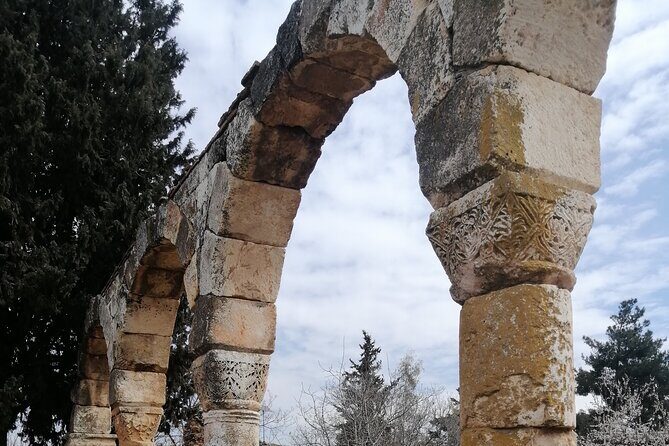
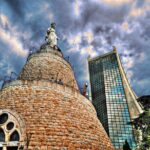
Before Tyre, there’s a change of pace at Maghdoucheh, at the Our Lady of Awaiting Marian shrine. You get about 50 minutes, and the structure includes a tower with statue, a cathedral area, cemetery, and a sacred cave believed to be where Mary rested while waiting. Admission is listed as free.
If your brain has been running on Roman dates and Crusader control since Sidon, this stop can be a mental reset. It’s also a reminder that Lebanon’s “history” isn’t only ancient ruins—it’s also lived faith in specific places.

Tyre: a port day with Roman scale and beach air

Tyre begins with quick breaks: Tyre Beach for about 15 minutes, then some more walking through older streets and traditional beach houses for another 15 minutes. It’s not a long beach day, but it gives your body a change from ruins and narrow alleys.
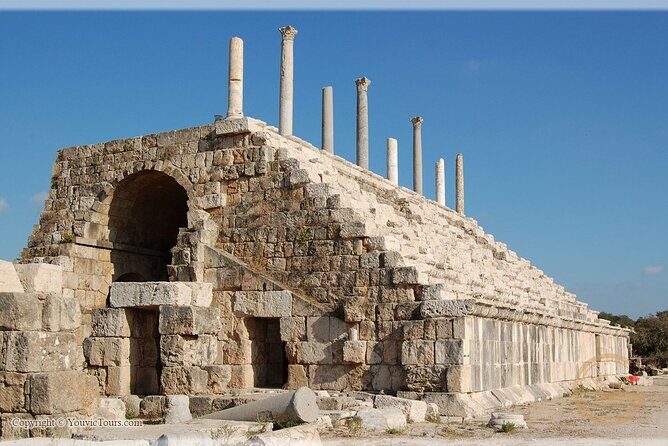
Then you reach the Roman heart of the day: the Roman Hippodrome, with about 1 hour on site. This is UNESCO and built for chariot racing, with a horseshoe shape and seating for around 20,000 spectators. The scale lands best when you imagine the noise and action, even if you’re just standing there today.
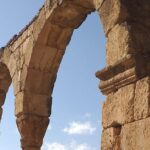
You also visit Al-Bass archaeological site. You’ll spend about 1 hour here as well, with admission ticket not included. The site connects to Byzantine road remnants, triumphal arch remains, Roman road and aqueduct elements, and larger Roman structures. This is the “slow down and observe” stop in the day.
Food-wise, the tour gives you time to eat at a traditional fast food restaurant and then returns to Beirut. The exact lunch pattern depends on the day, but you should expect at least one meal that’s more quick-and-practical than a sit-down feast.
Day 3: Anjar in the Bekaa, then Baalbek’s Roman giants
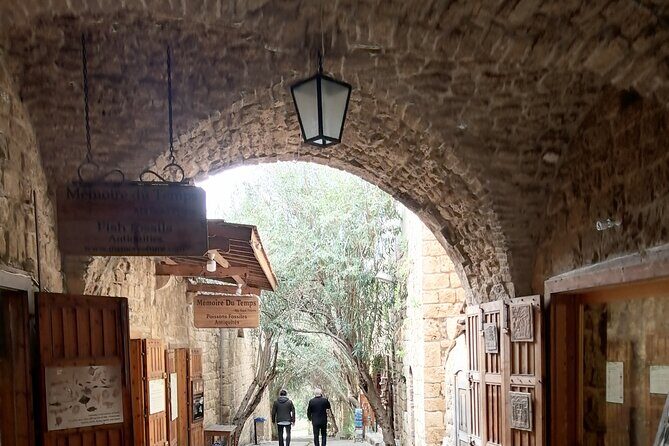
Day 3 is the biggest-history finale, set in the Bekaa Valley. You’ll be driving through farmland scenery between Mount Lebanon and the Anti-Lebanon mountains, and the contrast with coastal cities is noticeable. The ride is part of the payoff because you’re seeing where agriculture and older trade routes shaped settlement patterns.
You start at Anjar, founded by Caliph Walid I in the early 8th century. You’ll have about 1 hour to explore the regular layout and the way the ruins reflect Umayyad city planning. Admission is listed as free.
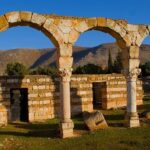
Then you continue to the Umayyad Ruins of Anjar for about 30 minutes. These ruins include the walls of a palace complex, harems, a mosque, thermal baths, and pillars with Roman architectural elements. Admission ticket not included for this segment, so plan for that extra cost.
After Anjar, you visit the Mosque of Sayeda Khawla in Baalbek. The tour description doesn’t include a precise time for this stop, but it’s tied to a story about Sayeda Khawla, daughter of Imam al-Hussein, believed to be buried there.
The Stones of Baalbek and the Temple complex you came to see
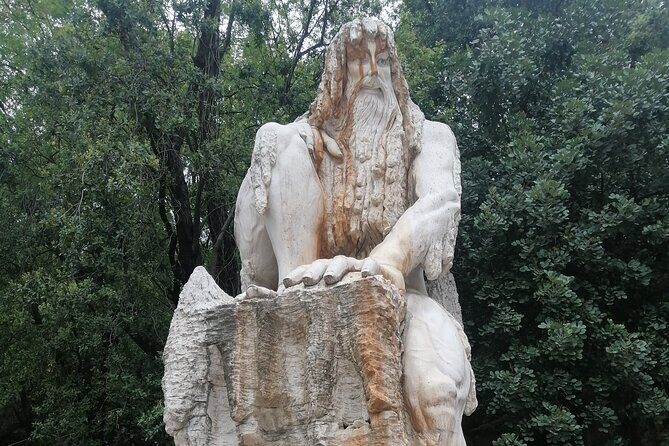
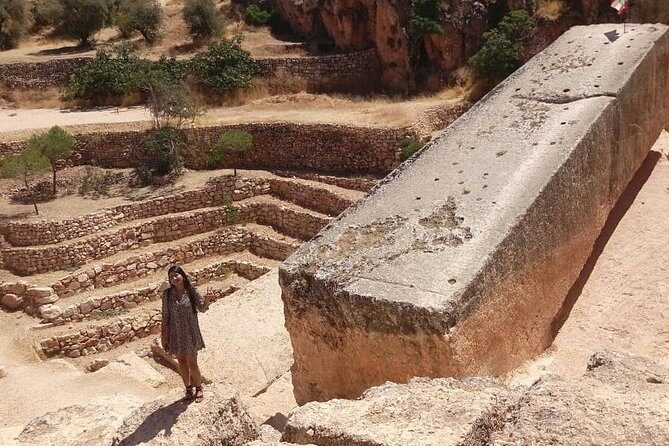
Next is Hajar al-Hibla, the Stone of the Pregnant Woman. It’s a worked Roman monolith, paired with another massive block nearby. You’ll have about 30 minutes, and admission is listed as free. Even if you don’t know Roman engineering, the sheer size gives you a gut-level sense of how heavy ancient building projects were.
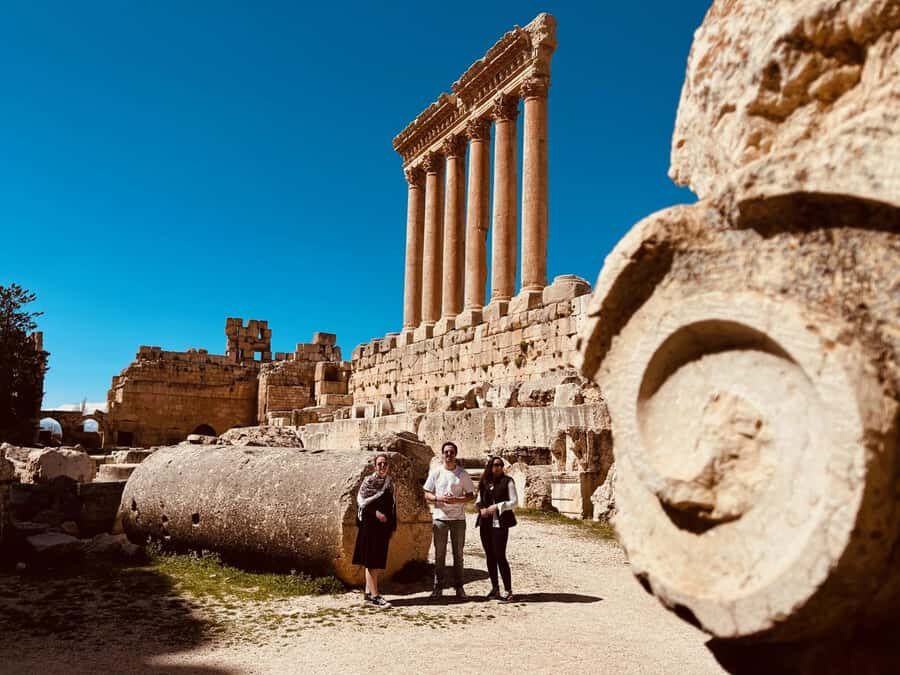
Then you reach the main event: Baalbek and its temple complex. The tour includes multiple temple segments, including the Temple of Bacchus and the Temple of Jupiter. These stops are mostly shorter blocks of time, usually 30 to 45 minutes, which works best if you pay attention to what your guide explains before you walk in.
The tour emphasizes the key names: Bacchus and Jupiter, with the complex inscribed in 1984 as a UNESCO World Heritage site. The Temple of Jupiter is described as the largest of its type in the Roman world, with massive stonework and very tall columns. You don’t need exact measurements to be impressed—just stand where you can see the scale and let it land.
Lunch happens after the temple time. You’ll have about 1.5 hours, with traditional food listed including fresh meat, chicken, vegetarian options, and snacks. The tour says your day ends with return to your hotel in Beirut.
Price, entrance tickets, and the real meaning of what’s included
This tour includes: an experienced English-speaking local group leader, brief explanation about each site, hotel pickup and drop-off, an air-conditioned vehicle, and fuel surcharge.
What’s not included: entrance fees/admission tickets are excluded in general. Some stops are marked as free, others not, and at least Jeita Grotto and several major archaeological entries list admission as not included. So your final spending might vary depending on how many optional entrances you choose (like castle entry).
My advice: before you go, set a “ticket buffer” in your head. If you’re the type who hates surprises, keep a little extra cash/credit ready for entrances at the sites that aren’t covered.
The pace: comfortable for many people, intense for others
I like that the schedule doesn’t read like a bullet train with no pauses. There are breaks built in: cable car time, shorter city walks, and clear time windows at major stops.
But I won’t sugarcoat it. Three days means you’re seeing a lot of different places. You’ll be in the car frequently, and some segments are brief by nature. That’s not automatically bad. It’s often the only practical way to cover Byblos, Sidon, Tyre, Anjar, and Baalbek when you’re based in Beirut.
If you care about extra context at specific sites (especially Byblos and Baalbek), be ready to ask your guide questions on the spot. One downside you might want to plan around is that not every guide moment gives the same depth for every stop, so your questions can turn a short visit into a richer one.
Food and comfort: where the lunch stop actually helps
Food is built into the plan. You’ll have lunch on one of the days at a traditional Lebanese restaurant. From what I’ve seen in this kind of setup, this kind of included meal matters because it prevents the common problem: arriving hungry, then trying to find something reliable while everyone’s tired.
On Day 2 you may get time to eat at a fast food restaurant, which is practical when the day is packed. Either way, I’d plan for a mix of sit-down and quick meals, and I’d keep water handy during walking segments.
For comfort: bring sun protection. You’ll be outside during viewpoints and in ruins, and the day is long enough that shade is not guaranteed.
Who should book this Baalbek-led Beirut combo
This tour is a strong fit if:
- You’re short on time and want the big-name highlights with pickup and drop-off
- You like structure and explanations before walking through a site
- You’re traveling solo and want a small group (max 15) and the social safety net of a guide
It might be less ideal if:
- You want a very slow pace and lots of free time in each city
- You prefer deep, book-like historical commentary at every stop and don’t enjoy asking questions
If you’re the type who likes to say, I came to see the classics, this works. If you want a slow “live here for a week” vibe, you’ll likely feel the squeeze.
Should you book this 3-day Lebanon tour?
Yes—if your priority is seeing Lebanon’s top sights fast, without transportation headaches. The best part is that you get Jeita Grotto, Harissa viewpoints, UNESCO port cities like Byblos, Sidon, and Tyre, then the Bekaa and Baalbek—all from Beirut with reliable morning pickups and an English-speaking guide.
Book it especially if you value friendly, professional guiding. People often name Ali and Harake as key reasons the trip feels smooth and worth it. Just keep your expectations aligned with the format: it’s a highlights tour, not a week-long seminar.
FAQ
What is the price for this 3-day tour?
The price is $225.00 per person.
Are entrance tickets included for all stops?
No. Entrance fees are excluded. Some stops are marked free, but you should expect to pay admission at sites where tickets are listed as not included.
Is lunch included?
Yes. Lunch is included on one day during the tour, served at a traditional restaurant.
Do I get hotel pickup and drop-off in Beirut?
Yes. The tour offers two-way transfers with pickup and drop-off at your Beirut hotel.
How many people are in the group?
The group size has a maximum of 15 travelers.
What language are the guides?
The tour includes an experienced English speaker local group leader.
Can I cancel if my plans change or the weather is bad?
You can cancel for a full refund up to 24 hours before the experience start time. The tour also says it requires good weather, and if it’s canceled due to poor weather, you’ll be offered a different date or a full refund.
If you want, tell me your travel month and whether you prefer more walking or more time sitting, and I’ll suggest how to balance this with a couple of Beirut days.