REVIEW · BEIRUT
Guided Small-Group Tour to Baalbek, Anjar and Ksara with Lunch
Book on Viator →Operated by Lebanon Tours & travels · Bookable on Viator
Roman giants meet wine country.
I like how this tour keeps the day moving with door-to-door pickup and a driver doing the driving. You’ll also hit two major UNESCO sites—Baalbek and Anjar—without the stress of self-drive timing and navigation.
What I really appreciate is the human scale: a group capped at 15, so your guide can actually look you in the eye and answer questions. I also liked the mix of big-site walking with calmer moments like the Sayyida Khawla stop and a proper lunch before the winery.
One thing to consider: not every admission is included, and the schedule lists some sites as ticketed separately (plus Château Ksara is not included). If you’re watching costs tightly, plan for a few extra payments on the day.
In This Review
- Key things to know before you go
- Door-to-door Beirut pickup makes the day feel easy
- The 9-hour structure: Roman monuments, then Umayyad city planning, then wine
- Baalbek temples: Jupiter and Bacchus in full scale
- Tickets and timing at Baalbek
- The Sayyida Khawla mosque stop: faith tied to a specific story
- Anjar’s Umayyad ruins: you can read the city plan
- Umayyad Ruins of Aanjar: routes, walls, and the mix of styles
- Château Ksara in the Bekaa: Lebanon’s wine story after the ruins
- What about wine tasting and extra costs?
- Lunch in Lebanon: included, but plan for real-life taste differences
- Guides and drivers: why names keep coming up
- Price and value: what $65 covers (and what might cost extra)
- Practical notes for a long day in the Bekaa
- Should you book this Baalbek, Anjar and Ksara tour?
- FAQ
- What time does the tour start?
- How long is the tour?
- Is lunch included?
- How many people are in the group?
- Are admission tickets included?
- Is hotel pickup and drop-off included in Beirut?
Key things to know before you go
- Max 15 people means real attention instead of a moving crowd
- Round-trip hotel pickup from central Beirut keeps logistics painless
- Baalbek and Anjar are both UNESCO sites you can cover in one long day
- Temple stops have separate ticket info for parts of the Baalbek complex
- Château Ksara visit connects the ruins day with Lebanon’s wine story
- Lunch is included at a local restaurant, breaking up the drive time
Door-to-door Beirut pickup makes the day feel easy
This is the kind of tour that starts by removing the biggest headache: getting out of Beirut and back without trying to manage roads, parking, and timing. You’re picked up from central Beirut hotels, then shuttled around in an air-conditioned vehicle.
The tour also keeps you from getting stuck in the usual group-tour problem: someone wandering behind while everyone waits. With a maximum of 15 people, the pace stays workable, and it’s easier to ask questions without shouting over everyone else’s headset.
There’s a tour leader on board, and you’ll also get specialist guidance once you’re at the heritage sites. That matters because Baalbek and Anjar can feel like piles of stones until someone puts the timeline and the layout into plain words.
You can also read our reviews of more guided tours in Beirut

The 9-hour structure: Roman monuments, then Umayyad city planning, then wine
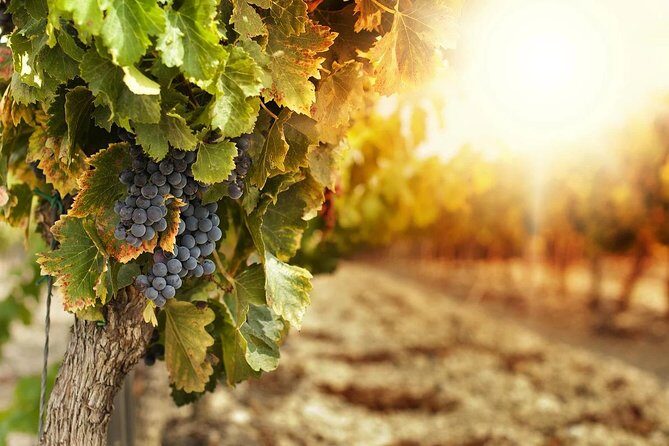
The day runs about 9 hours, starting at 8:30 am. That early start helps because you’ll be doing the most walking in daylight, and the Bekaa Valley heat can be real, especially in summer.
The rhythm is straightforward: start with the Baalbek temples, shift to Anjar’s Umayyad ruins, eat lunch, then finish at Château Ksara. It’s not a slow museum day. You’ll be outside, moving, and taking in a lot.
That’s also why the logistics matter so much. You don’t want to spend your limited vacation hours coordinating transport while your Roman priorities fade into the background.
Baalbek temples: Jupiter and Bacchus in full scale
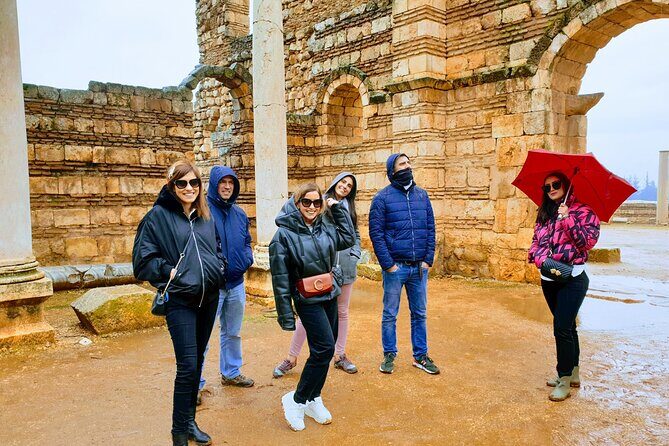
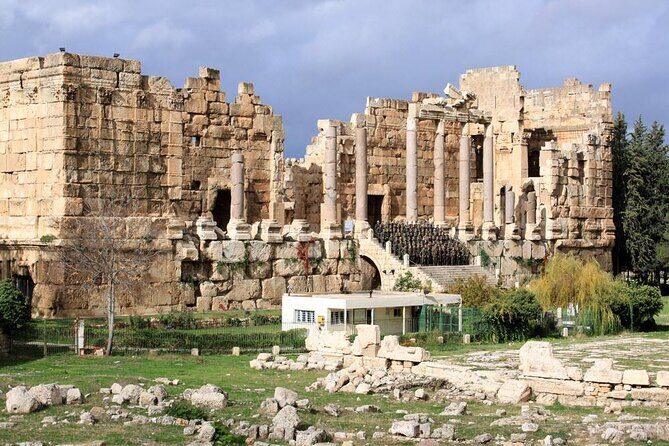
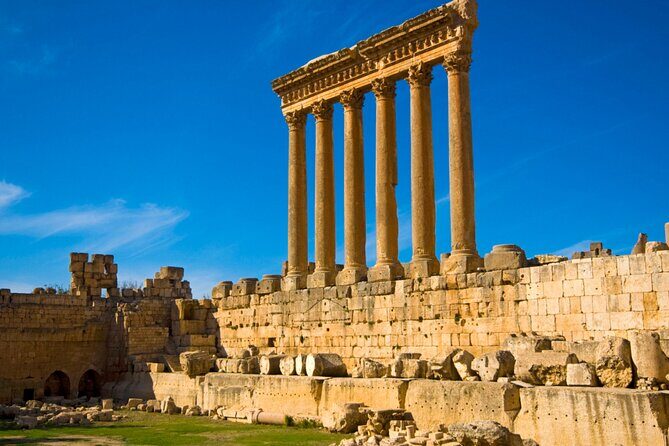
Baalbek is famous for a reason. You’re visiting the temple complex associated with two of the biggest names in Roman religion here: the Temple of Bacchus and the Temple of Jupiter.
I love that the tour doesn’t treat Baalbek like one generic stop. It gives you enough time to notice what makes it special: the setting and the sheer scale. Baalbek sits at the foot of the Anti-Lebanon slope, around 1,150 meters up, overlooking the fertile Bekaa plain.
You’ll learn how Baalbek became known as Heliopolis during the Hellenistic period, and how the sanctuary kept pulling pilgrims during Roman times. The cult is tied to a triad of deities—Jupiter, Venus, and Bacchus—linked to what started as a Phoenician tradition.
Tickets and timing at Baalbek
The tour info lists admission details as mixed. The first Baalbek stop is shown as free, while the separate Temples of Baalbek segment is marked as not included. That’s useful to know so you don’t get surprised when it’s time to pay for the specific temple-complex entry.
Plan about 1 hour 30 minutes for the Baalbek portion of the day. It’s enough time to take photos, track the building layout, and still have energy left for the rest of the itinerary.
In the reviews, the guides’ explanations come up again and again. Names like Albert and Hassan pop up, plus mentions of archaeologist-style site guidance in Baalbek. That kind of on-the-ground interpretation can turn a tough-to-read site into something that clicks.
The Sayyida Khawla mosque stop: faith tied to a specific story
Between the Roman monumental stops, the tour includes the Mosque of Sayyida Khawla in Baalbek. The site is believed to be connected with the burial of Sayyida Khawla, the daughter of Imam al-Hussein, the grandson of the Prophet Muhammad.
Local belief says that during the caravan connected with Karbala passing through Baalbek, Khawla died and was buried there. This isn’t just a quick photo stop. It adds a different layer to the Baalbek story, showing how later religious memory still marks the place.
Even if you don’t memorize every name and date, this moment helps the day feel less like a checklist. Baalbek isn’t only Roman stones. It’s also living belief and local tradition.
A few more Beirut tours and experiences worth a look
Anjar’s Umayyad ruins: you can read the city plan
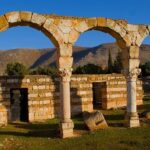
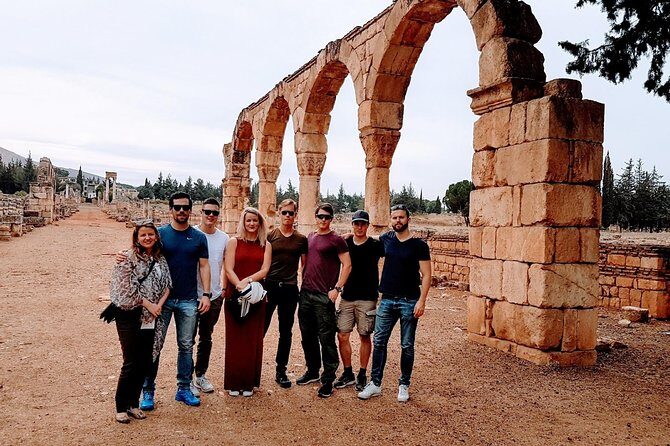
Next comes Anjar, founded in the early 8th century by Caliph Walid I. This stop has a different feel from Baalbek. Instead of overwhelming you with columns and scale, it teaches you to see layout.
The ruins show a very regular city plan, often compared to palace cities of ancient times. It’s presented as a rare testimony to Umayyad city planning, inland from the coast.
You’ll spend about 45 minutes here. The time is enough to walk the key areas and notice how the layout works, without turning it into a rushed photo sprint.
Umayyad Ruins of Aanjar: routes, walls, and the mix of styles
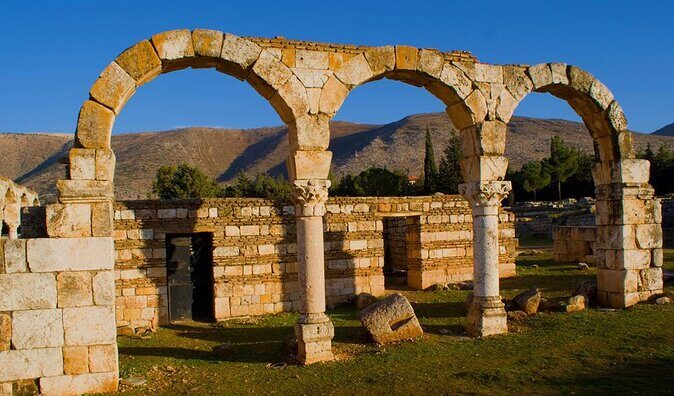
The itinerary includes the Umayyad Ruins of Aanjar with more time for the main features: walls of the Umayyad palace, harems, a mosque, the great palace of the Caliph, thermal baths, and many pillars with Roman architectural elements.
This site also sits at an important crossroads. One route linked Beirut to Damascus, while another crossed the Bekaa toward Homs and Tiberiade. That commercial-transport angle helps you understand why city planning mattered so much.
One useful detail: archaeologists only discovered the site at the end of the 1940s. So you’re not just looking at old ruins in the abstract—you’re also seeing a place that was reassembled for modern understanding.
Admission at Anjar is listed as free for the initial segment, while the Umayyad ruins segment is shown as not included. It’s another moment to check costs in advance if you’re doing a tight budget.
Guides named in the experience often highlight Anjar’s explanation quality too, with some local specialists described as archaeologists. That’s a big deal here, because ruins that seem confusing at first get much easier once someone explains what you’re looking at.
Château Ksara in the Bekaa: Lebanon’s wine story after the ruins
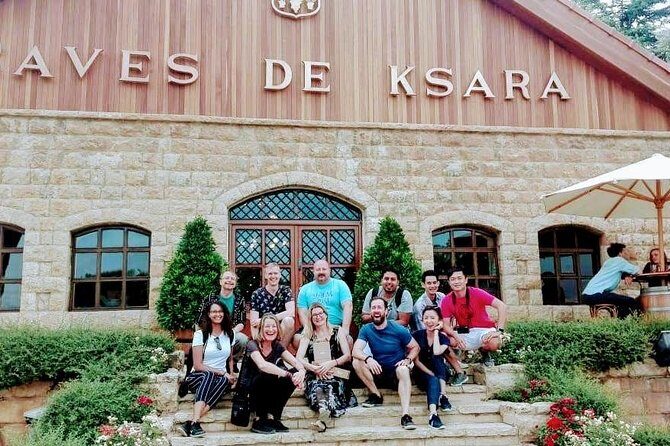
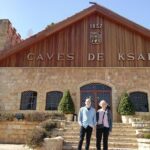
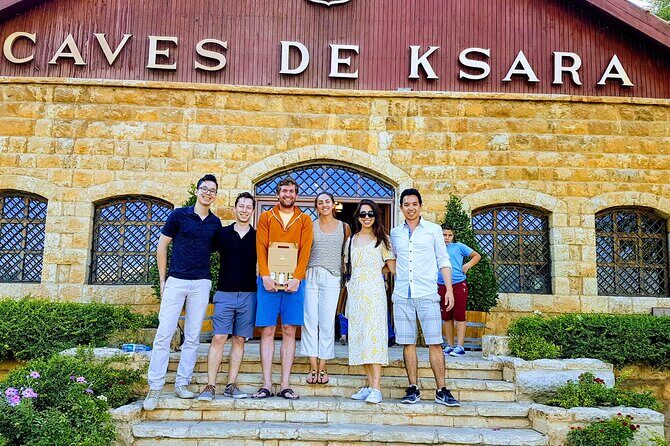
After lunch, the tour shifts gears to Château Ksara in the Beqaa Valley. The winery connection works well because you end the day with a living industry tied to the same region that produced the ancient cities.
Château Ksara was founded in 1857 by Jesuit priests. The winery also developed what’s described as the first dry wine in Lebanon.
The numbers are impressive: Château Ksara produces about 3 million bottles annually and exports to over 40 countries. Even if you only drink lightly, those facts help you understand it’s not a tiny hobby winery—it’s a serious producer.
What about wine tasting and extra costs?
The tour info lists the Château Ksara admission ticket as not included. In practice, that often means you may pay for tastings or other extras on site. One review even calls out that tasting was an additional cost, which matches what the itinerary indicates.
If you’re not planning to taste much, you can still enjoy the visit for the setting and the background story. If you do want tasting time, give yourself a little extra money and don’t plan to rush.
Lunch in Lebanon: included, but plan for real-life taste differences
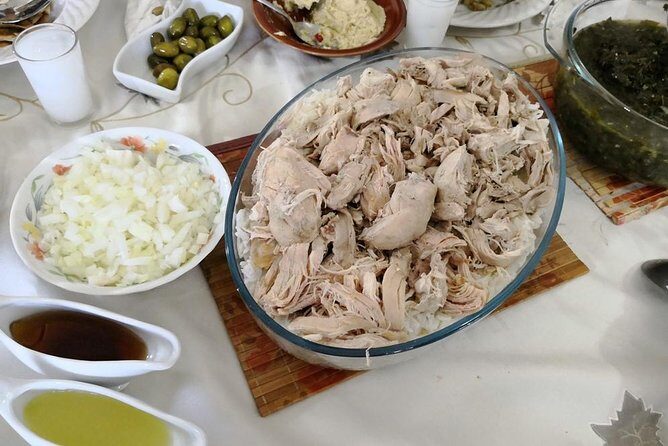
Lunch is included, and that’s a genuine value win for a full-day tour. You’re not spending your day searching for food, and you get a set break between heritage stops.
The itinerary frames lunch as a Lebanese meal at an authentic local restaurant. In the overall tone of the experience, lunch is often treated like a highlight of the day, with guides even praised for how they balanced the schedule and kept the group comfortable.
Still, food preferences are personal. One experience mentioned dissatisfaction with the lunch quality and service, so if you have strict tastes, it’s smart to keep expectations flexible and maybe travel with a backup snack in your day bag.
Guides and drivers: why names keep coming up
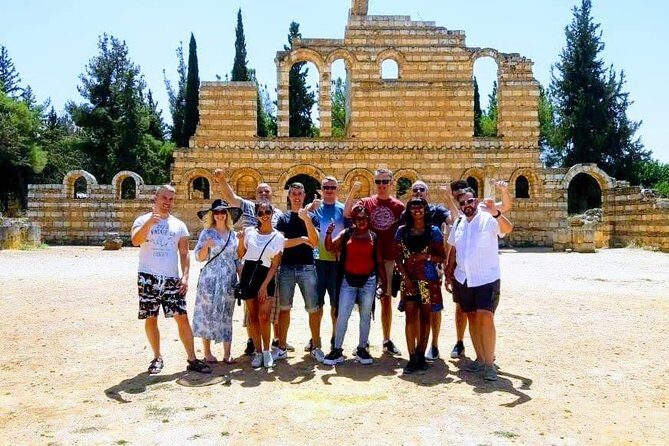
This tour stands out because people talk about the people. In the feedback you’ll see repeated praise for guides such as Albert, Hassan (and Hassane), Mariana, and Alfred.
What you’re looking for in a day like this is not just facts. It’s pacing, clarity, and comfort when you’re outside all morning. The strongest comments connect the guide’s professionalism with an upbeat day—starting on time, answering questions, and keeping energy up.
You may also get local specialist guidance at Baalbek and Anjar. Some accounts specifically mention archaeologists as on-site guides. That’s the difference between seeing ruins and understanding them.
The driver’s role matters too. Several mentions credit the driver and guide together, which makes sense because the day depends on smooth transitions between three very different stops.
Price and value: what $65 covers (and what might cost extra)
At $65 per person, you’re paying for more than transportation. The tour includes a guided small-group experience, a professional tour leader, an air-conditioned vehicle, and hotel pickup and drop-off from central Beirut hotels.
Lunch is included too, and for a 9-hour outing, that’s not a small perk. Without lunch included, a day like this can quietly become expensive once you add meals and site entry.
Where extra costs may show up is in admissions. The itinerary notes that some parts are free (like the initial Baalbek stop and Anjar’s initial segment), while other items are explicitly not included (the Temples of Baalbek segment and Château Ksara). That can mean you should budget a bit more depending on what you want to do at the winery and which entries are ticketed during the day.
The value sweet spot is clear: if you want UNESCO sites plus an organized day plus lunch, paying one set price usually beats trying to stitch it all together on your own.
Practical notes for a long day in the Bekaa
This tour is built for comfort, but it’s still a daytime outing with outdoor stops. Wear comfortable shoes. You’ll be spending real time walking around the ruins, and in summer conditions can get hot.
Bring a hat and water. The itinerary mentions walking time, and at least one experience notes that hikes were hot during summer. That’s your cue to plan for heat even if the vehicle portion is air-conditioned.
Also, keep your day expectations realistic. You’re seeing three major stops plus a mosque segment. You’ll get time to absorb the sites, but it’s not one stop per hour where everything feels leisurely.
If you want lots of shopping or long stops for photos, build that into your pace with the understanding the tour is time-managed.
Should you book this Baalbek, Anjar and Ksara tour?
I’d book this if you want a structured day that hits Baalbek and Anjar without driving stress, and you’re happy to pay for a guide-led format. It’s also a strong choice if you like explanations that turn ruins into readable stories—especially with the specialist-style guidance that’s repeatedly praised.
Pass or reconsider if you’re extremely cost-sensitive about admissions, since the itinerary signals ticketed segments and Château Ksara admission isn’t included. Also, if food quality is a make-or-break issue for you, keep expectations flexible even though lunch is usually treated as a positive part of the day.
One more practical tip: if you’re booking, check your timing around 8:30 am pickup and be ready for a full 9-hour day. If that fits your style, you’ll likely love how much you get in a single pass through the Bekaa.
FAQ
What time does the tour start?
The tour starts at 8:30 am.
How long is the tour?
The duration is about 9 hours.
Is lunch included?
Yes, lunch is included as part of the tour.
How many people are in the group?
The group size is capped at a maximum of 15 travelers.
Are admission tickets included?
Not all admissions are included. The tour lists Baalbek admission for the first stop as free, but the Temples of Baalbek segment and Château Ksara admission are not included. The Anjar segment is listed as free for admission.
Is hotel pickup and drop-off included in Beirut?
Yes. The tour includes door-to-door round-trip transfers from central Beirut hotels.