REVIEW · BEIRUT
Lebanese wineries guided tour with tastings & lunch
Book on GetYourGuide →Operated by CITY SIGHTSEEING LEBANON TOURS · Bookable on GetYourGuide
Wine caves and beer in one day sounds perfect. In Lebanon’s Bekaa Valley, this tour strings together the big local names with guided time in the caves and vineyards, plus tastings that teach you how Lebanese wine styles differ. It also starts with Beirut pickup, so you can focus on learning and tasting instead of planning routes.
I like the mix of guided cave tours and structured tasting time across Lebanon’s main styles—red, rosé, and white—so it feels like more than a quick sip-and-go. I also like that the day isn’t just wine; you get a brewery stop for craft beer and additional tastings that can include Lebanese arak or white milk.
The main drawback to consider is that this is a full-day schedule built around tastings, so it can feel heavy if you want lots of downtime or slow sightseeing.
In This Review
- Key highlights worth your time
- Why this Bekaa wine day feels like a real education
- Getting from Beirut to the wineries without logistics stress
- Chateau Ksara Caves: where the cooler air shapes the wine story
- Chateau Kefraya: a guided tasting across Lebanon’s wine styles
- Chateau Rayak: faster pacing, focused tasting time
- The included craft beer stop, plus arak or white milk
- Lunch in the Bekaa: refuel, reset, then continue
- Château St Thomas: the last guided tasting that ties the day together
- Price and value: is $140 a fair deal for a one-day plan?
- Who should book this tour (and who should skip it)
- Should you book this Lebanese wineries tour with tastings and lunch?
- FAQ
- Where does the tour pick up and drop off?
- How long is the tour?
- Which wineries are included?
- Is there craft beer included?
- What tastings and drinks are part of the experience?
- What’s included with the price?
- What’s the tour language?
Key highlights worth your time
- Beirut to the Bekaa with hotel pickup and drop-off, handled for you
- Cave and vineyard education from a live English guide
- Multiple tastings across red, rosé, and white wines
- Brewery visit for Lebanon’s craft beer, plus chances to sample Lebanese arak or white milk
- Lebanese lunch included, served at a local restaurant during the day
Why this Bekaa wine day feels like a real education
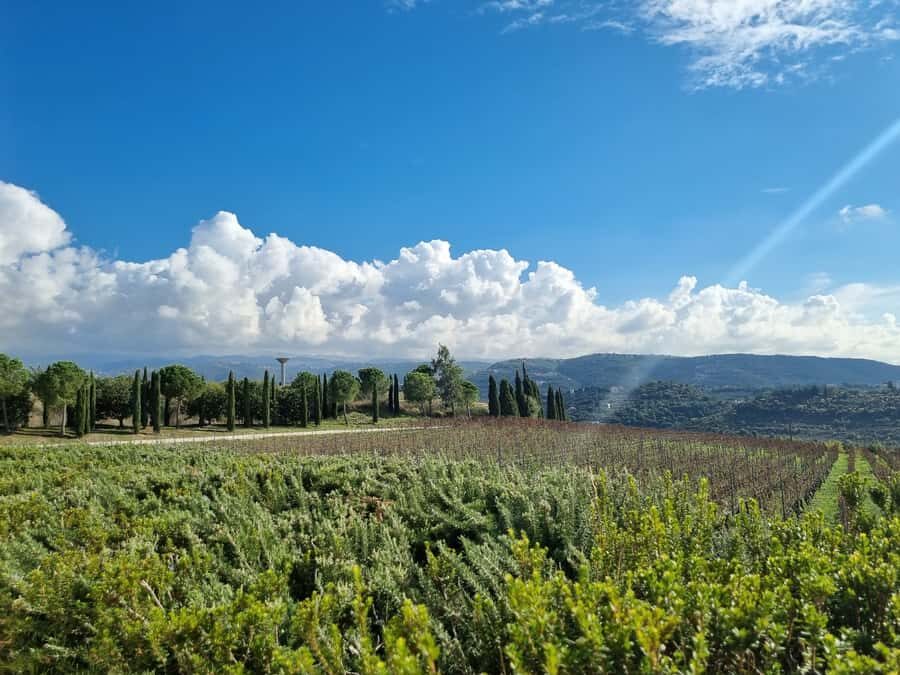
Lebanon is one of the oldest places on earth where wine production has mattered. Even with the region’s conflicts, the industry keeps moving forward. Lebanon produces about 600,000 cases of wine each year, and the number of wineries has grown fast—from 5 in 1998 to over 30 today. That growth shows up in what you’ll taste: newer approaches alongside long-running traditions.
This tour is built for one-day learning. Instead of visiting just one property and calling it a day, you get a chain of stops that help you see how the same country can produce very different bottles. You’ll walk through the making story from winemaking history in Lebanon all the way to what those differences mean in the glass.
If you care about value, the structure helps. You’re paying for transport, admissions, and guide time across several sites. When alcohol is involved, a guided format also keeps things organized, so you don’t waste your day figuring out what’s open, where to park, or what to ask.
You can also read our reviews of more guided tours in Beirut
Getting from Beirut to the wineries without logistics stress

This starts in Beirut with hotel pickup and ends back at your drop-off in the city. That alone is a big win. The Bekaa is where the wineries are, but doing it independently usually means separate tickets, a driver or multiple transfers, and a lot of timing risk.
You’ll be in a private group with a live English tour guide, and you also skip the ticket line at the wineries. In practice, that means you spend more time inside the caves and tasting rooms and less time waiting at entrances.
The tour is also wheelchair accessible, which matters because some historic cave areas and winery paths can be the tricky part on your own. Here, you can plan around it with the group and guide.
Finally, there’s a human detail that many alcohol-focused day tours forget: you’re not just handed a schedule. With this one, the driver and guide typically keep the day moving smoothly, and you may even get extra context during the ride into the Bekaa. It helps the day feel connected, not chopped into separate stops.
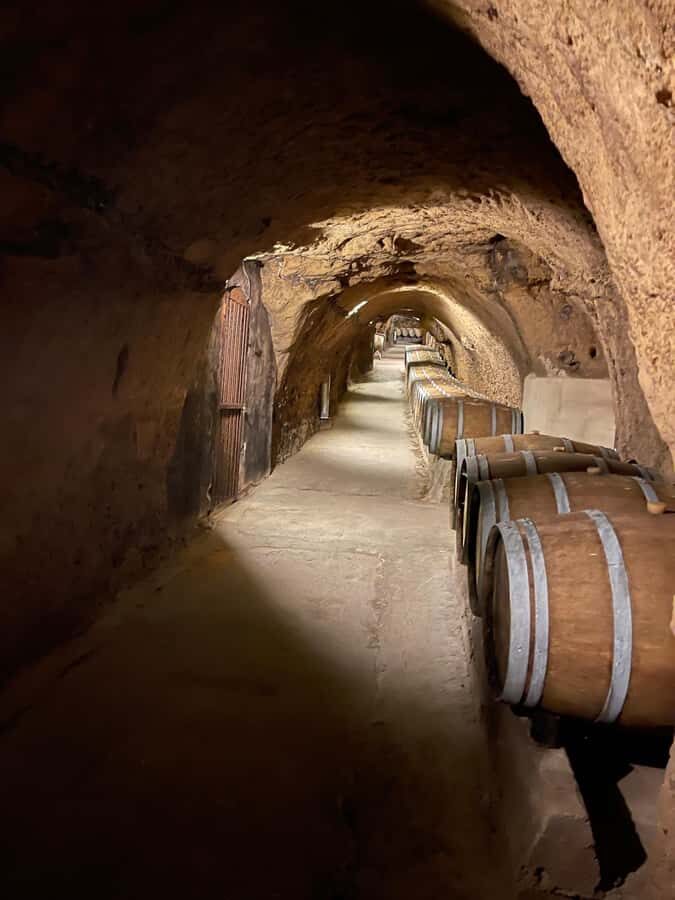
Chateau Ksara Caves: where the cooler air shapes the wine story
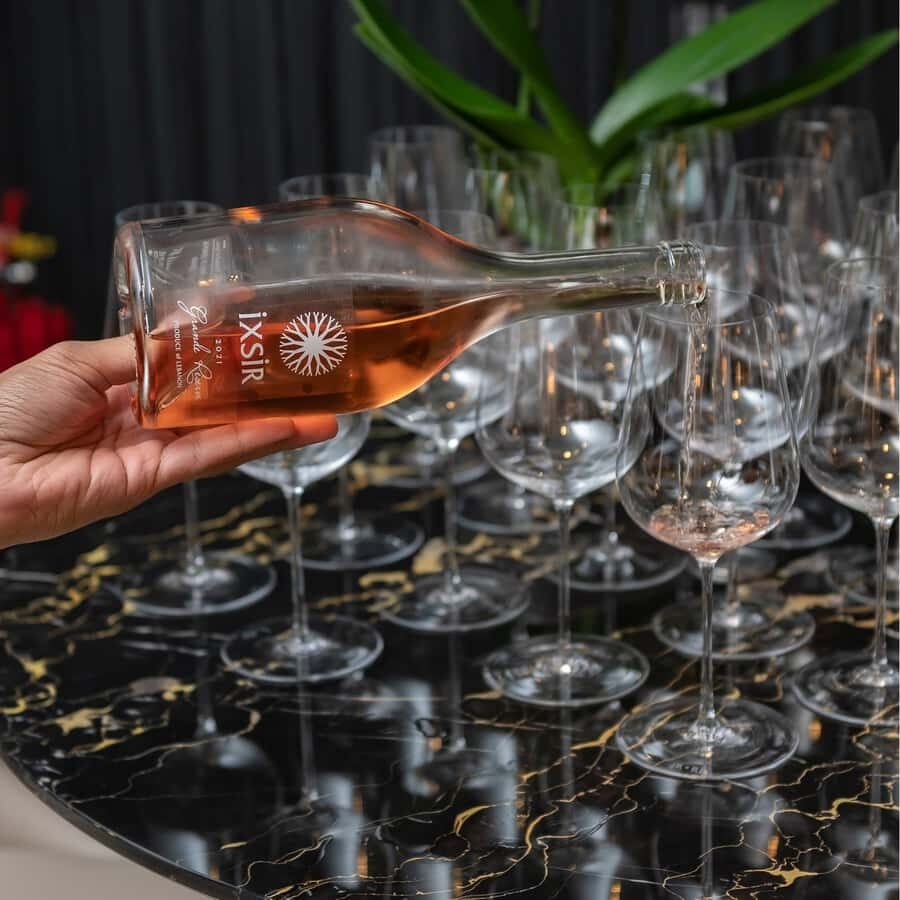
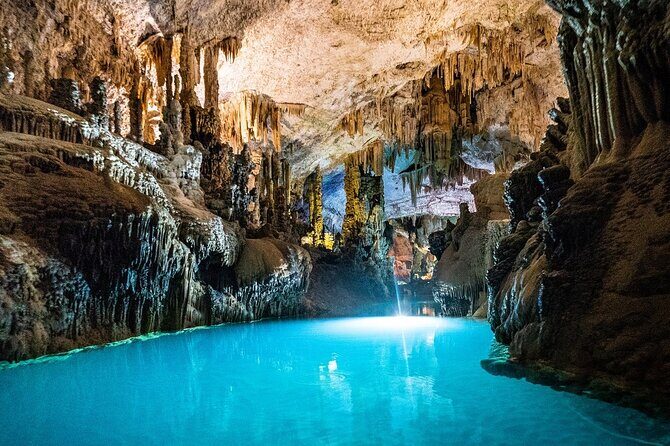
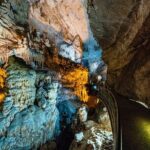
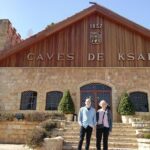
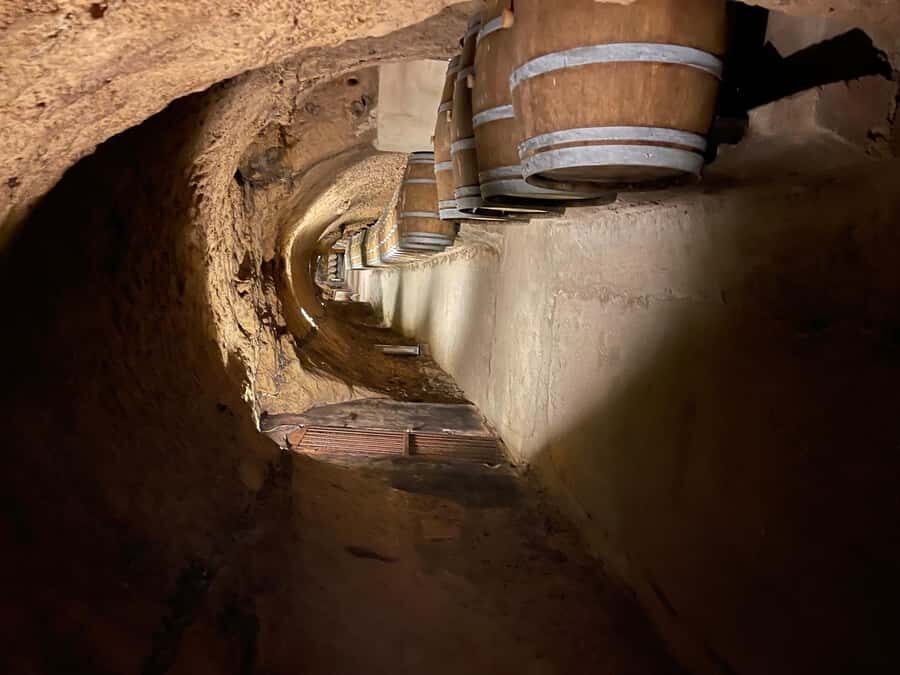
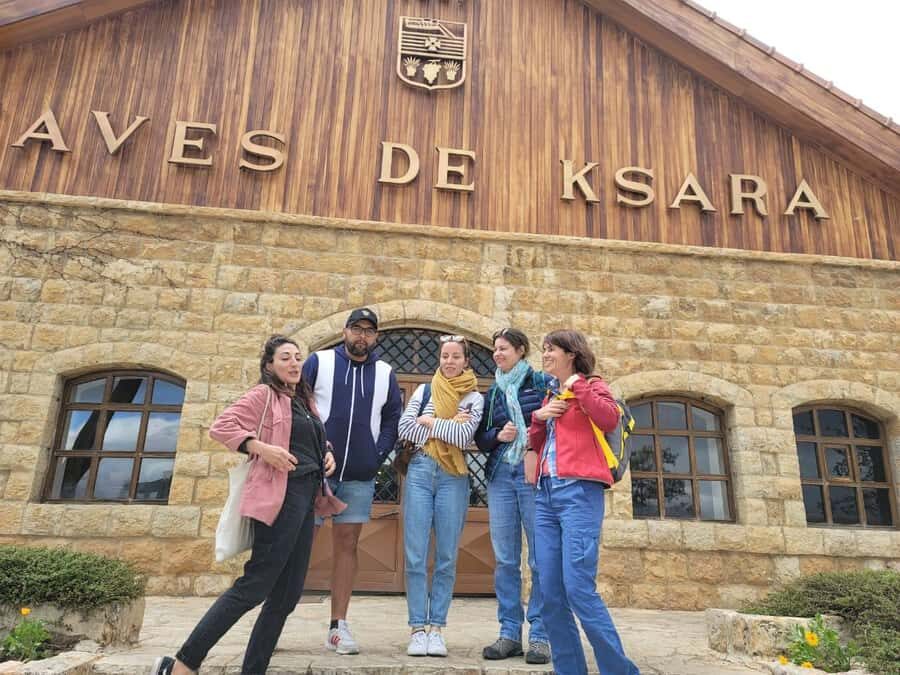
The most iconic part of the day is the Chateau Ksara Caves visit. Caves aren’t just a dramatic setting. They’re a window into how storage and aging work in a climate-controlled way, and they help explain why certain wines and styles fit certain methods.
When you’re underground, you also get a different pace. The tour guide can focus on history and process in a quieter environment, and you’ll generally understand what winemakers are chasing: stability, time, and the way flavors develop.
For you, this stop is the best match if you like learning with your senses. You’re not only reading about fermentation or aging; you’re standing in the environment where those choices matter.
Keep expectations realistic: cave visits can be physically cooler and a bit more enclosed than you’d expect. Wear something comfortable for moving around, and treat it like a guided walk with explanations, then a tasting moment that ties the story to the bottle.
Chateau Kefraya: a guided tasting across Lebanon’s wine styles
Next is Chateau Kefraya, in the West Bekaa. This stop runs about 1.5 hours for guided tour and wine tasting. That time matters because it’s long enough to get real explanations without turning into a rushed shuffle.
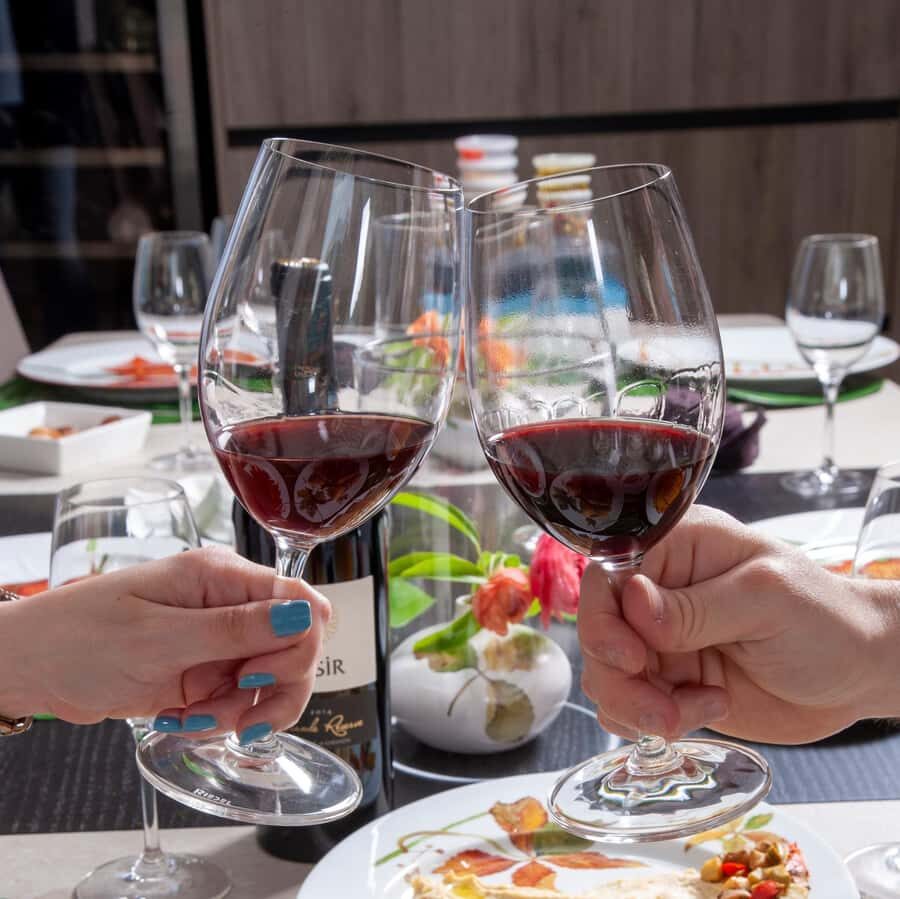
In the tasting portion, you’re set up to sample Lebanon’s red, rosé, and white wines. That variety is the point. Even within a single country, the grape choices, production approaches, and aging decisions can push wines toward very different aromas and textures. Seeing those differences in one sitting makes the explanations stick.
What I like about Kefraya as a learning stop is that it gives your palate a reference point. After Ksara, you understand the setting. After Kefraya, you understand what that setting and production choices turn into in real bottles.
Practical tip: pace yourself here. The day keeps tasting forward, and your best results come when your palate isn’t overloaded by the time you reach the later stops.
Chateau Rayak: faster pacing, focused tasting time
Chateau Rayak is next, with about 1 hour for guided tour and wine tasting. The shorter timing here changes the feel of the stop. Instead of long-form education, you get more concentrated explanations and a quicker path to sampling.
This is useful if you want variety. You’ll start noticing how each winery’s approach shows up in the wine texture and finish, even when the tasting format is similar.
Rayak is also a good moment to ask the guide practical questions like what to look for when comparing two reds from the same region. Since you’re in a guided format, you can translate what you learned in the caves into what you’re tasting in the glass.
Keep one consideration in mind: if you’re sensitive to strong flavors or you’re not a frequent wine taster, this middle stop can still hit hard. That’s not a flaw. It’s just how a structured wine day works. Slow down during tastings and take water breaks.
A few more Beirut tours and experiences worth a look
The included craft beer stop, plus arak or white milk
One of the best surprises in the highlights is that this isn’t only wine. You also get admission to a brewery and tasting focused on craft beer in Lebanon.
That matters because beer is part of how modern Lebanon drinks, and it adds a different kind of learning to the day. With wine, you’re tracking acidity, tannins, and aging. With beer, you shift to malt, hops, balance, and how carbonation changes flavor perception.
The tour description also points to additional tastings like Lebanese arak or white milk. Since those are listed as tasting highlights, they’re worth treating as part of the day’s flavor education, not just a random extra.
If you like food and drink pairings, this is the moment when your brain switches gear in a good way. It also gives you a break from wine-only tasting, which helps you stay fresh for lunch and the final winery stop.
Practical note: taste what they offer, but don’t feel pressured to “finish everything.” You’re on a scheduled itinerary; your job is to enjoy the experience and learn, not win a competition.
Lunch in the Bekaa: refuel, reset, then continue
After the Rayak stop, you get a break at a local restaurant for lunch (about 1 hour). This is important. After multiple tastings, food is what lets you reset your palate and enjoy the rest of the day.
Because lunch is at a local restaurant during the day, don’t assume it’s served on winery grounds. It’s a change of scene, and that’s usually a good thing on a tasting-focused day—you get a more normal meal rhythm.
For you, the best strategy is simple: eat what feels easiest for your stomach, sip water, and keep pace slow enough that you still enjoy the last tasting. If you’re planning to do souvenir shopping afterward (or just want to be comfortable on the ride back), staying hydrated helps.
Château St Thomas: the last guided tasting that ties the day together
The final winery stop is Château St Thomas with about 1 hour for guided tour and wine tasting. Ending here gives you something useful: a chance to compare your last impressions against everything you learned earlier.
By now, you’ve had:
- underground cave context at Ksara
- a longer tasting setup with Kefraya
- a quicker, concentrated tasting at Rayak
- a shift to beer and possible arak or white milk
So St Thomas isn’t just “another tasting.” It’s where you build your own mental map of Lebanese wine styles and winemaking choices.
Keep your focus tight in this last hour. You’ll get more out of it if you pay attention to what you taste that matches earlier stops and what feels different. Ask the guide what would be the best bottle to remember from this final location.
Then you’re back on the road to Beirut, with the day’s learning stacked into a single, manageable experience.
Price and value: is $140 a fair deal for a one-day plan?
At $140 per person, this tour isn’t “cheap,” but it’s not overpriced for what’s included. You’re getting:
- hotel pickup and drop-off in Beirut
- admission fees to the wineries
- admission fees to the brewery
- wine tasting
- Lebanese lunch included
That combination usually costs more if you piece it together yourself. The big savings are time and coordination. When you hire transport and include admissions, you’re buying convenience plus a guide who can explain what you’re actually seeing and tasting.
Where this price works best is for people who want a guided, structured day and don’t want the hassle of arranging multiple winery visits. If you already know exactly which wineries you want, you might find cheaper options. But if you want the full Bekaa experience in a single day, $140 makes sense.
Also, consider that you’re sampling multiple drinks during the day. Tastings aren’t free at most places, and the guide time has value—especially when you’re comparing styles from different wineries.
Who should book this tour (and who should skip it)
This tour is a strong fit if you:
- want to experience the Bekaa Valley’s major wine names in one day
- enjoy guided explanations more than self-guided wandering
- like structured tastings across red, rosé, and white
- are interested in Lebanese drinks beyond wine, including craft beer and possible arak or white milk
- prefer a private group with an English guide and pickup from Beirut
You might skip it if:
- you dislike tasting-heavy schedules and want lots of free time
- you prefer to choose your own pace at one winery instead of doing several stops
- you’re sensitive to alcohol and don’t want to participate in multiple sampling moments
If your goal is a relaxed wine stroll with hours to linger, you may feel rushed. But if your goal is “learn and taste the Bekaa in one organized day,” this fits well.
Should you book this Lebanese wineries tour with tastings and lunch?
I’d book it if you want a well-paced snapshot of Lebanese wine culture, starting from Beirut and ending with a full day that includes wine, craft beer, and lunch. The best part is that the day is set up as a learning path: caves, then different wineries, then a brewery, then food, then one more tasting to tie it all together.
Book it especially if you’re going once and want the highlights without planning. If you’re going to Lebanon multiple times or you already know the specific vineyard you want, you could do something more tailored. But for a first Bekaa wine day, this is a solid choice.
If you want the smoothest experience, show up with a mindset of pacing: drink water, eat lunch like it matters, and treat each tasting as a small chapter rather than a checklist.
FAQ
Where does the tour pick up and drop off?
The tour includes pickup and drop-off in Beirut.
How long is the tour?
The tour lasts one day.
Which wineries are included?
The tour visits Chateau Ksara Caves, Chateau Kefraya, Chateau Rayak, and Château St Thomas.
Is there craft beer included?
Yes. Admission fees to the brewery are included, along with beer tastings.
What tastings and drinks are part of the experience?
You’ll enjoy wine tastings, and the highlights mention Lebanese arak or white milk in addition to craft beer.
What’s included with the price?
Included are hotel pickup and drop-off, admission fees to the wineries, admission fees to the brewery, wine tasting, and Lebanese lunch.
What’s the tour language?
The live tour guide is available in English.