REVIEW · BEIRUT
Byblos, Jeita Grotto & Harissa Day Trip -With Lunch (4G on Board)
Book on Viator →Operated by Nakhal & Cie · Bookable on Viator
Three legends of Lebanon, one organized day. I love the Jeita Grotto boat ride through underground waters and the included Lebanese mezze lunch, but Byblos can feel a bit rushed if your group runs large.
This is a classic first-visit combo: a licensed guide, an air-conditioned coach, WiFi on board, and a full day built around three big-name sights. Just keep in mind that the day is packed—one short delay can tighten the timetable fast, especially at Byblos.
Jeita Grotto also has seasonal closures for maintenance (Feb 1–15), and the whole schedule depends on good weather. Check your dates, wear grippy shoes, and you’ll be set for a memorable day trip.
In This Review
- Key Points You’ll Care About
- A Beirut Day Trip That Packs Three Lebanon Standouts
- 8:30 Departure: Pickup, Coach Comfort, and How the Day Runs
- Jeita Grotto: Boat on the Underground Lake, Then the Upper Caverns Walk
- Byblos Castle and Old Souks: The 7,000-Year-Old Stop You Don’t Want to Miss
- Harissa and the Shrine of Our Lady of Lebanon: Cable Car + Big Bay Views
- Lunch in Byblos: Lebanese Mezze Value Check
- Guides, Group Size, and Getting the Most From the Commentary
- Price and What It Covers: Is $98 Actually Good Value?
- Practical Tips for Your Best Day (Not the Generic Ones)
- Should You Book This Trip From Beirut?
- FAQ
- How long is the Byblos, Jeita Grotto & Harissa day trip?
- What’s included in the lunch?
- Are entrance fees covered?
- How do the Jeita Grotto and Harissa parts work?
- Is this tour affected by weather or maintenance closures?
- What’s the cancellation window for a full refund?
Key Points You’ll Care About
- Lower Jeita is a subterranean boat ride on an underground lake, then you walk the upper caverns.
- Byblos includes Castle + old Souks, with a stop at the medieval Roman port area.
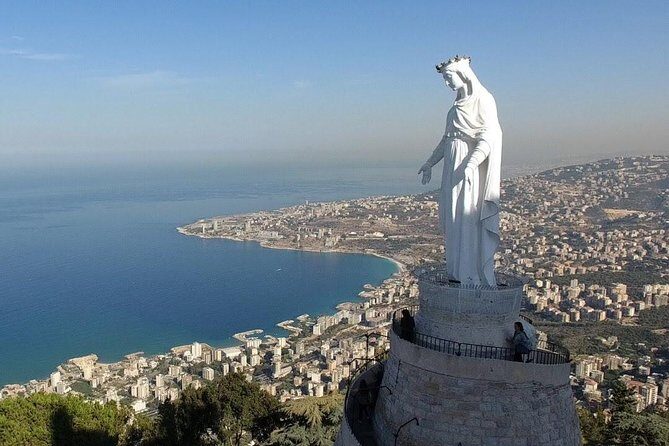
- Harissa’s Shrine comes with a cable car ride to reach the Our Lady of Lebanon complex.
- Lunch is a real set menu mezze, not just a quick snack stop.
- You get on-board WiFi and bottled water, plus air-conditioned comfort during long transfers.
- Group size and bilingual commentary can affect how much you hear, so sit where you can see the guide.
A Beirut Day Trip That Packs Three Lebanon Standouts
If you only have one day and want the highlights without the stress of driving, this route makes a lot of sense. You’re covering Jeita Grotto, the ancient layers of Byblos, and the religious landmark at Harissa in roughly a single workday.
What I like most is how each stop feels different. Jeita is about scale and geology, Byblos is about ruins and street-level time travel, and Harissa gives you a big viewpoint moment over the Bay of Jounieh.
The tradeoff is simple: you’re moving. This isn’t the kind of trip where you linger for hours. If you prefer slow travel, you may still enjoy it—but you’ll want to go in knowing it’s a “see the key sites” day.
A few more Beirut tours and experiences worth a look


8:30 Departure: Pickup, Coach Comfort, and How the Day Runs
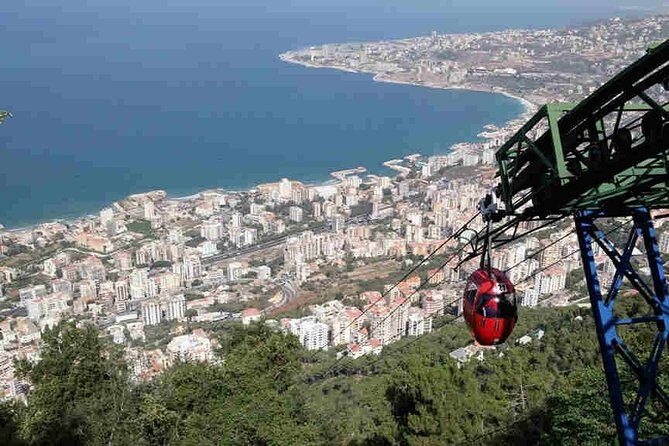
The day starts at 8:30am. You meet at Nakhal Tourism and Travel in central Beirut, and the tour includes pickup and drop-off for hotels located within Beirut City (not hostels, Airbnb, or private apartments).
You’ll travel in an air-conditioned vehicle, and there’s WiFi on board along with bottled water. That matters more than you’d think in a long day—maps, translation, and messaging eat battery fast.
One thing I’d plan around: when a tour is bilingual (English and French explanations), it can stretch the time spent talking. If you’re sensitive to that, sit close to the guide and be ready to take quick notes for what you want to remember later.
Jeita Grotto: Boat on the Underground Lake, Then the Upper Caverns Walk
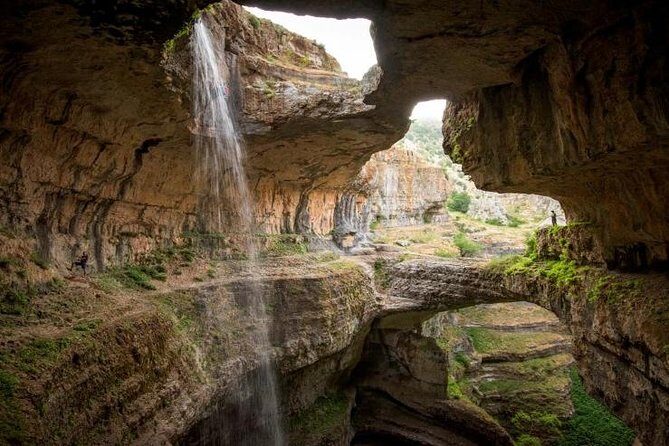
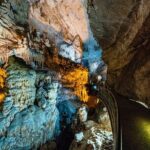
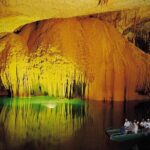
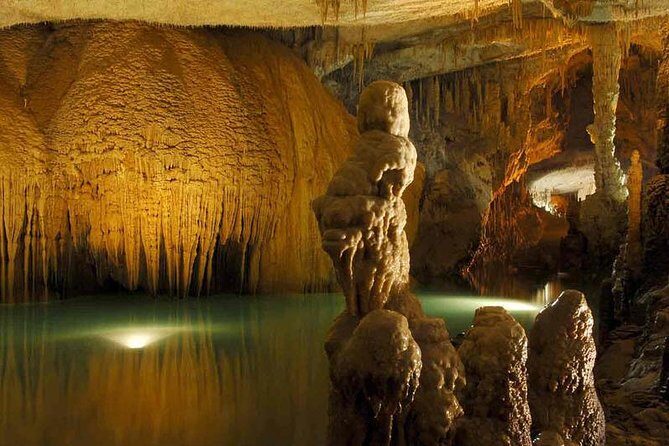
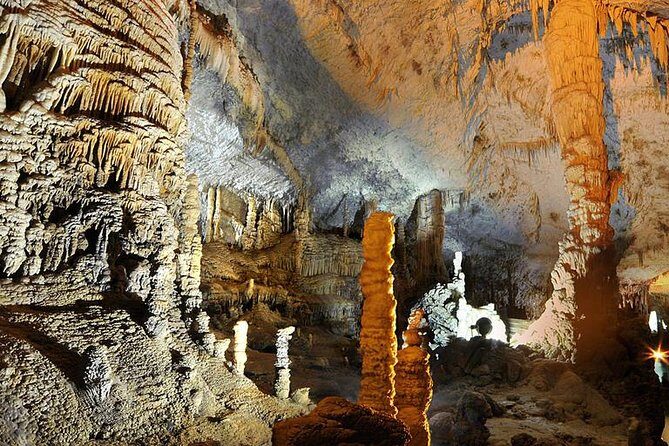
Jeita Grotto is the “wow” factor of the day, and it earns it. You’ll start with the lower cave area, where you take a boat ride on a subterranean lake. This is exactly the kind of experience that’s hard to recreate on your own, because you’re not just walking—you’re gliding through the cave system with guided access.
Then you shift to the upper caverns on foot. That walk is where you notice details: the way the passageways open up, the scale of the formations, and how the light changes as you move.
A practical note: Jeita can also be impacted by conditions. If the area isn’t operating normally (for example after bad weather), you might lose some of the lower-cavern experience and the schedule can feel different that day. Pack a light rain layer and stickier shoes, just in case.
Also remember the maintenance closure window: Feb 1 to 15 is noted as a closed period, so dates matter.
Byblos Castle and Old Souks: The 7,000-Year-Old Stop You Don’t Want to Miss
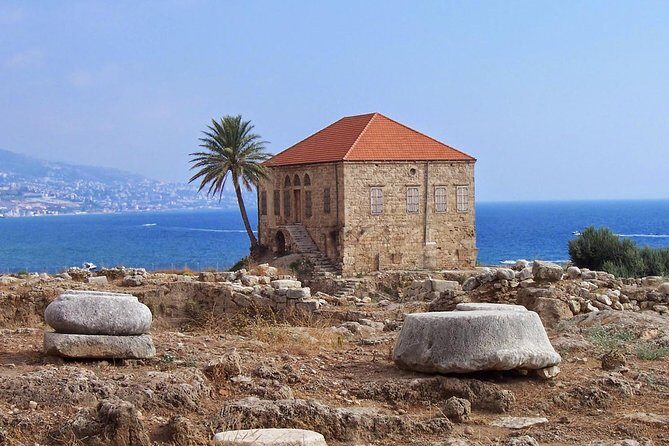
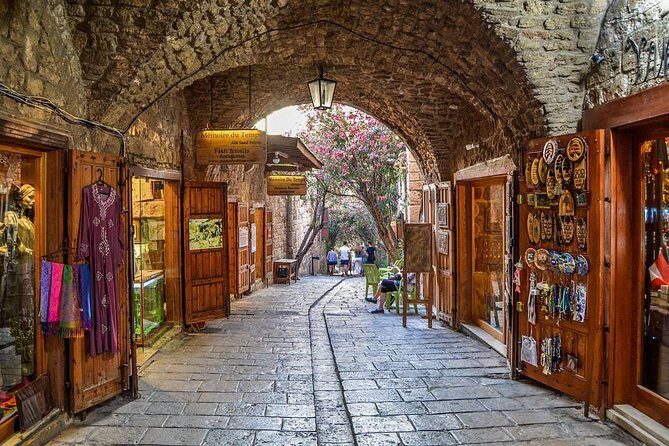
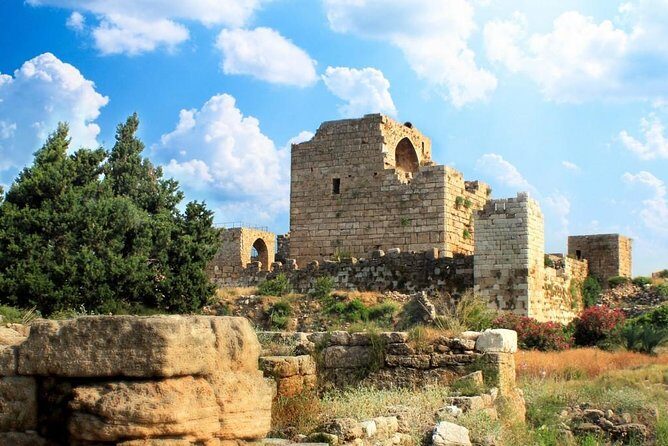
Byblos is one of those places where you feel the layers. It’s among the oldest cities in the world, with more than 24 successive civilizations and roughly 7,000 years of archaeological depth.
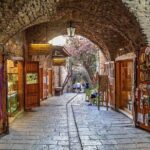
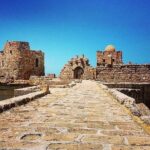
In this tour, you get the highlights without having to build your own plan. You visit Byblos Castle and the old Souks, and you also stop at the medieval Roman port area. That combination works well because it balances “big structure” views (the castle) with street-level textures (souks and port vibes).
The drawback? Timing can be tight. Some people feel rushed here, and if your group is large or explanations run long, it can shrink the time you get to wander and take photos. My advice is to ask your guide early how much free time you’ll truly have to explore on your own.
One more tip: if you’re hunting for the best photo angles, don’t wait for the last minute. Byblos is full of small sightlines, and the best light often shows up while you’re not looking.
Harissa and the Shrine of Our Lady of Lebanon: Cable Car + Big Bay Views
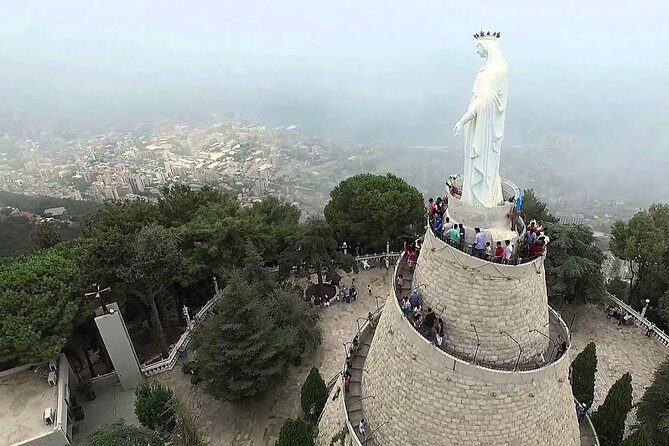
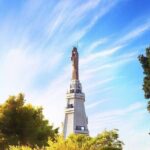
Harissa is less about ruins and more about atmosphere, faith, and viewpoint. You’ll go to the Shrine of Our Lady of Lebanon, where the visit includes one cable car (telepherique) ride.
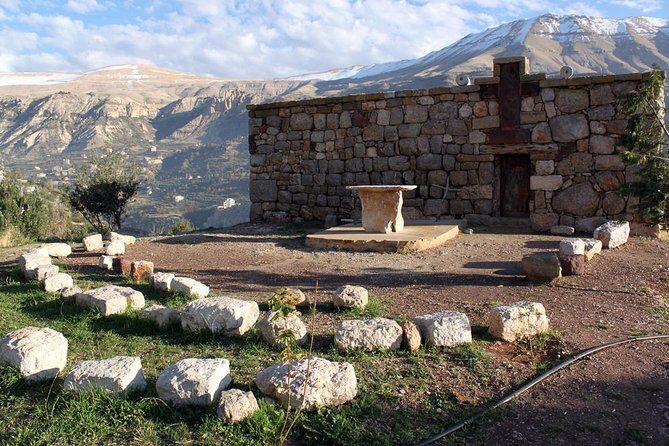
Once you’re up there, the main focus is the Virgin Mary statue complex, including the chapel area and the spiral staircase portion. Even if you’re not religious, it’s still a strong stop because it’s built for pilgrims from around the world—and it creates a calm, purposeful mood.
And then comes the best part for many first-timers: the views. From Harissa you look out over the Bay of Jounieh, and it’s the kind of panorama that makes a packed day feel worth it.
You’ll likely have time for photos. Take them, but also pause for a breath—this is one of those spots where you’ll want a slow moment between the walking and the bus.
A few more Beirut tours and experiences worth a look

Lunch in Byblos: Lebanese Mezze Value Check
Lunch is included, and it’s a big reason this tour feels good for the money. You’ll have a set menu Lebanese mezze with a main dish, plus fruits or dessert and one soft drink.
This matters because mezze isn’t just food—it’s the Lebanon “how people actually eat” experience. You’re not stuck with a single plate that doesn’t taste like the place. Instead, you get a mix that lets you sample flavors across the table.
Vegetarian options may be available, and at least one person reported that it was arranged at short notice. If you have dietary needs, say so clearly when you book or on the day with the guide—don’t assume it’s automatic.
Finally, location matters. Some lunches are set in seaside areas with a view, and even when it’s not perfect weather, that sits nicely in the middle of a long day.
Guides, Group Size, and Getting the Most From the Commentary
Your experience depends a lot on the guide’s pace and how well the group can hear. The tour is led by a licensed guide speaking English and French, and group size is capped at a maximum of 25.
That said, in real life, groups can feel bigger. One example was a larger group where hearing everything was tough. If you end up in a noisy crowd, sit nearer the front or closer to the guide so you catch the key facts without repeating questions three times.
You may meet guides such as Mia, Georgette, Lucy, or Romeo depending on your departure. Some are praised for archaeology context and clear explanations, including a moment to ask which language the group prefers. I’d do the same: tell the guide what you prefer early, and ask them to repeat any “must remember” details once the group is settled.
Also watch for time-drainers. If a personal errand causes extra stops mid-day, you can lose walking time. If you have strict priorities—like spending extra minutes at Byblos—bring that up politely at the start so the guide can help keep you on track.
Price and What It Covers: Is $98 Actually Good Value?
At $98 per person for about 8 hours, the value is strongest when you factor in what’s included: air-conditioned transport, a licensed guide for the whole day, entrance fees to the sites, lunch, bottled water, and WiFi on board.
If you tried to cobble this together yourself—tickets, guided interpretation, transit, and lunch—it would usually cost more in time and money. Jeita Grotto and Harissa both have transport and ticket components that are easier inside a guided package.
The main “cost” you should consider is flexibility. You trade some freedom for structure. If you love deep wandering and long photo stops, this price buys convenience, but it won’t buy extra hours at each site.
My take: for first-time visitors, this is a solid deal—especially because the day includes three major attractions that would otherwise be a logistical puzzle.
Practical Tips for Your Best Day (Not the Generic Ones)
Pack for standing and walking. Jeita includes a boat ride plus an upper-cavern walk, and Byblos is a mix of uneven spots and stairs.
Bring layers. Caves run cool, and the coach runs air-conditioned. A light jacket can save you from feeling “just chilly enough” for hours.
Wear shoes with grip. You’ll be moving between sites, and Jeita’s surfaces are cave-real, not museum-polished.
Ask one key question early: how long you have for independent time at Byblos. If you only have a short window, you’ll want to know where to spend it—Castle views, souks, or port-area photos.
If you care about hearing the guide, choose a seat that lets you see them. In a bilingual format, you’ll get more out of the commentary if you’re not fighting for volume.
And if you’re booking around winter: watch the Jeita maintenance closure dates.
Should You Book This Trip From Beirut?
I’d book it if you want a structured, high-impact first day with major sights in Lebanon, plus a real included meal. The Jeita boat ride is a standout, Byblos gives you ancient texture fast, and Harissa delivers a viewpoint moment that makes the long day feel justified.
Don’t book it expecting full freedom. If you’re the type who wants slow exploring and lots of time to linger, you may feel rushed at Byblos. If you’re sensitive to group noise, sit where you can hear, and plan to ask questions early.
Bottom line: for most first-time visitors in Beirut with limited time, this is a strong way to see a lot without turning your day into a transportation project.
FAQ
How long is the Byblos, Jeita Grotto & Harissa day trip?
The tour runs for about 8 hours (approx.). It starts at 8:30am and returns to the meeting point at the end of the experience.
What’s included in the lunch?
Lunch is included as a Lebanese mezze set menu. It includes a main dish, fruits or dessert, and one soft drink.
Are entrance fees covered?
Yes. Entrance fees to all mentioned sites in the program are included, along with a professional licensed English and French speaking guide.
How do the Jeita Grotto and Harissa parts work?
Jeita Grotto includes visits to both the lower and upper caves. The lower part includes a boat ride on a subterranean lake, and the upper part is visited on foot. Harissa includes the Shrine visit with one cable car ride (telepherique).
Is this tour affected by weather or maintenance closures?
Yes. The experience requires good weather. Also, Jeita Grotto is noted as closed for maintenance from Feb 1 to 15.
What’s the cancellation window for a full refund?
You can cancel up to 24 hours in advance for a full refund. If you cancel less than 24 hours before the start time, the amount paid is not refunded.