REVIEW · BEIRUT
Jeita Grotto,Harissa&Byblos Full-Day PRIVATE-CAR Trip from Beirut
Book on Viator →Operated by Lebanon Local Tour · Bookable on Viator
Morning traffic can be a drag. This private day trip turns it into a smooth, scenic circuit of Lebanon highlights: Jeita Grotto, Harissa, and Byblos. You start early, ride in comfort with a local English-speaking guide/driver, and then explore each stop at a realistic pace rather than getting rushed through photo stops.
What I really like is the door-to-door setup. My favorite part is the way you get explanation at each site, then you have time to wander on your own instead of following a rigid script. I also love that the plan is compact but not frantic, so you can actually enjoy the caves and the old-city streets without feeling like you’re sprinting between them.
One thing to consider: it’s a private transfer with guiding elements, not a full-on lecture in every moment. And entrance fees for some stops are extra, so check what you’ll need to budget before you go—especially for Jeita Grotto.
In This Review
- The Big Picture: A Private Circuit of Lebanon’s Best in One Day
- What Makes It Worth the Money (and Where You’ll Spend Extra)
- Comfort Through Beirut Traffic: Door-to-Door Pickup That Actually Helps
- Jeita Grotto: How to Plan Your Time in Lebanon’s Famous Caves
- Harissa Shrine and the Giant Our Lady Statue: Panoramas You Can Feel
- Telefrique Harissa: Cable Car Time, Plus a Good Backup Plan
- Byblos Port Walk: Where Ancient History Meets Real Street Life
- Byblos Castle (Crusader) and Phoenician Ruins: What You Should Know Before You Decide
- Old Souk Time: Souvenirs, Antiques, and a Slower Pace
- Lunch in Byblos: Plan for It to Be Part of the Experience
- The Guides Make the Difference: Harake, Ali, Ziad, and the Human Touch
- Logistics That Matter: Timing, Shoes, and Weather Reality
- Is This Trip for You? Best-Fit Travelers in Plain Terms
- Should You Book This Jeita Grotto, Harissa, and Byblos Private-Car Day?
- FAQ
- What is included in this Jeita Grotto, Harissa & Byblos private-car trip?
- How long does the full-day tour take?
- Are entrance fees included for Jeita Grotto and the other sites?
- How much time do I get at Jeita Grotto?
- Do I ride the cable car in Harissa?
- Is Byblos Castle entry optional?
- Is lunch included?
- What happens if weather is bad?
- What is the cancellation refund window?
The Big Picture: A Private Circuit of Lebanon’s Best in One Day
This trip strings together three very different Lebanon experiences into one day. First comes a natural wonder underground. Then you hit the iconic Harissa viewpoint and statue. Finally, you land in Byblos, one of the oldest continuously inhabited cities in the world, where the walking feels like stepping through layers of Phoenician, Crusader, and marketplace life.
Because you’re in a private car, you’re not battling buses, sharing transfers, or losing time to endless pickup delays. Instead, your schedule works like a well-run personal itinerary: pickup at 08:30, several dedicated exploration windows, and a return to Beirut after lunch.
The overall timing is built around being able to enjoy each area. Typical stop windows are about 1 to 1.5 hours at most major points, plus extra time for walking in Byblos’s port and souk area.
What Makes It Worth the Money (and Where You’ll Spend Extra)
At $75 per person, this is priced like a practical “I want to see a lot without stress” option. The core value is the private driver/English-speaking guide service plus hotel pickup and drop-off, which matters in Beirut where traffic can eat your day.
What you should factor in: entrance fees are not included. Jeita Grotto has an admission fee, and the Harissa/Byblos areas can also add costs depending on what you choose to enter. The Byblos port and old souk walking areas are free, but Byblos Castle entry is optional and likely costs extra. Lunch fees are also on you.
If you want a day that’s mostly paid-for logistics plus your own wandering time, this is a solid deal. If you’re hoping for everything-included pricing with no cash surprises, you’ll need to plan for admissions.
You can also read our reviews of more private tours in Beirut


Comfort Through Beirut Traffic: Door-to-Door Pickup That Actually Helps
Beirut traffic is real. The difference here is that you’re not figuring out routes, hiring multiple rides, or dealing with timing gaps between stops.
Pickup is designed to start you cleanly, with a 08:30 morning departure from your hotel area. Several guides/driver teams have been praised for being on time and communicating clearly, which sounds small until you’ve had a day trip start with uncertainty.
Also, you’ll appreciate the driving skill when the route climbs toward Harissa. Your driver handles the mountain roads and waiting time for the next segment so you can focus on sights instead of navigation.
Jeita Grotto: How to Plan Your Time in Lebanon’s Famous Caves
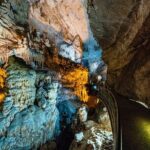
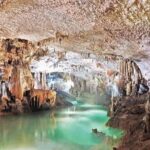
Jeita Grotto is the headline natural attraction on this route. You get about 1.15 hours to explore, and it’s not just one cave. It’s a connected system of two separate but linked karst limestone caves, spanning nearly 10 kilometers overall.
Here’s what to expect from the experience:
- You’ll move through cave passages with a mix of natural formations and prepared viewing routes.
- The experience is structured enough that you can enjoy it without needing to constantly check directions.
- Your time window is long enough to see the major sections without feeling like you have to rush to beat the group.
Why the timing works: with only a short day in Lebanon, caves can be easy to under-plan. This tour gives you enough time to actually react to what you’re seeing, not just pass through.
What to watch for: wear comfortable lightweight clothing and bring shoes that won’t fight the walkway. If you don’t love tight schedules, use that first visit to slow down—this is the stop where you’ll want your camera ready.
Harissa Shrine and the Giant Our Lady Statue: Panoramas You Can Feel
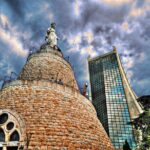
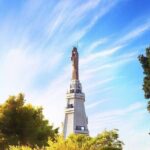
After the cave, the tour heads to Harissa for the Shrine of Our Lady of Lebanon, known for the giant Virgin Mary statue on the mountain. You get about 1 hour at this stop, which includes time to take in the monument area and the views.
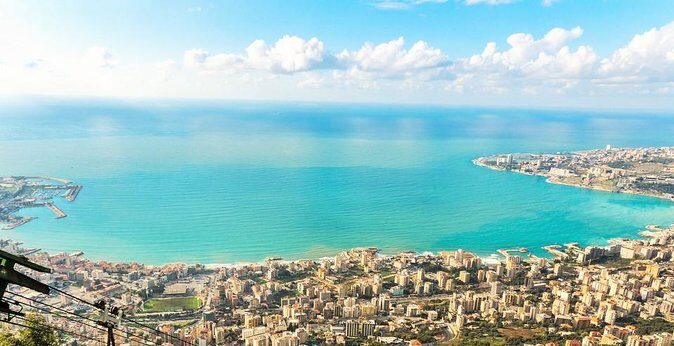
The big draw here is elevation. You’ll get panoramic sights over the Jounieh Bay and surrounding scenery. It’s one of those places where the viewpoint makes the monument feel bigger, and where photos come out better than you expect.
A practical tip: plan on spending some time just looking. Don’t rush into photos immediately. Give yourself a few minutes to orient yourself to the coastline and town patterns—this makes the view feel meaningful rather than just scenic.
Telefrique Harissa: Cable Car Time, Plus a Good Backup Plan
From Harissa, you’ll go to Jounieh using the Telefrique Harrisa. The schedule gives about 1 hour for this stage, and it’s designed to keep the day moving smoothly.
Two scenarios are built into the plan:
- If the cable car is operating, you ride it.
- If it’s closed, you continue by car instead.
That backup matters. When cable cars are shut down, some tours cancel the whole experience or lose hours waiting. Here, you’re less likely to get derailed.
What I like about this setup: you still get the change in scenery and the time buffer to reach Byblos without the day feeling broken.
A few more Beirut tours and experiences worth a look

Byblos Port Walk: Where Ancient History Meets Real Street Life
Byblos is where the day shifts from nature and viewpoints to walking in a layered historic town. You start at the port area and spend about 1 hour along the marina side, heading toward the castle zone and souk.
This is one of the most satisfying parts of the tour if you like moving at your own speed. The area gives you a natural flow:
- you can wander along the waterfront vibe
- you can drift toward ruins and the castle area
- you can then pivot into town where shops and small streets pull you along
You’ll also get a sense of age. Byblos is famous for being one of the world’s oldest continuously inhabited cities, and you can feel it in the way the streets and structures overlap.
A small planning note: since this part is free to enter around the walking zones, it’s a great place to take your time if you’re ahead of schedule—or to squeeze in extra souvenirs if you’re being pulled along by friends.
Byblos Castle (Crusader) and Phoenician Ruins: What You Should Know Before You Decide
Next is Byblos Castle, adjacent to Phoenician archaeological remains. Entry is optional, with about 45 minutes allocated.
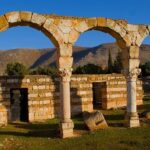
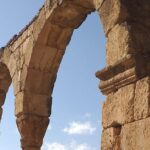
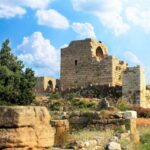
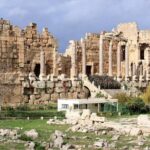
If you choose to go in, you’re looking at the Crusader castle area historically tied to the castle of Gibelet. Nearby are significant Phoenician ruins, including the Temple of Baalat Gebal and the Temple of the Obelisks.
This is a smart stop for people who enjoy history but don’t want to spend hours reading museum labels. You get enough time to see the major elements, and your guide’s site explanations help connect the dots.
The trade-off: 45 minutes can feel short if you want to stop constantly. If you’re more into photos and street scenes, you might prefer to spend slightly less time in the castle and more time walking the souk.
Old Souk Time: Souvenirs, Antiques, and a Slower Pace
After the castle area, you’ll move into the old souk for about 45 minutes. This is a marketplace zone where you can shop for antiques, souvenirs, local crafts, and other items.
Why this is worth it even if you’re not a heavy shopper: the souk is where you see the everyday rhythm of Byblos. You can browse without committing to anything, and it adds a human layer to a day that started underground and moved up into the mountains.
Practical advice: bring small bills and be ready for price haggling. Even if you don’t haggle, it helps to know you’re shopping in a market mindset rather than a fixed-price mall.
Lunch in Byblos: Plan for It to Be Part of the Experience
Lunch is not included, but you do get about 1.5 hours for a traditional Mediterranean Lebanese meal. The schedule is built so you can eat without feeling you’ll be late for the return.
This is a good time to slow down. Byblos can be intense visually, and a proper meal helps you reset before the drive back to Beirut.
If you have dietary needs, this is the moment to ask for what you need. The day’s flow depends on lunch timing, so communicate preferences early rather than when the meal arrives.
The Guides Make the Difference: Harake, Ali, Ziad, and the Human Touch
Private trips live or die by the person driving and explaining. In this case, the experience is often praised for guide quality and practical hospitality.
Names that came up in positive feedback include Harake and Ali, both described as friendly, professional, and able to explain the history behind sites clearly. Ziad also appears in feedback as a patient, kind guide who took time for photos and helped visitors learn more about Lebanon’s culture and people.
Another useful detail: some guides showed flexibility. One group noted extra patience during rain, with the driver asking them to wait in the car until conditions improved. Others mention being flexible with small stops for food or ice cream, which sounds minor but can turn a tight schedule into a day that feels comfortable.
There are also cases where a guide’s English level may be less strong than expected, so if communication is critical for you, I suggest confirming what language support you’ll have when booking.
Logistics That Matter: Timing, Shoes, and Weather Reality
This is a good all-weather plan in the sense that it follows a tight route, but it’s not immune to conditions. The experience requires good weather, and the operator can offer another date or a full refund if poor weather cancels the trip.
For you, the most important preparation points are simple:
- Wear good walking shoes or sneakers. Byblos involves real walking.
- Bring light layers. Cave areas can feel cooler, and weather changes happen fast.
- Keep clothing comfortable for both cave walkways and outdoor viewing points.
Also remember the day is long enough that you’ll want a rhythm. If you tend to get tired easily, prioritize Jeita Grotto as your “slow and enjoy” stop, then keep the rest moving steadily.
Is This Trip for You? Best-Fit Travelers in Plain Terms
This day trip is a great match if you:
- want major highlights without renting a car or figuring out routes
- like a mix of natural wonder, a landmark viewpoint, and an old-city walk
- prefer a private experience where the driver can respond to your pace
It’s especially good for first-time Lebanon visitors who want a structured day but still want to wander inside time windows. It also makes sense for people with limited time in Beirut, because the plan is built to cover all three areas in one go.
If you want maximum depth like a full guided museum-style tour at every stop, you might find it more useful to come in with a few questions and use your guide explanations as the anchor, then explore the rest on your own.
Should You Book This Jeita Grotto, Harissa, and Byblos Private-Car Day?
Book it if you want a smooth, no-drama day that hits the biggest sights: Jeita Grotto, the Harissa statue and viewpoint, and Byblos’s port, castle area, and old souk. The private door-to-door transfers are the secret sauce, and the time windows give you enough freedom to enjoy what you’re seeing instead of just checking boxes.
Skip or rethink if you’re trying to avoid entrance fees and extra spending completely, since tickets for major attractions aren’t included. Also reconsider if you expect a highly scripted, fully narrated guided tour minute-by-minute at every stop.
If you’re flexible, good with walking, and you want the comfort of a private driver handling the routes, this is a strong value day trip from Beirut.
FAQ
What is included in this Jeita Grotto, Harissa & Byblos private-car trip?
The trip includes hotel pickup and drop-off, a private tour for your group, and an experienced English-speaking local leader/guide with brief explanations about each site. It also includes door-to-door private transfers.
How long does the full-day tour take?
It runs about 8 to 9 hours, with pickup starting at 08:30am.
Are entrance fees included for Jeita Grotto and the other sites?
Entrance tickets are not included and are at your own expense. Some areas in Byblos are free to walk, but you may still pay for optional entries like the castle.
How much time do I get at Jeita Grotto?
You get about 1.15 hours to explore Jeita Grotto.
Do I ride the cable car in Harissa?
The plan includes the Telefrique Harrisa. If the cable car is closed, you continue by car instead.
Is Byblos Castle entry optional?
Yes. There is an option to enter the Crusader castle in Byblos, and it has its own admission cost.
Is lunch included?
Lunch fees are not included. You’ll have time to have a traditional Lebanese meal.
What happens if weather is bad?
This experience requires good weather. If it’s canceled due to poor weather, you’ll be offered a different date or a full refund.
What is the cancellation refund window?
You can cancel for free up to 24 hours in advance for a full refund. If you cancel less than 24 hours before the start time, the amount paid is not refunded.