REVIEW · BEIRUT
Private Trip to Qadisha Valley, Bcharri and Cedars of God
Book on Viator →Operated by Lebanon Tours & travels · Bookable on Viator
Monasteries cling to Lebanon’s mountainside. This private full-day trip strings together Qadisha Valley caves, Cedars of God forest, and the life of Kahlil Gibran. It’s a mountain drive day that feels like you stepped off the main road and into the layers of Lebanon.
I especially like two things: the way the day pairs spiritual sites carved into rock with the big, breathing pause of cedar forest views. And I like the human touch a good guide brings—names you might get include Albert, Hassan, Natasha, and Kasem, all described as attentive, friendly, and ready with context.
One possible drawback: you’ll move at a brisk pace. Some stops are short (for example, 10 minutes in Qadisha Valley and 30 minutes in Bcharre), and lunch isn’t included, so you’ll want a plan for food while you’re out in the mountains.
In This Review
- Key things that make this trip worth your time
- A morning start in Beirut: pickup, timing, and value at $75
- Mseilha Fort: a quick history stop above the Nahr el-Jawz route
- Qadisha Valley monasteries: caves, terraces, and Christianity’s early footprint
- Bcharre: cedar-town churches, skiing history, and the Gibran origin story
- The Kahlil Gibran Museum: Mar Sarkis monastery, 440 works, and studio artifacts
- Cedars of God forest: 375 trees, Bible references, and the Lebanese flag symbol
- Deir Qozhaya monastery: Saint Anthony the Great at 950 meters
- How the day flows: pacing, what you’ll remember, and the main tradeoffs
- Practical tips to make it smooth (and actually fun)
- Should you book the Qadisha Valley, Bcharre, and Cedars of God private trip?
- FAQ
- What time does the tour start?
- How long is the tour?
- Is hotel pickup and drop-off included?
- Is lunch included?
- Are the attractions free?
- Is it really private?
Key things that make this trip worth your time
- Front-door hotel pickup and drop-off from Beirut, so you’re not wrestling with schedules or taxis
- Real mountain stops with church-town history in Bcharre and prayer heritage in Qadisha Valley
- Gibran Museum details: originally the Monastery of Mar Sarkis, with 440 original artworks and studio items
- Cedars of God forest scale: 375 trees, tied to Bible references and the cedar symbol on Lebanon’s flag
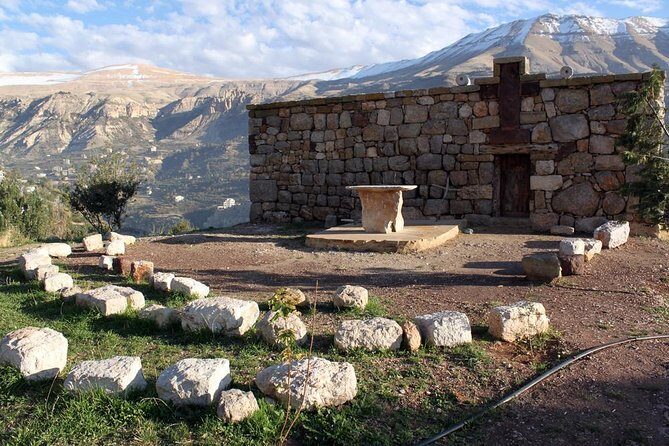
- Deir Qozhaya at altitude: the Saint Anthony the Great monastery around 950 meters, with valley scenery and ancient remnants
A morning start in Beirut: pickup, timing, and value at $75
This tour is set up as a full-day private outing, starting around 8:30am and running roughly 8 hours. The big practical win is hotel pickup and drop-off, plus an air-conditioned vehicle and a professional guide. You’re paying for a complete day of transport plus interpretation, not just a ride.
At $75 per person, the value comes from what’s bundled. You’re getting four major stops tied to Lebanon’s cultural identity (monasteries, Gibran, cedars) and on-the-ground guidance. Lunch isn’t included, but most of the admissions on the route are free—so the day isn’t quietly padded with extra fees.
If you’re traveling as a small group, the “only your group participates” private setup also helps. It tends to mean fewer time-wasters and more flexibility with pace, as long as you keep the schedule in mind.
You can also read our reviews of more private tours in Beirut
Mseilha Fort: a quick history stop above the Nahr el-Jawz route
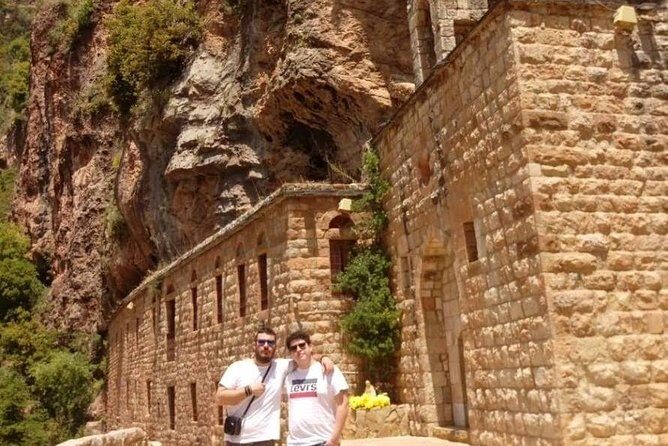
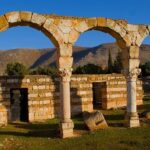
Before you dive into the monastery-heavy part of the day, you’ll make a stop at Mseilha Fort. This fortification dates to the 17th century and was built by Emir Fakhreddine II to guard the route from Tripoli to Beirut.
What I like about this stop is how specific it is. The fort sits on a long, narrow limestone rock near the Nahr el-Jawz River, with walls built from small sandstone blocks quarried from the nearby coast. It’s not just a viewpoint; it’s an example of how geography shaped defense in northern Lebanon.
Even if you only spend a short stretch here, it gives you a helpful frame for the rest of the day: rugged terrain, strategic valleys, and human history built right into the stone.
Qadisha Valley monasteries: caves, terraces, and Christianity’s early footprint
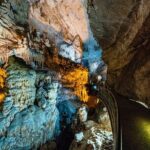
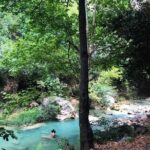
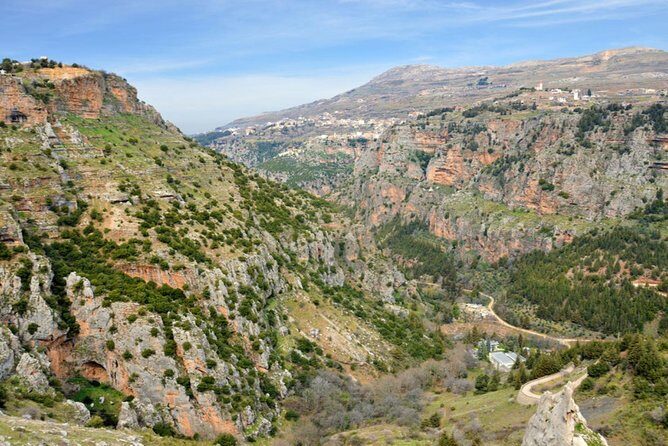
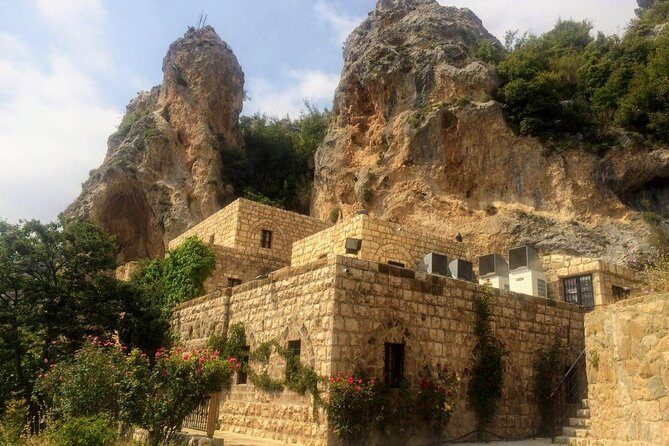
Qadisha Valley is the spiritual center of the trip. It’s described as one of the most important settlement sites of the first Christian monasteries in the world, set in an exceptionally rugged area where monasteries appear to cling to the rock.
The key detail to know before you go: Qadisha Valley isn’t a single building. It’s a whole system of caves, monasteries, and cultivated terraces linked to early phases of Christianity. That makes the valley feel less like a museum stop and more like a living record of how people lived, prayed, and farmed on mountain slopes.
One more thing that helps you enjoy it: your time here is about 10 minutes. That’s enough for a focused look and photos, especially with a guide pointing out what you’re actually seeing. But it also means you won’t get a long, slow exploration. If you want maximum lingering, this is the kind of place where a longer visit would be ideal.
Admission here is free, so you’re not losing anything by keeping it brisk. The tradeoff is simply that the day is packed.
Bcharre: cedar-town churches, skiing history, and the Gibran origin story
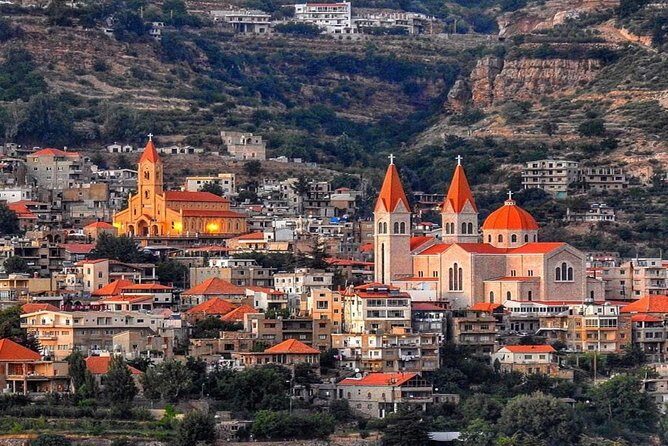
Then you roll into Bcharre, a town where Lebanon’s religious architecture and its creative legacy sit side by side.
Bcharre is often called the city of churches, and it’s said to house around 37 churches. That alone makes the place different from a typical scenic stop. Even if you’re not trying to visit every church, you’ll feel how central faith has been here.
But Bcharre also carries two other strong pulls:
- It’s the town associated with the preserved original Cedars of God, which is why people visit here as the gateway to the cedar forest.
- It’s Khalil Gibran’s birthplace, and the town honors him with a museum.
There’s also a fun practical detail if you’re traveling in winter or shoulder seasons: Bcharre has Lebanon’s oldest skiing area, Cedars Ski Resort, and it’s home to Lebanon’s first ski lift, built in 1953. That adds an unexpected layer—cedars, yes, but also a mountain sports past.
Your time in Bcharre is about 30 minutes, and admission is free for the town stop. With only half an hour, I treat Bcharre like a quick orientation. You want to see the main vibe and then move on to the more content-heavy stop: the museum and the cedars.
The Kahlil Gibran Museum: Mar Sarkis monastery, 440 works, and studio artifacts
If Bcharre is the origin story, the Gibran Museum is the deep breath.
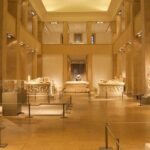
The museum was formerly the Monastery of Mar Sarkis. That matters because it keeps the setting tied to religious and historical architecture. You’re not viewing Gibran in a generic building; the setting itself carries meaning.
Inside, the museum is dedicated to Lebanese writer, philosopher, and artist Kahlil Gibran. The collection includes:
- 440 original paintings and drawings
- Gibran’s tomb
- His furniture and studio belongings from when he lived in New York City
- Private manuscripts
Your scheduled time here is around 30 minutes, and admission is not included in the tour price. That’s the one paid admission moment on the itinerary.
Is 30 minutes enough? It depends on your art appetite. If you like to read and compare details, you might want more time. But with a guide’s context, it can still be satisfying—especially if you walk out with a clearer sense of what shaped his work.
If you’re visiting mainly for atmosphere and scenery, you’ll still enjoy it. Just don’t expect a slow, full museum day.

Cedars of God forest: 375 trees, Bible references, and the Lebanese flag symbol
Now for the stop people come for: the Cedars of God forest.
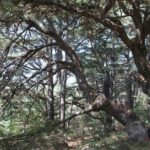
This site is described as having 375 trees and being the last remains of ancient forests where the cedar tree still grows. In other words, this isn’t just a planted park. It’s a surviving reminder of something larger that once existed.
The cedars carry cultural weight in multiple directions:
- They were prized in ancient times as valuable construction materials for major religious buildings
- They’re cited 103 times in the Bible
- The cedar is a symbol of Lebanon and features on the Lebanese flag
Your time here is about 45 minutes, and admission is free. That time is a sweet spot. You get enough to walk a bit, take photos from different angles, and let the “big tree” feeling land.
Also, be ready for weather surprises. One recent experience mentioned snow still on the ground at the cedars. Even if you’re traveling in warmer months, treat this area like a mountain site: bring layers.
Deir Qozhaya monastery: Saint Anthony the Great at 950 meters
The final major spiritual stop is the Deir Qozhaya monastery—also known as the Monastery of Saint Anthony the Great.
It’s located at about 950 meters above sea level, in the Valley of Qozhaya. The hills around it are covered with pine and oak trees, and the valley includes fruit trees of many kinds. Then the story widens: the valley extends into Valley of Qannubin to form the wider Qadisha Valley system.
You also get a strong historical arc here. Historians and scholars suppose the monastery was first built and occupied by hermits at the beginning of the 4th century. It faced cycles of upheaval—looted, set on fire, and razed to the ground—yet vestiges are said to remain dating to the 7th century.
Your time here is about 30 minutes, and admission is free. That’s enough for a meaningful look and to understand why this spot mattered for eremitic life and the pursuit of holiness in Lebanon.
Because it sits at altitude, it can feel cooler than Beirut, and the light can shift fast. I recommend dressing like you’re going up a hill, not staying in the city.
How the day flows: pacing, what you’ll remember, and the main tradeoffs
This tour is built as a “mountains + meaning” day. You start with a fortification stop, then move into monastery country, then shift into Gibran and cedar symbolism, then end with another mountain monastery at altitude.
What you’ll likely remember most is contrast:
- Rock-cut religious sites in Qadisha Valley
- A church-dense mountain town in Bcharre
- The cedar forest’s scale and the way it connects to faith and national identity
- The view and atmosphere around Deir Qozhaya
The main tradeoff is time. With short blocks at several stops, you won’t do a deep study of any single site. Instead, you get a well-rounded “greatest hits” map of the region with a guide helping you connect the dots.
Also note the missing piece: lunch isn’t included. That can be totally fine if you plan ahead, but it’s one of the reasons this trip is best for travelers who don’t need a long sit-down meal mid-route.
Practical tips to make it smooth (and actually fun)
A few practical moves will make this day feel easier and more enjoyable:
- Wear shoes with grip. Many of these areas are tied to stone settings and mountain pathways.
- Bring layers. Cedars and monasteries at higher elevation can feel cold, and snow can show up in season.
- Plan food before you start or carry a simple snack. Since lunch isn’t included, you’ll want something ready if hunger hits between stops.
- Expect varied admission rules. Qadisha Valley, Bcharre, the Cedars, and Deir Qozhaya are listed as free admissions. The Gibran Museum is where you should expect an extra ticket cost since it’s not included.
On the people side, if you care about guide personality as much as facts, you’ll be in good shape. Names associated with this operator include Albert (punctual, with history and humour), Hassan (laid-back and comfortable pace), Natasha (attentive, caring, and detailed), and Kasem (kind and knowledgeable in a way that keeps the day easy). You can use that as a guide for what kind of experience you’re aiming for.
Should you book the Qadisha Valley, Bcharre, and Cedars of God private trip?
I’d book this if you want one strong day that covers Lebanon’s mountain Christian heritage and its cedar identity without trying to stitch together multiple independent trips. The private setup, hotel pickup/drop-off, and air-conditioned transport make it low-stress, especially if you’re short on time in Beirut.
Book it with caution only if:
- You need a long, slow visit at one site (this schedule is designed for breadth)
- You want lunch handled for you (it isn’t included)
- You’re visiting mainly for a museum-heavy day (the Gibran Museum gets about 30 minutes)
If your goal is a memorable “big picture” day—rock monasteries, Gibran’s creative world, and the cedar forest that ties into Bible and nationhood—this is a solid choice.
FAQ
What time does the tour start?
The tour starts at 8:30am.
How long is the tour?
The duration is about 8 hours.
Is hotel pickup and drop-off included?
Yes. Hotel pickup and drop-off from Beirut are included.
Is lunch included?
No. Lunch isn’t included.
Are the attractions free?
Most stops are listed as free admission. The Gibran Museum admission is not included.
Is it really private?
Yes. It’s a private tour, so only your group participates.