REVIEW · BEIRUT
Cedars of Lebanon, Qozhaya, & Bcharre – With Lunch (4G on Board)
Book on Viator →Operated by Nakhal & Cie · Bookable on Viator
A day trip like this is a fast track to old Lebanon. You’ll go from the UNESCO-listed Qadisha Valley to the Cedars of Lebanon, with stops tied to faith, art, and national symbolism—all in one air-conditioned ride. I especially like the way the route pairs big sights with real places to slow down, and the included lunch keeps the day from feeling like a bus-and-photos marathon. One thing to consider: it’s a long day in the coach, and the cedar visit is mostly a short walk rather than a huge “park tour,” so pace expectations matter.
I like that this isn’t just driving past famous names. You get guided time in Bsharri and the Gibran Museum, then a focused visit to Kozhaya’s monastery complex—plus admission fees and a sit-down Lebanese mezze lunch. With pickup in Beirut hotels and WiFi on board, the logistics are straightforward, even if your day starts early.
The quality often hinges on your guide. I’ve seen praise for guides such as Elie, Lucie, and Suzanna for being informative and getting people set up for photos, but like any group tour, the experience can feel more or less personal depending on the guide style and group energy.
In This Review
- Quick hits before you go
- Why this Beirut-to-the-North route is worth your time
- Qadisha Valley: the Holy Valley where faith meets rock
- A practical note on pacing
- Bsharri: Gibran’s birthplace and the art of seeing a place
- Museum time: how to get more out of it
- Kozhaya’s Deir Qozhaya: St. Anthony and the mountain silence
- How long is enough here?
- The Cedars of Lebanon: symbolic trees and a short cedar walk
- What to expect in “cedar time”
- Best attitude for this stop
- Lunch in the mountains: included Lebanese mezze, no guessing
- If you have dietary needs
- Pickup, coach ride, and what the timing really means
- Group size: small enough for guidance, not small enough for privacy
- Value check: is $95 a fair deal for this day?
- The trade-off
- What I’d pack and how I’d approach it
- Should you book this tour?
- FAQ
- How long is the tour?
- What time does the tour start?
- Is hotel pickup included?
- What languages are spoken by the guide?
- Is lunch included, and what is it?
- Are entrance fees included?
- How much walking is involved?
- Is there WiFi and air-conditioning on the coach?
- What happens if the weather is bad?
Quick hits before you go
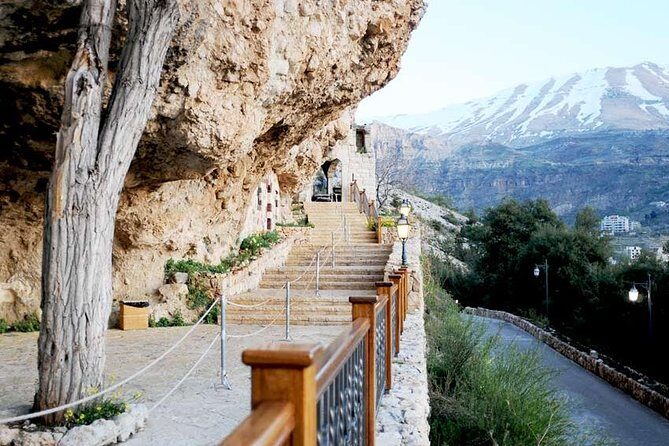
- UNESCO Qadisha Valley on foot: early Christian monastery caves and rock churches in a place locals still treat as spiritually serious
- Bsharri + Khalil Gibran’s world: museum time plus church-and-monastery sightseeing around the poet’s birthplace
- Deir Qozhaya (St. Anthony) with mountain views: a monastery visit that rewards your camera as much as your curiosity
- Cedars of God photo stops and souvenir souks: quick cedar grove walking with room to browse locally
- Lunch is built in: Lebanese mezze plus a main and fruit or dessert, so you’re not hunting mid-day
- Coach comfort matters: air-conditioned vehicle and WiFi, with a maximum group size of 25
Why this Beirut-to-the-North route is worth your time
This tour works because it strings together three different kinds of “Lebanon experience,” not three copies of the same viewpoint. You start in the Qadisha Valley, where the setting itself explains why early Christians built monasteries where they did. Then you shift to Bsharri, tied to Khalil Gibran, where the culture is personal rather than purely religious. Finally, you end with the cedars, where the symbolism is national and biblical at the same time.
In practice, that variety is what keeps the day from feeling like one long checklist. If you like meaning—faith, art, identity—this route fits nicely. If you’re hoping for endless time outdoors, just know that most stops are intentionally time-managed so you can cover the big regions without losing the full-day feel.
A few more Beirut tours and experiences worth a look

Qadisha Valley: the Holy Valley where faith meets rock
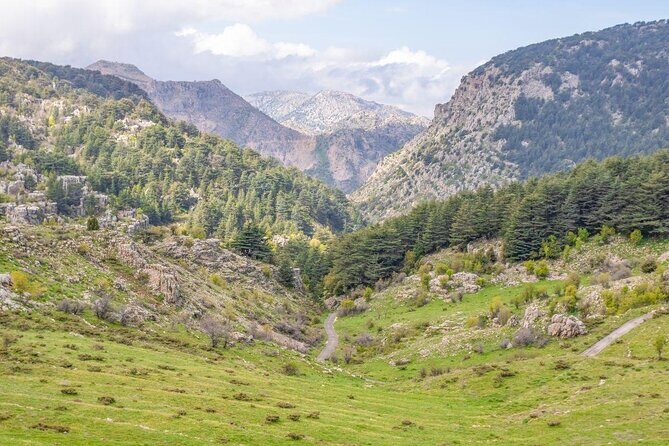
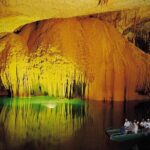
The first major stop is the Qadisha Valley, often called the Holy Valley, famous for some of the earliest Christian monasteries and churches in the region. You’re not just looking at buildings from a distance. You’re in a valley framed by cliffs and old stone work, where monastery sites and caves were used as refuges. That “refuge” idea matters because it’s not the kind of monument you can understand in a photo.
A guide’s explanation is a big part of why this stop lands. The valley’s story is about survival, religion, and geography all at once: where people could hide, pray, and build communities in difficult terrain. If you’re the type who likes to know what you’re looking at—why a cave matters, why a church location makes sense—you’ll likely appreciate the guided framing here.
A practical note on pacing
Plan for steady walking, but it’s described as a leisurely town walk and focused sightseeing rather than a hike. Still, you should bring comfortable shoes. Even “light walking” in mountain weather can feel longer than you expect, especially if you’re paired with a group that moves at a slightly different pace.
Bsharri: Gibran’s birthplace and the art of seeing a place
After the valley stop, the day shifts to Bsharri, a town tied to Khalil Gibran, the Lebanese poet and artist. This is where the tour turns from spiritual geography into human culture. You’ll take a walking tour around the area and visit the Gibran Museum, which covers his art and thoughts.
What makes this section valuable is the combination of museum time and place-based context. The museum gives you the ideas, but the churches and monasteries around town put those ideas back into the landscape of his hometown. You also get a chance to see how Bsharri looks and feels beyond a single indoor exhibit.
Museum time: how to get more out of it
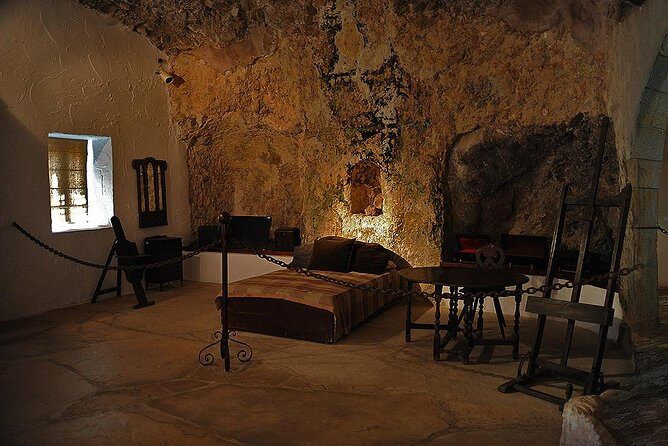
You’re scheduled for about an hour at the Gibran Museum. That’s enough time to see the main collections, but it’s not long enough to read every label in depth. If you want maximum impact, pick one theme before you go—life, faith, art, or identity—and let the rest of the exhibits support it.

Kozhaya’s Deir Qozhaya: St. Anthony and the mountain silence
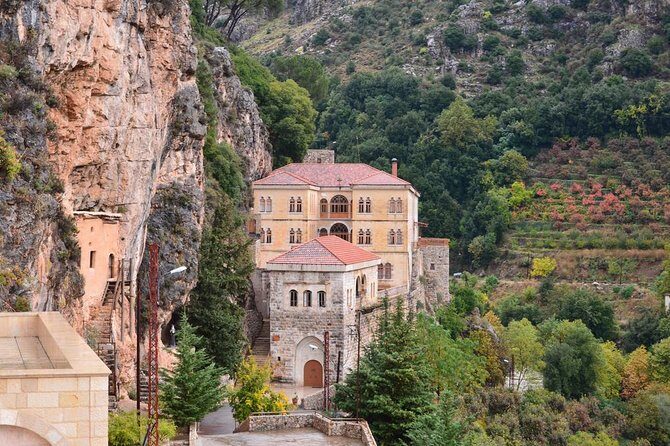
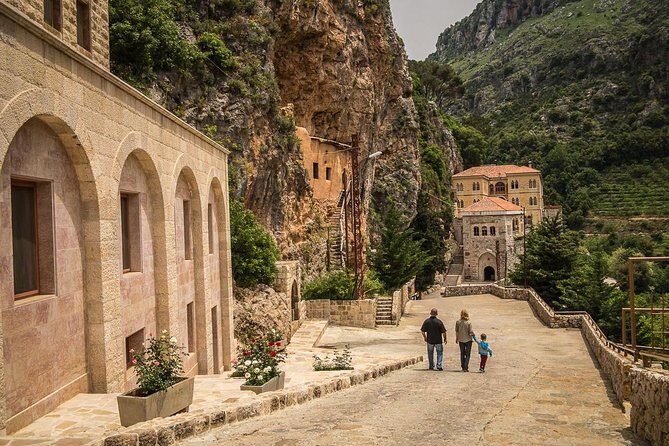
Next comes Kozhaya, known for Deir Qozhaya, the Monastery of St. Anthony. This is described as a mountainside monastery complex with views over the woodlands and valley. That detail matters because you’re not only visiting a religious site—you’re seeing why this spot works.
Many monasteries are “beautiful” in a postcard way. Deir Qozhaya adds a sense of separation: you feel up high, and the setting supports quiet. In reviews, people consistently bring up the monastery as a highlight, often calling it cool and memorable—not just for its architecture, but for how it feels to be there.
How long is enough here?
Your monastery visit time is short—about 30 minutes on the schedule. That’s actually a good thing if you want a spiritual stop without turning your day into a crawl. With only half an hour, your best move is simple: take your photos, then give yourself a few minutes to look without constantly checking your phone.
The Cedars of Lebanon: symbolic trees and a short cedar walk
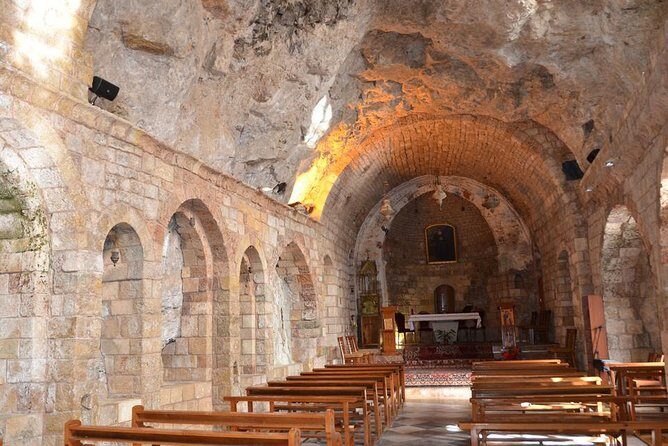
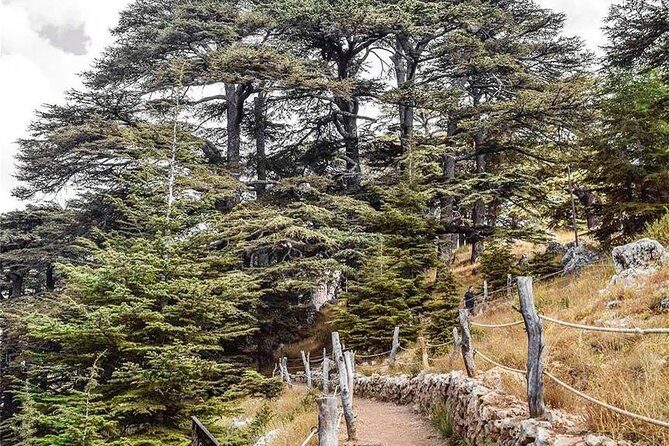
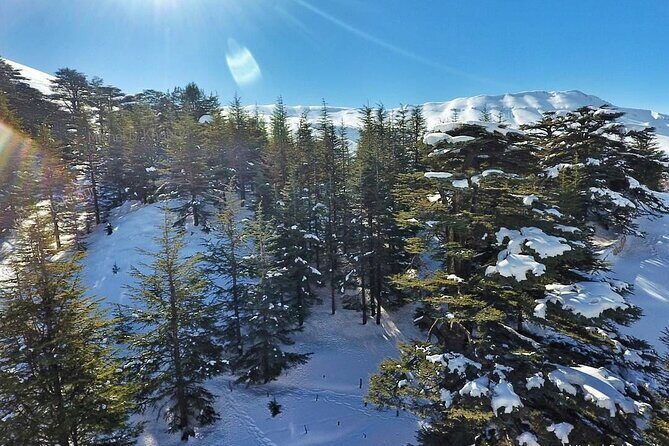
Then you reach the Cedars of Lebanon, sometimes called the Cedars of God. The cedars here are living reminders of ancient forests that were historically cut for building—by civilizations across the region over centuries. The tour also explains how that use ravaged the forests and how the site was added to the UNESCO list in 1996 to help protect what remains.
The cedar area includes a walk through the grove, plus a look at the souks there. That’s useful because it turns the visit into more than just photos. You can see the trees, learn the story, and then browse local stalls without forcing yourself into a separate shopping stop.
What to expect in “cedar time”
One caution based on common feedback: the cedar experience is not a long, sprawling nature trek. It’s more like a short, meaningful walk through the cedars area. If you’re expecting hours of wandering, you may feel slightly rushed. But if you go in with the right mindset—this is about symbolism and story—you’ll probably feel satisfied.
Best attitude for this stop
Come ready to slow down for a few minutes. The trees can feel spiritual precisely because they’re not trying to be a theme park. Even if your time is limited, it’s a spot where a guide’s explanation can make your photos feel more grounded.
Lunch in the mountains: included Lebanese mezze, no guessing
Lunch is built into the day and included in the price. You’re scheduled for a set menu: Lebanese mezze, a main dish, and fruits or dessert, plus one soft drink.
This is more than a “fill your stomach” stop. The route covers remote-ish areas, so having a guaranteed sit-down meal saves you from searching for food once you’re already on the road. It also helps the tour stay cohesive, since everyone eats around the same time and keeps the schedule moving.
If you have dietary needs
The tour data doesn’t list full vegetarian/vegan options beyond the general set menu. Still, some people have said the included lunch worked even for vegans. If you’re picky or have strong dietary needs, it’s smart to contact the operator before you go and ask what the set menu can accommodate.
Pickup, coach ride, and what the timing really means
You start in central Beirut with pickup offered for guests staying in Beirut city hotels. Hostels, Airbnb, and private apartments aren’t listed as eligible pickup points, so don’t assume you can be picked up from anywhere in the metro area.
The ride is by air-conditioned coach, and WiFi is on board. That combo is genuinely practical on a full day because you’re spending a lot of time traveling through northern Lebanon. Even with comfort, expect the schedule to feel packed.
Group size: small enough for guidance, not small enough for privacy
The tour caps at 25 travelers. That’s a decent middle ground: you’ll usually get a guided feel, but it won’t feel like a private tour. Some people also noted that large group energy can pull attention in different directions, especially if the group includes kids.
If you want quiet time for photos and slower conversations, you’ll do better if your expectations match group travel. If you mainly want big sights with good explanations, the group size usually won’t bother you.
Value check: is $95 a fair deal for this day?
At $95 per person, this tour is aiming at “all-in convenience.” You’re paying for guided transport, a licensed English and French speaking guide, admission fees to the mentioned sites, and an included lunch. You’re also getting hotel pickup within Beirut city (for eligible hotels) plus WiFi and air-conditioning.
If you tried to replicate this day on your own, the cost would often rise quickly: separate transportation for long distances, paying entrance fees without a guide, and adding up meal costs while moving between multiple towns. Here, those pieces are bundled.
The trade-off
The trade-off is time. You’ll cover several regions, but each stop is scheduled. That means you won’t get unlimited time in any one place, especially at the cedars. If your priority is maximum time outdoors, you might prefer a different style of trip (less stop-heavy). If your priority is hitting key UNESCO and cultural points in one day, this price can feel fair.
What I’d pack and how I’d approach it
This is a mountain day trip from Beirut, and even if the walking is moderate, weather and comfort still matter. Bring comfortable shoes, a light layer (mountain temperatures can shift), and something for sun or light rain.
For photos, bring a fully charged phone/camera and a small power bank. You’ll likely take more pictures than you expect—both because the valley views are dramatic and because the cedar grove and monastery areas invite shots. Also, having a guide who helps with group photos can make a big difference, and people mention that some guides do exactly that.
Finally, go into each stop with a “question.” For Qadisha, ask why the monasteries are where they are. For Bsharri, ask how Gibran’s ideas connect to this hometown. For Kozhaya and the cedars, ask what the site was meant to protect—people, prayer, or identity.
Should you book this tour?
Book it if you want a single, well-structured day that covers UNESCO Qadisha Valley, Khalil Gibran’s Bsharri connection, St. Anthony in Kozhaya, and the Cedars of Lebanon—without having to organize transport and tickets yourself. The included lunch and admission fees make it easier to justify the price, and the max group size of 25 keeps it from feeling huge.
Skip or rethink if you’re sensitive to long coach time, or if you expect the cedars to be a long nature walk. Also, if pickup access matters for your exact accommodation type, double-check that your lodging qualifies for hotel pickup in Beirut city.
If you’re open to a day that mixes faith sites with art and national symbolism, this tour is one of the cleaner ways to experience northern Lebanon from Beirut in a single push.
FAQ
How long is the tour?
It’s listed as approximately 9 hours.
What time does the tour start?
The start time is 8:30 am.
Is hotel pickup included?
Pickup and drop-off are included if you’re staying in hotels located within Beirut City (not hostels, Airbnb, or private apartments).
What languages are spoken by the guide?
The guide speaks English and French.
Is lunch included, and what is it?
Yes. Lunch is included as a set menu: Lebanese mezze, a main dish, fruits or dessert, and one soft drink.
Are entrance fees included?
Yes. Entrance fees to all mentioned sites are included.
How much walking is involved?
It’s described as moderate physical fitness. The town walking is leisurely, and the cedar forest visit includes a walk through the grove.
Is there WiFi and air-conditioning on the coach?
Yes. The vehicle is air-conditioned and WiFi is provided on board.
What happens if the weather is bad?
The experience requires good weather. If it’s canceled due to poor weather, you’ll be offered a different date or a full refund.