REVIEW · BEIRUT
Private Full-Day Tour to Byblos and Tripoli from Beirut
Book on Viator →Operated by Lebanon Tours Online · Bookable on Viator
Byblos and Tripoli in one day is a smart move. I like how the plan stitches together Phoenician origins with later Mamluk and Ottoman layers, and I also love the hands-on help from a tour leader plus a local guide in Byblos. The main trade-off is timing: it’s a packed day with no lunch included, so you’ll want to plan for breaks.
You start with door-to-door pickup and travel in a private, air-conditioned vehicle, which matters when you’re moving between coastal ruins and city stops. The value is strong for $65 per person because you get guided context, private transport, and access to multiple major sites without having to organize anything yourself.
At the top of the day, you’ll see why Byblos is so famous—ancient port life, temples, and a story tied to the Phoenician alphabet—then shift gears to Tripoli’s forts, mosques, khans, and a hammam that still functions. Just remember that the castle ticket in Byblos isn’t included, so budget a little extra if you want to climb inside.
In This Review
- Key things I’d put on your radar
- A day tour that actually makes sense: Beirut to Byblos to Tripoli
- Getting there in comfort: private air-conditioned transport and a 9:00 am start
- Byblos: Phoenician roots you can walk through, with real local context
- Climbing Byblos Castle: the 12th-century view that ties it together
- Old Souk and the Byblos port: short stops with old-city flavor
- Tripoli: a city of forts, mosques, khans, and layered dates
- Qal’at Sinjil (Saint Gilles Citadel): when one fortress holds multiple eras
- Al-Mansouri Great Mosque and Taynal Mosque: Mamluk architecture you can spot fast
- Tripoli souks, Khans, soap production, and a hammam still running
- Price and value: what $65 per person really buys you
- Practical advice for getting the most from this packed day
- Who should book this Byblos and Tripoli day trip
- Should you book it?
- FAQ
- How long is the private full-day tour to Byblos and Tripoli?
- What time does the tour start?
- Is hotel pickup and drop-off included?
- Is lunch included?
- Is the tour private?
- Is Byblos Castle admission included?
- Are the other site admissions included or free?
- Can I cancel for a full refund?
Key things I’d put on your radar
- Private hotel pickup and drop-off plus an air-conditioned ride between cities
- Local guide in Byblos to connect the ruins to what you’re seeing
- Byblos Castle viewpoint over the archaeological site and toward the sea
- Tripoli’s layered heritage: Mamluk, Ottoman, Crusader-era remnants, and older roots
- Old souks and khans where trades and daily life stayed in the mix
- A functioning hammam you can treat like a living museum
A day tour that actually makes sense: Beirut to Byblos to Tripoli
If you only have one full day in Lebanon, this type of route is hard to beat. You’re not just hopping between two names on a map—you’re walking through different time periods in the same coastal region, with enough guided context to keep it from feeling like a checklist.
The key is that the day has a structure that stays practical. You get focused time in Byblos, then head north to Tripoli for a longer run of city landmarks and interiors. Even with a lot of stops, the pacing is built around short visits where they matter: enough time to look closely, ask questions, and move on without the day dragging.
Also, it’s a private format for your group, which changes the vibe. You don’t have to wait around for a crowd, and you can spend a little more time on what catches your attention—like the mix of Crusader and later additions in Tripoli’s fortress areas—then keep moving.
You can also read our reviews of more private tours in Beirut


Getting there in comfort: private air-conditioned transport and a 9:00 am start
The tour begins at 9:00 am, which is early enough to get good sight time while the day is still fresh. From there, the included door-to-door hotel pickup and drop-off takes the stress out of your morning. You don’t have to figure out how to meet a group in traffic or coordinate rides later.
You’ll be in a private air-conditioned vehicle, and that’s a big deal on a day that includes coastal walking plus city stops. Short transfers add up. Cooling down between sites keeps you from arriving at the next location already worn out.
One more practical note: there’s a mobile ticket, so you’re not juggling printouts. It’s a small thing, but it speeds up the start of the day.
Byblos: Phoenician roots you can walk through, with real local context
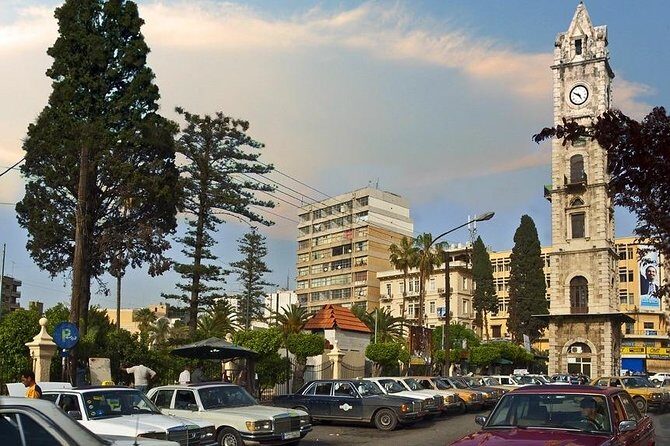
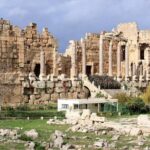
Byblos is the kind of place where the names you hear in school suddenly feel close. You start with time in the archaeological area, and the experience is framed around the city’s long timeline—settled since Neolithic times, linked to the Mediterranean legends, and strongly tied to the history and spread of the Phoenician alphabet.
What I like most here is that Byblos doesn’t feel like generic ruins. With the local guidance available during the Byblos portion, you get help reading the site: where to look, what to connect, and why it matters beyond the obvious stones. It helps you understand the ruins as part of a lived coastal city, not just a background for photos.
You’re scheduled for about 2 hours in the Byblos area, with admission listed as free. That’s a useful amount of time: long enough to notice the layout and the feel of the old streets and port edge, but not so long that you lose the thread of the day.
Climbing Byblos Castle: the 12th-century view that ties it together
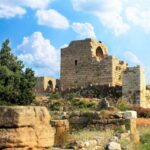
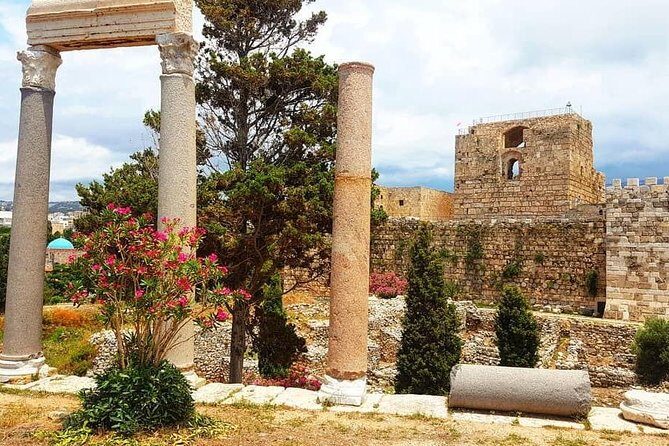
Next comes Byblos Castle, a restored Crusader-era structure sitting just inside the archaeological grounds. This stop is short—about 30 minutes—but it’s one of those timesinks that’s worth it because the payoff is view-based and interpretation-based.
The castle is described as a restored 12th-century Crusader castle surrounded by a 10-meter-wide dry moat. From the top of the keep, you get a strong perspective over the ruins, including an impressive sense of how the Bronze Age dwellings sit below the walls with the sea off in the distance.
Inside, there’s a small museum and information panels that outline the city’s history. That combination—view from the outside plus context inside—makes the climb feel more meaningful than just checking a building off.
Important for your budget: the castle admission is not included. If you’re the type who likes to climb and go in, it’s one of the best places to spend your extra money. If you’re more into slow street wandering and less into interiors, you might treat this as optional. Either way, it’s the most elevated way to understand how Byblos works geographically.
Old Souk and the Byblos port: short stops with old-city flavor
After the castle, the day stays grounded with simple city moments.
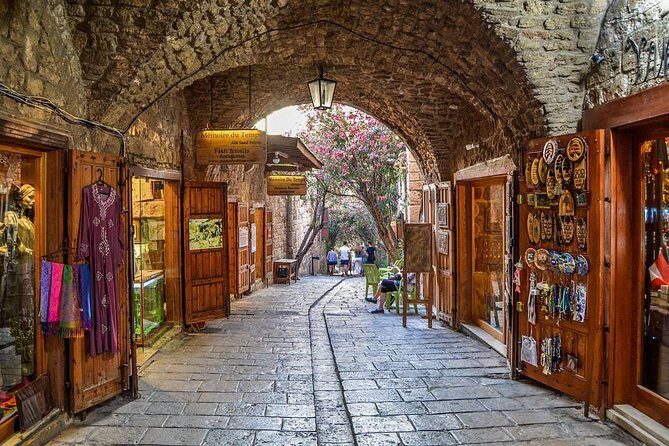
You’ll have time in the Old Souk, about 15 minutes, with admission listed as free. This is less about a single landmark and more about atmosphere: cobblestone lanes, souvenir browsing, and occasional glimpses of older architecture. If you want a quick browse for locally themed items or antiques, this is where it fits.
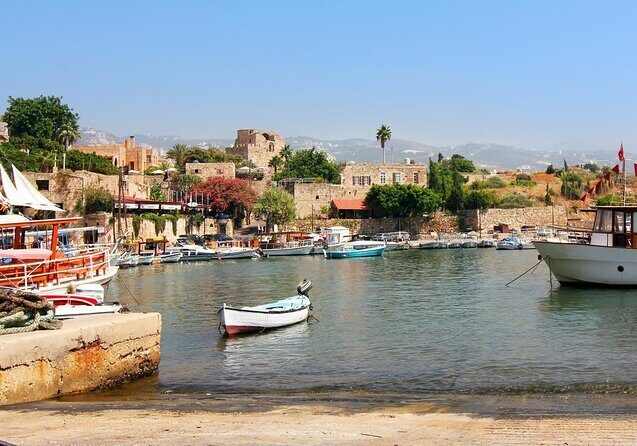
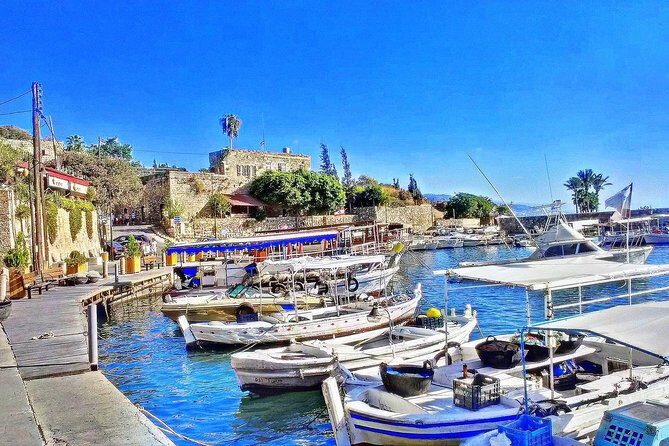
Then you’ll shift to the Byblos Port, again about 15 minutes and listed as free entry. The story here is a good one for curiosity-lovers: locals believe it’s the oldest port in the world, and historical accounts connect it to timber shipping in the eastern Mediterranean around 3000 BC.
Even with short time, the port stop works because it connects the ruins you just saw to the idea of trade and shipping. It’s a reminder that this wasn’t only a ceremonial city. It was a working coastal hub.
A few more Beirut tours and experiences worth a look




Tripoli: a city of forts, mosques, khans, and layered dates
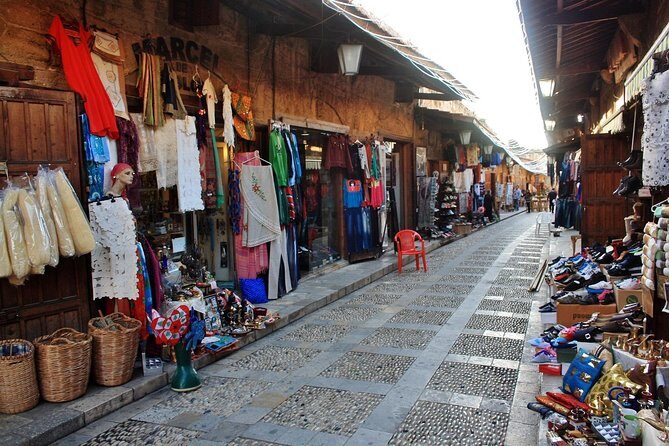
When you reach Tripoli, the feel changes from archaeological site to living city textures. You’re given about 3 hours here, with admission listed as free for the general city exploration portion.
Tripoli is an ancient city with Phoenician roots and a record of later eras that still show in the streets. In the description, there are forty-five buildings registered as historical sites, and many date to the 14th century. You also get a clear sense that Tripoli isn’t only about worship buildings—there are bathing houses (hammams), souks, and khans (trade structures) that point to everyday life.
A helpful thing to know going in: twelve mosques from Mamluk and Ottoman times have survived, and the city’s mix of secular and religious architecture is part of what makes the day interesting.
This is also where the tour leader’s job matters. If you want the city to click, you need help connecting buildings to dates and political shifts. The structure of stops in Tripoli makes that easier, because each location adds a different piece of the puzzle.
Qal’at Sinjil (Saint Gilles Citadel): when one fortress holds multiple eras
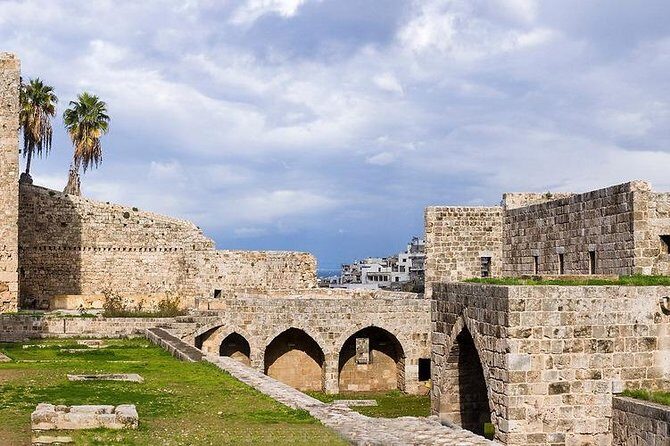
Overlooking Tripoli is the Citadel of Tripoli, also known as Qal’at Sinjil or Saint Gilles. You’ll spend about 30 minutes here, and admission isn’t included for this stop.
This is a fortress that got reworked over and over. The present features include octagonal Fatimid constructions that were later converted into a church by the Crusaders. Then you see Crusader structures from the 12th to 13th centuries, 14th-century Mamluke additions, and Ottoman additions from the 16th century. That stacking of eras is exactly why the citadel is such a strong stop.
The fortress is huge in scale—described as about 140 meters long and 70 meters wide—and its current condition is tied to restoration work by Mustafa Barbar Agha, governor of Tripoli in the early 19th century. In other words, you’re not just looking at old stones. You’re seeing a place that was kept alive through major restoration choices.
For me, this stop is one of the best examples of why history stops being abstract. If you like reading buildings like documents, this one will feel satisfying.
Al-Mansouri Great Mosque and Taynal Mosque: Mamluk architecture you can spot fast
Tripoli’s mosque stops are quick but instructive. They’re also the kind of visits where timing works because you’re not expected to linger forever—you get to look, absorb details, and move on.
First is Al Mansouri Great Mosque. It began in 1294 and was completed in 1315. The site is important: it was built on the ruined 12th-century Crusader cathedral of St. Mary of the Tower. Inside, you get a large courtyard ringed by a vaulted prayer hall.
The most interesting detail here is that you can still see elements of Western architecture from the older church—like the northern entrance and a Lombard style bell tower that was transformed into the minaret. Add to that the mention of foundation plaques and decrees that reveal details of daily life during the Mamluke period, and this becomes more than a quick look. It’s a readable bridge between eras.
Next is Taynal Mosque, built in 1336 by Saif Ed-Dine Taynâl on the site of a ruined Crusader church. The adjoining domed mausoleum holds the tomb of the founder. You’ll also hear about reuse: two rows of granite columns with late Roman capitals in the first prayer hall. The entrance of the second prayer hall is noted as a unique example of architectural decoration from the Mamluke period.
Both mosque visits are listed as about 15 minutes each, and admission is free for both. Even if your personal focus is more on streets and markets, these stops help you understand why Tripoli’s architecture feels like it has multiple chapters.
Tripoli souks, Khans, soap production, and a hammam still running
After mosques, the day turns toward trade and daily routine. This is where Tripoli feels practical.
You’ll visit Khan Al-Khayyatin, part of the Tripoli Souks. It’s described as a long rectangular building about 40 by 80 meters, with a covered central courtyard and shops on either side. The name points directly to tailoring and related crafts—tailors, needle and thread work, sewing machines, and more. Even with limited time (about 5 minutes), the idea is simple: khans weren’t decorative. They were built for work.
Then there’s Tripoli Soap Factory (Khan el masriyen / Khan As Sabon), built at the beginning of the 17th century. This stop has an added layer beyond crafts. Originally, it was intended as a military barracks to garrison Ottoman troops, and it was built in the middle of the city to help control any uprising. It’s a large rectangular structure with two-story arcaded corridors running around a fountain courtyard.
If you like history with a practical angle, this is a great stop. Soap might sound like a small detail compared to castles, but the building’s purpose shows how economics, control, and production overlapped.
After that comes Hammam Al Jadid (Hammam El-Abed), listed as the only functioning hammam in Tripoli, likely built toward the end of the 17th century. This is described as typical pierced-domed public baths from Mamluke and Ottoman eras, with interior elements like cushions, a central fountain, and traditional fittings—treated like a living museum.
This is one of the best spots for a quiet moment. You’re not just looking at a monument. You’re seeing a still-used part of city life.
Finally, you end with El Mina Port, a coastal area that occupies the location of old Phoenician Tripoli and serves as the harbor city for modern neighboring Tripoli. It’s described as having nine islands, with four declared natural reservations to help breed fish and preserve habitat. The stop is about 15 minutes, and admission is free.
Even if you don’t spend long here, it gives your day a coastal finish and reminds you that Tripoli’s story is also about water and connection.
Price and value: what $65 per person really buys you
At $65 per person for about 8 hours, the value comes from three things you don’t have to hunt down yourself: private transportation, door-to-door hotel transfers, and guided support.
Admission is a mixed picture. Many stops are listed as free (Byblos site time, souk, port, Tripoli city portion, mosques, khans, soap factory, hammam, El Mina port). The main paid item called out is Byblos Castle, whose admission isn’t included.
You’re also getting a tour leader throughout the day, plus a local guide in Byblos. That local input is where the experience can feel worth it, because you’re not just moving through sites—you’re learning what to look for.
The only big omission is lunch. That doesn’t make it overpriced. It just means you should plan for a meal on your own so your energy doesn’t crash mid-afternoon.
Practical advice for getting the most from this packed day
I’d treat this like a history-focused day with room for a few personal choices.
- Wear shoes that handle uneven cobblestones and archaeological surfaces.
- Have a flexible mindset about time. Some stops are short by design, so prioritize what you most want to see in each area.
- If you care about adding one small cultural food moment, keep your eyes open for Tripoli sweet culture. One highlight noted is Al Hallab 1881 sweets in Tripoli—if someone from your team suggests it, it’s a tasty pause that fits the day.
- Budget for Byblos Castle admission since it’s not included.
Who should book this Byblos and Tripoli day trip
This tour fits best if you want a single-day hit of northern Lebanon history without complicated planning. It’s a good match for:
- First-time visitors who want the big names and the easiest route between them
- People who like architecture with visible layers (Crusader, Mamluk, Ottoman)
- Travelers who enjoy guided context, not just photo stops
- Anyone staying in Beirut who wants door-to-door convenience
If you hate busy schedules and want slow wandering with lots of free time, you might find the day a bit tight. But if you like structure and momentum, this is a solid use of daylight.
Should you book it?
Yes, I’d book it if you want an efficient history day with real interpretive support. The standout strengths are the mix of sites across eras, the Byblos local guide, and the comfortable private transfers that keep the day from turning into logistics.
I’d reconsider only if you strongly prioritize long free time in markets or you don’t want to pay extra for Byblos Castle admission. Otherwise, this is a smart route: you’ll see why Byblos is tied to early Mediterranean trade and writing, then you’ll understand how Tripoli’s forts and mosques grew through multiple centuries.
FAQ
How long is the private full-day tour to Byblos and Tripoli?
The tour lasts about 8 hours.
What time does the tour start?
It starts at 9:00 am.
Is hotel pickup and drop-off included?
Yes. Hotel pick up & drop off in Beirut are included.
Is lunch included?
No, lunch isn’t included.
Is the tour private?
Yes. It’s private, and only your group participates.
Is Byblos Castle admission included?
No. Byblos Castle admission is not included.
Are the other site admissions included or free?
Most other stops are listed as free (including the Byblos site time, Byblos Old Souk, Byblos Port, the Tripoli portion, the mosques, khans, the soap factory, the hammam, and El Mina port).
Can I cancel for a full refund?
Yes. You can cancel up to 24 hours in advance for a full refund.