REVIEW · BEIRUT
Anjar baalback & Ksara tour
Book on Viator →Operated by Lebanon tours around Lebanon · Bookable on Viator
One early start can lead to ancient Lebanon in a single day. This private Anjar, Baalbek & Ksara tour uses a morning drive into the Bekaa Valley to show how Lebanon’s past layers up, with stops at the Umayyad city of Anjar, the Roman temples of Baalbek, and the cave cellars at Chateau Ksara. I particularly like that the experience feels personal (small group, guide named Kifah) and that you get both sightseeing and wine tasting without rushing like a checklist. One thing to consider: the schedule depends on good weather, and the winery tasting may cost extra since it’s listed as not included.
You’ll start around 8:00 am with pickup offered, then spend the day moving between the three highlights. The tour is set up for small groups—priced per group (up to 3)—so you’re not stuck waiting on strangers when your guide is ready to explain what you’re seeing.
In This Review
- Key things that make this tour worth your time
- A single-day route that covers the Bekaa’s biggest names
- Anjar’s Umayyad city: what you should watch for
- What to do while you’re there
- A practical note
- Baalbek’s Roman temples: where scale does the convincing
- Why Baalbek works in a guided format
- What to expect during your visit
- Chateau Ksara: wine tasting in the cave cellars
- Timing and ticket expectations
- What you’ll get (and how to enjoy it)
- Pickup, pace, and why Kifah’s approach matters
- How to plan your day with the drive in mind
- Price value: what $130 per group actually buys you
- Where your spending might pop up
- Best time to book and the weather reality
- Who this tour suits (and who might want another option)
- Quick guide to your day’s flow (so you don’t feel lost)
- Should you book the Anjar, Baalbek & Ksara tour?
- FAQ
- What time does the tour start?
- How long is the tour?
- Is pickup offered from Beirut?
- How big is the group?
- Are entrance tickets included?
- Is there wine tasting at Chateau Ksara?
- Do I need good weather?
- Is the tour suitable for most travelers?
- What’s the meeting point?
Key things that make this tour worth your time
- Small-group private day for up to 3 people, with pickup offered from Beirut
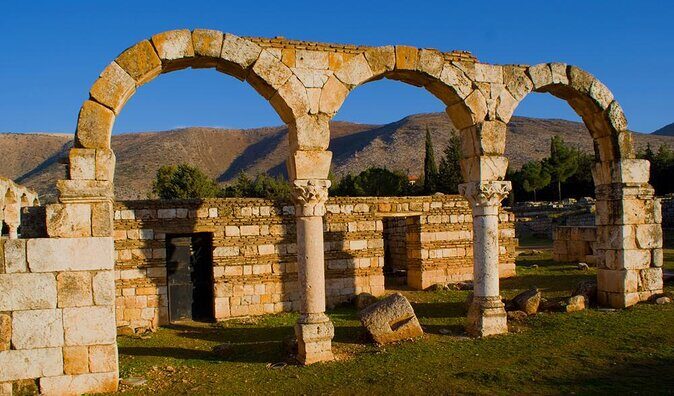
- Anjar’s Umayyad plan: a rare Umayyad site in Lebanon tied to Caliph Walid I (early 8th century)
- Baalbek’s Roman temples: huge, well-preserved stonework that’s easier to understand with real-time explanation
- Chateau Ksara in the oldest winery in Lebanon, including caves plus wine samples
- Kifah-style guiding: kind, helpful, and quick to adjust to your needs during the day
- Tickets are not all the same: Anjar entries are listed as free, while Chateau Ksara is not included
A single-day route that covers the Bekaa’s biggest names
This is the kind of day trip you’ll appreciate if you like your travel with a storyline. The tour is built around three anchors: Anjar (Umayyad), Baalbek (Roman), and Chateau Ksara (Lebanese wine). The result is more than sightseeing. You start seeing how Lebanon’s civilizations left physical marks—different empires, different building styles, and different ways of using land.
Also, the day fits well if you’re staying in Beirut and want something more substantial than a quick half-day. You’ll be out most of the day—listed as about 9 hours—which gives you time to enjoy the sites instead of speed-walking for photos.
And since the tour is private (only your group), you avoid the awkward moments where you’re all at different paces. That matters at Roman sites where it’s easy to drift off from the main point of what you’re looking at.
You can also read our reviews of more tours and experiences in Beirut.

Anjar’s Umayyad city: what you should watch for
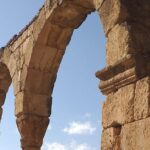
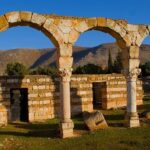
Anjar is an interesting stop because it’s not “generic ruins.” It’s described as the single Umayyad site in Lebanon, founded by Caliph Walid I at the beginning of the 8th century. That alone is a strong reason to go: you’re seeing a specific historical thread that’s less common than the more frequently promoted eras.
On the ground, Anjar is all about layout and structure. Umayyad building in this region is known for using a formal, planned approach, so when you walk around, try to connect what you see with the idea of city planning—streets, walls, and the sense of an organized settlement rather than scattered remains.
What to do while you’re there
You’ll typically have about 1–2 hours for this stop, and the tour info lists admission ticket free for the Anjar portion (depending on how your time slot is handled). Here’s how I’d use your time:
- Take a slow walk and let the geometry register first.
- Then listen closely to your guide’s explanation of why this place is the Umayyad story in Lebanon.
- If you like photos, use that early time to get wide views before the light changes and the crowds (if any) start to build.
A practical note
Anjar is one of those stops where good footwear helps. Even if you’re not hiking, you’ll likely be walking around uneven ground and across outdoor areas. Bring shoes you can trust.
Baalbek’s Roman temples: where scale does the convincing
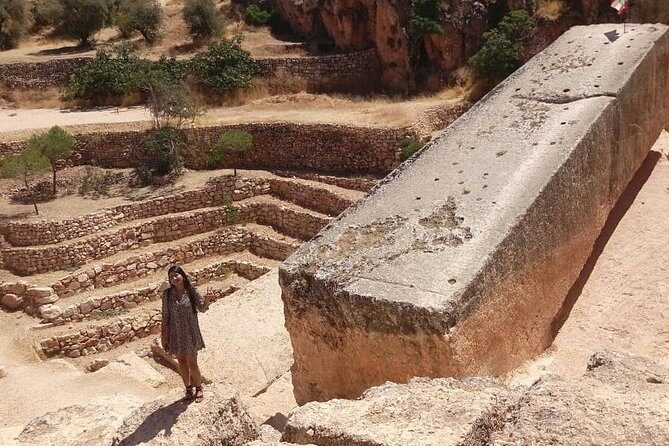
Then comes Baalbek, identified as the ancient Heliopolis of the Romans. This stop is where “big ruins” stops being a phrase and turns into a feeling. The tour emphasizes that the temples are massive and well preserved. That’s important because the best Roman sites teach you by still being readable—columns, spacing, and construction details that make the size make sense.


Why Baalbek works in a guided format
If you visit a Roman temple complex without guidance, you’ll see impressive stone. With guidance, you’ll understand the logic behind the design—why certain parts were built, how the complex functions visually, and what it would have meant in its original setting.
This is exactly where your guide’s style matters. Kifah is specifically described as being friendly and very good at explaining the history of Lebanon. If you like your sightseeing with clean, clear context, this is the part of the day that often turns into your favorite stop.
What to expect during your visit
The tour schedule is built so you go to Anjar first, then head to Baalbek. That order helps. The Umayyad city sets up the idea of formal empire planning, and then Baalbek answers it with Roman monument scale.
You’ll want to move slowly, pause for views from different angles, and keep your eyes on the way the structure dominates the space around it. At Baalbek, your brain keeps recalculating size—so even if you think you’re done with photos, you’ll likely spot one more angle you’ll want.
Chateau Ksara: wine tasting in the cave cellars
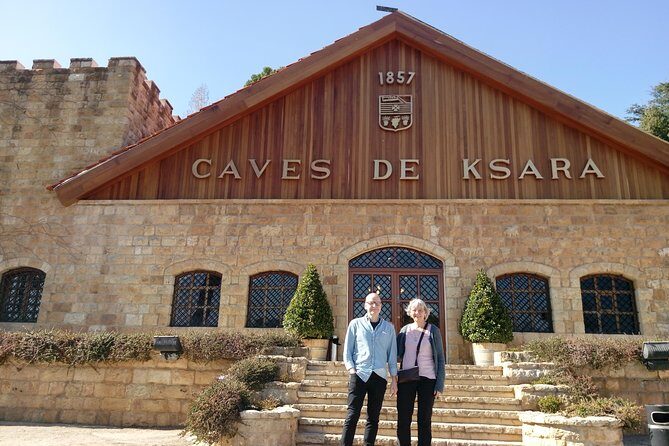
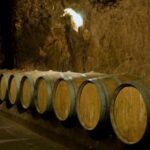
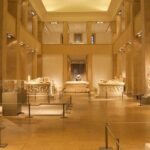
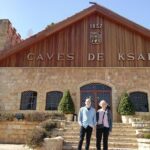
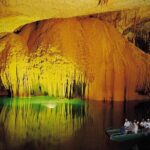
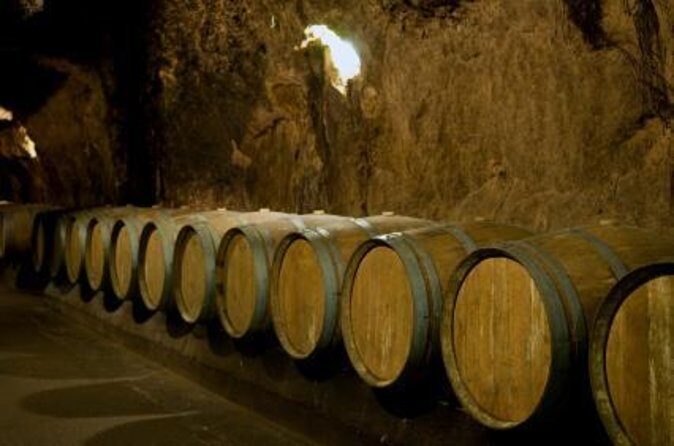
After Roman stonework, you shift into wine. Chateau Ksara is described as the oldest winery in Lebanon, and the visit includes exploring its caves and tasting Lebanese wine samples.
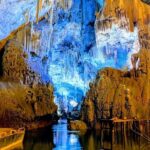
There’s a reason cave cellars are such a memorable tasting experience. You get a physical sense of temperature control and age—wine stored in stone spaces feels different than wine presented in a bright tasting room. And since the tour explicitly includes the caves, you’re not just sipping; you’re also seeing the working environment behind the wine.
Timing and ticket expectations
This stop is listed at 45 minutes, and it says the admission ticket is not included. So I’d treat the winery tasting as a small extra cost you’ll likely pay on-site or as part of the winery entry.
If you want to plan calmly, assume you’ll have a bit of spending flexibility for the tasting itself.
What you’ll get (and how to enjoy it)
You’ll discover the caves and then taste samples of the wine. To get the most out of it:
- Drink water alongside your tasting (not just at the end).
- Ask the guide to help you connect what you’re tasting to what you’re learning about Lebanon’s wine culture.
- If you don’t consider yourself a wine person, don’t worry. Wine tastings can feel intimidating. The “samples” format is usually easy to manage, and your guide can translate what you’re tasting in plain language.
Pickup, pace, and why Kifah’s approach matters
This is a private tour for only your group, with pickup offered. That changes the whole vibe. Instead of fitting into a big bus rhythm, you get a day shaped around your pace and questions.
The info on Kifah’s guiding style comes through clearly in the descriptions: he’s described as kind, helpful, and focused on making sure you have what you need. In at least some experiences, he also brings small touches like free drinks and a Lebanese dish during the outing. Even if those extras aren’t guaranteed in every situation, the pattern matters: this guide is the kind of host who pays attention to comfort and flow.
There’s also mention of him being great for conversation and even photography. If you care about getting photos that actually look like you were there (and not just phone snapshots), this is worth factoring in.
How to plan your day with the drive in mind
Because this is a long day—about 9 hours—you’ll want to treat it like a mini vacation inside one region. The drive from Beirut to the Bekaa Valley takes time, so:
- Bring water.
- Wear something comfortable for hours in the car.
- Keep your phone charged, because you’ll likely want photos at all three stops.
Price value: what $130 per group actually buys you
The price is listed at $130.00 per group (up to 3 people). That pricing structure can be a great deal if you’re traveling as a duo or small family—because it makes the cost feel less “per person” and more like “buy the whole day for your group.”
Here’s why I think it’s good value:
- You get private guiding, not a share-a-bus model.
- You get a full-day circuit with three major highlights (Anjar, Baalbek, Ksara).
- Pickup is offered, saving you time and hassle.
Where your spending might pop up
Not all costs are the same:
- The Anjar entry is listed as free in the tour info.
- Chateau Ksara has a note that the admission ticket is not included (45 minutes at the site).
So your total day cost might be the base price plus whatever winery entry/tasting costs you pay on-site. If you like budgeting, plan a little extra for the wine stop and you won’t feel surprised.
Best time to book and the weather reality
This experience notes a requirement for good weather. If the weather is poor, the tour may be canceled and you’d be offered a different date or a full refund.
So when you choose your travel dates, don’t just look at forecasts for Beirut. The Bekaa Valley can feel different. If you’re flexible, pick a day that’s likely to be clear in both areas.
Who this tour suits (and who might want another option)
This tour is a strong match if you want:
- Ancient sites plus a modern taste (wine) in one day
- A private guide who can explain what you’re seeing at Baalbek and Anjar
- A small-group day trip that doesn’t feel rushed
You might consider a different style of tour if:
- You hate long drives and prefer short museum-style stops.
- You want more free time to wander independently without a set schedule.
- You’re highly sensitive to outdoor walking, since Anjar and Baalbek are outdoor complexes.
Quick guide to your day’s flow (so you don’t feel lost)
- Start around 8:00 am from Beirut area with pickup offered.
- Anjar first, with about 1–2 hours and free admission listed for the relevant part.
- Baalbek next, for the Roman temple complex (the “scale moment” of the day).
- Chateau Ksara last, about 45 minutes, including caves and wine samples, with winery ticket not included.
Keeping this flow in mind helps you mentally “switch modes” as the day changes—from empire city ruins to Roman monument viewing to wine-cave relaxation.
Should you book the Anjar, Baalbek & Ksara tour?
If you’re in Beirut and want one day to cover three standout stops—Anjar’s Umayyad story, Baalbek’s Roman scale, and Chateau Ksara’s cave-cellar wine—this is a smart booking. The small private group plus pickup makes it easy, and the guidance style attributed to Kifah sounds like the kind you’ll enjoy: friendly, attentive, and ready to explain history clearly.
Book it if:
- You like structured days with big-picture context.
- You want wine tasting included in the plan (even if the winery ticket itself may cost extra).
- You’re traveling as a pair or trio, so the group price feels especially fair.
Skip it if:
- You’re traveling on a date with uncertain weather and you can’t be flexible.
- You want a slower pace with lots of independent wandering and no set timing.
If your goal is a full, practical day in the Bekaa Valley that mixes ancient architecture with a real Lebanese sip at the end, this one fits.
FAQ
What time does the tour start?
The tour starts at 8:00 am.
How long is the tour?
It’s listed as about 9 hours.
Is pickup offered from Beirut?
Yes, pickup is offered.
How big is the group?
This is a private tour/activity. Only your group participates, and it’s priced per group for up to 3 people.
Are entrance tickets included?
For Anjar, the tour info lists the admission ticket as free. For Chateau Ksara, the admission ticket is not included.
Is there wine tasting at Chateau Ksara?
Yes. The tour includes visiting Chateau Ksara and tasting wine samples.
Do I need good weather?
Yes. The experience requires good weather. If it’s canceled due to poor weather, you’ll be offered a different date or a full refund.
Is the tour suitable for most travelers?
The tour notes that most travelers can participate.
What’s the meeting point?
The ticket redemption point is listed as Lebanon, and it’s near public transportation.