REVIEW · BEIRUT
Private Anjar and Baalbek Tour from Beirut with Departure Ticket
Book on Viator →Operated by Lebanon Local Tour · Bookable on Viator
Baalbek and Anjar are a long-day knockout. You’ll start with a smooth morning hotel pickup at 8:30am, then spend the day in the Bekaa Valley with real time to wander Roman Baalbek and an Umayyad city at Aanjar. What makes this tour special is the mix: huge imperial ruins plus a smaller, grid-like early Islamic site that’s easier to read with a bit of space to think.
I like two things most. First, the driving is private and comfortable in an air-conditioned vehicle, so you’re not crammed into a bus. Second, the day is designed for your pace: you explore each stop on your own with a driver who gives background as you go—people named Ali, Harake (and a few close spellings like Haraki), Khodor, and Spring all came up as especially helpful in real-world experiences.
One possible drawback: the tour is branded as private, but some people found it was mostly a driver-led visit rather than a separate professional guide inside every site. If you want a dedicated guide for both sites, it’s smart to ask ahead—an extra local guide was mentioned later in at least one case.
In This Review
- Key highlights to know before you go
- Why Baalbek + Anjar works so well as a single full day
- Beirut to the Bekaa Valley: the scenery and the rhythm of the drive
- Aanjar’s Umayyad ruins: a grid city you can actually make sense of
- Baalbek’s Temple of Bacchus: why it’s often the first jaw-drop
- Colossal stones and the most preserved ruins: the second Baalbek hour is for your camera
- Hajar al-Hibla: the Pregnant Woman monolith, up close in a short stop
- Baalbek’s old souk and the old-world pause
- Lunch at Lakkis Farm – Zahle: one scheduled meal, no guesswork
- Your driver is the whole secret sauce (Ali, Harake, Spring, Khodor)
- Tickets, timing, and how to plan your photos
- The airport departure voucher: a real time-saver if you fly soon
- Who this tour is for, and who should choose something else
- Should you book this private Baalbek and Anjar day tour?
- FAQ
- What time does the tour start?
- How long is the tour?
- Is hotel pickup and drop-off included?
- Are entrance tickets included for Aanjar and Baalbek temples?
- Which parts have free admission?
- Is lunch included?
- Does the tour provide an airport transfer voucher?
- Is this tour private?
- Can I cancel for a full refund?
- What happens if weather is poor?
Key highlights to know before you go
- Two UNESCO-level stops in one day: Roman Baalbek plus Anjar’s Umayyad city remains
- Your pace is part of the plan: you get time to wander, not just rush through
- Driver support you’ll actually use: names like Ali, Harake, Khodor, and Spring were repeatedly praised
- A meaningful Bekaa Valley drive: fields between Mount Lebanon and Anti-Lebanon make the journey feel like part of the trip
- Lunch is included in the schedule: at Lakkis Farm – Zahle, with meat, chicken, vegetarian, and snacks
- A built-in airport bonus: a one-way airport transfer voucher you use within 10 days
Why Baalbek + Anjar works so well as a single full day
Baalbek hits you with scale. The temples feel like they were built to dwarf human expectations. Then Anjar, at a totally different time period, feels almost orderly—an Umayyad city laid out in a grid you can mentally map while you walk. Put together, they make a cleaner story of how this region kept being rebuilt and reused over centuries.
This tour gives you the best kind of flexibility: you’re not locked into one nonstop “follow the guide” rhythm. You get time to look, pause, and re-look. When a site is huge—like Baalbek—you don’t want to be hurried. Here, you’re not rushed back every five minutes, and that matters for photos, for reading inscriptions (when you can), and for just soaking in the strange engineering of it all.
A few more Beirut tours and experiences worth a look

Beirut to the Bekaa Valley: the scenery and the rhythm of the drive
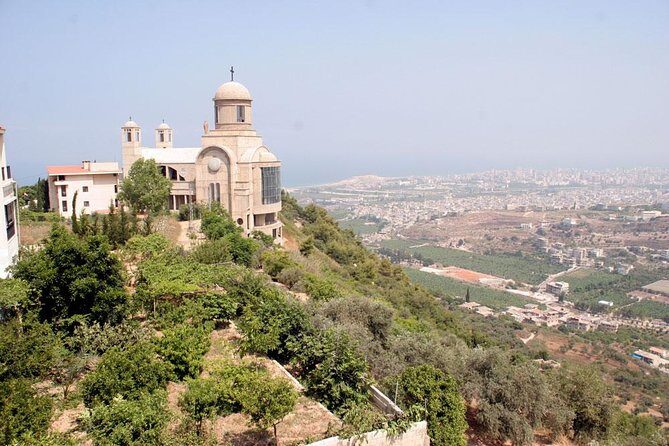
You leave Beirut in the morning, picked up from your hotel around 8:30am. From there, you’re traveling through the Bekaa Valley—Lebanon’s major farming region—between Mount Lebanon on the west and the Anti-Lebanon mountains to the east. The drive stretches out over about 120 kilometers long, roughly 16 kilometers wide on average, and it tends to feel greener and more open than the coast.
Why this matters for your day: the sites are concentrated, but the drive is your decompression time. It’s also when your driver can give context you’ll use later. People specifically praised drivers for explaining what you’re seeing and pointing out side sights along the way. That’s the difference between seeing stones and understanding what they meant.
Practical tip: bring water, even if you’ll get refreshments during the day. A long morning start plus open-air ruins can be dehydrating, and Bekaa weather can swing depending on the season.
Aanjar’s Umayyad ruins: a grid city you can actually make sense of
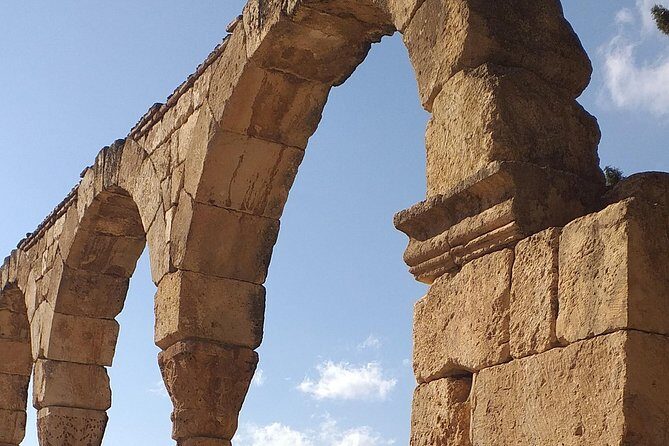
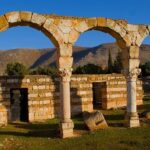
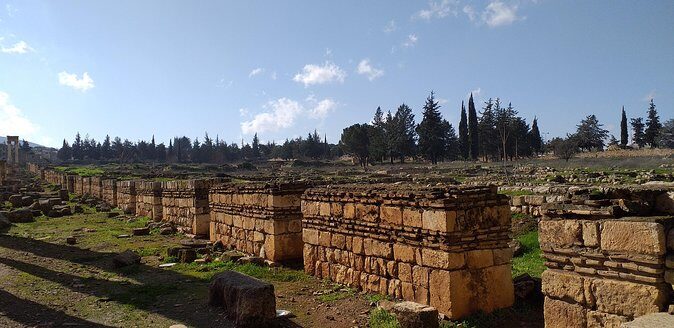
Your first major stop is the Umayyad ruins of Aanjar, founded in the early 8th century. The site is laid out in a grid measuring about 374 meters by 308 meters, which is unusual and helpful. In a place like this, the layout gives your brain something to latch onto: you can walk streets and visualize how power and daily life were organized.
You’ll spend around 1 hour at Aanjar. The time allowance is tight enough to keep momentum, but not so short that you miss the big-feel details. The site includes multiple points of interest—shops, streets, a great palace area, a mosque, a small palace, medieval baths, a church, and more. Even if you don’t become a walking encyclopedia, that list tells you the ruins cover both civic and religious life.
One consideration: admission here isn’t included. So you’ll likely pay on-site if you don’t already have a ticket. Plan a small buffer for that at the start so you don’t lose your first hour to ticket lines.
Baalbek’s Temple of Bacchus: why it’s often the first jaw-drop
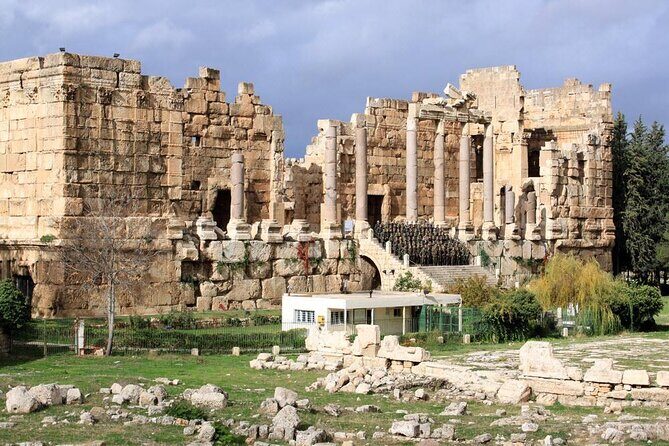
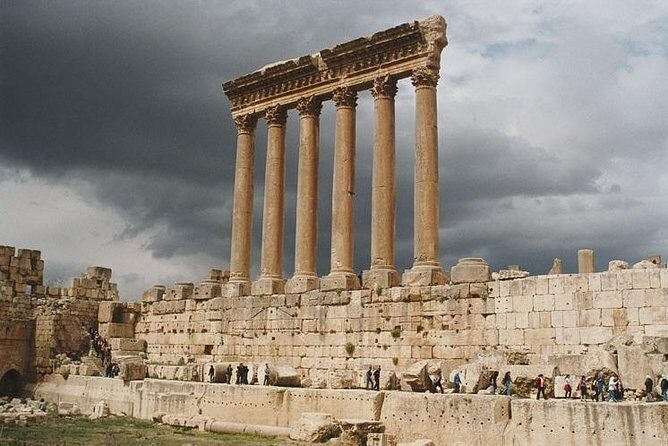
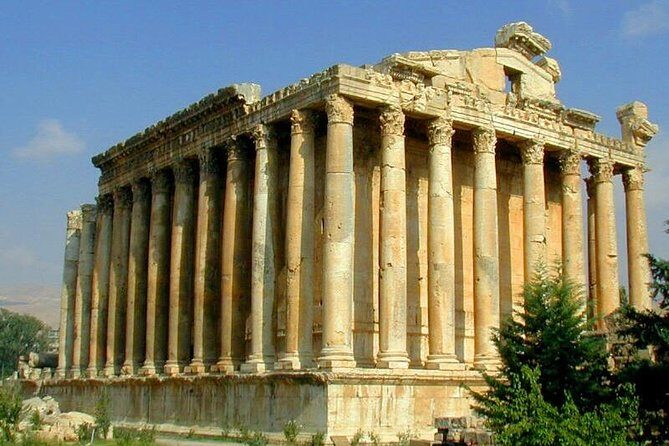
Next comes Baalbek, where the Roman temples make their case fast. You’ll focus first on the large archaeological temple of Bacchus. It’s widely described as one of the best-preserved and grandest Roman temple complexes in the world and is part of the UNESCO World Heritage area.
You get another 1 hour here. That’s enough to walk the main areas, look up, and really feel the “how did they do this?” scale. Bacchus is a strong choice as a first Baalbek stop because it’s both grand and visually readable: columns, levels, and architectural rhythms are easier to understand than random scatter.
Admission again isn’t included. If you’re the kind of person who hates surprise fees, check ticket prices before you go, but even if you don’t, the tour schedule is built around enough time to handle it.
Colossal stones and the most preserved ruins: the second Baalbek hour is for your camera

After Bacchus, you’ll spend about 1 hour at the most preserved Roman ruins at Baalbek. This part is about scale and construction—giant pillars and huge stones that make you rethink human labor.
This is where I’d slow down. Look from ground level and then step back. Try to spot the massive blocks that make the site so famous. The difference between a quick visit and a really satisfying one is usually this: you spend time on your own, not just on a route.
If you’re visiting with someone who wants facts, this is also where a good driver earns their keep. Several people highlighted that their drivers gave lots of information and helped them chat along the way. With a site this big, that extra explanation makes the stones less abstract.
You can also read our reviews of more private tours in Beirut

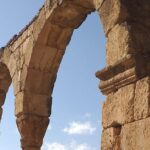




Hajar al-Hibla: the Pregnant Woman monolith, up close in a short stop
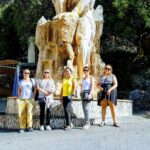
Between the bigger temple blocks, there’s a shorter stop: Hajar al-Hibla. You’ll spend about 20 minutes, and yes, it’s named for the Stone of the Pregnant Woman, plus another nearby ancient block.
This monolith is among the largest ever quarried. One estimate given is that the third monolith weighs around 1,650 tons, making it the largest stone ever carved by human hands. Even if you don’t treat that as an exact number, the point is clear: you’re standing near something that challenges scale.
Admission is free here, so you get a no-fee stretch of pure wow. Also, because the stop is short, it works well if you’re tired from longer walks at Baalbek—like a palate cleanser for your brain.
Baalbek’s old souk and the old-world pause
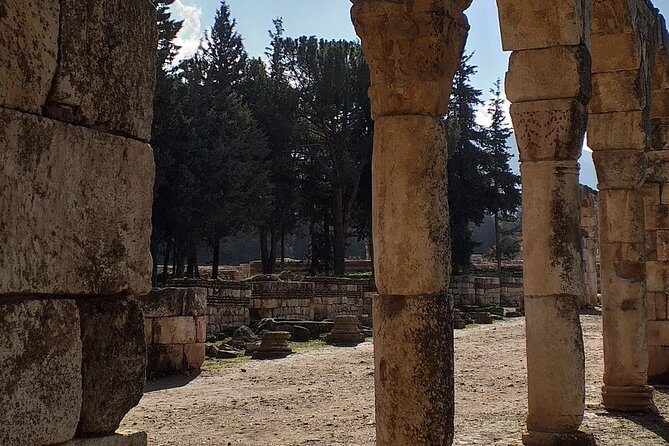
You’ll also get time in Baalbek Municipality to walk and explore the old souk. This is about 30 minutes, and admission is free.
I love adding souk time to a big-ruins day because you get human scale back. Instead of only stone giants, you’re seeing traditional shops and a street-level version of Baalbek life. If you want souvenirs, this is your window. If you don’t, it’s still a chance to stretch your legs and reset.
You’ll pass near the great mosque of Baalbek too, which includes a holy shrine of Sayida Khawla, daughter of Imam Hussein and grandson of the Prophet Muhammad. The area also has a tree said to be around 1,400 years old. You won’t have hours here, but seeing the shrine and the old tree from the outside gives the day more texture.
Lunch at Lakkis Farm – Zahle: one scheduled meal, no guesswork
Lunch is built into the schedule at Lakkis Farm – Zahle. The menu includes traditional food, fresh meat, chicken, vegetarian options, and snacks. That variety is practical when you’re traveling with different tastes.
Why I appreciate this setup: it removes the hardest decision of the day—finding food after hours on the road. You’re not hunting for a place while hungry and tired. You’ll eat, refuel, and then finish the day without chaos.
A quick note: exact lunch duration isn’t stated, so treat lunch as a flexible reset rather than a strict timeline. If you have dietary needs, it’s worth telling the operator in advance since the tour data only says the menu options are available.
Your driver is the whole secret sauce (Ali, Harake, Spring, Khodor)
On paper, it’s a private chauffeured tour with remarks along the way. In real life, that turns into something more useful: your driver often becomes your translator for the site—practical and conversational, not just reciting facts.
The names people associated with standout experiences include:
- Ali, described as professional and informative
- Harake/Haraki, praised as welcoming, helpful, and accommodating
- Khodor, noted as cool and enjoyable to talk with
- Spring, described as attentive and knowledgeable
- Jeyhad, mentioned as informative and friendly
You’ll also have an experienced English speaker local group leader noted as part of the offering. Still, as mentioned earlier, there’s at least one case where the experience felt more like private driver guidance than a full guide everywhere. My advice: if you want a lot of commentary inside each site, message the company when you book and ask directly whether a site guide is included or can be added at each stop.
Tickets, timing, and how to plan your photos
Here’s the practical structure you can build your own plan around:
- Aanjar: about 1 hour, admission not included
- Baalbek (Temple of Bacchus): about 1 hour, admission not included
- Baalbek (other preserved ruins): about 1 hour, admission not included
- Hajar al-Hibla: 20 minutes, free admission
- Souk time: 30 minutes, free admission
- Lunch: at Lakkis Farm – Zahle
- Plus driving time through the Bekaa Valley, and return to your hotel
That schedule is long enough that you’ll feel like you used a full day, which is what you want for Baalbek. It’s not long enough that it turns into a sleepwalking marathon.
Photo tip: Baalbek’s best angles often come from stepping back and changing height. Give yourself those unplanned seconds. This tour’s “explore on your own” design makes that possible.
The airport departure voucher: a real time-saver if you fly soon
One of the most useful extras is the free airport departure transfer voucher. It’s one-way, used within 10 days after your tour date, and it applies from the Beirut district.
This is the kind of perk that can offset your overall cost. If your itinerary includes a flight soon after your Baalbek day, it can remove the hassle of arranging a separate transfer at the last minute. At minimum, it’s a helpful bonus even if you end up using it for a later trip.
Who this tour is for, and who should choose something else
This is a strong fit if you want:
- A private day trip out of Beirut without the stress of public transport
- To see both Baalbek and Anjar rather than picking just one
- Time to wander on your own, not a tightly scripted checklist
- Driver-led storytelling while still having control of your pace
- A scheduled lunch and a straightforward plan
It may be less ideal if you want:
- A dedicated guide for every single site with no reliance on driver explanations
- Extra stops for shopping detours, wine tasting, or similar add-ons (this tour is built to focus on the ruins, souk, and lunch)
Should you book this private Baalbek and Anjar day tour?
I’d book it if you’re balancing time and want the most meaningful Roman-to-early-Islamic comparison you can get in one day. The value is in the structure: private air-conditioned transport, hotel pickup, time to explore each site, and the bonus airport voucher.
Go ahead and book if you like your sightseeing to feel calm, with room to look up at the architecture and down at the street layouts in Aanjar. Just do one smart thing before you pay: ask whether the English-speaking guide is present inside both Baalbek stops and Aanjar, or whether it’s primarily your driver doing the explanation. If you clarify that, you’ll end up with exactly the kind of day that people seem to remember—big ruins, a different kind of city, and a ride that doesn’t feel like a chore.
FAQ
What time does the tour start?
The pickup starts at 8:30am from your hotel in Beirut.
How long is the tour?
The duration is listed as about 8 hours.
Is hotel pickup and drop-off included?
Yes. Pickup and drop-off within Beirut are included.
Are entrance tickets included for Aanjar and Baalbek temples?
No. Admission tickets for Aanjar and the Baalbek temple stops are not included.
Which parts have free admission?
Hajar al-Hibla and the Baalbek Municipality souk time are listed as free admission.
Is lunch included?
Lunch is included as part of the schedule at Lakkis Farm – Zahle, with options such as traditional food, fresh meat, chicken, vegetarian, and snacks.
Does the tour provide an airport transfer voucher?
Yes. You get a free one-way airport departure transfer voucher to use within 10 days after the tour date from the Beirut district.
Is this tour private?
Yes. It’s described as a private tour/activity, meaning only your group participates.
Can I cancel for a full refund?
Free cancellation is available up to 24 hours in advance of the experience start time for a full refund.
What happens if weather is poor?
The experience requires good weather. If it’s canceled due to poor weather, you’ll be offered another date or a full refund.