REVIEW · BEIRUT
Small-Group Tour to Sidon, Tyre and Maghdouche with Lunch and Tickets
Book on Viator →Operated by Lebanon Tours Online · Bookable on Viator
Southern Lebanon has a special pull.
This small-group day trip to Sidon, Tyre, and Maghdouche turns ancient stones into a clear story, with hotel pickup, lunch, and included site tickets. I really like the small size (max 15), because your guide can actually keep track of what you’re curious about. I also like that lunch and admissions are included, so you’re not doing math all morning. The one catch: it’s an 8-hour sampler, so a few stops feel quick if you want slow, detailed wandering.
You’ll start at 8:00 am with an air-conditioned ride heading south. The day mixes Crusader-era remains, Ottoman and local trade history, and major Roman landmarks like a UNESCO-listed hippodrome, plus a well-known Marian shrine in Maghdouché. If you’re the type who hates timed stops, plan to shop for photos over long reading time.
In This Review
- Quick hits before you go
- How the day runs from Beirut (and why the timing works)
- Sidon Sea Castle: crusaders, causeways, and centuries of damage
- Khan al-Franj: Sidon’s courtyard hub of trade and culture
- Sidon Souks: a working maze of crafts and everyday commerce
- Maghdouché’s Lady of Awaiting: a shrine with a story you can feel
- Al-Bass archaeological site: Roman Hippodrome scale and sarcophagi
- Tyre Hippodrome and UNESCO: one of the best Roman arenas
- Lunch in the middle: fueling the history sprint
- Value check: does $65 actually make sense?
- Who this tour fits best (and who should consider alternatives)
- Should you book this Sidon, Tyre, Maghdouché tour?
- FAQ
- What is the duration of the tour?
- What time does the tour start?
- Does the price include lunch?
- Are entrance fees and tickets included?
- Is hotel pickup and drop-off included?
- How big is the group?
- Do I get a tour leader and local guide?
- Is there free cancellation?
Quick hits before you go
- Small-group pacing (max 15) means you’re not lost in a crowd.
- Lunch plus tickets are built in, so the $65 price feels more like a package than a la carte.
- Sidon Sea Castle shows how crusader fortresses got reshaped over centuries.
- Maghdouché’s Lady of Awaiting shrine mixes a tower statue, cathedral, cemetery, and a sacred cave story.
- Roman Tyre highlights include Al-Bass and the UNESCO-listed Tyre Hippodrome.
How the day runs from Beirut (and why the timing works)
This is an 8-hour loop from Beirut, starting at 8:00 am with hotel pickup and drop-off. You’ll travel in an air-conditioned vehicle, which matters in southern Lebanon when the morning light turns hot fast. The tour is designed as a “greatest hits” arc: Sidon first, then Maghdouché, then Roman Tyre before you head back.
What you’re really buying here is structure. Each site has a set visit window, and admissions are included. That means you spend your time looking at the places, not negotiating tickets, hunting parking, or guessing what matters most. It also helps if your Arabic is basic, since your guide can translate the big ideas without drowning you in details you don’t need.
A few more Beirut tours and experiences worth a look

Sidon Sea Castle: crusaders, causeways, and centuries of damage
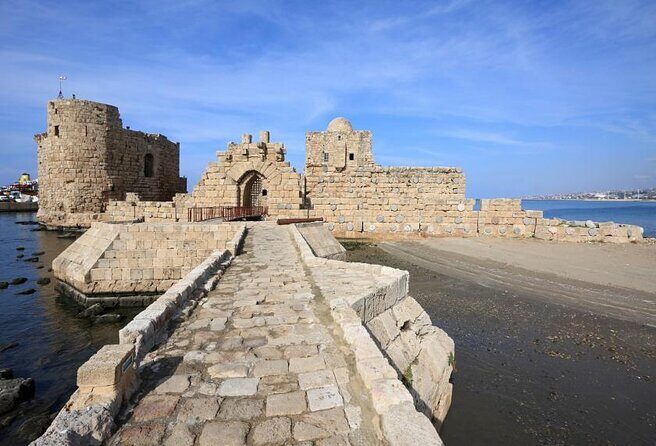
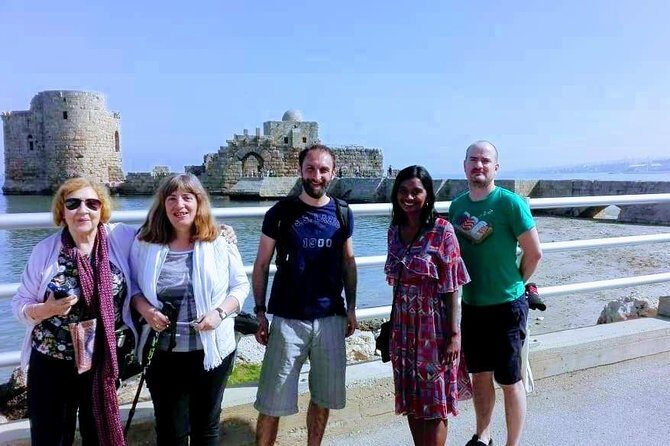
Your first major stop is the Sidon Sea Castle, a crusader fortress built in the 13th century on a small island. What makes it memorable is the setting: it was linked to the mainland by a causeway, so it functioned like a coastal stronghold, not just a pretty ruin.
The story behind it is the kind that explains why the stones look the way they do. The castle suffered major destruction in 1291 under the Mamluks, then later received restoration from Fakhr el-Dine Maan II in the early 17th century. Even if what you see today is stripped down compared with older descriptions, the castle still gives you a clear feel for medieval military design.
The visit window is about 30 minutes, so don’t expect a long museum-style experience. Instead, treat it like a viewpoint stop: walk the area you can access, spot the strongest remnants, and let your guide connect the timeline.
Khan al-Franj: Sidon’s courtyard hub of trade and culture
After the fortress, you head to Khan al-Franj, one of Sidon’s key attractions. This one is easier to enjoy slowly than a war-era site because it’s about space and daily life: it was built in the early 17th century by Emir Fakhreddine II as a kind of hotel for ambassadors and a center for commercial exchange between Lebanon and France.
It’s also one of those places where the function turns into a story. The khan wasn’t only lodging and commerce; it also became a center for literature, religion, history, industry, and diplomacy. On the ground, you’ll see a typical khan layout: a large rectangular courtyard, a central fountain, and covered galleries around the edges. That layout is a practical design that helped travelers and merchants meet, trade, and regroup.
Your time here is around 15 minutes. If you like architecture, I’d focus on how the courtyard feels compared with the castle earlier. One is about defense. The other is about connection.
Sidon Souks: a working maze of crafts and everyday commerce
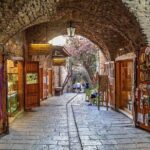
Next comes Sidon Souks, and this is where the day gets human. This souk is the commercial center for retail and craft work, and it’s laid out as a maze of narrow alleys packed with small kiosks, shops, and cafés. You’ll pass street merchants and traditional trades—think butchers, grocers, shoe-makers, tailors, and jewelers—so it doesn’t feel like a theme park market.
What I like about souks on a guided day is that you’re not just shopping for souvenirs. You get context for what these goods and trades meant locally. Even if you just pause for a quick drink or look at the layout, you’ll start seeing the souk as a system, not random stalls.
This stop is also about 15 minutes, which is short. Go with a simple goal: pick one or two streets to explore, buy only what you genuinely want, and don’t get stuck staring at everything. The tour moves on for a reason.
Maghdouché’s Lady of Awaiting: a shrine with a story you can feel
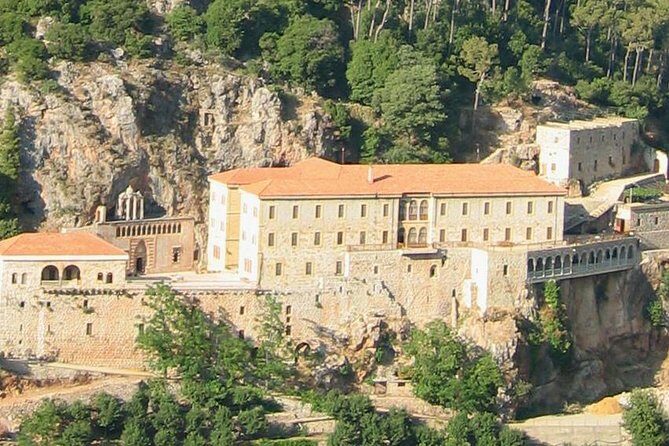
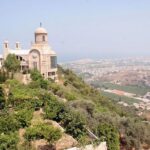
Then the day shifts to faith and legend at Maghdouché’s shrine dedicated to Our Lady of Mantara, also known as the Lady of Awaiting. You’ll spend about 15 minutes here, but it tends to be the stop where people quiet down a bit. It’s a religious site, and the atmosphere is part of the experience.
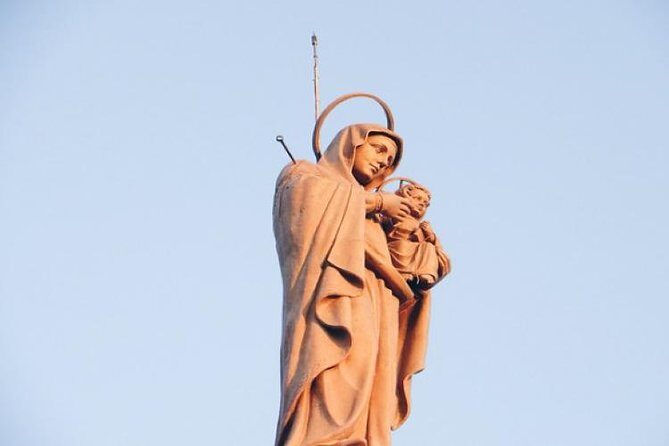
The shrine was discovered on 8 September 1721 by a young shepherd, which is the kind of origin detail that makes the place feel personal. The complex includes a tower crowned with a statue of the Virgin and Child, a cathedral, a cemetery, and a sacred cave believed to be the place where Mary rested while waiting for Jesus.
What’s practical for you: wear modest clothing if you can, and keep your visit respectful since this is an active shrine. Also, since the time is brief, you may need to choose what to focus on—the tower and statue, or the cave story, or the cathedral space. Your guide can point out what to prioritize in the limited time.
A few more Beirut tours and experiences worth a look
Al-Bass archaeological site: Roman Hippodrome scale and sarcophagi
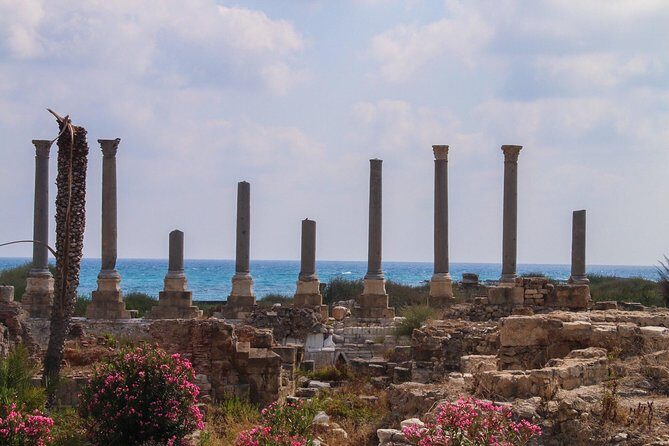
By the time you reach Tyre area landmarks, you’re getting into big Roman territory. First up is Al-Bass Archaeological Site, described as the largest and best-preserved Roman Hippodrome example. The setting here is also tied to how Tyre entered its ancient world: this sector, called Tyre El Bass, formed the principal entrance in antique times.
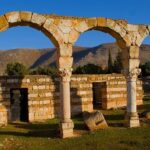
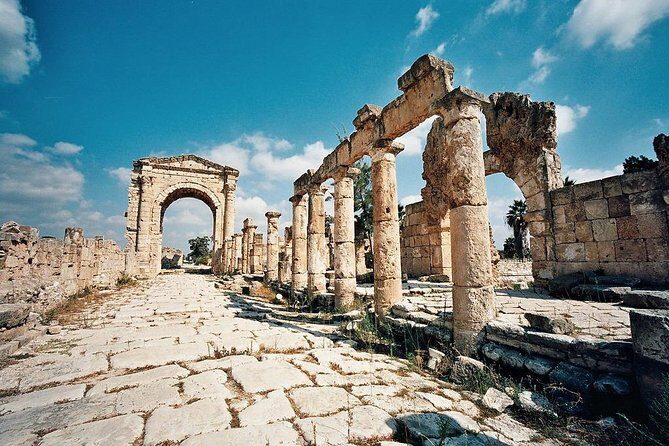
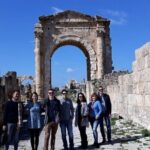
This area has more than one type of ruin. You’ll see the necropolis on either side of a wide monumental causeway, dominated by a Roman triumphal arch from the 2nd century AD. There’s also an aqueduct and the hippodrome itself, again from the 2nd century, noted as one of the largest of its kind in the Roman world. If you like “how big was it really” archaeology, this stop is for you.
The site includes several hundred well-preserved sarcophagi, an intact Roman road, and the monumental arch. That combination is what makes it more than a quick look: it gives you burial space, movement routes, water infrastructure, and ceremonial architecture all in one place. Your visit time here is about 1 hour, which is a fair chunk for appreciating scale.
Tyre Hippodrome and UNESCO: one of the best Roman arenas
After Al-Bass, the tour hits the Tyre Hippodrome itself, a UNESCO World Heritage site in Tyre dating back to the 2nd century A.D. It’s considered one of the largest and best-preserved Roman hippodromes of its type in the Roman world.
This is the moment where your imagination starts doing work. Even if you’re not a Roman-history nerd, you can still understand the function: it was designed for big crowds and major events, and its survival helps you picture how that arena shaped daily life around it.
The visit window is about 1 hour. Use that time to walk around and take in proportions. If you’re photographing, shoot from multiple angles, because Roman layouts can look confusing when you’re stuck in one spot.
Lunch in the middle: fueling the history sprint
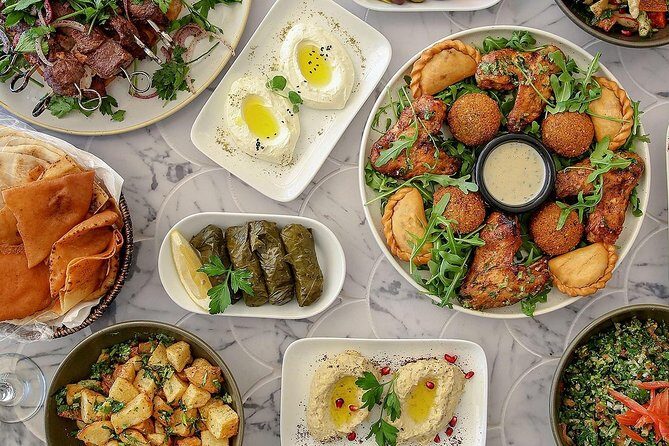
Lunch is included, and it’s a Lebanese lunch. In a day like this, where you’re moving through several major sites, included food matters because it prevents the classic tourist problem: skipping lunch to save time, then crashing in the middle of the good part.
Since lunch timing isn’t spelled out in detail, your best move is to treat it like a scheduled recovery break. Bring a small water bottle if you can, and plan to keep some energy for the later Tyre ruins. If you’re sensitive to heat, consider a hat and sunscreen too. The tour gives you a ride, but it doesn’t erase sun.
Also, don’t be shy about asking your guide how to connect the themes. You can use lunch as a moment to ask questions that make the next sites click.
Value check: does $65 actually make sense?
At $65 per person, this tour can be good value if you factor in what’s included. You get round-trip hotel pickup and drop-off, an air-conditioned vehicle, a tour leader, entrance fees/tickets to historical sites, and lunch. On top of that, there’s a local guide in Tyre, which is often where the most detailed context comes from.
If you tried to do this on your own, you’d likely spend time and money on transportation, individual admissions, and figuring out the order. Here, the day is packaged so you can spend your energy sightseeing.
The only thing to watch is that you won’t get a “stay all afternoon in one place” experience. This price is buying efficiency and guidance, not unlimited time.
Who this tour fits best (and who should consider alternatives)
This is a great match for you if you like guided history you can actually follow without studying beforehand. It also suits you if you want a compact hit list of Sidon, Maghdouché, and Roman Tyre, with less hassle than DIY planning.
It may not fit you as well if you’re the type who wants long, quiet exploration at every stop. The key sites are impressive, but the time at each location ranges from about 15 minutes to an hour. You’ll still see a lot, but it’s a “see and understand” format, not a “wander and disappear” format.
It also works best if you’re comfortable with religious sites and respectful visiting. The Lady of Awaiting shrine has a real, living meaning for many visitors, and you’ll get more out of it by approaching it that way.
Should you book this Sidon, Tyre, Maghdouché tour?
I’d book if you want a structured southern Lebanon day that covers major eras—Crusader, Ottoman-era Sidon trade spaces, a Marian shrine story, and Roman Tyre on a World Heritage level. The small group size, included lunch, and ticket coverage make it feel practical, not risky.
I wouldn’t book if you hate time limits or you need long museum-style pacing. In that case, you might prefer fewer stops with more hours per place.
If you’re deciding between this and DIY, choose this if you value context and fewer logistical headaches. Choose DIY only if you already know exactly what you want to see and you don’t mind handling transport and entry on your own.
FAQ
What is the duration of the tour?
The tour is about 8 hours.
What time does the tour start?
It starts at 8:00 am.
Does the price include lunch?
Yes. A Lebanese lunch is included.
Are entrance fees and tickets included?
Yes. Tickets and admission to the historical sites are included.
Is hotel pickup and drop-off included?
Yes. The tour includes hotel pick up and drop off.
How big is the group?
It’s a small-group tour with a maximum of 15 travelers.
Do I get a tour leader and local guide?
Yes. You’ll have a tour leader, and there is also a local guide in Tyre.
Is there free cancellation?
Yes. You can cancel up to 24 hours in advance for a full refund.