REVIEW · BEIRUT
Anjar, Baalbek & Ksara Winery
Book on Viator →Operated by Explore Lebanon Tours · Bookable on Viator
Roman ruins plus wine country is a rare combo. This private outing strings together Anjar and Baalbek—both major witnesses to ancient power—then lets you finish with the optional stop at Lebanon’s oldest winery, Chateau Ksara. It’s built for an easy day: hotel pickup, bottled water, and a guide who keeps things moving without rushing.
I especially liked the round-trip private transfer. Beirut traffic can eat a whole day, but having transport and pickup handled means you don’t waste energy on logistics. I also liked that you’re not stuck in a big crowd—this is a private tour, and in past experiences with Explore Lebanon Tours, guides such as Nicola and Fawzi (and others like Luka, Elie, and Mahdi) have been praised for making the day feel personal.
One possible drawback: you’ll walk on uneven terrain with small rocks at the sites, and you’ll want a plan for food because meals and drinks aren’t included.
In This Review
- Key highlights I’d plan around
- The big idea: why Anjar + Baalbek makes sense as one trip
- Getting there smoothly: private pickup from Beirut
- Anjar: Umayyad civilization in a stone-and-street mood
- Baalbek: walking among the largest Roman temple ruins
- Guides and pacing: what you can expect from the Explore Lebanon Tours team
- The optional finale: Chateau Ksara and Lebanon’s oldest winery
- Price and value: what $208 per person really covers
- Timing, walking, and weather: the small stuff that matters
- Who this tour is best for
- Should you book Anjar, Baalbek & Chateau Ksara?
- FAQ
- How long is the Anjar, Baalbek & Ksara Winery tour?
- What time does the tour start?
- Do I get hotel pickup and drop-off?
- Is this a private tour?
- Is Chateau Ksara included, or is it optional?
- What’s included in the price?
- What’s not included?
- Is the tour weather-dependent?
Key highlights I’d plan around
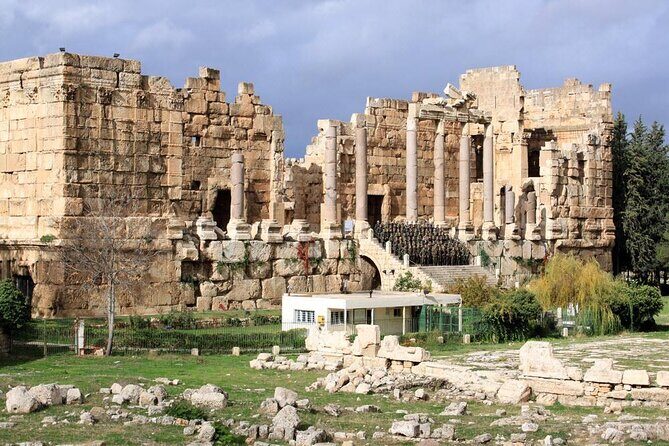
- Baalbek’s scale and UNESCO setting: Roman temples that look unreal in person.
- Anjar’s Umayyad stones: a different era than Baalbek, so the day doesn’t feel repetitive.
- Optional Chateau Ksara: a slower, scenic finish if you want wine country time.
- Hotel/port pickup and bottled water: you start the day already organized.
- Private guide experience: your group stays together, at your pace.
The big idea: why Anjar + Baalbek makes sense as one trip
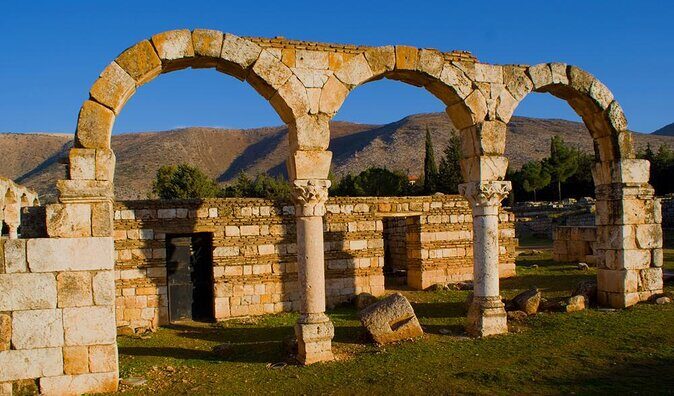
Anjar and Baalbek are close enough to combine in a single day, but different enough to keep your brain awake. Anjar gives you that Umayyad-era feel—more of a street-and-stone sense of how power shaped daily life. Baalbek then swings the spotlight to the Roman world, where the building project feels almost aggressive in its confidence.
For me, that contrast is the win. You get two snapshots of Lebanon’s past without sitting through one long, same-style stop after another. And because it’s a private tour, you can ask quick questions in the moment, instead of trying to catch a guide’s attention in a group of strangers.
The day is also designed around comfort. You start at 8:30 am and you’re picked up from your hotel (or port, if you’re doing this as a cruise excursion). The transport is private, and there’s bottled water in the car, which matters more than it sounds when you’re out in the sun.
You can also read our reviews of more wine tours in Beirut
Getting there smoothly: private pickup from Beirut
Let’s be honest: most “ruins day trips” fail before you even reach the ruins. Either you lose time figuring out meeting points, or you spend the morning stuck behind traffic while everyone pretends that’s fine.
Here, you’re covered with round-trip private transfer plus hotel pickup and drop-off. That means you can focus on the scenery and the plan, not on schedules, taxis, or where to park. And since the tour is private, you’re not waiting around for late arrivals from other hotels.
I’d call this a good value move if you’re traveling as a couple or family. Paying $208 per person isn’t cheap, but the cost is softened by what you get: transport, a private tour setup, and bottled water. In a day with a lot of walking, saving time on logistics is part of the real price.
Anjar: Umayyad civilization in a stone-and-street mood
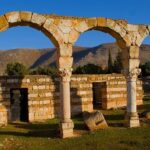
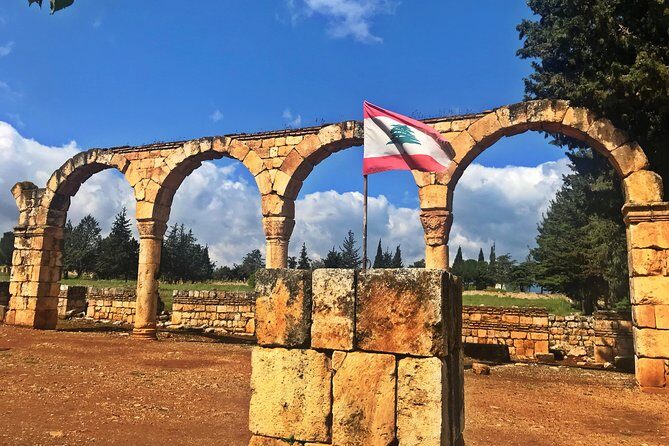
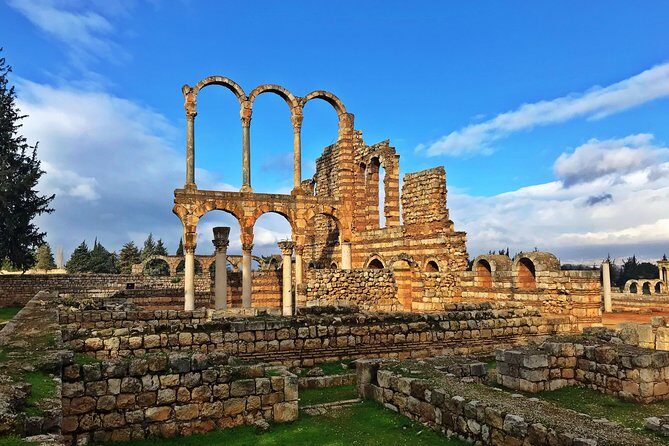
Anjar is described as an outstanding witness to the Umayyad civilisation, and that comes through in the way the site feels like a place designed with authority. You’re not only looking at single monuments—you’re reading the layout and imagining how the city functioned.
This stop is also a good mental reset from Baalbek. Where Baalbek is all about massive Roman statements, Anjar is about a more structured urban presence. Even if you’re not a history buff, you’ll likely find it easier to follow: paths, walls, and the sense that this was a planned world.
Practical tip: wear comfortable walking shoes. The tour notes uneven terrain with small rocks, and that’s exactly the kind of detail that can ruin a day if you show up in sandals or thin-soled sneakers.
Baalbek: walking among the largest Roman temple ruins
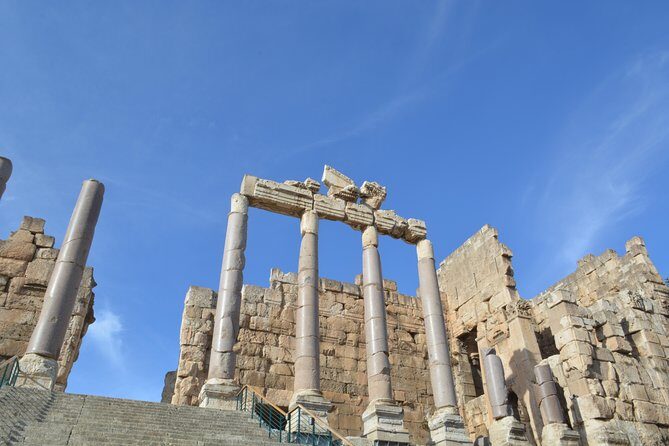
If Baalbek is on your list, you’re in for the kind of site where your brain keeps asking, how did they do this.
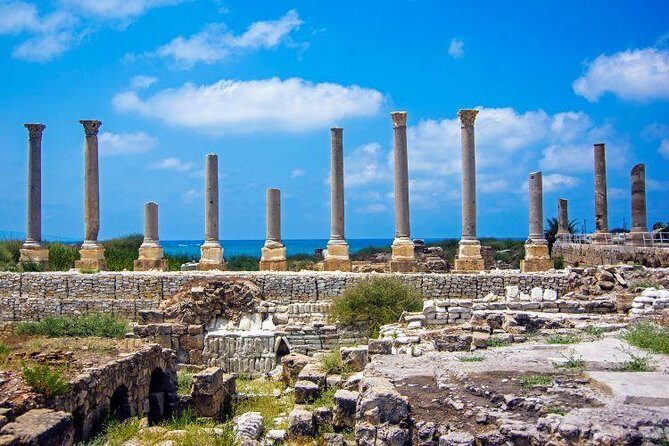
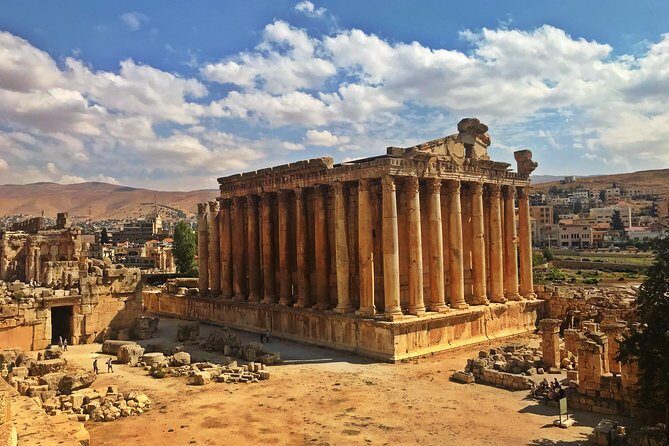
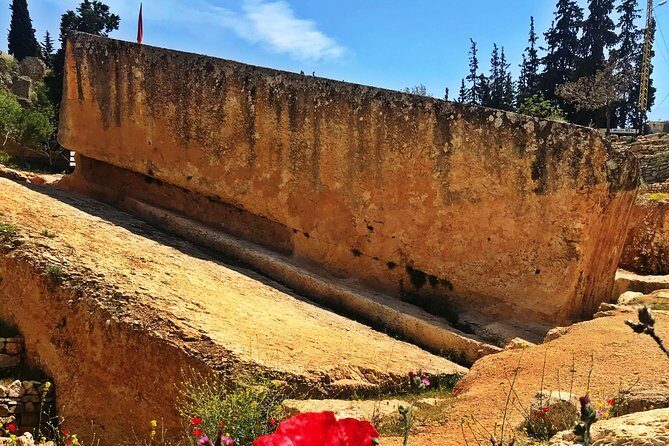
The highlights here are the Baalbek Temple area and the scale of the Roman temples—positioned as among the largest and most noble temples ever built. This is also a UNESCO site, which usually means the core areas are well set up for visitors. In a day structured around both Anjar and Baalbek, Baalbek is the emotional peak: it’s the stop you remember when you’re back in town.
The package lists Baalbek admission as free, which is a nice bonus. Still, don’t plan this like a short photo stop. Factor in time to slow down, scan details, and walk the site at a comfortable pace.
Also, bring sun protection. The tour guidance is very direct about it—hat and sunscreen help a lot. Baalbek can feel exposed, and you don’t want to spend your best moments swiping sweat off your camera.
Guides and pacing: what you can expect from the Explore Lebanon Tours team
This kind of private day tour succeeds or fails on the guide. The company’s guides come up repeatedly in client feedback with names like Nicola and Fawzi, plus Luka, Elie, and Mahdi in other past experiences. The pattern in those comments is consistent: personal attention, calm organization, and support when plans change.
You should expect the guide to shape the day around your group. That can mean adjusting how long you linger at a temple area, speeding up when you’re ready, or slowing down when someone wants photos and questions. In a private format, the guide isn’t competing with 30 other people’s timelines.
Dress code is listed as smart casual. That doesn’t mean you need a jacket. It just means avoid anything too sloppy, and choose breathable layers if you’re traveling in warm weather.

The optional finale: Chateau Ksara and Lebanon’s oldest winery
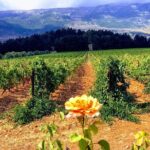
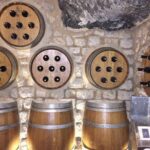
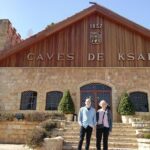
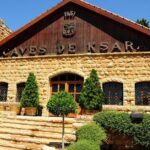
Ending with Chateau Ksara is an easy decision if you like two things: a calmer pace and a sense of place. The winery is described as the oldest winery in Lebanon, and the tone of the stop is different from the archaeological sites. Instead of reading stone, you’re shifting to vineyards and wine culture.
This stop is completely optional. That’s actually a strength. If you’re archaeologically maxed out, you can keep energy for photos and the drive back. If you love the idea of tasting Lebanon’s winemaking story, this can be a satisfying final chapter.
One caution: the tour doesn’t include food and drinks. If you plan to taste wine or add a lunch-like meal, budget for it separately. Think of the winery stop as a bonus experience, not a meal package.
Price and value: what $208 per person really covers
At $208 per person for a 6 to 8 hour private tour, you’re paying for three things: access, convenience, and time.
Here’s what’s clearly included:
- Round-trip private transfer
- Transport by private vehicle
- Private tour (your group only)
- Hotel/port pickup and drop-off
- Bottled water
What’s not included:
- Food and drinks
- Lunch
- Drinks
- Any fees and taxes
So the value depends on your style of travel. If you like doing a lot with minimal planning, this can feel like money well spent. If you already know your transportation plans and are comfortable doing sites independently, you might find cheaper options—but you’ll likely lose the “no logistics pain” part of the day.
My practical take: for a private day with two major sites plus an optional winery, the structure is what you’re buying. You’re not just paying for entrance points. You’re paying for the smooth day.
Timing, walking, and weather: the small stuff that matters
This is a good-weather experience. If conditions aren’t right, it may be canceled, and you’ll be offered a different date or a full refund. That’s important because these sites are outdoors and you’ll be walking uneven ground.
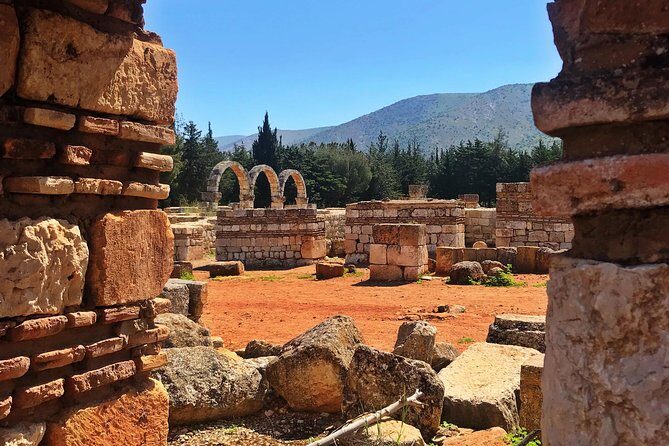
Plan around the walking. The tour guidance specifically mentions uneven terrain with small rocks at Baalbek and Anjar. That means:
- Comfortable walking shoes are non-negotiable
- You’ll want to move at a steady pace
- You’ll appreciate a hat and sunscreen
Timing note: start is 8:30 am, and the full day is about 6 to 8 hours. That gives you a full daylight window, but don’t plan anything tight right after you return—build in buffer time.
If you have dietary requirements, advise at booking so the team can plan accordingly for the part of the day that involves optional meals or winery-related stops.
Who this tour is best for
This is a strong choice if you want:
- Private time with a guide instead of a crowded day
- A blend of ancient sites and a calmer optional finale
- Stress-light planning from Beirut, including pickup and transport
It also fits families and mixed-age groups better than big bus tours, because your guide can slow down or speed up with your group’s needs.
If you hate walking or you’re limited to smooth surfaces only, you’ll want to think carefully. The terrain note is specific, and the day includes time on foot at both Anjar and Baalbek.
Should you book Anjar, Baalbek & Chateau Ksara?
Yes—if you want a well-run private day that hits two major archaeological stops and gives you the option to end in wine country. The combination of private transfer, hotel pickup, and a schedule that fits in 6 to 8 hours makes it feel like a confident use of time, not a rushed checklist.
Book it especially if you value guidance and pacing. The repeated mentions of guides by name—Nicola and Fawzi, and also Luka, Elie, and Mahdi in other experiences—suggest the company focuses on more than just driving you to sights.
Skip or rethink if you’re not up for walking on uneven ground, or if you’re expecting food and drinks to be handled for you. Bring your own lunch plan or budget for meals, and you’ll enjoy the day much more.
If your goal is an organized, memorable day out of Beirut with real ancient scale (and possibly a winery finish), this one fits the bill.
FAQ
How long is the Anjar, Baalbek & Ksara Winery tour?
The tour lasts about 6 to 8 hours.
What time does the tour start?
The start time is 8:30 am.
Do I get hotel pickup and drop-off?
Yes. Hotel/port pickup and drop-off are included.
Is this a private tour?
Yes. It’s a private tour/activity, so only your group participates.
Is Chateau Ksara included, or is it optional?
The visit to Chateau Ksara is optional. The tour description says to finish with the winery visit, but it also clearly states it’s completely optional.
What’s included in the price?
Included are round-trip private transfer, transport by private vehicle, private tour, hotel/port pickup and drop-off, and bottled water.
What’s not included?
Food and drinks, lunch, drinks, and any fees and taxes are not included.
Is the tour weather-dependent?
Yes. The experience requires good weather. If it’s canceled due to poor weather, you’ll be offered a different date or a full refund.