REVIEW · BEIRUT
Jeitta Grotto, Harissa and Byblos Tour
Book on Viator →Operated by Lebanon Tours Online By Fadi Eid · Bookable on Viator
Caves, coast, and cable cars in one day. This Byblos, Jeita Grotto, and Harissa trip strings together three very different sides of Lebanon without wasting time. It’s a smart choice if you’re seeing the country for the first time and want big sights plus real context from a guide.
I like the balance: Jeita Grotto’s upper-and-lower cave experience hits both wow-factor and variety, while Byblos gives you a walkable mix of port atmosphere and ancient remains. I also enjoyed the guidance style, with guides such as Fadi (and history-focused Yazid) explaining just enough, then stepping back so you can enjoy the place. The one drawback to plan for: the day is long (about 8–9 hours) and relies on good weather, so cloudy or rainy conditions can change what’s comfortable.
In This Review
- Key Highlights You’ll Actually Notice
- Why Byblos, Jeita, and Harissa Make a Great First-Time Lebanon Day
- Byblos: Old Port Feel, Crusader-Era Stops, and a Walkable Story
- Jeita Grotto: Upper Views, Lower Grotto Boat Option, and All the In-Complex Choices
- Harissa: Teleferique Cable Car Memories and the Maronite Church View Run
- Price and Logistics: What You Pay for at a Glance
- Timing Tips for a Smooth 8–9 Hours
- The Guide Factor: Why People Keep Mentioning the Same Things
- Who Should Book This Tour
- Should You Book This Jeitta Grotto, Harissa, and Byblos Day Trip?
- FAQ
- How long is the Byblos, Jeita Grotto, and Harissa tour?
- Is the tour private?
- Where does the tour start and end?
- Is pickup available?
- Are tickets included for Byblos, Jeita Grotto, and Harissa?
- Does the tour include transportation?
- Is a mobile ticket used?
- What happens at Jeita Grotto?
- How does Harissa work on the tour?
- What if the weather is bad?
- Can I cancel for free?
Key Highlights You’ll Actually Notice
- Three must-sees, one route: Byblos, Jeita Grotto, and Harissa in a single guided day
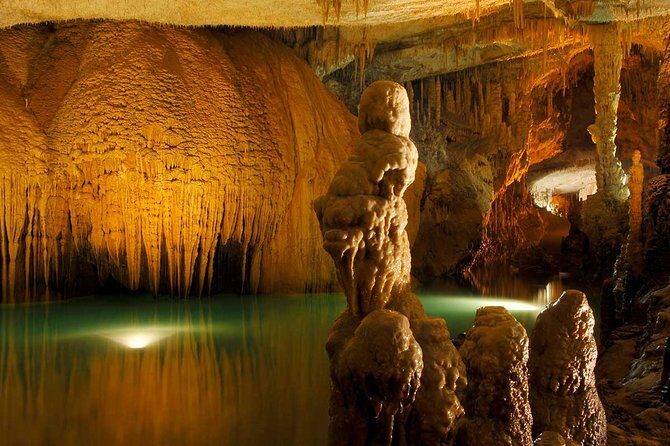
- Jeita has options: upper cave viewpoints plus a lower grotto area where a boat ride is offered
- Harissa is all about the cable car: Teleferique gondolas up to the Maronite Church of Harissa
- A guide you can talk to: past experiences mention friendly, patient explanations and trustworthiness
- Private and flexible-feeling: only your group, and you can usually set a comfortable pace
- Value check: price includes public transport and a restroom on board, with the listed admissions as free
Why Byblos, Jeita, and Harissa Make a Great First-Time Lebanon Day

This tour works because it reads like a quick course in Lebanon—coast, stone, then sky. Byblos starts you near the sea with layers of civilizations close together. Jeita shifts your brain from streets to scale, where caves stretch into forms you can’t easily explain on photos. Harissa ends with a classic view run, using the Teleferique cable car to get you up to the church.
What makes it practical is the structure. Each stop gets a focused chunk of time (about two hours at Byblos and Jeita, then about an hour at Harissa). That’s long enough to walk, look around, and absorb a bit of story, but not so long that your day collapses into one big blur.
Also, you’re not just dropped off at viewpoints. The tour format is guided, and you’re riding in a vehicle with your group only. One review described a roomy private van setup for a family group, and that kind of comfort matters when the day starts early and ends late.
You can also read our reviews of more tours and experiences in Beirut.


Byblos: Old Port Feel, Crusader-Era Stops, and a Walkable Story
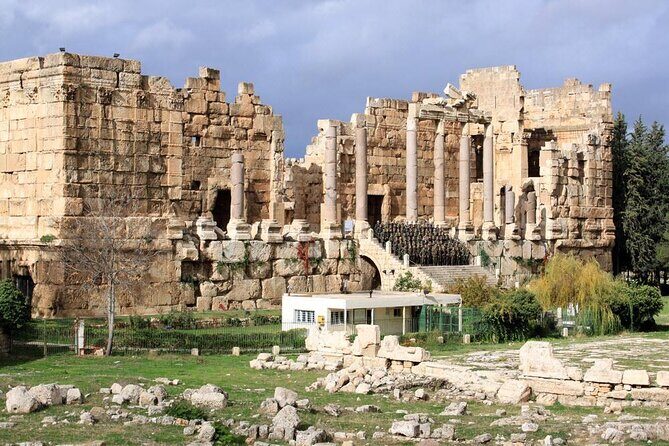
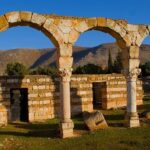
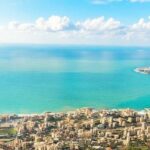
Byblos is the kind of town where you can feel the past without needing a museum ticket. You start with the modern town and the harbor area, sheltered from the sea by a rocky headland. That alone gives you an immediate sense of why this place mattered—boats, trade, and protection all in one view.
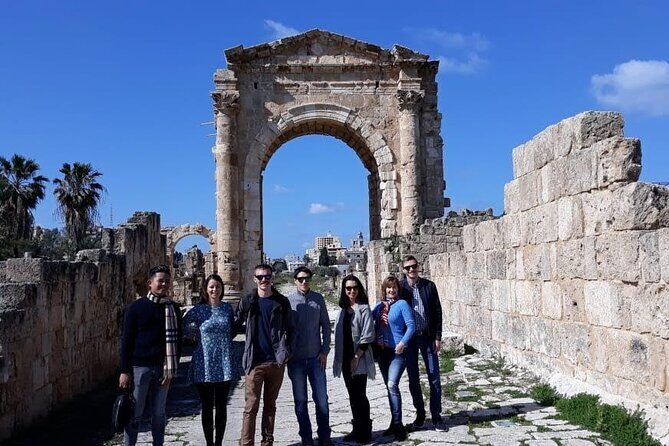
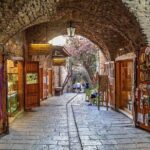
Then you move to the ancient city area nearby, where you can see excavated remains. From there, the tour typically connects you to several key landmarks, including a Crusader castle and the St. Peter church, plus the old market area. If you like history you can walk through, this stop is built for you.
One thing I appreciate is how easy Byblos is to understand in layers. You’re not forced to jump between totally separate sights. It’s more like a compact “greatest hits” of different periods, with the Mediterranean setting doing half the work.
What to watch for: Byblos is outdoors and involves walking. If you’re coming with kids or someone who prefers slower pace, a private guide helps you stay comfortable. If you’re expecting a strict museum-style route, you might find Byblos more like a pleasant wandering day with guidance.
Jeita Grotto: Upper Views, Lower Grotto Boat Option, and All the In-Complex Choices
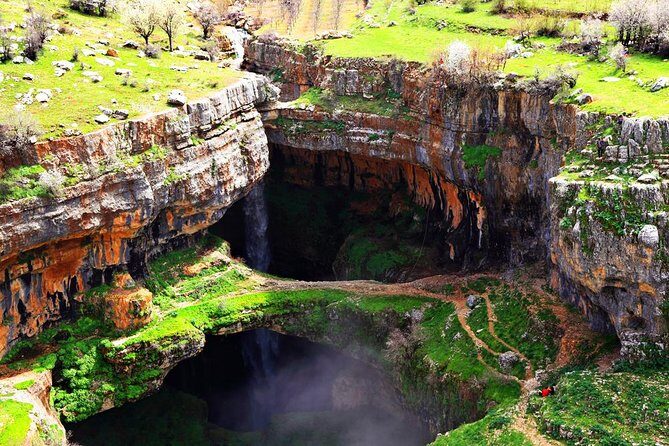
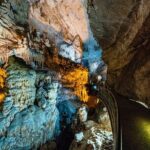
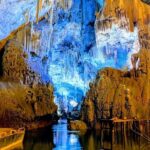
Jeita is where this tour earns its wow-factor. The grotto experience is split into two parts. The upper grotto focuses on the dramatic formations—stone that forms curtains and columns, draperies, and even mushroom-like shapes. This is the section where your eyes do the work, and your mind keeps trying to size up what you’re seeing.
The lower grotto is where the experience adds movement. A boat ride is offered there, giving you a different angle and letting you experience the cave space more directly. Around the complex, you’ll also find features such as ropeways, a train option, a miniature zoo, gardens, and sculptures.
This matters for two reasons:
- You can customize your energy level. If you want to ride and look, you can. If you’d rather slow down and watch, you can.
- You don’t leave with only one kind of memory. You get stone formations up top, then a more hands-on feeling in the lower area.
My practical advice: wear shoes you trust. Cave surfaces and outdoor paths can be uneven. Also, plan to slow your pace for the upper formations. It’s tempting to walk fast, but you’ll get more enjoyment if you pause and look longer than you think you need.
Possible drawback: because the caves are part of a larger complex, you may want to skip the extra attractions (like the miniature zoo) if time runs short at other stops. That’s fine. The grotto core is the main event.
Harissa: Teleferique Cable Car Memories and the Maronite Church View Run
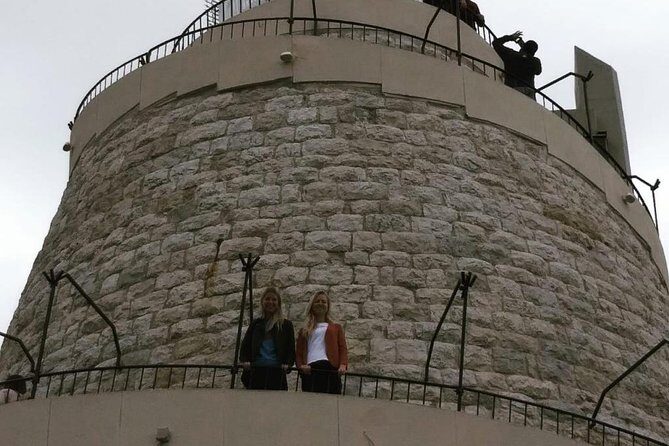
Harissa is a quick, scenic closer. The famous part is the Teleferique aerial cableway, which takes you up by gondola. Even if you don’t usually ride cable cars, this one is worth it for two reasons: it’s visually rewarding, and it sets the mood right away for the last stop.
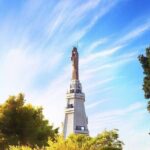
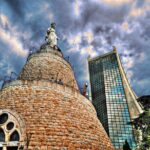
At the top, you reach the Maronite Church of Harissa. This is one of Lebanon’s oldest and most visited tourist attractions, so you can expect it to feel like a real local pilgrimage site as well as a visitor stop.
The experience here is less about long walking and more about the view and the ride. You get an hour at the stop, which keeps it from turning into a drag.
Consideration: if you’re sensitive to heights or if cable car lines are slow, your enjoyment will depend on how the timing works that day. With a private guide, you can usually manage your pace better than on a big group bus day.
Price and Logistics: What You Pay for at a Glance
The tour is listed at $40 per person, running roughly 8 to 9 hours. That price is not just “a seat on a vehicle.” It includes public transportation and a restroom on board, plus it notes a mobile ticket and pickup offered.
Here’s where the value becomes clearer: the stop details list admission as free for Byblos, Jeita, and Harissa. That can keep your day budget under control compared to many full-day tours where entrances add up quickly.
Still, don’t assume everything inside the sites is automatically included. The tour information also says All Fees and Taxes are not included. In a place like Jeita, where there are multiple ride and activity options (boat ride offered, ropeways, train), you should expect that some extras may cost something on the spot.
If you need airport transfers, those are separate: airport pickup costs $20 (including parking) and airport drop off costs $10. That’s useful if you’re not staying near central pickup zones.



Timing Tips for a Smooth 8–9 Hours
This day is long enough that small choices matter.
- Start by pacing yourself at Byblos. If you rush here, you’ll feel it later when you’re standing and looking in Jeita.
- In Jeita, decide early what you want. Upper formations require time. Lower grotto boat rides add a different feel. Then you can choose whether to spend energy on ropeways/train or just enjoy the gardens and sculptures.
- Save your energy for the views. Harissa is shorter, so if you’re tired, you still get the core experience quickly: Teleferique ride and church viewpoint.
One comfort factor mentioned in past experiences: the guides help you adjust and keep things comfortable, especially for families. If you’re traveling with kids or older relatives, that flexible energy can make a noticeable difference.
The Guide Factor: Why People Keep Mentioning the Same Things
The strongest repeated theme is the guide experience. People describe guides as friendly, efficient, and patient. They also talk about timing—knowing when to add context and when to step back so you can simply enjoy the place.
Names show up in the experiences, including Fadi and Yazid. Fadi is described as a very helpful, trustworthy guide who also shares practical local recommendations. Yazid is described as an ex-professor of history who makes the journey feel like organized learning without turning it into a lecture.
Even if you don’t care about formal history facts, this kind of guidance helps you understand what you’re seeing. Byblos becomes more than ruins. Jeita becomes more than photos. Harissa becomes more than a cable car ride.
And yes, there’s also mention of lunch being good and of getting tips for local food and sweets. That’s a quiet advantage on a day trip—having someone steer you toward food that fits your tastes.
Who Should Book This Tour
This tour fits best if you:
- Want a first-time overview of Byblos + Jeita + Harissa in one day
- Like guided context but still want time to look and wander
- Prefer a private group setup rather than a crowd-managed bus day
- Travel with kids or mixed ages and want a guide who can handle pacing
If you’re the type who only wants one big attraction and nothing else, then Jeita might be your standalone day. But if you want variety—coast town, cave geology, then a view run—this itinerary makes sense.
Should You Book This Jeitta Grotto, Harissa, and Byblos Day Trip?
I’d book it if you want a well-paced, guided day that covers three of Lebanon’s classic experiences without turning the trip into a mess of logistics. The biggest selling points are the guided structure, the natural variety across stops, and the sense that the guide helps you enjoy the day rather than rush through it.
Hold off if you’re traveling during uncertain weather or you hate long days. Jeita is dramatic, but the experience depends on conditions and comfort for walking and time spent outdoors. If you’re flexible and ready for a full day, you’ll likely come away with photos you can’t stop talking about—and stories that actually make sense.
FAQ
How long is the Byblos, Jeita Grotto, and Harissa tour?
The tour lasts about 8 to 9 hours.
Is the tour private?
Yes. It’s a private tour/activity, and only your group participates.
Where does the tour start and end?
It starts in Beirut, Lebanon, and it ends back at the meeting point.
Is pickup available?
Pickup is offered. Airport pickup is listed as an extra service with a cost of $20 (including parking).
Are tickets included for Byblos, Jeita Grotto, and Harissa?
The stop information lists admission tickets as free for Byblos, Jeita, and Harissa. The tour also notes that all fees and taxes are not included, so additional charges for optional activities may still apply.
Does the tour include transportation?
Yes. It includes public transportation, and there is a restroom on board.
Is a mobile ticket used?
Yes. The tour includes a mobile ticket.
What happens at Jeita Grotto?
Jeita is split into an upper and lower grotto. The upper grotto has dramatic stone formations, and a boat ride is offered in the lower grotto.
How does Harissa work on the tour?
Harissa is visited via the Teleferique aerial cableway (gondolas), which leads you to the Maronite Church of Harissa.
What if the weather is bad?
This experience requires good weather. If it’s canceled due to poor weather, you’ll be offered a different date or a full refund.
Can I cancel for free?
Yes. You can cancel up to 24 hours in advance for a full refund.