REVIEW · BEIRUT
Small Group Tours to Jeita Grotto and Byblos with tickets
Book on Viator →Operated by Beirut Daily Tours · Bookable on Viator
Two words: glowing limestone caves. This small-group day hits Jeita Grotto first, then Byblos for Phoenician-era sights, and it’s run with tickets handled for you. I especially like the tight pacing and the fact you’re capped at 15 travelers, so the day doesn’t feel rushed. One catch: lunch isn’t included, so plan food for before or after.
You start at 8:00 am with pickup in an air-conditioned vehicle, and you get a mobile ticket setup that helps keep the lines and confusion down. The price may look simple on paper at $60, but most of your sightseeing entry is taken care of, which is where the value comes from.
In This Review
- Key points before you go
- A full Beirut day with caves, Phoenician ruins, and a view
- Jeita Grotto: your two-hour window in a world-famous natural reserve
- Byblos after the caves: oldest city layers and the Phoenician alphabet connection
- Byblos Castle: Crusader architecture plus the best ruins perspective
- Old Souk and Byblos Port: quick stops, real atmosphere
- The small-group format: why max 15 travelers feels better
- Tickets included: where $60 turns into real value
- Timing: what a 6-hour route feels like in real life
- Who should book this Jeita Grotto and Byblos tour?
- Should you book this tour?
- FAQ
- What time does the tour start and how long is it?
- Is pickup included?
- Are entrance tickets included?
- Is lunch included in the price?
- How big is the group?
- What is the cancellation policy?
Key points before you go

- Jeita Grotto admission included with about two hours inside a natural reserve about 18 km from Beirut
- Byblos built for history lovers with a stop tied to the Phoenician alphabet story
- Byblos Castle viewpoint from the foursquare keep over Temple of Baalat Gebal and Temple of the Obelisks
- Small group size (max 15) for easier questions and a calmer pace
- Early arrival energy at Jeita Grotto, with a host known for punctual, friendly organization
A full Beirut day with caves, Phoenician ruins, and a view
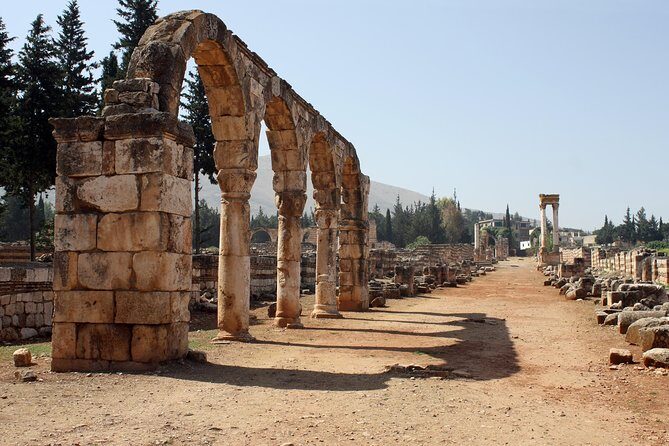
This is a practical one-day combo: nature first, then ancient city layers. You’ll spend the middle of your day moving through Byblos, where you can connect names like Baalat Gebal and the Obelisks with the physical ruins in front of you.
The best part for most people is how the tickets are handled. When entrance fees are included, you can focus on the sights instead of doing mental math at each gate.
A few more Beirut tours and experiences worth a look



Jeita Grotto: your two-hour window in a world-famous natural reserve
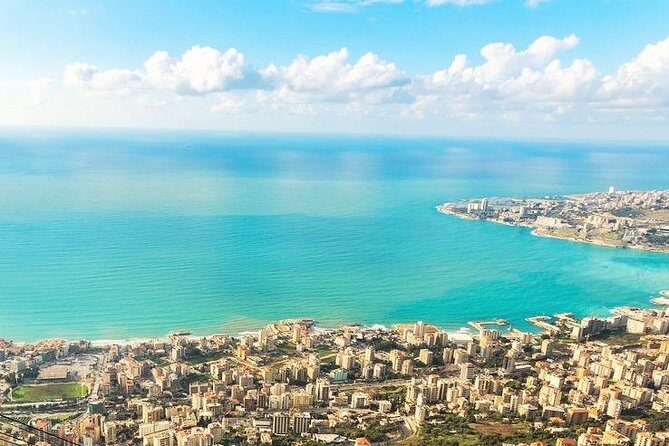
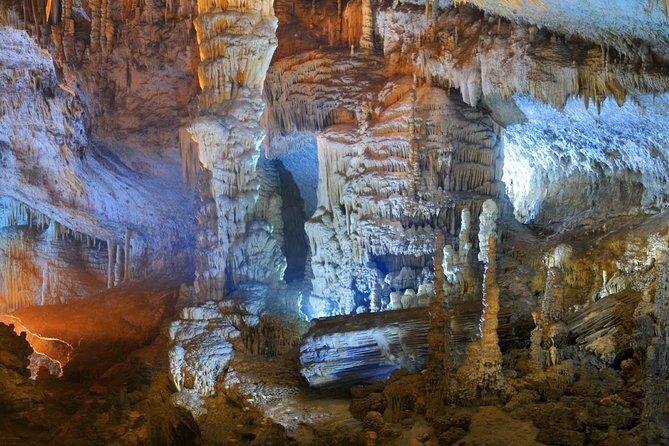
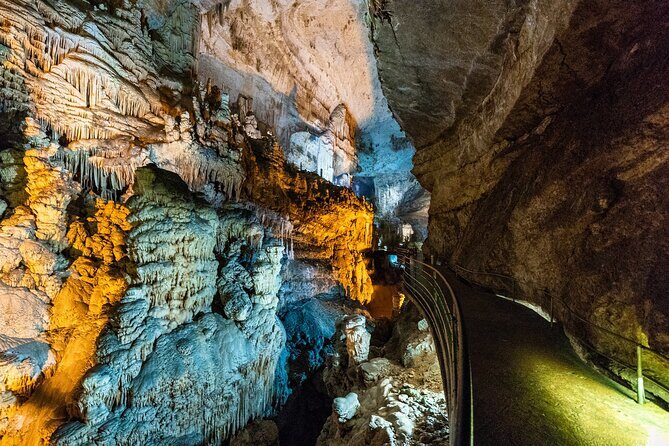
Jeita Grotto is one of the big-name nature stops near Beirut. It’s a natural reserve about 18 km out, and it was nominated for the World Seven Wonders, which explains why you’ll see it on just about every Lebanon highlights list.
You’ll have about two hours here, and that time matters. It’s long enough to see the main parts without turning your visit into a frantic sprint, and short enough that you’re not losing the rest of your day to one attraction. The tour also aims to get you in early, and that helps you avoid the worst crunch.
What you’ll actually enjoy is the mix of scale and stillness. You’re not just looking at a cave wall—you’re walking through an underground setting that feels like it was built for drama, with the guide helping you make sense of what you’re seeing as you go.
Byblos after the caves: oldest city layers and the Phoenician alphabet connection
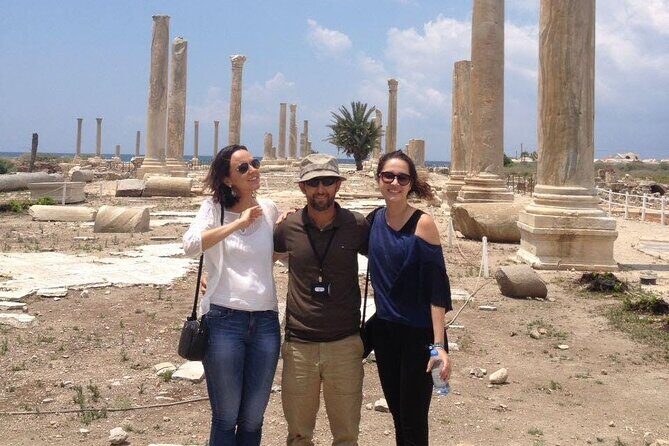
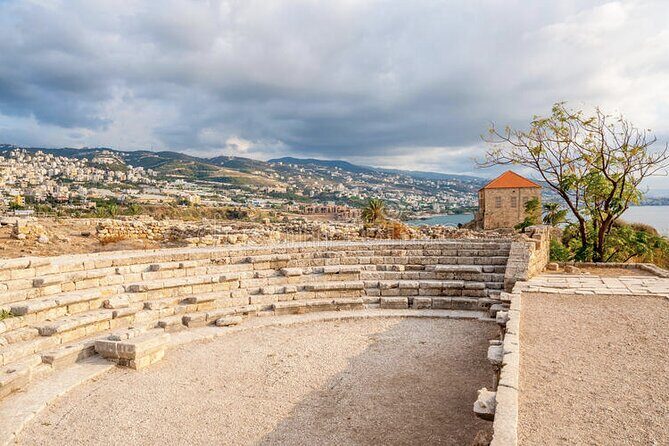
After Jeita, you head to Byblos, one of the oldest Phoenician cities. The story goes back to Neolithic times, so you’re not just touring a single period—you’re moving through a place that has been occupied for thousands of years.
The tour gives you about two hours in Byblos with admission handled as a free-entry stop. This is the kind of timing that works well because Byblos isn’t only one landmark. You have enough time to take in streets and context, and still feel like you made progress before the castle.
One of the most interesting aspects here is the alphabet thread. Byblos is closely linked to the history and diffusion of the Phoenician alphabet, so even if you’re not an academic, you’ll leave with a clearer idea of why this coast mattered for writing and communication across the Mediterranean.
Byblos Castle: Crusader architecture plus the best ruins perspective
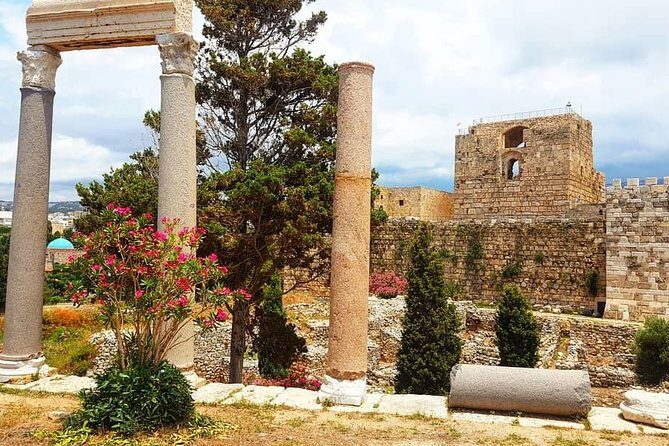
Next comes Byblos Castle, and this is where the day sharpens into something you can photograph and explain. It’s a restored 12th-century Crusader castle sitting inside the archaeological site, surrounded by a 10-meter-wide dry moat—a detail that makes the fortress feel extra intact and purposeful.
You get about one hour here with admission included. The goal isn’t just to stand in a courtyard. The castle’s foursquare keep is the key moment, giving an excellent perspective over the ruins below.
From that higher viewpoint, you can see how the site is layered. The description includes visible Bronze Age dwellings below the walls, plus major structures tied to the Temple of Baalat Gebal and the Temple of the Obelisks. There’s also a small museum and information panels inside, which help you connect names to stone without needing a separate guidebook.
If you like history that you can see clearly, this stop delivers. It’s structured, but not heavy. It gives you a framework to understand the wider archaeological area.
Old Souk and Byblos Port: quick stops, real atmosphere
You don’t spend all day shopping, which is a good thing. The old souk is a short stop—about 10 minutes—so you’ll mostly be strolling rather than hunting for bargains.
This is your chance to get a feel for the atmosphere: cobblestone streets, small shops, and the kind of souvenirs and antiques you’d expect around a major historic site. If you’re not into browsing, you can treat this as a sensory break between bigger stops.
Then there’s Byblos Port, another brief 10-minute moment. The Lebanese often describe it as the oldest port in the world, and the timeline given here traces its importance to around 3000 BC, when it was a key timber shipping center in the eastern Mediterranean.
That’s a lot of history compressed into a short walk. Even if you move quickly, you’ll come away with the sense that Byblos wasn’t only a city of temples and streets—it was also about trade and movement by sea.






The small-group format: why max 15 travelers feels better
A tour capped at 15 travelers is a big deal in a place like this. It makes the experience more personal, especially when you’re switching between natural wonder, archaeological areas, and viewpoints.
The vehicle is air-conditioned and pickup is offered, so you start the day comfortably instead of dealing with scattered meeting points. And the tour host approach matters: Albert is noted for being punctual, friendly, and knowledgeable, which is exactly what you want when you’re trying to keep a schedule and still understand what you’re looking at.
In practical terms, this kind of small-group structure means fewer people asking the same question at the same time, and more chances to get the context you actually need.
Tickets included: where $60 turns into real value
On paper, $60 per person for a roughly six-hour day could look either like a bargain or a mystery. Here’s why it often feels fair: the itinerary includes entrance fees, plus you have a local guide and a tour leader with pickup in an air-conditioned vehicle.
Some stops are listed as free-entry (like Byblos for the general admission segment, plus the souk and port), but others are clearly ticketed—including Jeita Grotto and Byblos Castle. The value is that you don’t have to track down which ticket to buy where, which can turn into wasted time and small stress on a one-day schedule.
You also get a mobile ticket. Even if you’re not a tech person, it usually means less paper handling and fewer delays at entrances.
Bottom line: this is priced like a “do the route with one organizer” day, not like a collection of separate attractions.
Timing: what a 6-hour route feels like in real life
You’re starting at 8:00 am, and the full day runs about six hours. That schedule gives you a solid rhythm: you tackle Jeita first while you’re fresh, then you transition into Byblos while you can still enjoy the morning’s momentum.
Jeita’s two hours are long enough to feel complete, but you still have time for the castle’s one-hour focus and the short souk and port moments. Those last two stops are brief by design, so don’t plan on using them to get a long meal or major shopping trip.
For many people, that’s exactly right. You get the big hits, plus just enough spare time to wander a bit without blowing your whole day.
Who should book this Jeita Grotto and Byblos tour?
This is a great match if you have a limited time window in Beirut and you want a structured day that still feels human-sized. It’s also ideal if you enjoy a mix of nature and ancient sites and you like having a guide to connect names, dates, and what you’re seeing.
Consider it less if you specifically want an all-day slow meander with lots of free time for independent browsing. This route is designed to cover set stops, and the souk and port portions are intentionally short.
Should you book this tour?
Yes—if you want a one-day, ticket-supported Beirut plan that hits Jeita Grotto and Byblos without you building logistics from scratch. The small group limit, pickup in an air-conditioned vehicle, and the fact that major entrances are handled make it feel efficient for the price.
I’d book it especially if you’re the type who wants more than a quick look: Jeita gives you wonder, and Byblos Castle gives you the kind of viewpoint where the history becomes easier to understand.
FAQ
What time does the tour start and how long is it?
The tour starts at 8:00 am and runs for about 6 hours.
Is pickup included?
Yes. Pickup is offered, and the tour uses an air-conditioned vehicle.
Are entrance tickets included?
Yes. All entrance fees are included, and a mobile ticket is provided.
Is lunch included in the price?
No. Lunch is not included.
How big is the group?
The tour has a maximum of 15 travelers.
What is the cancellation policy?
Free cancellation is available up to 24 hours before the experience starts for a full refund. If you cancel less than 24 hours in advance, the amount paid is not refunded.