REVIEW · BEIRUT
New Guided Semi-Private Tour to Jeita Grotto, Harissa & Byblos
Book on Viator →Operated by Lebanon Local Tour · Bookable on Viator
Caves, coast views, and ancient streets—one long day. I love the small group (max 15) and the guided pace that hits the big sights without making you plan anything. Just note: Jeita Grotto and the Harissa cable car fees are not included unless you choose the all-entrance-fees option.
This is a classic Beirut highlights loop with a practical flow: hotel pickup early, a guided visit to Jeita Grotto (cable car, boat in the caves, and the mini-train), Harissa’s shrine and views, then Byblos’ port, Crusader-era castle area, and the old souk. Lunch can be added at the seaside in Byblos if you want to make the day feel a bit more relaxed (it’s extra).
In This Review
- Key things that make this tour work
- A practical Beirut highlights day: caves, mountain views, and Byblos streets
- Jeita Grotto: the cable-car-to-cave rhythm you’ll remember
- Harissa: Shrine of Our Lady of Lebanon and the panoramic stop
- Byblos port and the UNESCO old-town circuit
- Byblos Castle area: Crusader walls, moats, and archaeological layers
- Old Souk in Byblos: the short walk you’ll want to slow down for
- Lunch in Byblos: optional seaside food stop (and why it’s worth considering)
- Price and ticket options: where the $55 really lands
- Timing, comfort, and the small-group limit that keeps it from feeling chaotic
- Who should book this Jeita Grotto, Harissa and Byblos tour
- Should you book? My straightforward take
- FAQ
- What time does pickup start?
- How long is the tour?
- Is hotel pickup and drop-off included?
- What’s included in the price?
- Are Jeita Grotto and Harissa cable car tickets included?
- Is lunch included?
- What happens if the Harissa cable car is closed?
- How big is the group?
- Is free cancellation available?
Key things that make this tour work
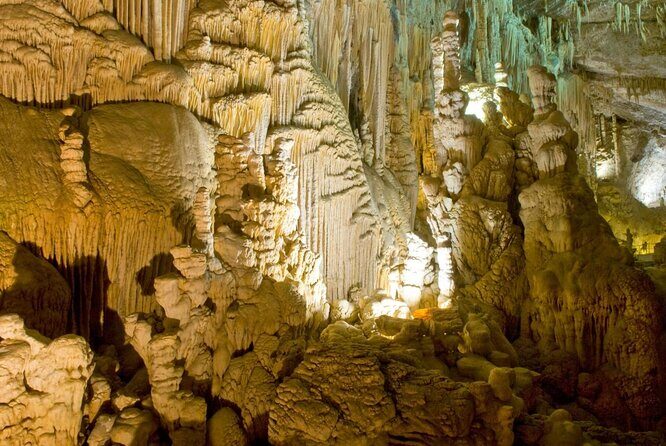
- Jeita Grotto gets the full treatment: cable car, boat ride, and the mini-train
- Hotel pickup and air-conditioned transport for an 8–9 hour day without stress
- Harissa includes both views and a cable car option (with a vehicle backup if it’s closed)
- Byblos is timed well: port + castle area + souk in one smooth block
- Ticket strategy is flexible: you can prebook entrances and cable-car for convenience
- Small-group feel with a maximum of 15 travelers and an English-speaking local leader
A practical Beirut highlights day: caves, mountain views, and Byblos streets

If you only have one day in Beirut and you want the “wow” moments fast, this tour is built for that. You’ll start in the morning and come back after dinner-style hours, with your guide handling the transitions between mountain, caves, and the ancient waterfront.
The real win is that it’s semi-private in feel, with a max of 15 people. That matters on days like this, because you’ll want clear instructions for ticket timing, walking paths, and when to grab a photo stop without feeling rushed.
The only drawback is also the most common one with cave-and-heritage days: some key entrances are optional add-ons. If you want less mental math later, pick the option that includes entrance fees (and the one-way cable car ticket).
You can also read our reviews of more guided tours in Beirut


Jeita Grotto: the cable-car-to-cave rhythm you’ll remember
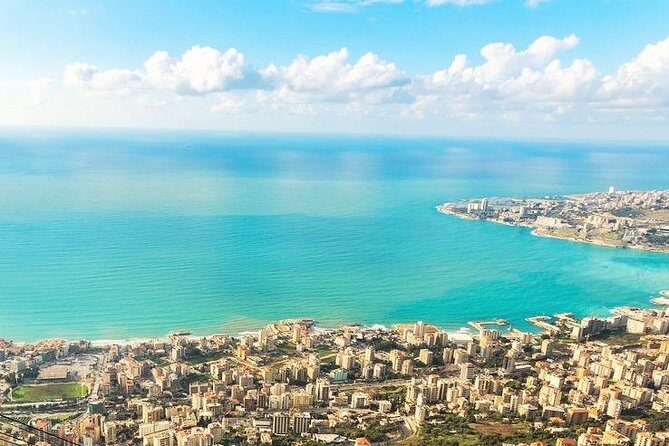
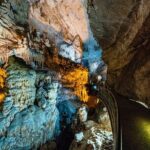
Jeita Grotto is the headline, and this tour budgets enough time to enjoy it. You’re given about 1 hour 15 minutes at Jeita, which is usually a sweet spot for seeing the big sights without spending your whole day underground.
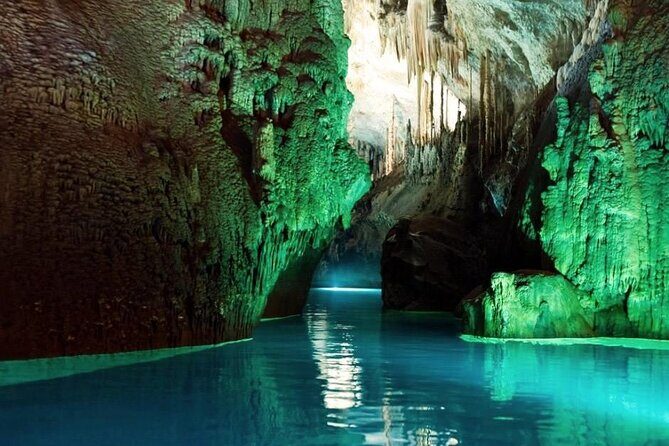
What makes Jeita special here is that you don’t just walk through one section. You’ll experience the caves by cable car, then continue into the grotto interiors by boat in the caves, and also ride the mini-train. That trio changes the feel of the visit. Instead of one long corridor experience, you get short “set pieces” where the scenery and scale keep shifting.
One practical point: the Jeita admission ticket is listed as not included in the default price. If you like simplicity, choose the option that bundles entrances and the cable car ticket. It saves time at the desk and reduces the chance of forgetting which tickets go where.
Also, the tour gives you a guided explanation in the grotto areas. Guides like Harake have been praised for pointing out details people might otherwise miss, which is exactly what you want in a place built on subtle shapes and layers of stone.
Harissa: Shrine of Our Lady of Lebanon and the panoramic stop
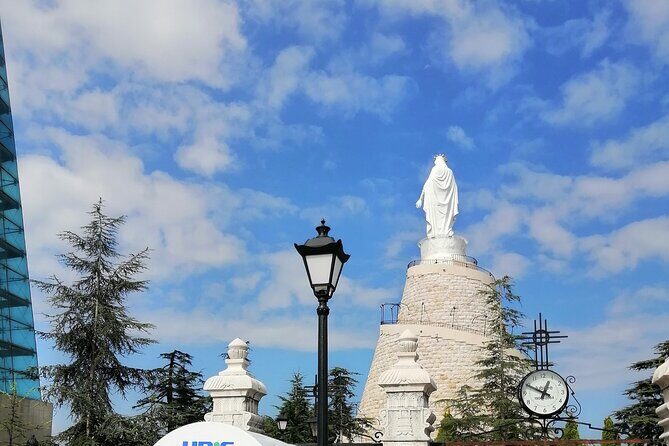
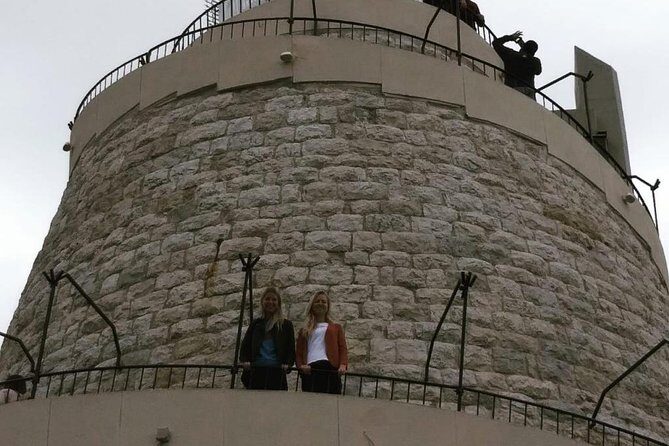
After the caves, you’ll climb to Harissa, which is all about the views and the famous statue. The Shrine of Our Lady of Lebanon is scheduled as a short stop (about 30 minutes), and it’s listed as free for admission.
This part of the day is a good mental reset. Jeita is cool and enclosed; Harissa opens up the sky. You’ll have time to absorb the setting and take in the coastline views over Jounieh bay that you only get properly from this height.
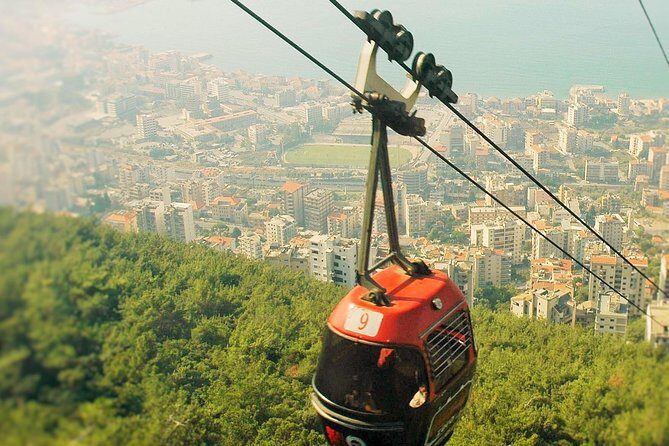
Then comes the cable car decision: the tour includes the Téléferique Harissa ride (about 20 minutes) as an add-on, with the important comfort detail that your driver will wait for you. If the cable car is closed, the plan shifts to continue by vehicle so you don’t lose the Harissa portion entirely.
If you’re the kind of traveler who likes matching effort to payoff, Harissa is that. It’s a small investment of time for a big change in perspective over the coast.
Byblos port and the UNESCO old-town circuit
Byblos is where the tour turns from nature to history, and it does it in a very walkable sequence. You’ll start at the Byblos Port area for about 1.5 hours total in this old-city block, beginning with the waterfront and moving toward the castle and souk.
Byblos is part of a UNESCO World Heritage setting tied to the Phoenician city and its long continuity as an inhabited place. The tour’s approach is practical: you get the marina-side views first, then shift toward the more architectural layers—the castle zone and the market streets.
At the Byblos Port stop, admission is listed as included. That matters because it removes one of the common friction points on heritage days: you don’t have to figure out what’s covered versus what isn’t while you’re trying to enjoy your time walking.
Byblos Castle area: Crusader walls, moats, and archaeological layers
The next stop is the castle zone, with about 45 minutes. Admission here is listed as not included, so if you chose the all-entrance option earlier, you should be covered for this portion too.
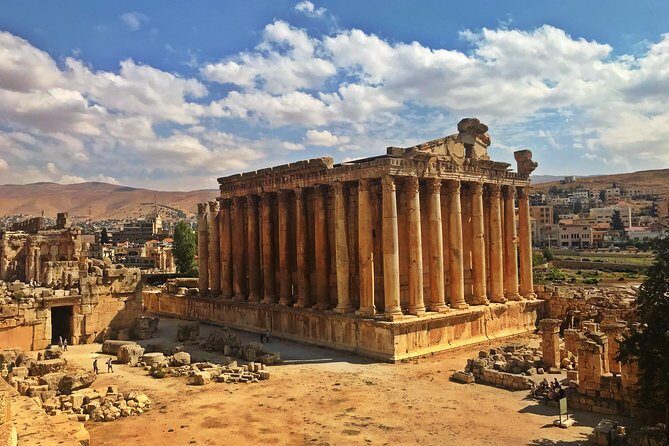
This is a great stop if you like history that feels physical—stone that was built, rebuilt, and fought over. The castle in this area is described as a Crusader-era fortress (often linked with the castle of Gibelet), built from indigenous limestone, with a moat around the finished structure.
You also get context for the layers beneath and around it, including references to nearby Phoenician archaeological remnants like the Temple of Baalat Gebal and the Temple of the Obelisks. The tour description also notes political turns over the centuries, including Saladin capturing the town in 1188 and later the Crusaders rebuilding fortifications again in the late 12th century, plus an attack reported in 1369.
Even if you don’t memorize the dates, the value is that your guide gives you the map in your head: this is not one-era architecture, it’s many eras stacked on top of each other.
You can also read our reviews of more private tours in Beirut





Old Souk in Byblos: the short walk you’ll want to slow down for
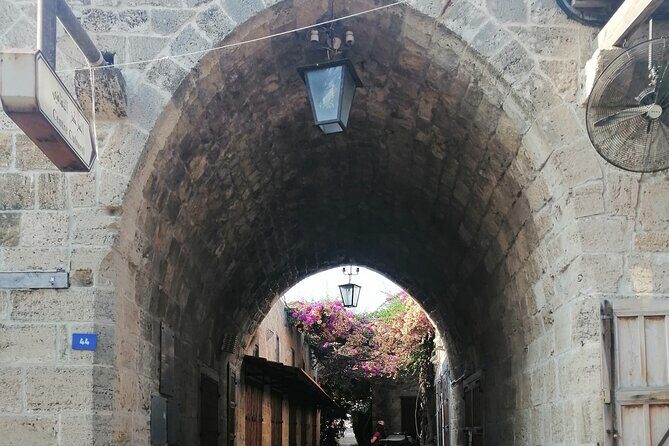
After the castle area, you’ll move into the Old Souk for about 30 minutes. Admission is listed as included here, which is nice because this is the part where you’ll likely want time for browsing.
This souk is described as a traditional old market with local crafts, souvenirs, and antiques. The key detail is that it’s not just one straight street. You’ll see a maze of alleyways and overlapping walls—some medieval—creating that “you can’t see it all fast” feel.
This is also where you might find small cafes and bars along the walk. That’s useful if you’re starting to feel the day in your legs; it’s a good moment for a slow pause before heading for lunch.
If you want the best experience here, don’t try to do it like a checklist. Use those 30 minutes to wander just enough that you can pick up a few “anchor” memories: a shop window, a handmade item, a corner of stone that looks older than the souvenir stands around it.
Lunch in Byblos: optional seaside food stop (and why it’s worth considering)
Lunch is scheduled as part of the Byblos time, with about 1 hour. The tour includes lunch as an option—listed as an extra expense—at a traditional restaurant on the sea side at Byblos old port.
This option is often the difference between a day that feels like logistics and one that feels like a trip. After Jeita and Harissa, you’ll be ready for a normal human break—food plus sea air—and the timing gives you that without turning lunch into a wasted hour.
If you’re picky about meals (or you’re on a tight budget), you might skip the included lunch option and eat on your own later. But if you want the smoothest day, this is one place where paying extra can actually buy you less stress.
Price and ticket options: where the $55 really lands
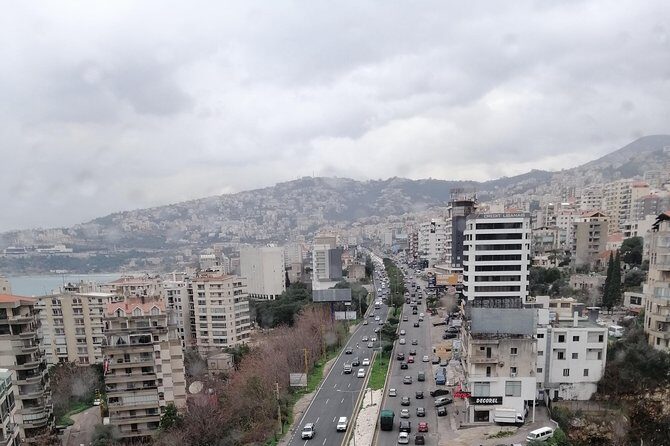
At $55 per person, this tour is priced for a big loop of sights: caves, a mountain shrine, a cable car ride, and historic Byblos walking time. The value comes from the included logistics: hotel pickup and drop-off, an air-conditioned vehicle, and an English-speaking local group leader who explains each stop.
That said, ticket coverage needs attention. The Jeita Grotto admission ticket is listed as not included, and the Harissa cable car ticket is also not included unless you pick the bundled option. Byblos has mixed coverage too: port and old souk are marked as included, but the Byblos Castle admission is listed as not included.
So here’s the decision rule I’d use:
- If you hate ticket math mid-trip, choose the option that bundles all entrance fees plus the one-way cable car ticket.
- If you prefer managing tickets yourself (or you already know what you want to visit), you can go without the bundle and pay at each stop.
Either way, you still get the guided timing and the comfort of that air-conditioned ride between points.
Timing, comfort, and the small-group limit that keeps it from feeling chaotic
This is an 8 to 9 hour day, starting around 8:15–8:30 AM depending on the pickup window. That early start is intentional. Jeita and Byblos are popular stops, and moving early usually helps you avoid the worst mid-day crush.
Your transportation is air-conditioned, and the tour includes ride time between sights. There’s also a practical detail: your guide will keep explanations moving so you’re not just waiting in the car while everyone else slowly catches up.
The max group size of 15 travelers is a big deal for comfort. In larger groups, cable car lines and walking routes can turn into a slow bottleneck. Here, you’re more likely to stay together and actually hear the guide’s context.
One more thing: some parts of the day depend on operational status—like the Harissa cable car. The tour handles this by switching to vehicle if the cable car is closed, which is the kind of plan B you want on a mountain day.
Who should book this Jeita Grotto, Harissa and Byblos tour
Book it if you:
- Want a single-day Beirut highlights itinerary that covers nature and history
- Prefer hotel pickup and guided transitions over self-planning
- Like structured time at each stop: caves, views, then Byblos port and souk
This tour is less ideal if you:
- Want a super slow, unstructured day with lots of free wandering (your time blocks are set)
- Plan to skip most paid entrances and want everything included by default (ticket coverage is mixed)
It’s a solid fit for first-timers and for travelers who want to walk away with a sense of Lebanon’s variety: limestone wonder, a mountain shrine with big views, and an ancient waterfront town.
Should you book? My straightforward take
I’d book this tour if you want an efficient, guided day that hits the main beats of Jeita Grotto, Harissa, and Byblos. The logistics are the selling point: pickup, air-conditioned transport, and clear explanations keep the day moving and save you the mental load.
Choose the all-entrance option if you want maximum simplicity—especially for Jeita Grotto and the Harissa cable car. If you’re comfortable paying as you go, you can still get good value, but you’ll want to stay on top of which tickets are included versus not.
In short: this is the kind of tour that helps you see a lot without feeling lost. If that’s your goal, it’s an easy yes.
FAQ
What time does pickup start?
Pickup is listed for the morning around 8:15 AM, with the meeting point start time shown as 8:30 AM.
How long is the tour?
The tour runs about 8 to 9 hours total.
Is hotel pickup and drop-off included?
Yes. Hotel pickup and drop-off are included.
What’s included in the price?
The price includes an English-speaking local group leader, an air-conditioned vehicle, and brief explanations at each site. Lunch is available as an optional extra.
Are Jeita Grotto and Harissa cable car tickets included?
Jeita Grotto admission is listed as not included, and the Harissa cable car ticket is also not included unless you choose the option that bundles entrance fees and the one-way cable car ticket.
Is lunch included?
Lunch is optional. You can book lunch at a traditional restaurant on the sea side in Byblos old port for an extra expense.
What happens if the Harissa cable car is closed?
If the cable car is closed, your driver will wait if possible, and if it’s not operating you will continue to the next stop by vehicle.
How big is the group?
The tour has a maximum of 15 travelers.
Is free cancellation available?
Yes. Free cancellation is offered, with a full refund if you cancel at least 24 hours before the experience starts.