REVIEW · BEIRUT
Lebanon Unveiled: Exclusive Private Tours to Sidon & Tyre
Book on Viator →Operated by Beirut Daily Tours · Bookable on Viator
One long day in Lebanon beats a long day in traffic. This private tour keeps you moving between Sidon, Tyre, and Maghdoucheh with hotel pickup, air-conditioning, and a set route that does not require you to handle Lebanese driving yourself. I like that it mixes big-history sites with hands-on culture, like watching traditional olive oil soap being made, and then easing into breaks at souks instead of just sprinting from ruins to ruins.
The main thing to know: you’ll have tight time blocks at several stops, and a few key entrances are not included, so you’ll want to pace your priorities before the day starts.
In This Review
- Key things that make this tour work
- A 9-hour door-to-door plan from Beirut
- Sidon first: Phoenician roots and Crusader sea-fort views
- Sea Castle, Khan al-Franj, and the calm geometry of courtyards
- Soap Museum and Sidon Souks: hands-on craft and everyday life
- Maghdoucheh’s Our Lady of Mantara shrine: a structured place for reflection
- Tyre: walking between ports, empires, and purple-dye legend
- Al-Bass Archaeological Site: the Roman hippodrome you can still read
- What I’d budget for: lunch and the paid entrances
- Who this tour is best for (and who might want something else)
- Should you book Lebanon Unveiled: Sidon & Tyre?
- FAQ
- How long is the tour?
- What time does the tour start?
- How much does it cost?
- Is pickup and drop-off included?
- What’s included in the tour besides transportation?
- Is lunch included?
- Are entrance fees included for the main sites?
- Is this a private tour?
- What cancellation options do I have?
- Who operates the tour?
Key things that make this tour work
- Private transport only: door-to-door pickup and drop-off, so you can focus on sites instead of road stress.
- Sidon + Tyre in one go: two major Phoenician ports, plus Crusader and Roman highlights, all in a single day.
- Soap Museum demo: you get to watch how Levantine soaps are made, tied to Hammam-bath traditions.
- Local guide in Tyre: you get help making sense of the Roman hippodrome and the wider Tyre setting.
- Maghdoucheh is more than a photo stop: a shrine with a tower-statue, cathedral, cemetery, and sacred cave.
- A realistic pace: short, efficient visits that are ideal if you want the highlights without overplanning.
A 9-hour door-to-door plan from Beirut
You start at 9:00 am with pickup, then settle into a comfortable, air-conditioned vehicle for the long stretches between stops. For a country where road conditions and driving styles can be unpredictable, having a private driver is a big quality-of-life upgrade. You’re basically buying time: time to see Sidon and Tyre without negotiating directions, parking, and traffic.
The tour runs about 9 hours, and that time gets spent strategically. You’ll hit several “anchor” sites plus a couple of shorter local-experience stops (like souks and the shrine). It’s not a slow, all-day wander, so if you’re the type who likes to linger for an hour in a single place, you may feel a bit time-pressed.
You can also read our reviews of more private tours in Beirut
Sidon first: Phoenician roots and Crusader sea-fort views
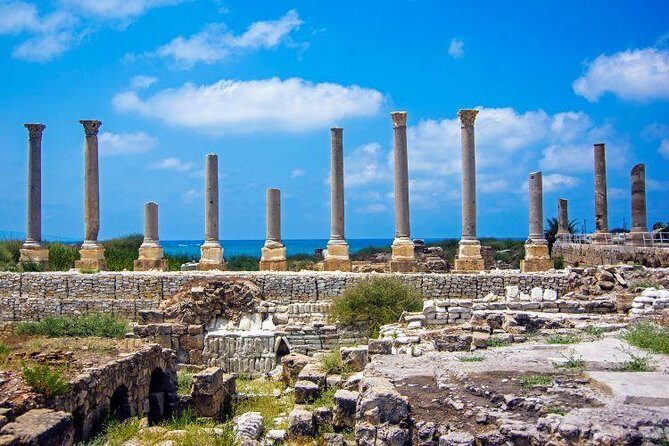
Sidon is where the day earns its first wow-factor. This ancient port city goes back to the 3rd millennium BC, then grows into a major power in the 2nd millennium BC. You’ll hear about Sidon’s fame for purple dye and glassware, plus the well-known connection that Jesus visited the city—useful context when you realize you’re walking through layers of arrivals, trade, and rule.
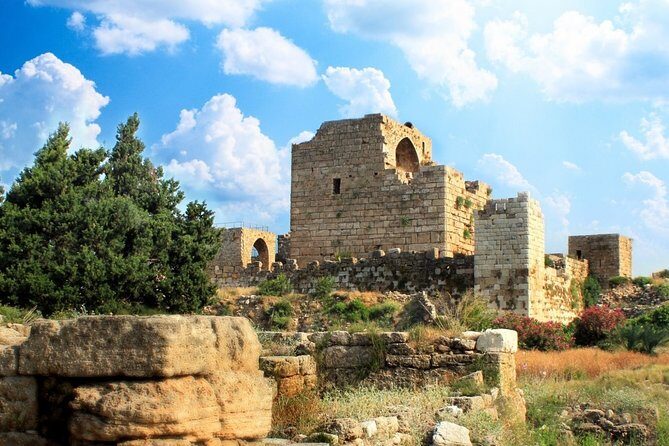
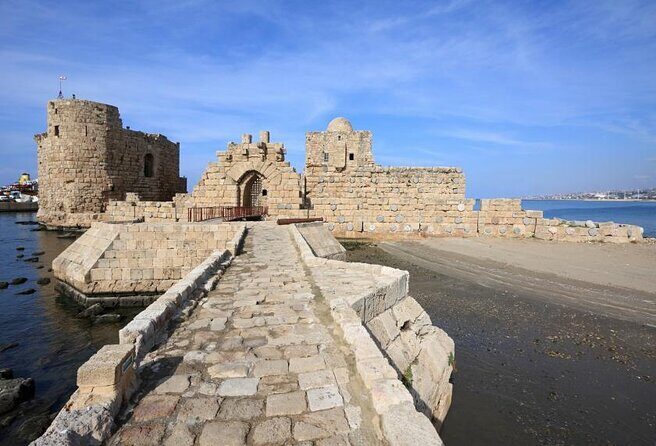
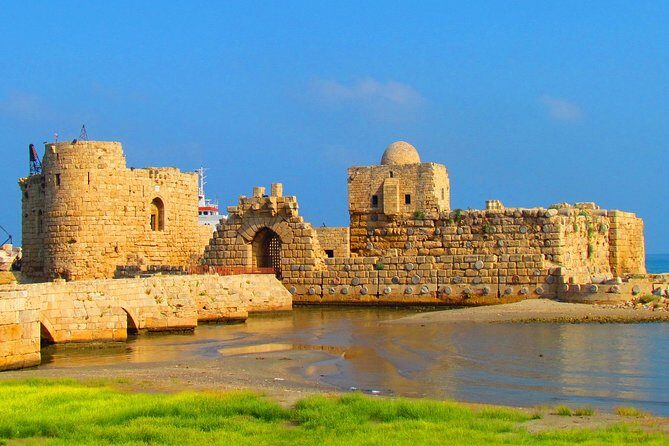
From there, the tour focuses on what you can actually see. The Crusaders Sea Castle sits where a fortress once defended the port, built by the crusaders in the 13th century on a small island connected by a causeway. Over time it suffered major damage, then later restoration—so what you see today is more about scale and position than polished medieval detail.
Tip for this stop: take a moment to look at the layout of the waterfront before you rush to the next point. Even with limited remaining features, the way the castle was positioned explains why it mattered.
Sea Castle, Khan al-Franj, and the calm geometry of courtyards
After the fortress stop, you shift to Khan al-Franj, a classic Lebanese “khan” built in the early 17th century. It was designed by Emir Fakhreddine II to host ambassadors and support commercial exchange between Lebanon and France. That mix—diplomacy by day, trade by day—helps you understand why these courtyard complexes were so important in the pre-modern world.
Architecturally, it’s straightforward and readable: a large rectangular courtyard, a central fountain, and covered galleries around the edges. Even if you only have about 15 minutes, this is a great place to slow your pace for a minute. You’ll get a sense of the human scale of these hubs—people moving through the same kind of spaces, just in different centuries.
If you’re lucky and your guide has a strong storytelling style, you may pick up extra context connecting how these khans functioned as meeting points for commerce and culture, not just lodging.
Soap Museum and Sidon Souks: hands-on craft and everyday life
Then comes one of the most memorable parts of the day: the Soap Museum in Sidon. This is a museum focused on Levantine soaps, housed in what began as a soap workshop built by the Hammoud family in the 17th century. It also traces how soap-making evolved in the region, including techniques and the relationship to hammam (bath) traditions.
The best part here is that you’re not just looking at displays. You can watch a demonstration of traditional olive oil soaps being made. The smell alone is worth the detour—plus the way the process connects to daily life makes the history feel less like trivia and more like something practical.
One small practical note: the Soap Museum entrance is listed as not included, so plan a little extra budget so you’re not surprised when you get there.
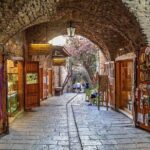
Next up: the Sidon Souks. You get about 30 minutes here, which is just enough time to get the feel of the place without turning it into a scavenger hunt. The souk is narrow-alley heavy and full of small shops and kiosks—everything from crafts and retail to butchers, grocers, shoe-makers, tailors, and jewelers. It’s not curated. It’s real commerce.
How to enjoy the souk fast: pick one lane you’re curious about (jewelry, spices/food stalls, or crafts) and spend your time there. Otherwise, the maze can start to blur.
Maghdoucheh’s Our Lady of Mantara shrine: a structured place for reflection

After Sidon, you head to Maghdoucheh for the Basilica of Our Lady of Mantara (also known as Our Lady of Awaiting in local usage). This is a Melkite Greek Catholic shrine discovered on 8 September 1721 by a young shepherd—an anchor detail that adds weight to what you’re seeing.
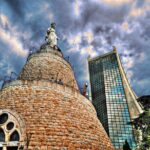
The shrine complex includes a tower crowned with the statue of the Virgin and Child, a cathedral, a cemetery, and a sacred cave believed to be the one where the Virgin Mary rested while waiting for Jesus. It’s a pilgrimage site with clear physical zones, so even a short stop of about 15 minutes can feel complete.
What I like about this part of the itinerary: it breaks the pattern of Roman and Crusader history. You get a different kind of meaning—faith, ritual space, and local devotion—without needing a long museum visit.


Tyre: walking between ports, empires, and purple-dye legend
Tyre is the day’s big second act. This ancient Phoenician port city carries a long list of rulers—Egyptians, King Hiram, then Assyrians, Neo-Babylonians, Greeks, Seleucids, Romans, Byzantines, Arabs, Crusaders, Mamluks, and Ottomans. That constant turnover is part of Tyre’s identity. Different powers built, traded, and left layers behind.
You’ll also get the story of Elissar, the Phoenician princess associated with the founding of Carthage, plus the reminder that Tyre was famous worldwide for purple dye made from murex sea snails. Knowing that connection helps when you look at the coastline: Tyre’s power was always tied to the sea.
The stop in Tyre runs about 1 hour with the highlights focused on what you can see and connect to the wider history. Then you move on to the main archaeological anchor.
Al-Bass Archaeological Site: the Roman hippodrome you can still read
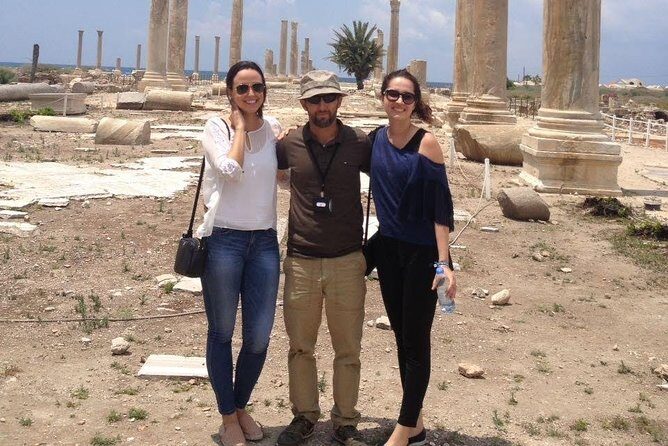
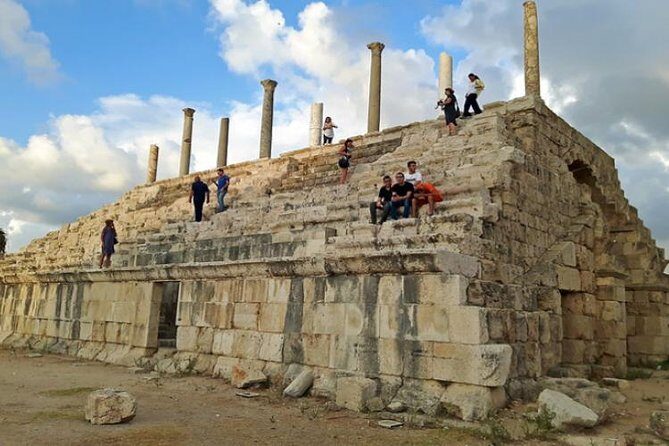
The crown jewel of Tyre on this day is the Al-Bass Archaeological Site—described as the best-preserved example of a Roman hippodrome. This is the kind of site where, even without perfect completeness, you can still understand function.
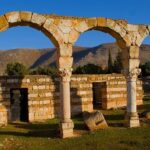
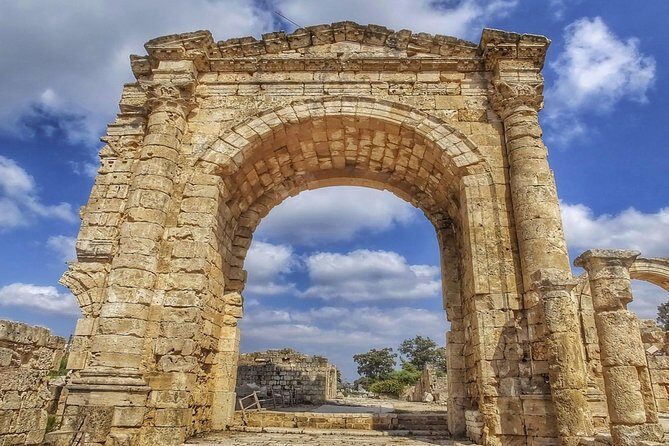
The area includes a principal entrance from antique times, with a wide monumental causeway and a Roman triumphal arch from the 2nd century AD. You’ll also encounter the hippodrome remains and other structures tied to the city’s layout, including an aqueduct. A standout feature is the necropolis with several hundred well-preserved sarcophagi, plus an intact Roman road.
The entrance for Al-Bass is listed as not included, so treat this as a “budget first” stop. If you care about Roman engineering and street-level context, you’ll be glad you carved out the time for it.
Small reality-check: this isn’t a museum-with-glass-and-audio guide type of experience. It’s archaeology in open air. Wear shoes that can handle uneven ground, and give yourself a minute to look at how the lines of structures guide you through the space.
What I’d budget for: lunch and the paid entrances
The headline price is $75.00 per person, and that’s largely what you’re paying for: private, air-conditioned transport with a driver, plus a structured route. The tour also includes a tour leader, and in Tyre you get a local guide as well—so you’re not only paying for wheels.
The big “extra” is that lunch isn’t included. In practice, that means you’ll want to plan a snack strategy or be ready to buy a meal on your own schedule. Also, a few site entrances are listed as not included, specifically the Crusaders Sea Castle, the Soap Museum, and Al-Bass.
If you like to travel with zero surprises, I’d set aside a little cash for those entrances and for lunch. This is the difference between a smooth day and a day that feels slightly rushed at the payment moment.
Who this tour is best for (and who might want something else)
This works especially well if you want independent-travel freedom but don’t want to take the wheel yourself. You’ll like the private setup if you’re traveling with a small group, you value door-to-door pickup, and you want to see key places without negotiating timing.
It also suits history lovers who like variety. This day blends Phoenician ports, Crusader architecture, a Khan courtyard complex, a craft workshop tied to bath culture, a Christian shrine, and Roman archaeology—all without requiring you to book separate tours.
Where it may feel less ideal: if you want a slow, detailed deep dive into one museum or one site for a long time, the short time windows might not scratch that itch. This tour is built for highlights in a single day.
Should you book Lebanon Unveiled: Sidon & Tyre?
If you want a well-paced highlights day with a private driver and strong historic stops, I’d book it. The mix makes sense: you get the port-city story of Sidon and Tyre, plus a meaningful stop in Maghdoucheh, and you actually get to do something (soap-making demonstration) rather than just view stones.
I’d hesitate only if you’re someone who hates short visits or needs lots of museum time. If that’s you, look for a longer format. Otherwise, this is a smart way to see a lot of Lebanon with less logistical stress than driving yourself.
FAQ
How long is the tour?
The tour runs about 9 hours (approx.).
What time does the tour start?
The start time is 9:00 am.
How much does it cost?
It’s $75.00 per person.
Is pickup and drop-off included?
Yes. Hotel pickup and drop-off are included.
What’s included in the tour besides transportation?
You get a tour leader, a local guide in Tyre, and comfortable private transportation in an air-conditioned vehicle.
Is lunch included?
No, lunch is not included.
Are entrance fees included for the main sites?
Not all of them. The Crusaders Sea Castle, Soap Museum, and Al-Bass archaeological site are listed as admission ticket not included.
Is this a private tour?
Yes. It’s private, so only your group participates.
What cancellation options do I have?
You can cancel for free up to 24 hours in advance for a full refund.
Who operates the tour?
The experience provider is Beirut Daily Tours.