REVIEW · BEIRUT
PRIVATE tour to Beirut history museum, Beiteddine & Deir elQamar
Book on Viator →Operated by DAVE LEBANON DMC · Bookable on Viator
You can feel Lebanon’s layers fast, from museum halls to palace rooms. This private, full-day guided loop connects the country’s past and present through three major stops and guided storytelling from Beirut to Mount Lebanon. I especially love how the tour pairs the National Museum’s civil-war recovery with Moussa Castle’s very personal craftsman story. You’ll also get real context for today’s Lebanon at Palace of Beiteddine, plus breathing room to wander the old capital area on your own. The one catch: lunch isn’t included, so you’ll want a plan for when and where to eat.
My main caution is timing. It’s a 6 to 7 hour day, and with three on-site visits plus some free time, you’ll want comfortable shoes and a bit of patience for transfers and entry lines.
In This Review
- Key highlights at a glance
- How the day is paced: 9:00 am to a slow-walk Mount Lebanon
- National Museum of Beirut: a 3-floor story of survival and rebuilding
- Moussa Castle: one man’s plan, three levels, and the weapons museum
- Beiteddine Palace: from Emirs to Ottomans, French influence, and modern Lebanon
- Deir el Qamar free time: use it to slow down, not to cram
- What makes it feel worth the money: hotel pickup + admissions included
- Small-group comfort and the guide experience (David’s style)
- Who this tour suits best
- Should you book this private Beirut history day?
- FAQ
- FAQ
- What sites are included in this private tour?
- How long does the tour take?
- What time does the tour start?
- Is hotel pickup and drop-off included?
- Is the tour private?
- Are admission tickets included?
- Is lunch included in the price?
- What transportation is provided?
- Is there free time during the day?
- Is there a mobile ticket?
- What’s the cancellation policy?
Key highlights at a glance
- National Museum of Beirut: 3 floors of artifacts, including how the museum was destroyed and rebuilt after the civil war
- Moussa Castle: galleries across three levels plus a weapons museum presented as part of one creator’s vision
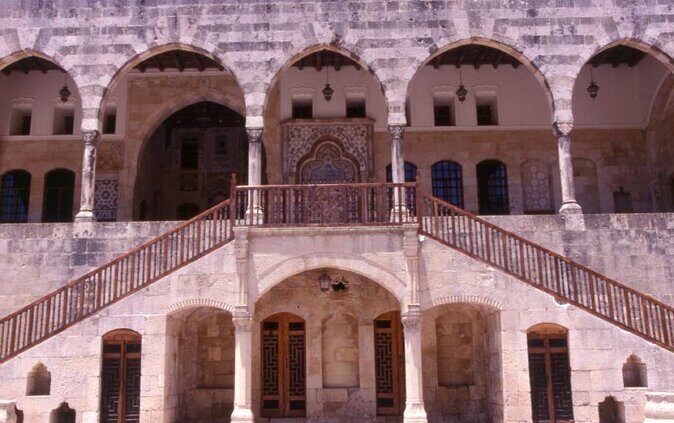
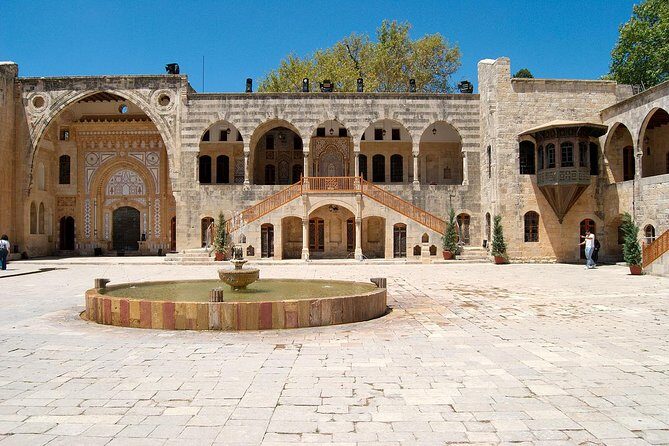
- Beiteddine Palace: sections like the Cavaliers and presidential areas, plus mosaic sellers
- Mount Lebanon free time: time to explore the old capital area at your leisure
- Private touring for your group: smaller-group feel and hotel pickup/drop-off with a live guide on board
How the day is paced: 9:00 am to a slow-walk Mount Lebanon
This tour is built for a full day without turning it into a marathon. It typically runs about 6 to 7 hours, starting at 9:00 am, with hotel pickup and drop-off included. You’ll ride in an air-conditioned vehicle, and you’ll have live commentary during the journey, so the time in transit doesn’t feel like wasted time.
The itinerary is straightforward: you go to the National Museum of Beirut first, then head out to Mount Lebanon for Moussa Castle and Beiteddine Palace. After the palace visit, you get some free time to explore the old capital area on your own. That last piece matters. You’re not stuck in a nonstop line of doors—you can choose how you want to spend your attention, whether that’s lingering longer in the palace complex areas or simply taking a slower look around Deir el Qamar.
One thing I appreciate is the private setup. Since it’s only your group, the guide can shift pacing slightly, which helps if you’re traveling with kids or you just prefer a calmer rhythm.
You can also read our reviews of more private tours in Beirut

National Museum of Beirut: a 3-floor story of survival and rebuilding
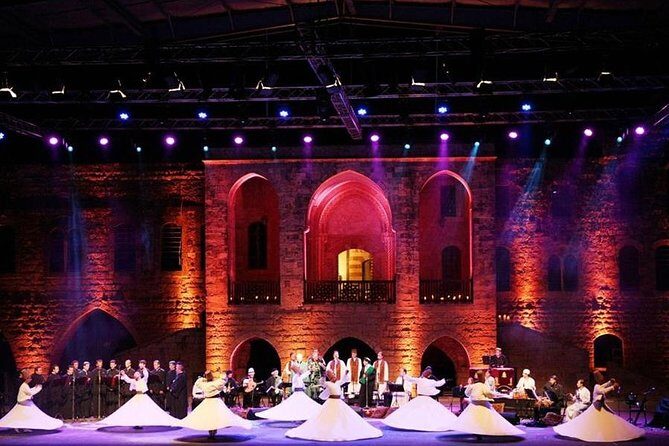
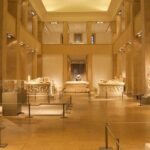
Your first major stop is the National Museum of Beirut, where the big theme is continuity through disruption. The museum itself had a hard reset: it was destroyed during Lebanon’s civil war and then revived in the nineties. In other words, you’re not just seeing artifacts—you’re seeing the point where a country decided to rebuild its public memory.
Inside, the museum is set up over three floors, with artifacts from multiple civilizations. The layout makes it easier to understand how Lebanon has served as a meeting point across different eras, rather than a place that only ever belonged to one single storyline. If you like museums that explain patterns, this one is built for that. The displays are described as being well presented, which matters because when you’re in a museum like this, presentation affects whether you can actually follow the thread.
What you’ll like here
- The civil-war comeback angle gives the museum a deeper meaning than a typical history stop
- Multiple civilizations across three floors helps you connect Beirut to the broader Mount Lebanon story later
A practical consideration
- Since the museum visit is about 1 hour, you’ll want to move with intention. If you tend to read every caption, you might feel a little rushed. If you skim selectively and let the guide’s explanation steer you, you’ll likely feel more relaxed.
Moussa Castle: one man’s plan, three levels, and the weapons museum
Next up is Moussa Castle, often described as a man’s dream made real. This stop is fascinating because it’s personal. You’re not only reading about history here—you’re seeing the outcome of a single individual’s choices in building, display, and storytelling.
The castle visit is also about 1 hour, and the way it’s structured makes it easy to understand without needing an entire day. You’ll move through three levels of galleries, and you’ll also see a guns and weapons museum housed within the property. The weapons collection is noted for both the variety and how well it’s displayed, which is important. If something like that is handled poorly, it can feel chaotic. Here, the experience is described as organized and visually clear.
There’s a second layer to why this stop works. Even if you’re not a “weapons museum” person, the castle still functions as a lens for how craftsmanship, taste, and identity can show up in physical spaces. It’s part collection, part architectural idea, part cultural statement. The guide’s explanation helps you connect the objects and rooms to the broader cultural atmosphere of Mount Lebanon.
What you’ll like here
- A strong sense of place tied to the personal vision behind the castle
- Galleries across three levels gives you variety without overwhelming you
A practical consideration
- If you’re someone who needs lots of time to photograph or read every label, you may want to keep your pace steady here. The castle’s highlight is variety, and the tour timing keeps you moving.
Beiteddine Palace: from Emirs to Ottomans, French influence, and modern Lebanon
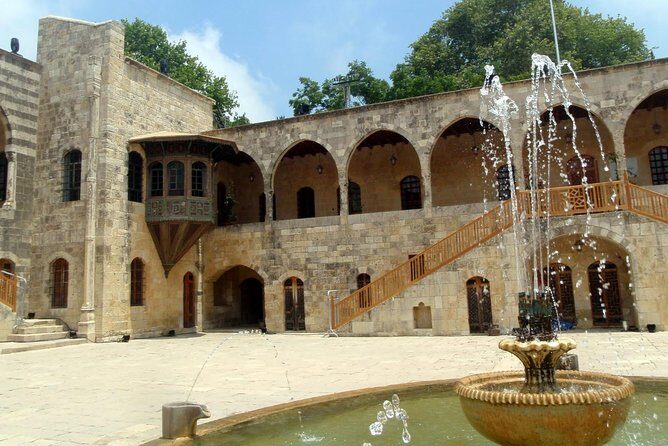
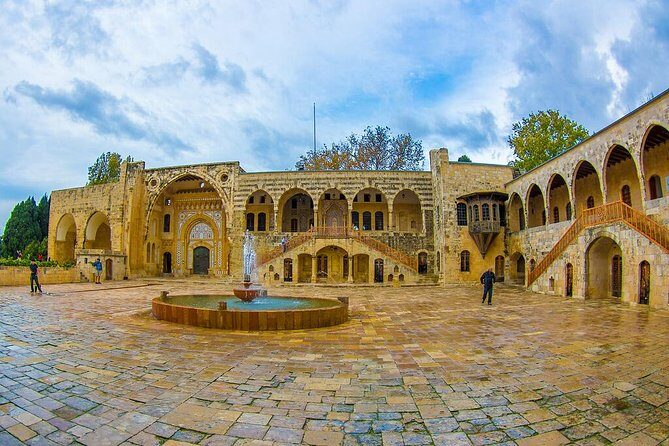
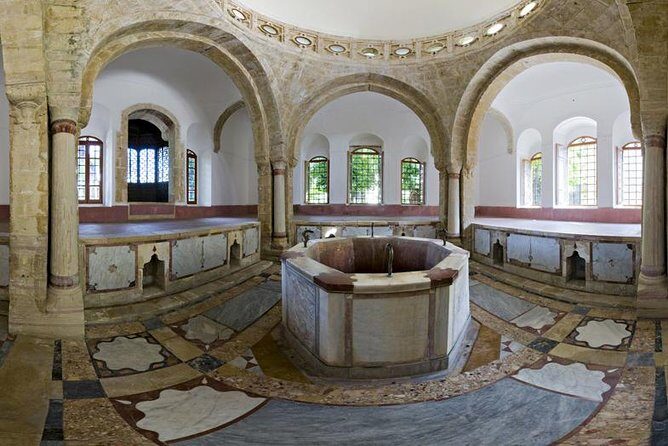
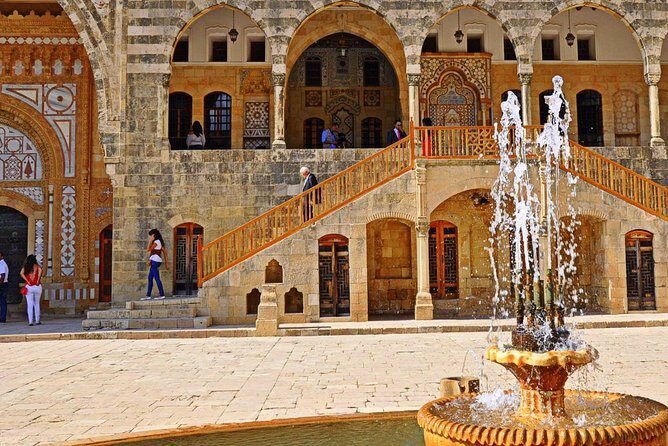
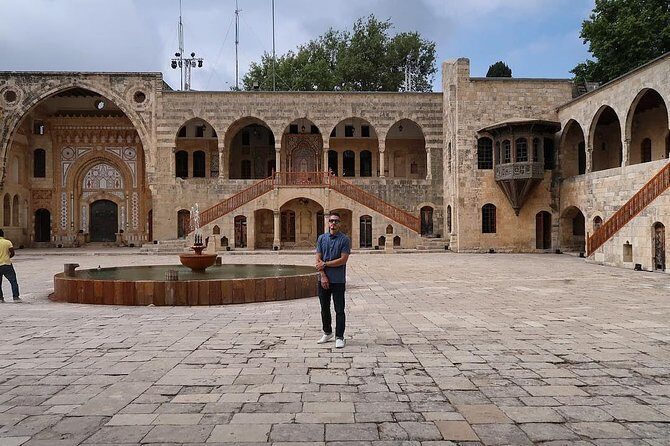
Then you arrive at Palace of Beiteddine, and the tone shifts from “object storytelling” to “power and daily life storytelling.” This is where you’ll learn about the 18th and 19th centuries and how Lebanon’s modern history formed. The guide frames the palace not just as a beautiful building, but as a functioning political and cultural center.
Your visit covers areas described as the Cavaliers section and the presidential section, and it also includes the mosaic sellers. That mix is useful because it reminds you the palace wasn’t only ceremonial. It was also a place where commerce, craft, and status came together.
The explanation focuses on the rulers and systems behind the scenes: Emirs and rulers of the Mount Lebanon district, the Ottomans and the French, and the way leadership plans affected local customs. You’ll also hear about Druze of Lebanon, plus the kind of practical life that often gets overlooked in big palace visits. For example, the tour includes discussion of mulberries and silk factories, which gives you a concrete hook for understanding why certain crafts and industries mattered. When a guide links ruling power to everyday production, the palace stops being only a backdrop.
What you’ll like here
- Multiple palace sections help you see different roles of power and culture
- Industry and local tradition (like silk and mulberries) makes the story feel grounded
A practical consideration
- Like the other main stops, this is about 1 hour. Palace complexes can feel expansive, and if you like to wander slowly on your own, you’ll need to balance your time with what the guide highlights. The guided context is the value here.
Deir el Qamar free time: use it to slow down, not to cram
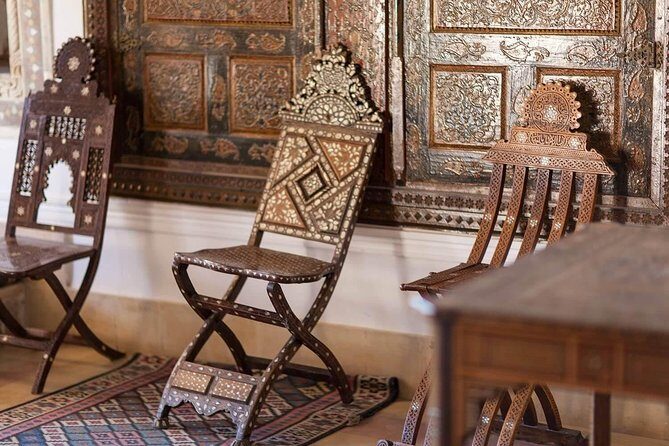
After Beiteddine, the tour includes free time to explore the old capital of Mount Lebanon at your leisure. Since this is built into the day, it’s one of the best reasons to book rather than go independently. It gives you structure first, then choice second.
Deir el Qamar is the kind of place where you’ll likely enjoy going at a human pace. You can use this window to take photos, browse, or just walk and get your bearings in the old-quarter atmosphere. Because you’re not scheduled every minute, you can adapt to your group’s energy—especially if you’re traveling with kids, or if you’re the type who needs a break after museums and galleries.
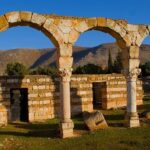
Practical tip: use the free time for what matters most to your style. If you love architecture, spend it closer to the old streets and look for details that connect back to what the guide just explained about craft and leadership. If you’re more about views, head toward wherever you can see the valley from street level. The key is not to treat this as a checklist. It’s your time to reset.
You can also read our reviews of more historical tours in Beirut

What makes it feel worth the money: hotel pickup + admissions included
The price is $113.34 per person, and it’s not just a ticket price—it’s a bundled value day. Here’s what you’re actually paying for:
- Driver/guide with live commentary
- Hotel pickup and drop-off
- Air-conditioned vehicle
- All fees and taxes
- Admissions included for the National Museum of Beirut, Moussa Castle, and Beiteddine Palace
That matters because day trips in Lebanon can get pricey once you add separate ticket lines and taxis between stops. When the admissions are included, you’re buying a guided route and time-saving logistics, not just access to one attraction.
The main thing not included is lunch. That’s common, but it does affect the feel of the day. You’ll want to either eat before the tour or plan a meal afterward (or bring a small snack if that helps you keep momentum). If your group gets hungry fast, I’d recommend planning your lunch timing around the end of the palace stop or after the free time.
Also worth noting: it’s a private tour/activity, and there are group discounts. Even if you’re traveling as a small group, the private setup can still make the day smoother—less waiting, fewer people to coordinate with, and easier Q&A with the guide.
Small-group comfort and the guide experience (David’s style)
This is a private experience, and that changes the feel. Instead of hearing generic facts thrown at the group, you get a more responsive rhythm. The guide’s commentary on board also helps you connect the dots between Beirut and Mount Lebanon without you needing to build a timeline from scratch.
One standout reported detail is how the guide made the day interesting for children, not just adults. That’s a real quality marker. Kids usually respond to clarity, pacing, and stories that are easier to picture. If your group includes younger travelers, this tour is the kind of day that can actually work, not just survive.
If you care about names and context, you’re also in good hands. The palace story includes terms and roles like Emirs and rulers of the Mount Lebanon district, plus the Ottomans and the French. Those aren’t random buzzwords—they’re part of how the guide helps you understand why power shifted and how local life changed with it.
Who this tour suits best
This is a strong fit if you:
- Want a guided full-day history and culture route from Beirut to Mount Lebanon
- Prefer three major, structured stops rather than a self-guided hop from one place to another
- Like museums and heritage sites but also want at least one stop that feels more personal and visual, like Moussa Castle
- Appreciate free time that lets you set your own pace at the end
It may be less ideal if you:
- Need long, unhurried time in large museums (the National Museum and the palace are each about an hour)
- Don’t like moving between multiple locations in one day
- Don’t want to handle lunch planning since it’s not included
Should you book this private Beirut history day?
I’d book this if you want the most efficient way to connect Beirut’s museum story to Mount Lebanon’s palace-and-castle storytelling, with admissions included and a guide who can keep the day coherent. The private setup plus hotel pickup removes friction, and the last free-time window helps the day feel less like a schedule and more like an experience you control.
If you’re trying to choose between a museum-only day and a broader heritage route, this one is the better value for most people. You get three major sites, real context across different centuries, and time to wander a historic old capital area without rushing every detail.
FAQ
FAQ
What sites are included in this private tour?
The tour includes the National Museum of Beirut, Moussa Castle, and Palace of Beiteddine, with free time to explore the old capital of Mount Lebanon.
How long does the tour take?
It typically lasts 6 to 7 hours.
What time does the tour start?
The start time is 9:00 am.
Is hotel pickup and drop-off included?
Yes. Hotel pickup and drop-off are included.
Is the tour private?
Yes. It’s a private tour/activity, and only your group participates.
Are admission tickets included?
Yes. Admission tickets are included for each on-site stop.
Is lunch included in the price?
No. Lunch is not included.
What transportation is provided?
The tour uses an air-conditioned vehicle, with a driver/guide and live commentary on board.
Is there free time during the day?
Yes. You’ll have free time to explore the old capital of Mount Lebanon at your leisure.
Is there a mobile ticket?
Yes. A mobile ticket is included.
What’s the cancellation policy?
You can cancel for free up to 24 hours in advance for a full refund. If you cancel less than 24 hours before the start time, the amount paid is not refunded.