REVIEW · BEIRUT
Sidon & Tyre Unesco Heritage w/pick-up, guide, entries+lunch
Book on GetYourGuide →Operated by CITY SIGHTSEEING LEBANON TOURS · Bookable on GetYourGuide
Two ancient cities in one day. Sidon and Tyre feel like two different chapters of the same coastal story, stitched together with a private guide and lunch by the sea.
I especially like the way this tour uses stops that are easy to picture: Sidon’s Crusaders’ Castle gives you the fortress view, then Tyre’s Roman remains help you place the scale of the ancient city. I also love the Soap Museum in Sidon, because it turns a local craft into something you can see and understand in real life.
One thing to consider: timing can feel tight, and opening hours can occasionally affect what you get to see. If you’re the kind of person who hates rushing, plan to stay flexible with your expectations.
In This Review
- Key highlights worth your attention
- From Beirut to two UNESCO-level stops in one 7-hour rhythm
- Sidon first: Crusaders’ Castle and the view you’ll remember
- The Audi Soap Museum and Sidon’s old souks: craft as a time machine
- Our Lady of Mantara in Maghdoucheh: a calm, meaningful stop on the way back
- Tyre’s Christian Quarter and UNESCO sites: where scale really hits
- The 2nd-century Roman hippodrome: a highlight with real “wow” factor
- Lunch on the coast: where the tour actually slows down
- Price and value: is $140 for Sidon and Tyre fair?
- The guide and driving: what to expect from the human side
- Who this tour suits best (and who might want a different day)
- Should you book this Sidon and Tyre UNESCO day trip?
- FAQ
- How long is the Sidon and Tyre UNESCO tour?
- Where does pickup happen?
- What major sites are included in the tour?
- Is lunch included?
- Are entrance tickets included?
- What languages are available for the guide?
- Is cancellation free?
Key highlights worth your attention
- UNESCO Tyre with the 2nd-century Roman hippodrome, a rare site you can actually walk near and picture in context
- Crusaders’ Castle (Sidon) where you get a clear sense of how the city was defended
- Audi Soap Museum in Sidon, turning everyday products into a hands-on history lesson
- Our Lady of Mantara in Maghdoucheh, known as Our Lady of Awaiting
- Coastal Lebanese lunch that gives you a proper pause, not just a quick bite
From Beirut to two UNESCO-level stops in one 7-hour rhythm
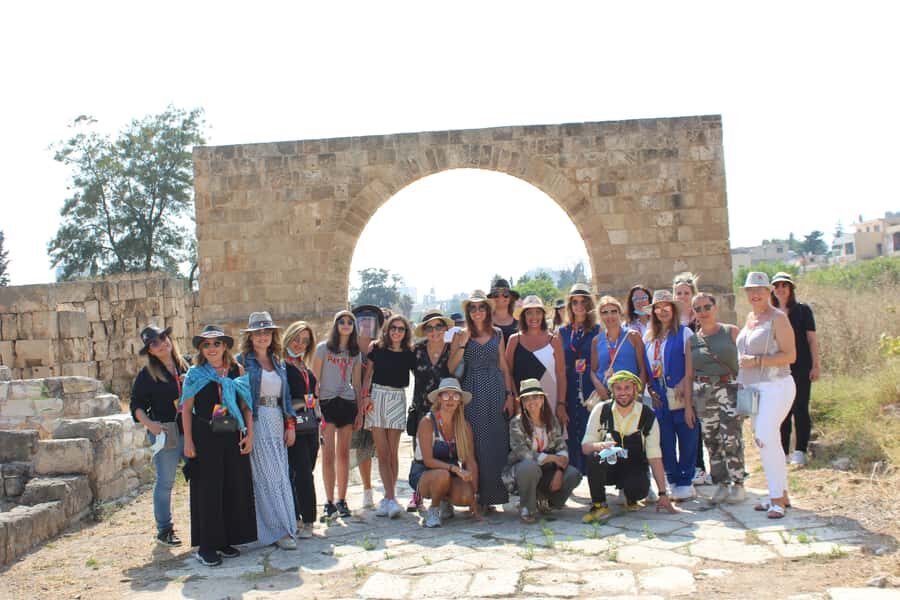
This is a day trip that works because it keeps moving, but not in a chaotic way. You start in Beirut, go south to Sidon, then continue to Tyre, with guide-led time at each key point. The total day is about 7 hours, so you’re not doing a full marathon of sightseeing, but you also won’t spend your whole day in the bus.
What makes this route smart is that it focuses on places with strong “visual hooks.” Sidon gives you fortress walls and old souk texture; Tyre gives you big Roman forms and UNESCO-level ruins. By the time you’re eating lunch along the coast, you’ve got enough context to understand why these towns mattered.
Because it’s a private group with hotel pickup and drop-off, you also avoid the hassle of figuring out transport yourself. You can just show up, wear comfortable shoes, and let the schedule do its job.
You can also read our reviews of more guided tours in Beirut

Sidon first: Crusaders’ Castle and the view you’ll remember
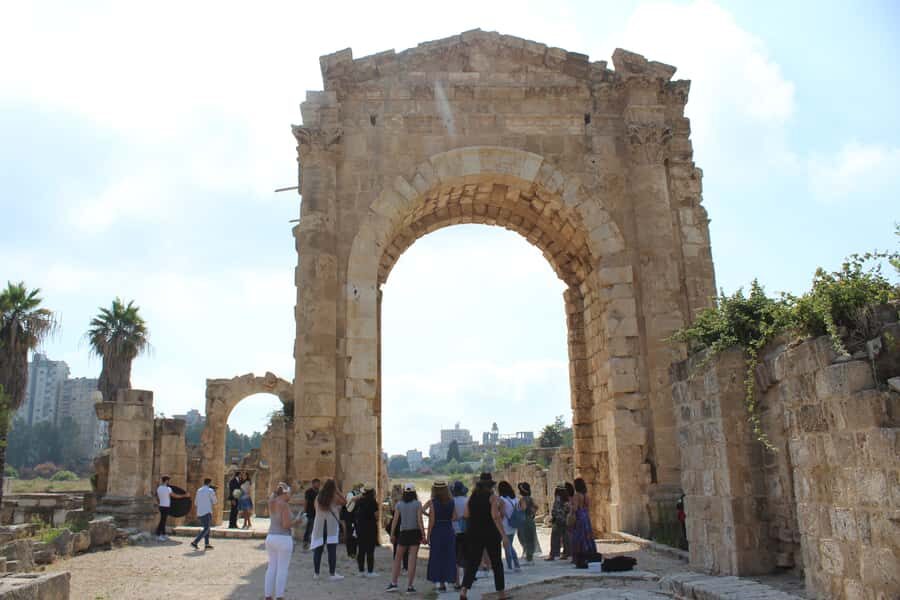
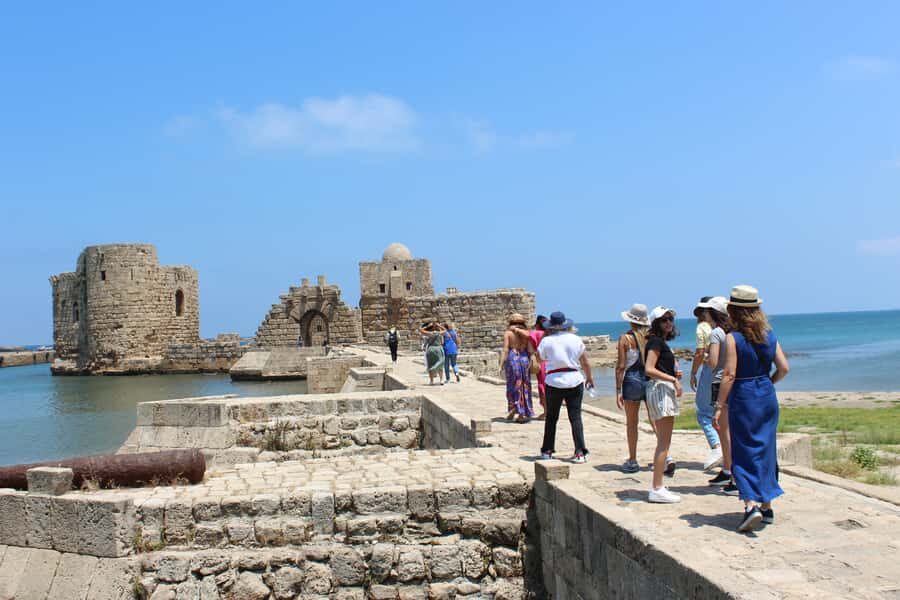
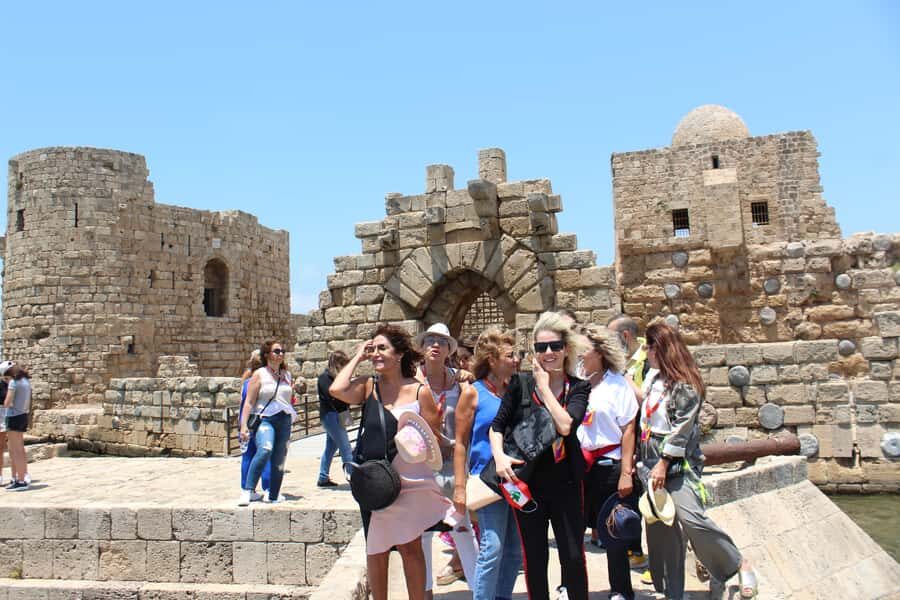
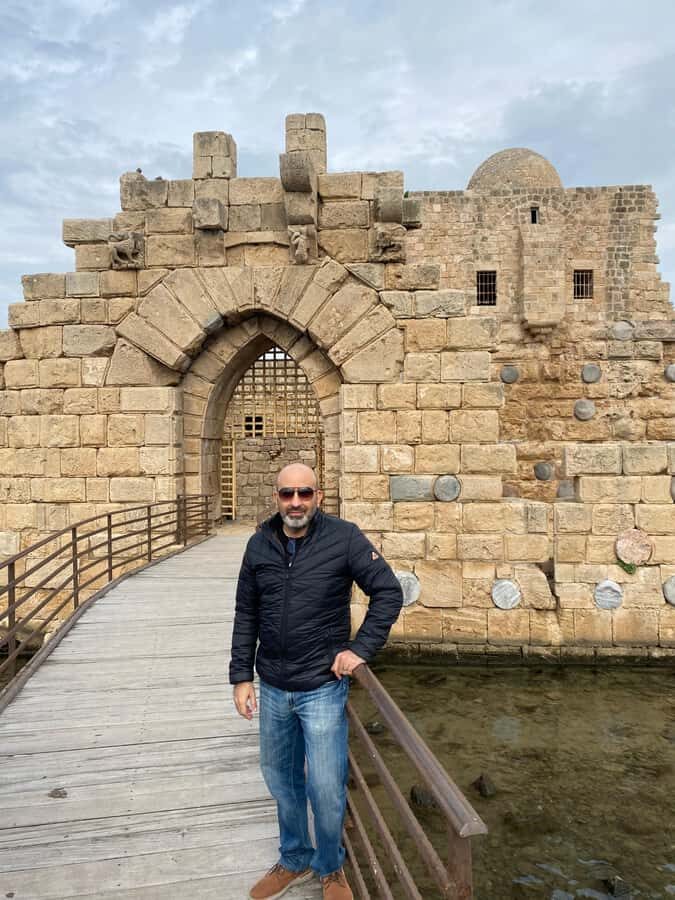
Sidon’s Crusaders’ Castle dates to the 13th century, and even if you’re not a hardcore medieval buff, it’s the kind of place that makes history feel physical. The castle sits where it can dominate the city approach, so your guide can point out how a fortress like this wasn’t just a building—it was a strategy.
When you’re there, I’d focus on three things:
- How the site controls movement: castles are built to watch and respond.
- The defensive feel of the walls: notice the sturdiness and how the structure frames space.
- How the story connects to Sidon’s bigger importance: this wasn’t a random stop; it was a place worth fortifying.
This stop also works as a “tone-setter.” After the castle, the day shifts into more local Sidon experiences—craft, markets, and museums—so you’ll understand the contrast between power (castle) and daily life (souks and workshops).
Practical tip: this area is often sun-heavy, so sun hat and sunscreen are not optional if you burn easily. The tour includes water, but you’ll still feel better if you stay ahead of heat.
The Audi Soap Museum and Sidon’s old souks: craft as a time machine
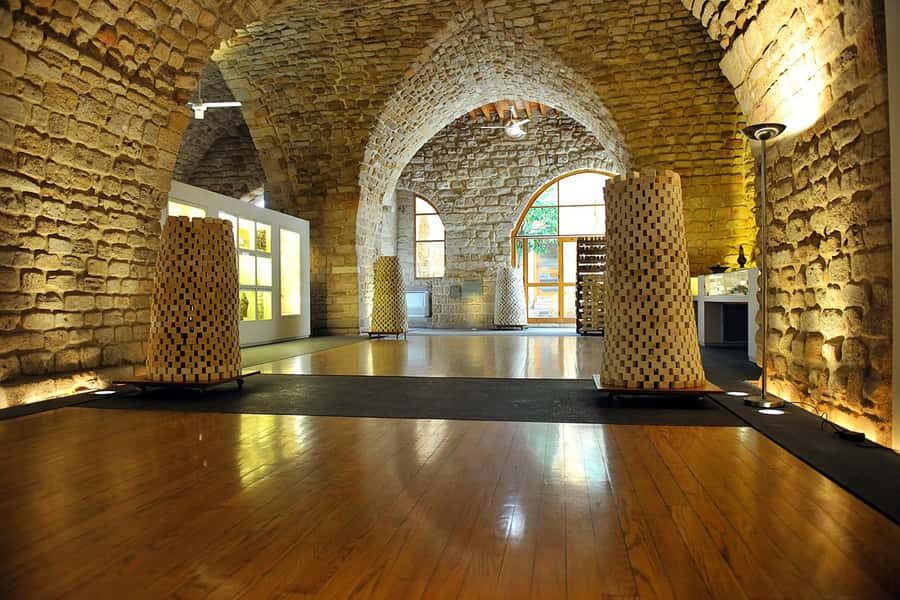
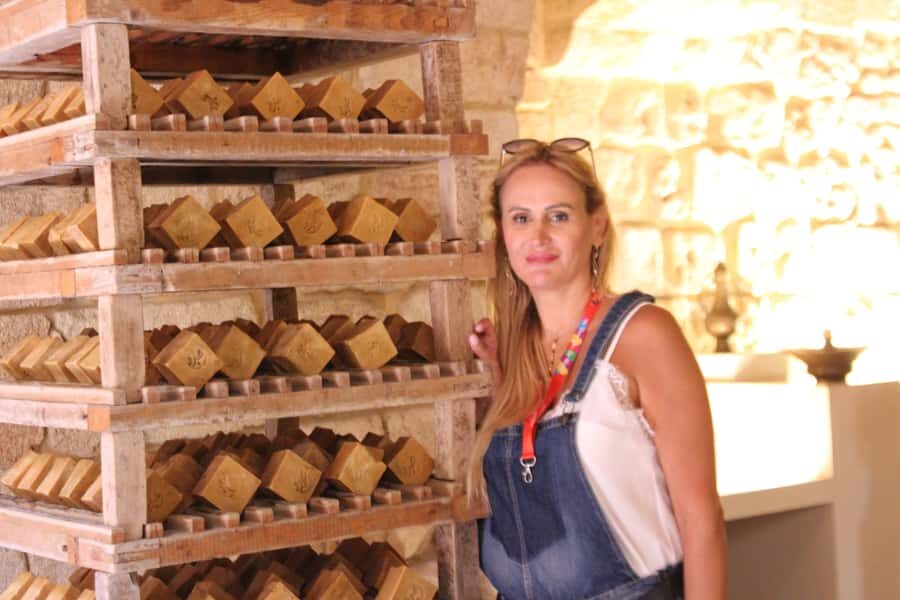
One of the best parts of the day is the Soap Museum in Sidon. It’s not about watching a video about soap; it’s about seeing how soap-making became part of regional life. If you’ve ever wondered why certain products and trades cluster in specific places, this kind of museum gives you that answer in a simple, concrete way.
Think of it as a bridge between the grand ruins and the everyday world. Roman or Crusader sites can feel distant. A craft museum makes the past feel usable, like people actually lived there and made things with their hands.
After the museum, you’ll have time for Sidon’s historic old souks, plus a stop tied to an arts and crafts market. Even if you don’t plan to shop, the value here is your pace. A guide can point out the patterns of commerce—what gets sold, how shops are laid out, and what locals seem to care about.
If you do want to buy something, I’d keep expectations realistic: you’ll see items shaped by tradition and tourism. To get better value, ask questions first, then decide. A craft that has a story behind it is more fun to own than one you grabbed quickly because it looked nice in a shop window.
Our Lady of Mantara in Maghdoucheh: a calm, meaningful stop on the way back
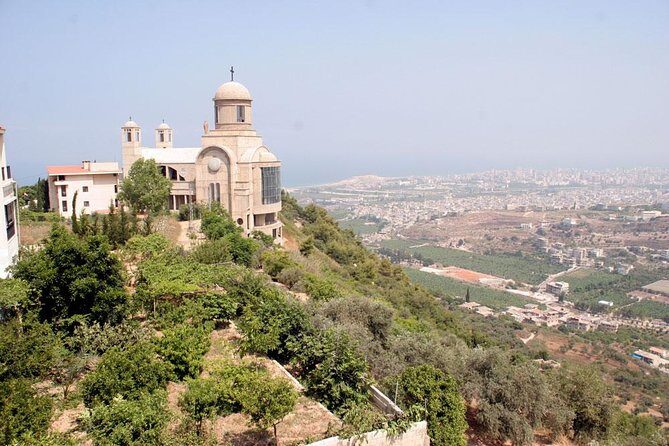
On the return drive, you stop at Our Lady of Mantara in Maghdoucheh, also known as Our Lady of Awaiting. This is a sacred site associated with the Virgin Mary waiting for Jesus to visit Sidon.
What I like about this stop is the shift in mood. After the intensity of ruins and museums, this gives you a short reset. It’s also one of those places where the meaning matters more than sightseeing mechanics. You don’t need to read every label to understand that people come here to pray and reflect.
Since the visit is short (about 30 minutes), use it intentionally. Walk slowly, look at the setting, and let the experience be quiet rather than checklist-driven. If you’re traveling with someone who appreciates faith sites, this is usually the stop they remember as the emotional hinge of the day.
Tyre’s Christian Quarter and UNESCO sites: where scale really hits
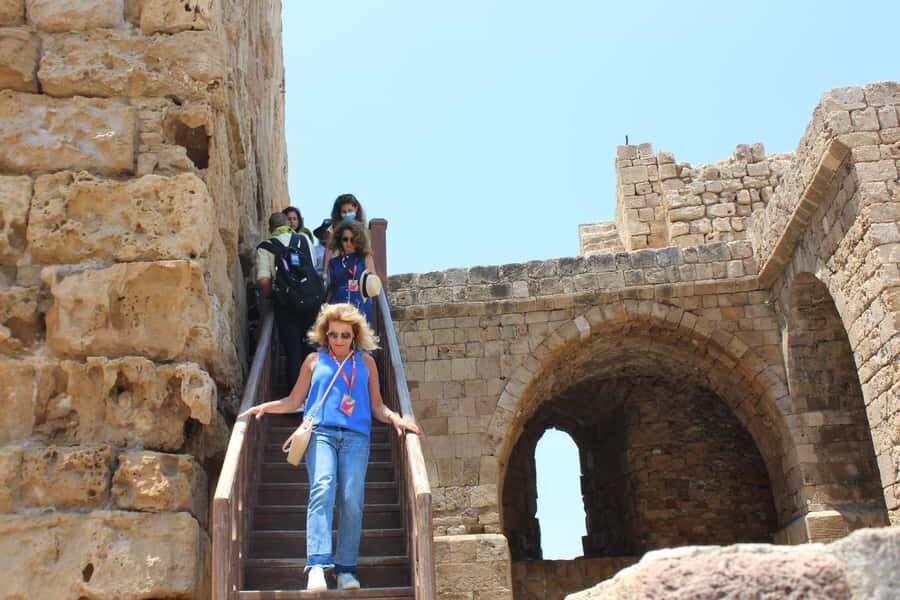
After Sidon, the day continues to Tyre, a UNESCO World Heritage Site. Tyre is one of those destinations where you can feel layers of time without needing a degree in archaeology. The guide-led time focuses on Tyre’s Christian Quarter and the historic ruins.
You’ll also get time for scenic views on the way, which matters more than it sounds. A short window outside the sites helps you understand why people settled here in the first place: a coastline that supports trade, movement, and survival.
At Tyre, the guide’s job is crucial. The ruins can look like scattered stone if you don’t know what you’re looking at. With a guide, you start to connect the structures to how the city operated.
Here’s what I’d pay attention to:
- How the quarter is organized: sacred spaces often shape the surrounding streets and flow.
- What ruins suggest about daily movement: where people gathered, walked, and met.
- The big Roman structures: which is where your next stop becomes a real highlight.
You can also read our reviews of more historical tours in Beirut
The 2nd-century Roman hippodrome: a highlight with real “wow” factor
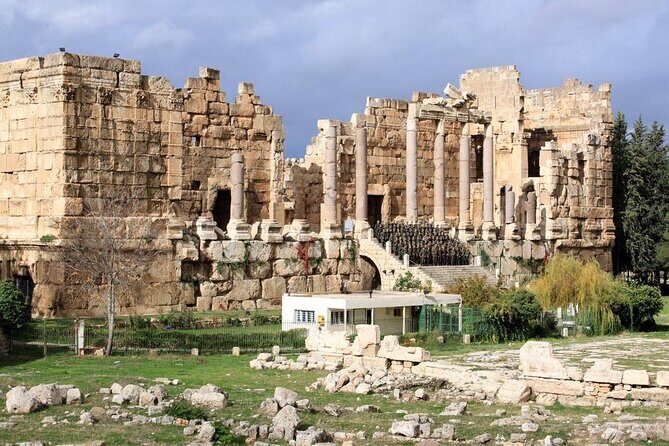
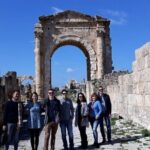
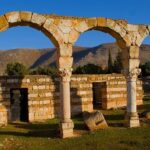
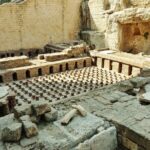
Tyre’s Roman hippodrome is the centerpiece stop for a reason. It’s tied to the 2nd century, and it helps you picture entertainment and crowd life at a scale that’s hard to imagine from ruins alone.
This is one of those moments where a guide’s explanations can turn stone into motion. Once you understand the purpose of a hippodrome—events, large gatherings, and the rhythm of public life—you start noticing how the site’s shape supports that function.
Even if you only get about 30 minutes of walking in the Christian Quarter area, the overall timing is arranged so you still reach the hippodrome with enough energy to take it in. I’d keep your phone away for a few minutes and look with your eyes first. You’ll get better photos later, but your brain will do better if you experience it without constantly framing it.
Lunch on the coast: where the tour actually slows down
Lunch is included, and it’s served as a proper break on the Tyre portion of the day. You get about 1 hour for lunch, and it’s described as a delicious Lebanese meal on the coast.
This matters because the route includes multiple “information-heavy” stops. A lunch that feels like an actual meal helps you absorb what you’ve seen, instead of sliding straight into the next site with a foggy head.
Two practical notes:
- If you have any food restrictions, mention them ahead of time if the provider asks, because this is a fixed schedule.
- Skip the heavy extras and save room. The walk after lunch is limited, but you’ll enjoy the later stop more if you don’t feel weighed down.
Alcohol is not included, so if you want it with your meal, plan accordingly.
Price and value: is $140 for Sidon and Tyre fair?
At $140 per person for a 7-hour private day trip, this is positioned as a “you get the whole package” experience. The price matters less if you look at it as a single number and more if you break it down by what’s included.
What you’re paying for, in real terms:
- Hotel pickup and drop-off in Beirut
- A live guide (with multiple language options)
- Entry tickets to the Crusaders’ Castle and the Soap Museum
- Entry tickets to Tyre historical sites
- Lunch plus water and snacks
- A private group, which usually means less waiting and more responsive pacing
When you compare that to the cost of doing parts of the day on your own—driver, entrance fees, and hiring a guide for specific ruins—this starts to look less like a splurge and more like a convenience-driven deal. You’re essentially buying structure and local interpretation, not just transportation.
If you’re traveling in a group of two or three, the private-group format can feel especially good because you’re not competing for the same guide attention.
The guide and driving: what to expect from the human side
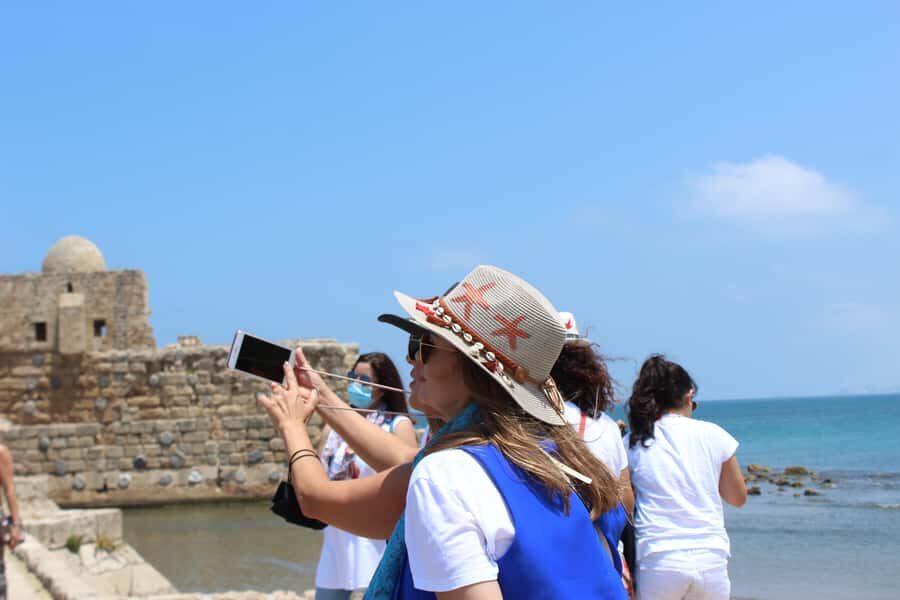
This tour runs with a live tour guide, and the languages listed include Spanish, English, French, Italian, and Arabic. That’s a meaningful detail, because these sites are easier when you can ask follow-up questions or catch the logic behind what you’re seeing.
The experience quality also depends on the driver and timing. Strong feedback highlights guides like Carla Ghaoui and drivers such as Amin and John for patient, helpful service. That kind of team makes a big difference on a day trip where you don’t have wiggle room.
Still, keep one realistic consideration in mind: on rare days, pickup timing can slip, and if two sites are affected by closures, the schedule can feel more compressed than planned. If you’re booking near the start of your trip, give yourself a buffer day in Beirut so you’re not stuck with no options if one stop underperforms.
Who this tour suits best (and who might want a different day)
This is a good match if you want:
- A single day that covers both Sidon and Tyre, with real stops rather than roadside photo breaks
- A guide-focused tour where explanations help you understand ruins and sacred sites
- Included lunch, entrances, and pickup so you can spend your energy on sightseeing instead of planning
It may not be the best match if:
- You hate time pressure and prefer to linger at sites
- You only want archaeological depth with lots of quiet exploration (this tour is structured, not slow and wandering)
- You want total freedom to change the route on the fly
For most visitors, though, the mix here hits a sweet spot: fortress, craft, souks, UNESCO ruins, and a calm faith stop, all in one clean loop.
Should you book this Sidon and Tyre UNESCO day trip?
I’d book it if you like your history with good physical context: you want to stand somewhere and understand why people built there. The strongest reason to choose it is the combination of Tyre’s UNESCO sites (including the Roman hippodrome) plus Sidon’s Crusader castle and the Soap Museum, all wrapped up with a coast lunch.
If you’re sensitive to rushing, I’d still go—but go with the right mindset. Plan to soak up the big moments, take short breaks, and don’t treat every stop like an all-day museum. This tour rewards visitors who enjoy momentum without losing their sense of curiosity.
FAQ
How long is the Sidon and Tyre UNESCO tour?
The tour lasts about 7 hours.
Where does pickup happen?
Pickup and drop-off are included from your hotel in Beirut.
What major sites are included in the tour?
You’ll visit Sidon, including the Crusaders’ Castle and the Soap Museum, and you’ll explore Tyre’s UNESCO sites such as the Christian Quarter and the Roman hippodrome. You also stop at Our Lady of Mantara in Maghdoucheh.
Is lunch included?
Yes. Lunch is included, and it’s served on the coast during the Tyre portion of the day.
Are entrance tickets included?
Yes. Entry tickets are included for the Crusaders’ Castle, the Soap Museum, and the historical sites in Tyre.
What languages are available for the guide?
The guide is available in Spanish, English, French, Italian, and Arabic.
Is cancellation free?
Free cancellation is available up to 24 hours in advance for a full refund.
If you tell me your travel dates and language preference, I can help you judge whether this timing fits your style and how to pack for the heat and walking.