REVIEW · BEIRUT
Historical Beirut Tour (AM) Half Day – (4G on Board)
Book on Viator →Operated by Nakhal & Cie · Bookable on Viator
Beirut history fits in three smart hours. I like the easy start with hotel pickup (from select Beirut hotels) and the payoff of a guided visit to the National Museum of Beirut, where you get the big-picture story behind Lebanon’s artifacts. Even if you’re only here for a short stay, this tour is built to help you understand why modern Beirut still feels like it has a point of view.
The main thing to think about: the schedule leans museum-heavy, so if you came for long, nonstop walking, you may want an extra afternoon plan. That said, the guiding style is often praised for its storytelling—names you might hear include Madeline and Eliane, both known for turning stones and statues into clear context.
In This Review
- Key highlights worth your time
- A 3-hour Beirut intro with downtown landmarks plus museum time
- Getting to the start: pickup options and where the tour ends
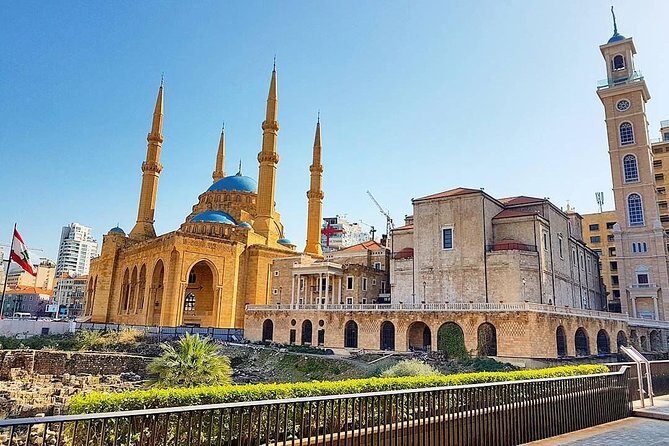
- Place des Martyrs: the Martyr’s Square photo stop that sets the tone
- Nejmeh Square and downtown landmarks: modern Beirut in one concentrated stretch
- Roman Bath and the downtown walk: how the city’s older layers show up
- National Museum of Beirut: your archaeological timeline in one place
- How the guide shapes the experience (and why it matters)
- Price and what you actually get for $50
- Who should book this Historical Beirut Tour?
- A quick safety note for Lebanon right now
- Should you book?
- FAQ
- What time does the Historical Beirut Tour (AM) start?
- Is hotel pickup included?
- Where is the meeting point if I’m not getting pickup?
- What’s included in the tour price?
- How long is the tour?
- Does the tour operate despite travel warnings to Lebanon?
Key highlights worth your time
- Hotel pickup and air-conditioned transport to keep the morning stress low
- Martyr’s Square + Martyr’s Statue with a WWII-era (Ottoman war) story behind the monument
- Nejmeh Square photo stops and a look at the city’s modern downtown layout
- National Museum of Beirut admission included with major highlights across Phoenician, Byzantine, and Roman finds
- A short Roman-history stretch that connects downtown streets to the city’s Roman past
A 3-hour Beirut intro with downtown landmarks plus museum time
This Historical Beirut Tour (AM) is designed for first-time orientation. In about 3 hours, you get a guided route through downtown’s key landmarks, plus a stop at the National Museum of Beirut, where the city’s archaeological record gives the rest of your sightseeing meaning.
The best part is that the tour doesn’t treat history like a trivia game. The guide frames Beirut as a place that keeps reappearing in new political outfits. You start with the long arc—settlement over 5,000 years ago, then prosperity as a Roman city-state from 15 BC—and you end with evidence you can actually look at in the museum galleries. It’s a neat way to learn the “why” behind the streets you’ll walk later.
One more practical win: you’re not doing this solo. You’re in a small group—up to 25 travelers—with an expert guide speaking English and French (depending on your tour group language). That matters in Beirut, where the meaning of a square or monument often depends on context.
You can also read our reviews of more historical tours in Beirut


Getting to the start: pickup options and where the tour ends
You can start in two ways:
- Hotel pickup from select Beirut City hotels (not hostels, Airbnbs, or private apartments)
- Or meet your guide in downtown Beirut at Nakhal Tourism and Travel Beirut, Lebanon.
The tour begins at 8:30 am and finishes back at the original start point. That “back where you started” structure is simple, and it helps if you’re trying to stack the rest of your day with minimal planning.
What I like here is the mix of flexibility and structure. If you’re staying in an eligible hotel, pickup saves time and keeps you from having to figure out downtown streets early. If not, the meeting point is clear and central enough to work.
Place des Martyrs: the Martyr’s Square photo stop that sets the tone
Most people notice monuments first. The tour helps you understand what you’re seeing next.
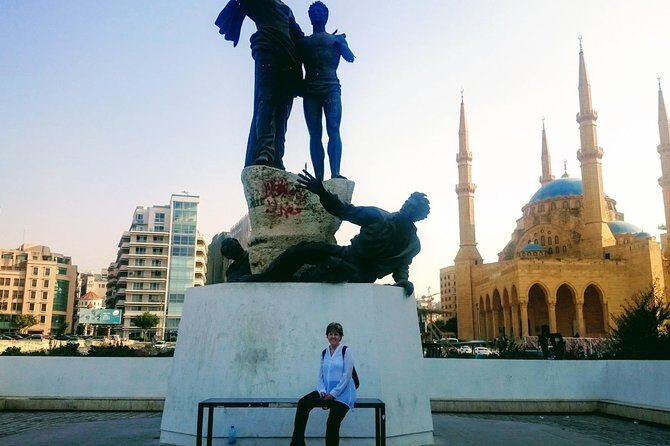
You begin at Place des Martyrs / Martyr Square for about 10 minutes. The headliner is the Martyr’s Statue, a memorial honoring Lebanese nationalists who were murdered during the same war by the Ottomans. Even if you don’t know much about Ottoman-era Lebanon going in, the guide’s explanation gives the statue a political and emotional weight that’s hard to pick up just by looking.
This first stop is also a useful warm-up. You’ll get a quick orientation to how Beirut’s modern identity formed through repeated periods of upheaval. That makes later stops—like the story behind downtown’s redevelopment—click more quickly.
Photo tip: bring your camera mindset for this one. The statue and the square are classic framing points, and you’ll get a short, timed window rather than an open-ended linger. If you want extra photos, arrive with your angles already in mind.
Nejmeh Square and downtown landmarks: modern Beirut in one concentrated stretch
After the memorial stop, the route shifts to the downtown core. You’ll pass through areas connected to Beirut’s modern layout and meet the kind of landmarks that locals use as reference points.
A key part is visiting and taking photos at Nejmeh Square, described as recently renovated. This square is treated as the heart of modern Beirut, so it’s not random “walk and point” sightseeing. The guide ties its look to the city’s long comeback story, including the way Beirut retained a liberal atmosphere even after long periods that nearly broke the city.
You’ll also hear about a major symbol of World War I: the famous central clock tower, constructed during the war. Even though it’s a straightforward landmark, the context makes it feel like a timeline marker stuck right in the middle of everyday life.
A small consideration: downtown streets can change fast in mood. This tour keeps things moving, but it’s still a walking-and-stopping format. If you prefer one long continuous stroll, you may notice the schedule is more “pinpoints” than “all-sides wandering.”
Roman Bath and the downtown walk: how the city’s older layers show up
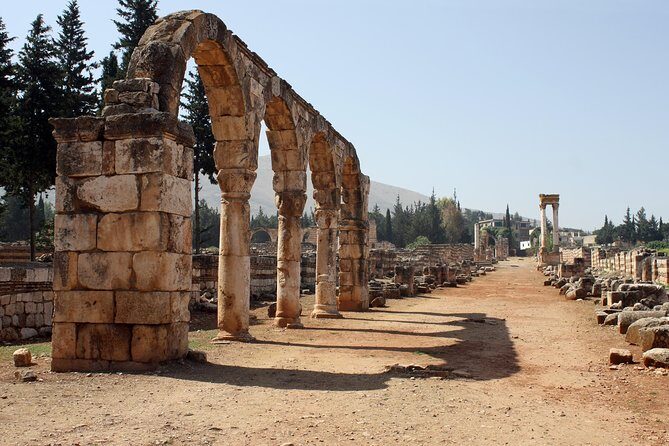
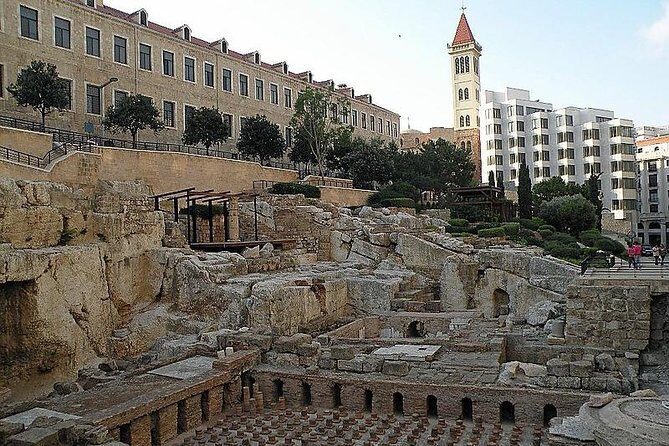
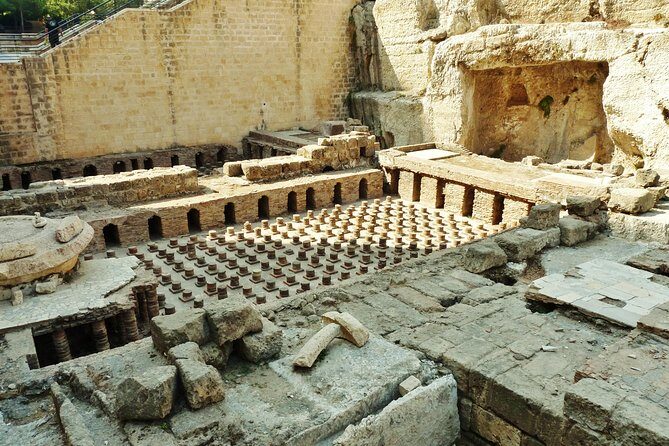
One of the more satisfying surprises on this itinerary is the connection to Roman Beirut. You’ll have a 30-minute segment that includes the Roman Bath and Downtown in Beirut.
This is the kind of stop that works best if you treat it like a bridge. The guide isn’t just saying Roman things existed. You’re meant to connect the Roman city-state era (from 15 BC) to the way the city’s footprint continues to influence what you see today.
Here’s how to get value from this part:
- Listen for what’s still visible versus what’s inferred.
- Pay attention to why the guide cares about the Roman layer (often the political and urban “why,” not just the “what”).
Drawback to plan around: since the tour is only 3 hours, this Roman segment stays tight. You won’t get a full day of Roman archaeology. But you will get the context that makes it easier to spot what matters when you explore on your own later.






National Museum of Beirut: your archaeological timeline in one place
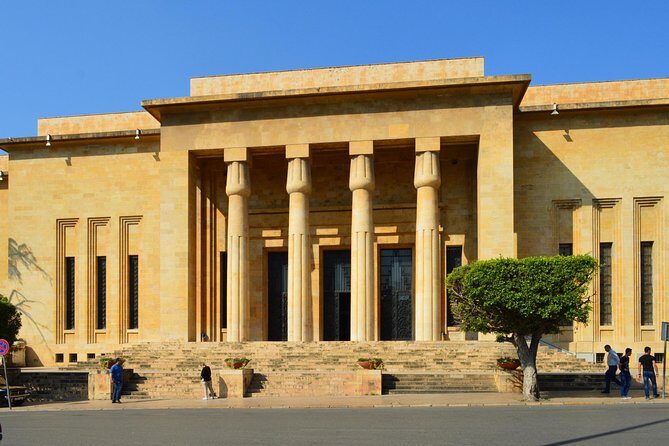
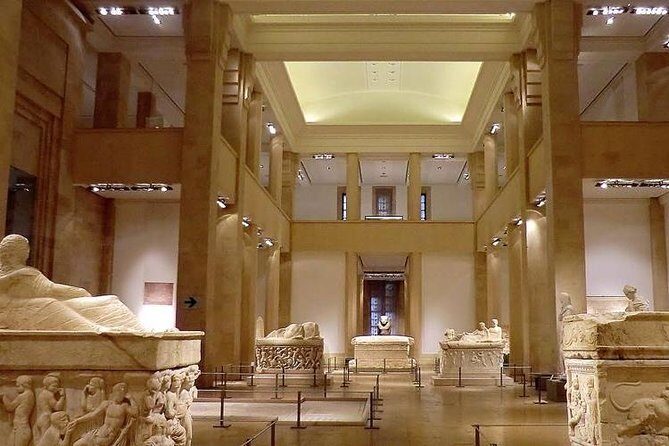
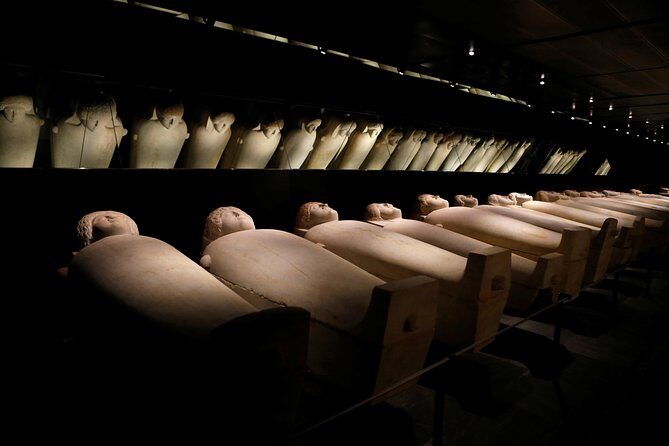
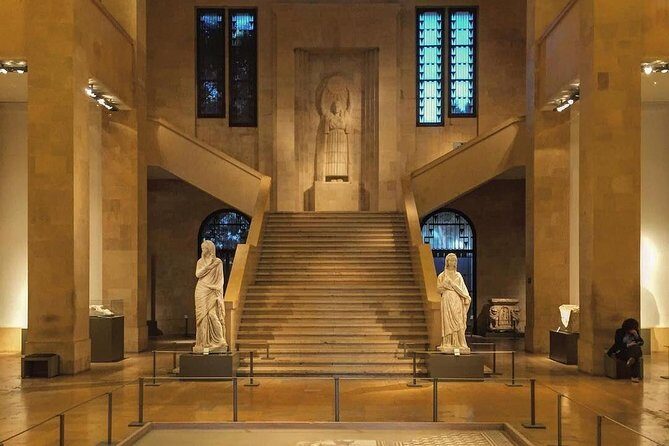
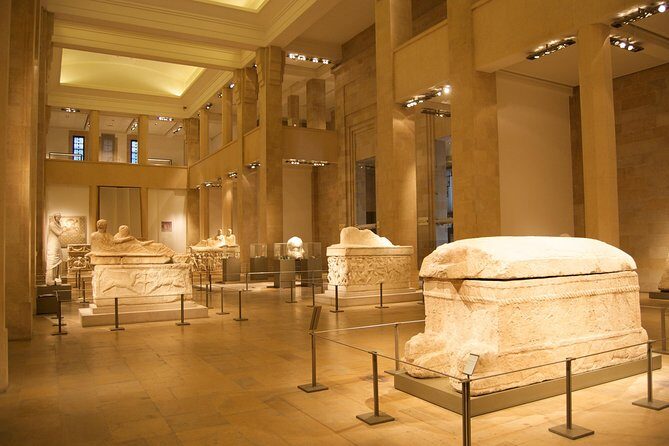
The centerpiece stop is the National Museum of Beirut, with admission included and about 1 hour inside.
This is where the tour becomes more than a walking loop. The museum is presented as a treasure trove of archaeological finds that tracks both Beirut’s and Lebanon’s broader history. And the highlights are the kind you can’t fake with online photos:
- Phoenician statues
- Byzantine mosaics
- Roman pieces
You also get that “more recent discoveries” angle. One of the tour’s key points is that some archaeological items were found as recently as 2007, which helps you understand that history isn’t only preserved—it’s still being uncovered.
The museum also makes a strong first-impression case for the city. Beirut’s story can feel politically heavy, especially if you’re new to the region. In the museum, you get a different kind of power: everyday life expressed through art, objects, and craft across centuries.
Where some visitors may feel the pinch: 1 hour is fixed, and the walking portion is shorter than you might wish. If you’d rather spend more time outdoors than indoors, you’ll want to plan extra street wandering on your own after the tour ends.
How the guide shapes the experience (and why it matters)
This tour is led by a professional licensed guide and includes commentary in English or French, with storytelling that’s meant to connect each stop to people and events.
The guide also sets up your understanding early. Before you start moving between landmarks, you’re given a history introduction covering:
- settlement over 5,000 years ago
- prosperity as a Roman city-state from 15 BC
- Beirut becoming the capital of modern Lebanon after the collapse of the Ottoman Empire following World War I
- the city’s repeated rise-and-fall pattern, while maintaining its liberal atmosphere
In other words, you’re not learning dates only. You’re learning a pattern. That’s why guides like Madeline and Eliane stand out in accounts of this tour—strong guides make the monument details feel like a readable story instead of separate facts.
Practical tip: if you’re the type who likes to ask follow-ups, this is a good time. The tour structure is short, so one smart question can multiply your understanding of the whole loop.
Price and what you actually get for $50
At $50 per person, this isn’t a “budget bus ride” deal. It’s paying for:
- a licensed expert guide
- entrance fees to the featured sites
- air-conditioned vehicle
- bottled water
- WiFi on board
- and pickup/drop-off if you’re staying in eligible Beirut City hotels
You’re also getting the value of time management. Morning tours cost you energy; this one tries to reduce wasted minutes by handling transport and admissions for you.
What’s not included is lunch. That’s normal for half-day tours, but it’s worth noting: plan for either an early meal after you finish or something quick near downtown. If you’d rather eat before you start, you’ll have time to grab food around the 8:30 am schedule—just don’t overdo it, since you’ll still be walking a bit.
If you’re deciding whether this is worth it: ask yourself whether you need an organized orientation plus a museum stop. If yes, $50 can feel like a solid bargain. If you’re already comfortable with downtown history and want lots of unstructured walking, you might feel it’s more efficient to explore independently.
Who should book this Historical Beirut Tour?
This tour fits best if you want:
- a clear first pass at downtown Beirut
- a guided connection between monuments and the long timeline (Roman → Ottoman-era → modern Lebanon)
- a museum stop that’s guided enough to help you notice the right things
It also helps if you don’t want to spend a whole day planning. The 3-hour length, included admissions, and pickup option for eligible hotels are built for visitors who want to maximize their limited time.
You might consider a different or longer tour if:
- you crave more outdoor time and longer walking routes
- you’re hoping for deeper access to extra neighborhoods or more interior sightseeing than a museum can provide
- you’d rather spend more than 1 hour in the National Museum’s galleries
A quick safety note for Lebanon right now
The tour information includes a note that the U.S. Department of State has issued a warning against travel to Lebanon due to safety and security concerns. At the same time, it states that these tours continue to operate with no disruptions, and the provider stays in contact with local suppliers and guides, updating customers if anything changes.
My advice: before you go, check your government’s latest travel guidance the same day you plan to travel. If anything changes, you’ll want to adjust fast. That’s the smart move, not just for this tour but for the rest of your Beirut schedule.
Should you book?
Yes—if you want a tight, guided introduction to Beirut that connects downtown symbols (like Martyr’s Square and Nejmeh Square) to the material history inside the National Museum of Beirut. The structure is short, clear, and built for first-timers.
No—if your main goal is lots of walking time or a long, museum-beyond-one-hour visit. This tour is efficient, not all-day. Treat it like the opening chapter, then add your own reading of the city afterward.
If you’re on the fence, a good way to decide is this: do you need a guide to turn Beirut’s landmarks into a coherent story? If yes, book it. If you already know the basics and just want to wander freely, you may get more out of self-guided time.
FAQ
What time does the Historical Beirut Tour (AM) start?
The tour starts at 8:30 am.
Is hotel pickup included?
Pickup is included only for guests staying in Hotels located within Beirut City (select hotels). It does not include hostels, Airbnbs, or private apartments.
Where is the meeting point if I’m not getting pickup?
If you’re not using hotel pickup, the meeting point is Nakhal Tourism and Travel, Beirut, Lebanon.
What’s included in the tour price?
The price includes a licensed English and French speaking guide, air-conditioned vehicle, pickup/drop-off for eligible hotels, entrance fees to the listed sites, bottled water, and WiFi on board.
How long is the tour?
The duration is about 3 hours.
Does the tour operate despite travel warnings to Lebanon?
The tour information says Viator’s Lebanon tours continue to operate with no disruptions, and they update customers if anything changes based on contact with local suppliers and guides.