REVIEW · BEIRUT
Wine Tasting and Culture
Book on Viator →Operated by Lebanon Tours & travels · Bookable on Viator
Roman ruins and Lebanese wine in one day.
That combo is the point of this tour: you’ll go from Baalbek’s colossal Roman temples to the Beqaa Valley wineries where Lebanese wine culture goes from stories to samples. You get history you can actually walk around, plus tasting time with clear, hands-on guidance.
I love two things most: the way the day anchors you in real Baalbek sights (Bacchus, Jupiter, and Venus), and the way wine is explained during tastings—one standout guide, Kefraya, is praised for breaking down the scientific process of making and tasting wine.
One consideration: lunch isn’t included, so you’ll want a little extra cash and flexibility for a meal stop during the long day.
In This Review
- Key highlights to know before you go
- Why this Beirut wine-and-Temples day works
- Morning pickup and the drive toward the Beqaa Valley
- Baalbek temples: Bacchus and Jupiter in real scale
- Temples of Baalbek: Venus and the “Heliopolis triad” story
- The Stone of the Pregnant Woman: a 15-minute pause with impact
- Château Ksara: a 1857 winery tied to Lebanon’s first dry wine
- Château St Thomas: hillside vineyards and Beqaa soil
- Tasting sessions: what you should look for in your glass
- Price and value: is $100 a fair deal for this full day?
- What to pack, and how to pace an 8-hour day
- Should you book this tour?
- FAQ
- What time does the tour start?
- How long is the tour?
- Is pickup and drop-off included?
- What’s included in the price?
- Is lunch included?
- Is admission included for all stops?
- Is this a private tour?
- Can I cancel for a full refund?
Key highlights to know before you go
- Baalbek UNESCO Roman temples: Temple of Bacchus and Temple of Jupiter are part of an iconic UNESCO site.
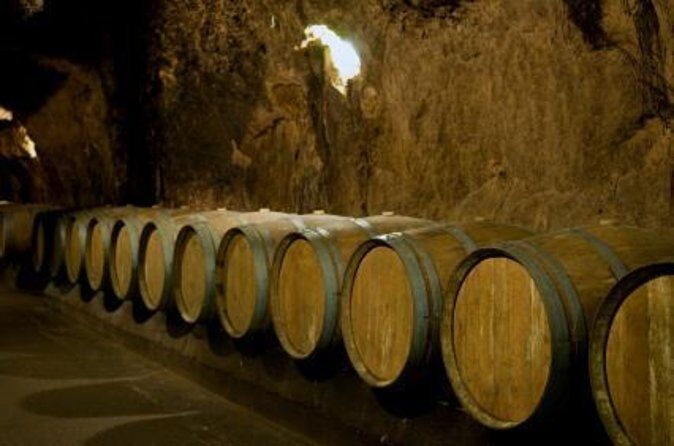
- Two winery visits in the Beqaa Valley: You taste at Château Ksara and Château St Thomas.
- Wine-tasting guidance you’ll remember: Kefraya is singled out for explaining how wine is made and tasted.
- Comfort-first transport: Air-conditioned vehicle with hotel pickup and drop-off in Beirut.
- Admission costs vary by stop: Some Baalbek areas are listed as free; Temples of Baalbek and both wineries are listed as not included.
- Tight but doable timing: About 8 hours total, with multiple 1.5-hour blocks.
Why this Beirut wine-and-Temples day works
This tour is built for people who don’t want to choose between “museum day” and “wine day.” You do both, and you do it with a guide who connects the dots. At Baalbek, you’re not just looking at ruins—you’re seeing how a Phoenician city became Roman Heliopolis, and how a religious site kept pulling pilgrims for centuries.
On the wine side, the Beqaa Valley part isn’t treated like an afterthought. You stop at two wineries, and tastings come with explanation. If you’ve ever wondered why the same grape can taste so different, this is the kind of day that helps answers show up in your glass.
It also helps that you’re not white-knuckling the day yourself. You’ve got hotel pickup and drop-off, private transportation, and an air-conditioned vehicle—useful when you’re mixing ancient stone with a long drive.
You can also read our reviews of more food & drink experiences in Beirut
Morning pickup and the drive toward the Beqaa Valley
The day starts at 8:30 am from Beirut. You’ll be picked up and dropped back to your hotel, which matters more than it sounds—Beirut traffic can turn a “short trip” into a time sink. Here, you can focus on the day instead of scheduling and logistics.
You’ll ride in an air-conditioned vehicle with a tour leader and a professional guide. That means you’re less likely to miss context while you’re traveling. In practice, it helps the whole day feel connected: the car ride is part of the story, not dead time.
Also note the tour is private in the sense that it’s just your group. That can make a big difference if you want questions answered clearly without feeling rushed by a large crowd.
Baalbek temples: Bacchus and Jupiter in real scale
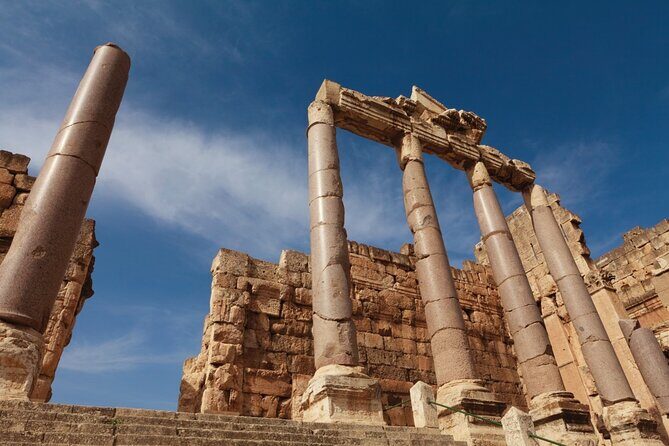
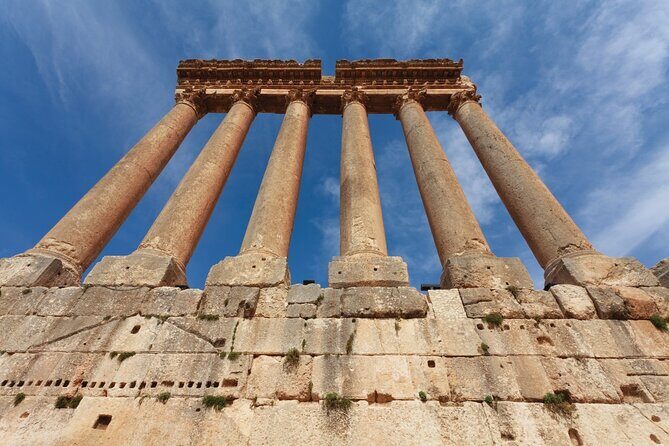
Baalbek is one of those places where you feel small in a useful way. The ruins are not “pretty background.” They’re giant Roman temple structures that sit in a setting tied to older Phoenician worship. This is exactly the kind of site where context turns ruins into meaning.
You’ll spend about 1 hour 30 minutes at the Baalbek temple complex. The Temple of Bacchus and the Temple of Jupiter are two of the main draws, and the whole complex is listed as a UNESCO World Heritage site. The guide coverage matters here because Baalbek wasn’t only Roman. It was known as Heliopolis in the Hellenistic period, and Roman times kept the religious function going—especially through the sanctuary of Heliopolitan Jupiter, which attracted thousands of pilgrims.
For you, the payoff is simple: you can look at the stone and understand what it was built to do. For example, the Romanized triad of Heliopolis—Jupiter, Venus, and Bacchus—is the thread tying the architecture to belief systems.
One practical note: the second Baalbek block (the Temples of Baalbek area) has admission listed as not included, so plan for possible ticket costs there. The first Baalbek stop is listed as admission ticket free, but don’t assume that applies to every area in the complex.
Temples of Baalbek: Venus and the “Heliopolis triad” story
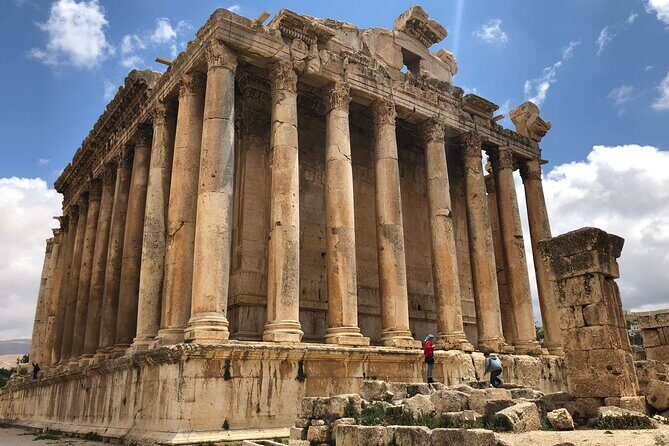
After the first Baalbek visit, you’ll continue within the temple complex area again for another 1 hour 30 minutes at the Temples of Baalbek. This is where the story gets even clearer: pilgrims came to venerate the triad of deities, and the cult was essentially Phoenician in origin even after Roman “translation.”
If you like history that feels lived-in (rather than dry facts), this portion helps. The complex reached its apogee during Roman times, and the construction took over two centuries. That timespan shows up in how massive and deliberate the site feels.
Here’s what to watch for: you’ll want comfortable shoes and a bit of patience for walking around uneven terrain. Some sites are easy to rush. Baalbek isn’t. You’ll enjoy it more if you accept that the scale takes time to digest.
And again, admission for this specific segment is listed as not included. If you’re traveling on a tight budget, factor this in so you’re not surprised at the gate.
The Stone of the Pregnant Woman: a 15-minute pause with impact
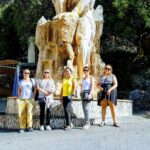
You’ll have a shorter stop—about 15 minutes—at the Stone of the Pregnant Woman. This is a worked Roman monolith in Baalbek and part of a pair of huge stone blocks quarried nearby. The idea wasn’t random decoration; the blocks were presumably intended for the nearby Roman temple complex.
What makes this stop worth your time is how it helps you “read” the site. Yes, you’ll see famous temples. But this smaller moment shows the engineering muscle of the Romans in a way that hits fast: large-scale stonework like this is hard to imagine until you’re standing near it.
The good news: this stop is listed as admission ticket free. So it’s a low-cost add-on that pays off in context.
Use the 15 minutes to slow down. Look at the scale, then look again—your brain needs a second pass to truly understand it.
You can also read our reviews of more wine tours in Beirut
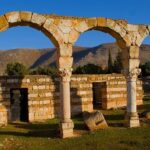
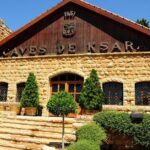
Château Ksara: a 1857 winery tied to Lebanon’s first dry wine
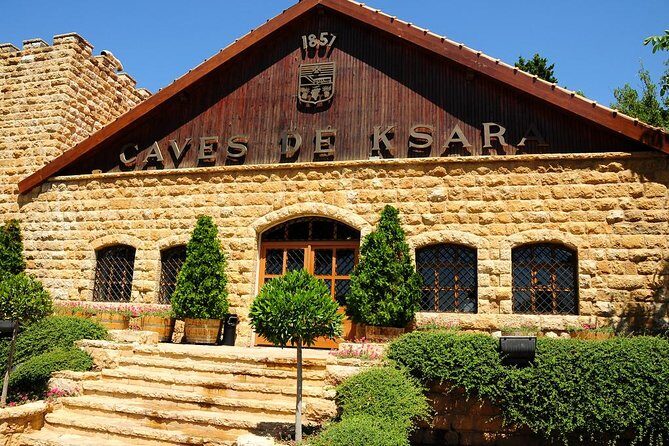
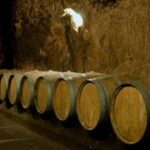
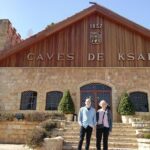
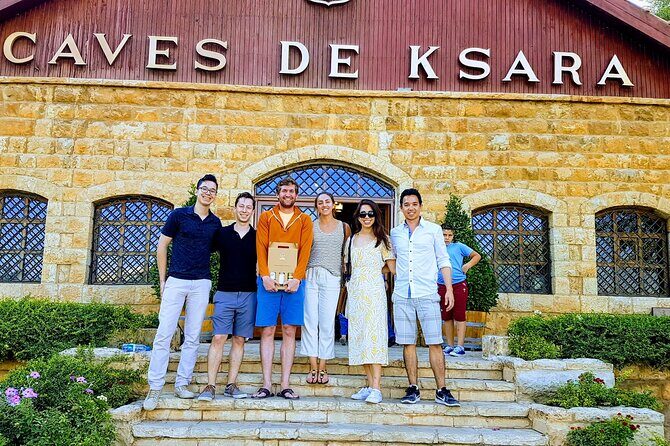
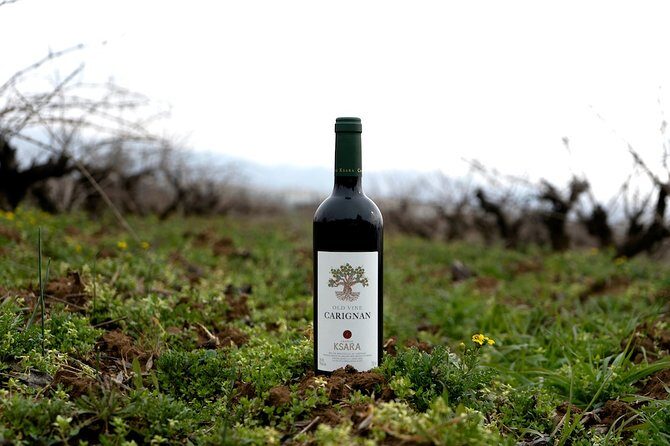
Now you shift from stone to grapes. You’ll visit Château Ksara in the Beqaa Valley. The winery has a long timeline: founded in 1857 by Jesuit priests, and it’s credited with developing the first dry wine in Lebanon.
It helps that Ksara isn’t described like a tiny producer-only operation. The winery produces around 3 million bottles annually, and wines are exported to over 40 countries. That mix—old roots plus international reach—often leads to a tasting experience that’s both traditional and very structured.
Expect your tasting session to focus on Lebanese wine styles and what makes them distinct. You may also get insight on why the Beqaa Valley matters, at least in the way the winery views its terroir and production.
One thing to keep in mind: Château Ksara’s admission/tasting costs are listed as not included. So while the transport and guides are covered, you’ll likely pay for tastings or entry at the winery, depending on what’s included in your exact package.
Château St Thomas: hillside vineyards and Beqaa soil
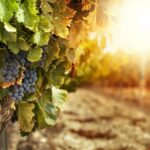
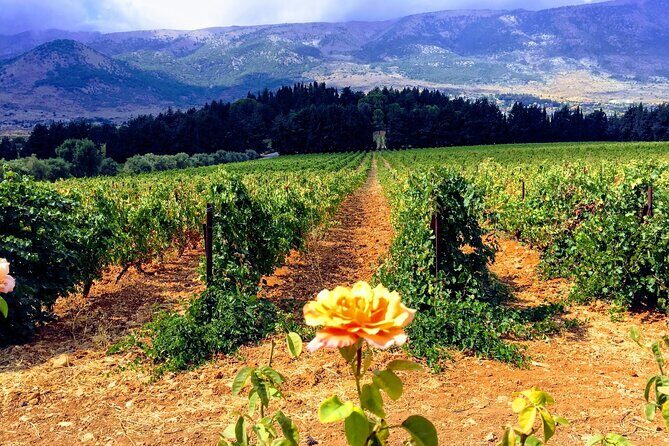
Next is Château St Thomas, established in 1990 and located on a hill overlooking the Bekaa valley. The pitch here is straightforward: the winery produces high quality wine because of the fertility of the Beqaa soil where its vineyards are located.
This stop is a nice contrast to Ksara. Ksara carries historic branding and long production scale; St Thomas feels more like modern winery ambition planted in the same agricultural region. If you’re paying attention, you can use the two tastings to compare how different wineries express similar place-based factors.
You’ll have about 1 hour here. That’s long enough to taste more than one wine and ask questions, but not so long that the day loses momentum.
As with Ksara, admission for this winery is listed as not included. Build in the expectation of additional on-site costs.
Tasting sessions: what you should look for in your glass
The best version of a wine day isn’t just sipping. It’s sipping with meaning. In the feedback you’re giving, one person stands out: Kefraya is praised for explaining the scientific process of making and tasting wine. That kind of guidance turns “I like it” into “I can tell why I like it.”
So here’s how to get more out of the tastings:
- Taste with the guide’s framework in mind, not just your preferences. Even if you don’t remember every term, you’ll remember the differences.
- Ask what you’re meant to notice—acidity, balance, aroma, or finish—because you’ll learn faster when you’re looking for something specific.
- Try to remember the sequence. Your palate changes through the day, and comparing earlier samples to later ones makes the day feel like real learning.
Also, you’ll likely be in a tasting rhythm after Baalbek. That helps you stay focused. When you’re tired, wine can start tasting like “just wine.” Guidance keeps it distinct.
Price and value: is $100 a fair deal for this full day?
At $100 per person, this isn’t a “cheap transfer.” You’re paying for a full-day structure: hotel pickup and drop-off, a private air-conditioned vehicle, a tour leader, and a professional guide, plus multiple long stops.
For value, the big question is how you handle admission costs at the stops. From the information provided:
- Baalbek’s first stop is listed as admission ticket free.
- The Temples of Baalbek admission isn’t included.
- Stone of the Pregnant Woman is listed as free.
- Both wineries are not included for admission.
So your all-in cost could be higher once on-site fees are added. Still, you’re not doing this alone or self-driving. For most people, paying for guided logistics plus two winery tastings is the convenience part that justifies the price.
If you’re already planning to see Baalbek and then find wine in the Beqaa, this tour saves you from stitching together separate plans. That convenience is often worth real money in a city like Beirut where timing can get messy.
What to pack, and how to pace an 8-hour day
This is an 8-hour day in practice, built around walking at an archaeological complex and staying alert for tastings. Keep it simple:
- Wear comfortable shoes for the Baalbek walking. Ruins can be uneven.
- Bring a light layer. Weather can shift between morning departure and later hours.
- If you get motion-sick, plan for it. You’ll be in a vehicle for a full half day.
- Since lunch isn’t included, decide in advance how you’ll handle meals. The day is long enough that “I’ll find something later” can become stressful.
One more pacing tip: don’t rush Baalbek. Take the time you need at the two main temple areas. Then let the winery stops reset your brain. That rhythm makes the whole day feel smoother.
Should you book this tour?
I’d book it if you want a day that mixes real Roman ruins with guided Lebanese wine tastings, and you’re happy to budget a bit extra for on-site admission at the Temples area and both wineries. It’s also a good fit if you like your history explained while you’re standing in front of the evidence—and if you enjoy wine more when someone points out what you’re tasting.
Skip it (or at least think twice) if you’re strongly price-sensitive and you don’t want any extra on-site fees beyond the tour price, since winery and certain Baalbek admission costs are listed as not included.
FAQ
What time does the tour start?
The tour starts at 8:30 am.
How long is the tour?
The duration is listed as about 8 hours.
Is pickup and drop-off included?
Yes. Hotel pickup & drop-off is included, along with private transportation and an air-conditioned vehicle.
What’s included in the price?
Included features are air-conditioned vehicle, private transportation, tour leader, hotel pickup & drop-off, and a professional guide.
Is lunch included?
No, lunch is not included.
Is admission included for all stops?
Not everywhere. The Baalbek stop is listed as admission ticket free, the Stone of the Pregnant Woman is free, but the Temples of Baalbek admission is not included. Winery admissions at Château Ksara and Château St Thomas are also not included.
Is this a private tour?
Yes. It’s listed as a private tour/activity where only your group participates.
Can I cancel for a full refund?
Yes, with free cancellation. You can cancel up to 24 hours in advance for a full refund, and cancellations within 24 hours are not refunded.