REVIEW · BEIRUT
Lebanon Wine Tasting Tour From Beirut
Book on Viator →Operated by Zingy Ride · Bookable on Viator
Three wineries in one day can change how you see Lebanon. This Beirut-to-Bekaa wine tasting tour turns a long drive into a structured day, with tastings across reds, rosé, and whites and visits to three well-known producers.
I especially like the small-group feel built for conversation, not just lining up at a counter. You also get round-trip hotel pickup in a climate-controlled vehicle, which matters on a warm day when you want to taste, not commute.
One thing to consider: this is primarily a tasting-and-factory-visit day, so if you’re expecting nonstop lecture-style history, you should ask your guide how much explanation you’ll get at each stop.
In This Review
- Key things to know before you go
- Why the Bekaa Valley makes a smart wine day from Beirut
- Beirut pickup, timing, and how the 8-hour day really feels
- Stop 1: Chateau Heritage and the Touma family’s wine-to-Arak thread
- Stop 2: Chateau Ksara—Lebanon’s oldest winery and the fortress-name detail
- Zahle lunch stop: a quick reset in wine-country town life
- Stop 3: Chateau Rayak and the mix of tradition with modern production
- What the tastings cover: reds, rosé, and whites you can actually compare
- Price and value: $91.03 for a full day away from logistics
- Who should book this wine tasting tour—and who might want a different day
- Should you book? My take on the decision
- FAQ
- FAQ
- What time does the Lebanon Wine Tasting Tour from Beirut start?
- How long is the tour?
- What wineries are included on the tour?
- Is pickup from Beirut included?
- Are wine tastings included?
- How big is the group?
- Is lunch included, and where is it?
- Are admission tickets included for the wineries?
- What happens if I need to cancel or change my booking?
- Do I receive a physical or mobile ticket?
- Who is the tour provider?
Key things to know before you go
- Bekaa Valley first-timer friendly: three wineries, spaced so you can actually taste and compare.
- Chateau Ksara’s origin story: founded in 1857 by Jesuit fathers on a 25-hectare plot, including Lebanon’s first non-sweet red wine.
- Chateau Heritage brings Touma into the picture: the Touma family started a winery/distillery in 1888 in Kab-elias and is tied to Arak Touma.
- Zahle lunch reset: you pause in Zahle with lunch at a local restaurant (about an hour).
- Chateau Rayak mixes old methods with tech: traditional family production paired with modern technology.
- Guide quality can make the day: you may get a driver/guide like Robin, known for humor and Lebanon context, and service can adapt if plans shift.
Why the Bekaa Valley makes a smart wine day from Beirut
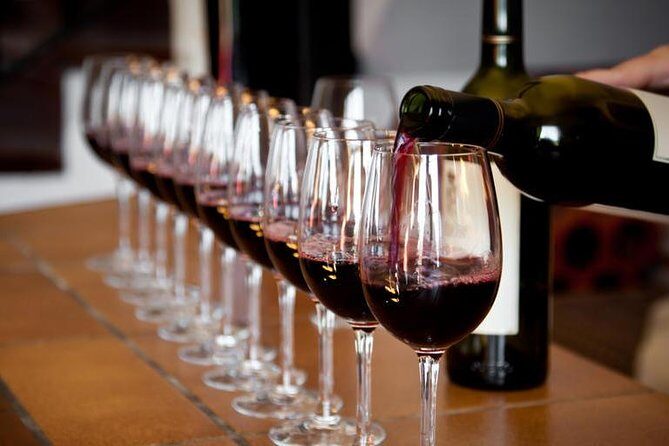
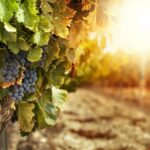
If you want a “first bite” of Lebanese wine, the Bekaa Valley is where the story starts making sense. It’s not just about wine as a product; it’s wine as part of the region’s identity—connected to ancient references, local families, and modern vineyards that still treat grape-growing as serious work.
What I like about doing this from Beirut is the structure. You don’t have to figure out routes, schedules, or who speaks English at each stop. The tour ties it together: you start in the city, ride out in a climate-controlled vehicle, then visit three wineries back-to-back with tastings built in.
You’ll also learn faster this way. Even if you’re not a wine expert, tasting the same style categories—red, rosé, and white—across different producers gives you a practical baseline.
You can also read our reviews of more food & drink experiences in Beirut
Beirut pickup, timing, and how the 8-hour day really feels
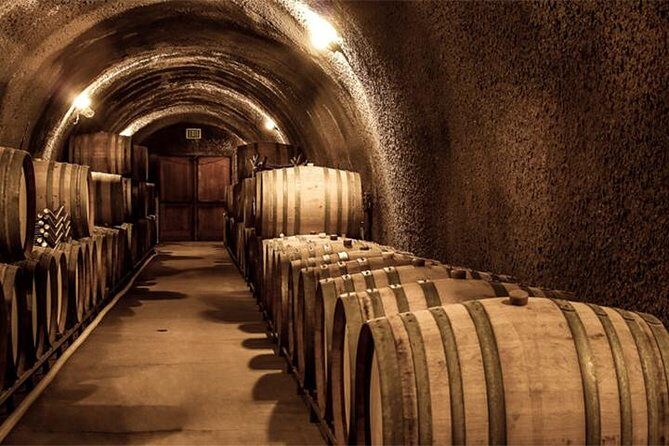
The tour starts at 9:00am and runs about 8 hours. That timing is ideal for people who want daylight sightseeing without burning the whole day.
You’re picked up in Beirut (the tour notes pickup is offered) and returned back to the starting area at the end. The vehicle is climate-controlled, which is a big deal in summer when open windows feel great on the street but not so great when you’re trying to focus on aromas and flavors later.
Group size is where this tour feels worth it. It’s limited to 10 for a more personal experience, even though the overall maximum is higher (up to 15). Practically, that usually means you won’t be swallowed by a huge crowd during tastings.
Stop 1: Chateau Heritage and the Touma family’s wine-to-Arak thread
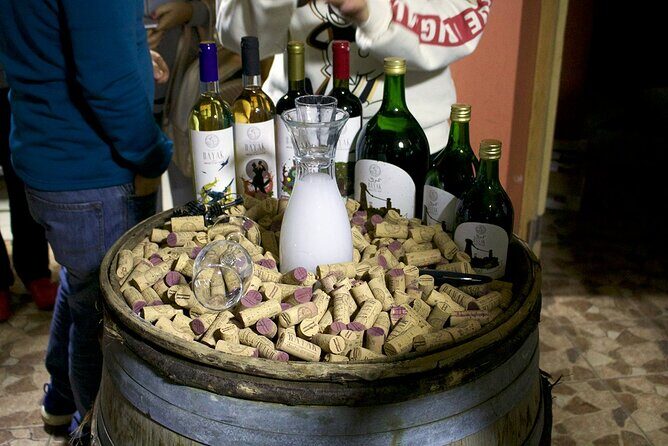
Chateau Heritage is the “how did this all begin?” stop, and you’ll feel that from the way the winery is presented. You’ll hear theories and references that tie wine-making to the Middle East—plus mentions of old-world figures and regional historical landmarks. It’s the kind of background that’s meant to frame why people in Lebanon treat wine as more than a modern hobby.
Then the story becomes specific. In 1888, the Touma family established one of the early wineries and distilleries in Kab-elias in the Bekaa Valley to produce wine and Arak Touma. That matters because arak isn’t a side topic here—it’s tied to Lebanese drinking culture, and it’s part of why the region’s production has always been about more than just bottled grapes.
What to expect from your visit:
- You’ll have about an hour at this first stop.
- Admission is included, so you can focus on tasting and questions rather than checking a ticket desk.
- The background sets you up to notice style differences in what comes next.
Possible drawback: because this stop leans into historical storytelling, if you only care about wine chemistry, you might want to steer questions toward the practical stuff (grapes used, fermentation, aging styles) once the story gives you context.
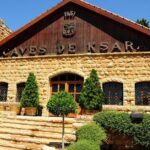
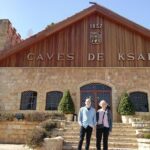
Stop 2: Chateau Ksara—Lebanon’s oldest winery and the fortress-name detail
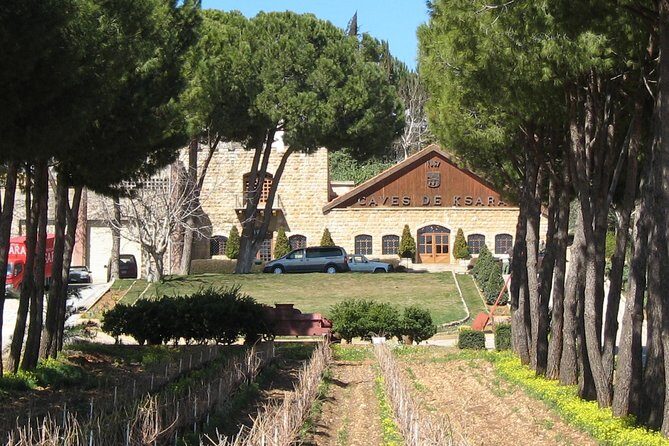
Chateau Ksara is the heavyweight on this route. It traces back to 1857, when Jesuit fathers inherited and farmed a 25-hectare plot and produced Lebanon’s first non-sweet red wine. That’s an easy anchor to remember: you’re tasting from a place that helped define modern Lebanese red wine production.
There’s also a name story that makes the architecture-and-history angle click. Chateau Ksara takes its name from ksar, meaning fortress, linked to Crusades-era history. Even if you don’t linger over the medieval details, it gives the visit a sense of place—you’re not just touring tanks and barrels; you’re in a site with layers.
During your stop (about one hour), you’ll have admission included and you’ll see the range this producer works with:
- reds
- sweet and dry white
- rosé
- and arak
Why this stop is valuable for your day
If you’re trying to learn quickly, Ksara helps you compare categories. The tour includes tastings across red, rosé, and white, and Ksara is a place where you can start noticing how one winery handles multiple styles rather than just one “signature lane.”
One practical tip: pace your notes. You may not want to write a whole review on the spot, but jotting one or two descriptors per stop helps you keep comparisons straight once you’re on the road again.
Zahle lunch stop: a quick reset in wine-country town life
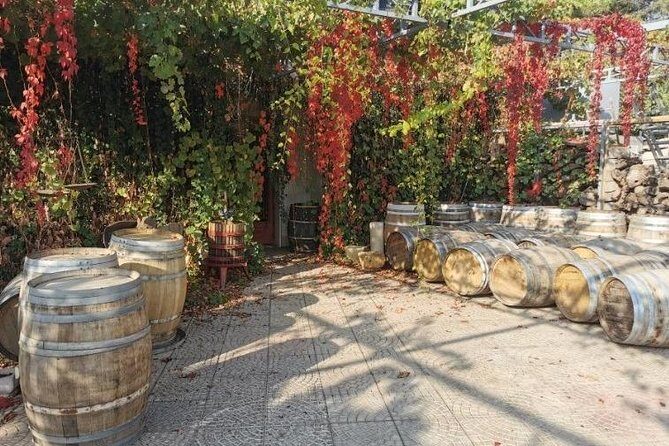
Between wineries, you get a breather. The tour includes a lunch stop in Zahle for about one hour, with entry noted as free.
This part matters more than it sounds. Wine days can blur together if you don’t eat. Zahle gives you a local-food pause so your palate isn’t just absorbing tannins and acidity for hours.
What I’d plan for:
- You’ll likely be eating as the schedule allows, so bring patience if lunch timing feels tight.
- Treat lunch as part of your tasting strategy. A sensible meal makes the later stop at Chateau Rayak more enjoyable rather than heavy.
No pressure to turn this into a second sightseeing day. The tour gives you enough time to refuel, not enough to pretend you’re doing a full Zahle exploration.
You can also read our reviews of more wine tours in Beirut
Stop 3: Chateau Rayak and the mix of tradition with modern production
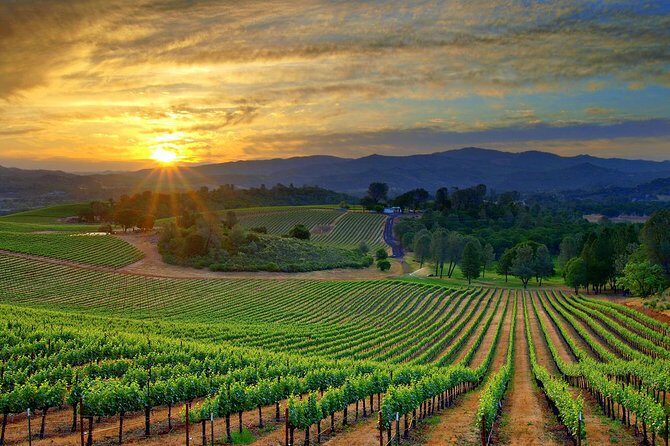
Chateau Rayak is the last winery visit, and that usually gives it a different role in the day: it’s where you can start tasting with more confidence because you’ve already compared styles at the first two stops.
This visit is about how a family manages production with both traditional methods and state-of-the-art technology. You don’t need to be a tech person to appreciate the balance—the point is that they’re not choosing between old and new. They’re using modern tools while still keeping family methods in the process.
You’ll spend about two hours here, and admission is included. That longer time is a good sign for your value-for-money. It gives you more room for deeper explanations, and it lets your taste buds recalibrate after lunch.
What you’ll get from Rayak, practically:
- more time for Q&A
- more time to compare what you liked earlier
- a sense of how modern Lebanese wine production works in real life
The main drawback to keep in mind: by the time you reach Rayak, you’ve already tasted several times. If you’re sensitive to alcohol, go slow. Taking small sips and focusing on aromas will let you enjoy the final stop without feeling wiped.
What the tastings cover: reds, rosé, and whites you can actually compare
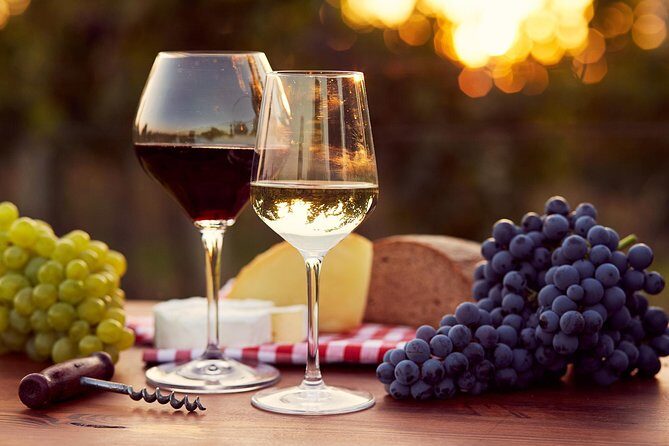
This tour is designed around included tastings, not random sipping. You can expect sampling across red, rosé, and white varieties as part of the winery visits.
Why that structure is helpful
When you taste wines from three different producers in one day, you start building a mental map:
- How does one winery’s red style feel compared to another?
- Does their rosé show more fruit-forward character or more dry structure?
- Do their whites lean crisper or softer?
You’ll likely find yourself picking up patterns faster than if you just buy one bottle and hope you guessed right. It also helps if you’re shopping later, because you’ll know what category you personally liked instead of buying based on label design.
A small sanity check: the tour includes multiple tasting moments, so if you plan to buy bottles to take home, keep your day in mind. Don’t overspend time on one tasting at the expense of the rest of your schedule. Your goal is comparison.
Price and value: $91.03 for a full day away from logistics
At $91.03 per person, this tour lands in a price zone that’s often about transport plus access. What makes it feel like value is what’s bundled: three winery admissions (not just “look at a vineyard”), tastings, and a full day of round-trip Beirut transport in a climate-controlled vehicle.
Also, the group-size approach matters. When a company aims for around 10 people for more personal service, you’re more likely to get real conversation during tastings, instead of a scripted demo.
If you’re deciding whether it’s worth it, use this simple test:
- If you’d otherwise spend time arranging transport and finding wineries that speak your language, the price starts to make sense.
- If you only want a casual glass with no need for structured tasting stops, you might find cheaper options elsewhere—but you’ll likely give up access and organization.
Who should book this wine tasting tour—and who might want a different day
This works best if:
- you want a smooth, organized introduction to Lebanese wine
- you’re curious about the Bekaa Valley but don’t want to plan driving yourself
- you like the idea of learning through tastings and short winery visits
- you enjoy history framing, but still want the main focus to be the wine
It may be less perfect if:
- you need a heavy “classroom” approach to wine history and want nonstop guided commentary
- you’re extremely alcohol-sensitive and prefer days with lighter tasting amounts
- you’re hoping for a relaxed, slow pace with lots of downtime—this is a packed day with several scheduled stops
A practical note from what I’ve learned about how this runs: the driver/guide matters. People have reported strong experiences when guides like Robin bring a mix of Lebanon context and humor. Service can also adapt when something changes mid-day, so your best move is to go in with a flexible attitude and ask questions.
Should you book? My take on the decision
I’d book this tour if you want a clear, efficient way to understand Lebanese wine without the logistical headache. The combination of three wineries, included tastings across red, rosé, and whites, and a Zahle lunch break gives you a complete day, not just a hop-on hop-off arrangement.
Also, you’re getting a tour format that suits beginners. You won’t need to know grape names to leave with useful impressions. You’ll compare styles, hear how producers see their work, and get a stronger sense of what to buy later.
My final advice: before you go, decide what you want most—wine comparison or historical storytelling. If you want both, you’ll likely enjoy the day. If you want one more than the other, go in ready to ask your guide to keep the focus where you care.
FAQ
FAQ
What time does the Lebanon Wine Tasting Tour from Beirut start?
It starts at 9:00am.
How long is the tour?
The duration is about 8 hours.
What wineries are included on the tour?
You visit Chateau Heritage, Chateau Ksara, and Chateau Rayak, plus a lunch stop in Zahle.
Is pickup from Beirut included?
Yes, pickup is offered, and the tour includes round-trip transport with drop-off back at the meeting point.
Are wine tastings included?
Yes. The tour includes wine tastings, covering red, rosé, and white varieties.
How big is the group?
The tour is limited to 10 for personalized service, and it lists a maximum of 15 travelers.
Is lunch included, and where is it?
There’s a lunch stop in Zahle at a local restaurant for about 1 hour.
Are admission tickets included for the wineries?
Admission tickets are included for the winery visits (Chateau Heritage, Chateau Ksara, and Chateau Rayak). Zahle lunch is noted as ticket free.
What happens if I need to cancel or change my booking?
This experience is non-refundable and cannot be changed for any reason. If you cancel or request an amendment, the amount you paid will not be refunded.
Do I receive a physical or mobile ticket?
You receive a mobile ticket.
Who is the tour provider?
The experience provider is Zingy Ride.