REVIEW · BEIRUT
Small-Group Tour with Lunch to Baalbek, Anjar and Ksara
Book on Viator →Operated by Beirut Airport Transfer · Bookable on Viator
Roman ruins in the Bekaa in one day. I like this small-group setup because it makes the long drive feel manageable, and the day hits two huge history moments in Baalbek and Anjar without rushing you through like a bus tour.
One thing to plan around: some site admission is not included, and you’ll be outside for parts of the day, so comfy shoes and sun protection matter.
In This Review
- Key highlights to know before you go
- Why the Bekaa Valley works so well as a one-day plan
- Beirut pickup and the rhythm of an 8-hour day
- Baalbek’s temple complex: Bacchus, Jupiter, and the 2,000-year awe factor
- What to watch for (and what not to stress)
- The temples themselves: why this Roman sanctuary was a pilgrimage machine
- The Stone of the Pregnant Woman: quick stop, big monolith energy
- Aanjar’s Umayyad ruins: a trading city with Roman-style hints
- Admission note
- Château Ksara wine stop: 1857 roots and a complimentary tasting
- Lunch in Lebanon: why it’s more than a break
- Value check: is $65 really fair for this day?
- Who should book this tour, and who might prefer something else
- The kind of guiding you’ll benefit from
- Should you book the Baalbek, Anjar and Ksara day trip?
- FAQ
- What time does the tour start?
- How long is the tour?
- Is hotel pickup available in Beirut?
- What is included in the tour price?
- Is lunch included?
- Is there wine tasting at Ksara?
- Are admission tickets included for all stops?
- How big is the group?
- Can I cancel for a full refund?
Key highlights to know before you go
- Baalbek’s Roman giants: Temple of Bacchus and the Temple of Jupiter show Imperial Rome at full scale
- Anjar’s Umayyad city plan: palace walls, a mosque, baths, and Roman touches in an inland setting
- Complimentary Ksara wine tasting: a 1-hour stop at a winery tied to Lebanon’s first dry wines
- A/C door-to-door comfort: hotel-area pickup and drop-off inside Beirut’s city center
- Small group cap of 15: easier questions, calmer pacing, and more attentive guiding
- Lunch included: an authentic Lebanese meal built into the schedule
Why the Bekaa Valley works so well as a one-day plan
The Bekaa Valley is the kind of place where every kilometer feels like a time machine. In one day from Beirut, you can move from Phoenician roots to Roman pilgrimage sites, then to an Umayyad-era inland city, and finish with a wine stop.
This tour is a practical way to do big-history hits without spending your vacation bouncing between towns on your own. It also keeps things social but not chaotic, thanks to the small group size and a dedicated guide throughout the day.
A few more Beirut tours and experiences worth a look

Beirut pickup and the rhythm of an 8-hour day
The tour starts at 8:30am and runs about 8 hours total. You’ll get hotel pickup and drop-off from anywhere in Beirut’s city center, riding in an air-conditioned vehicle that’s designed for comfort, not sightseeing suffering.
Timing is a real part of the experience here. Stops are long enough to actually look and take photos, but the schedule stays tight enough that you return to Beirut the same day. If you’re the type who needs time to shop everywhere, you might feel the pace a bit—this is built for history and views, not extra errands.
Also note the day uses a mobile ticket, so you’ll want your phone charged and ready.
Baalbek’s temple complex: Bacchus, Jupiter, and the 2,000-year awe factor
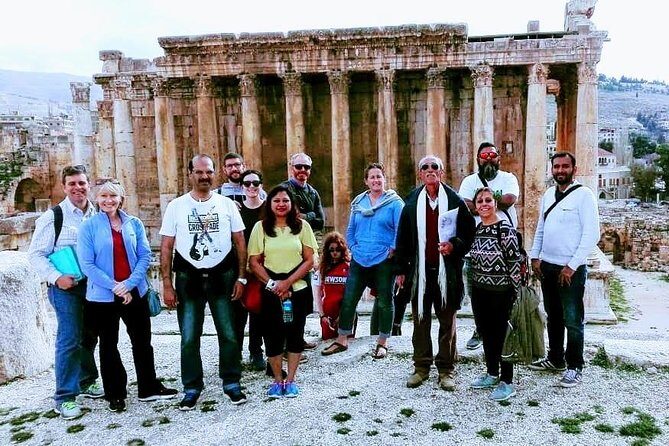
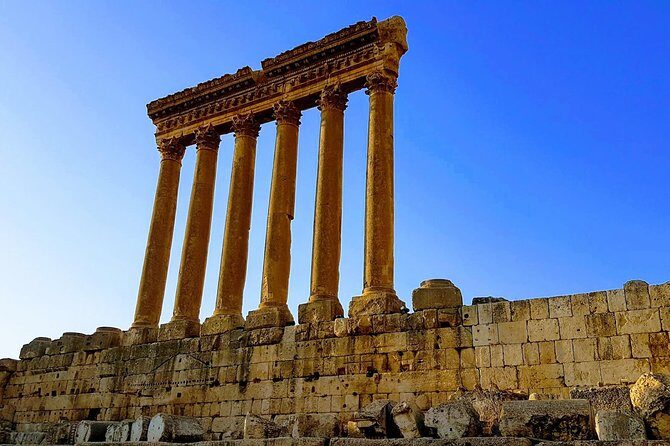
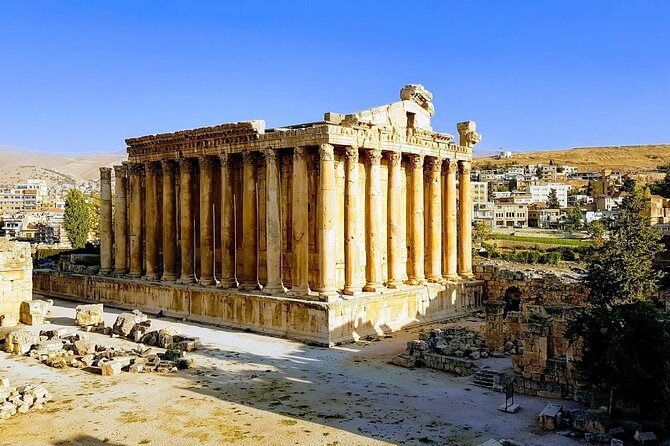
Baalbek is the headline, and it earns it. The site is a UNESCO World Heritage location (inscribed in 1984), and it’s famous for two standout Roman temple ruins: the Temple of Bacchus and the Temple of Jupiter. Even if you’ve seen Roman ruins before, the scale here feels different—these aren’t “snack-sized” leftovers.
The tour gives you about 1 hour 30 minutes at the main complex area. A key detail for your planning: the first Baalbek admission portion is listed as free, so you may start the day feeling like you got a bonus.
What you’re really looking at is more than Roman architecture. Baalbek traces back to a Phoenician city known as Heliopolis during the Hellenistic period. Later, Roman authorities kept the sanctuary’s religious importance, and the Jupiter pilgrimage drew crowds. That means when you stand inside the complex, you’re seeing a layered place—buildings built over older worship patterns.
What to watch for (and what not to stress)
You may have parts of the complex that require an additional admission ticket. One part of the Baalbek temple time is listed as not included, so come ready for that possibility and don’t assume everything inside Baalbek is automatic.
Practical tip: wear shoes you can walk in for uneven stone. You’ll want water and sun protection, because you spend time outdoors under strong light.
The temples themselves: why this Roman sanctuary was a pilgrimage machine
Baalbek’s temple area is where the Roman story really clicks. The complex sits at about 1,150 meters altitude near the Anti-Lebanon slopes, overlooking fertile land in the Bekaa. Roman construction here wasn’t a quick project—it took more than two centuries, and that long build time is part of why the ruins look so massive.
You’ll hear the religion angle too. Pilgrims came to venerate the Romanized triad tied to Heliopolis: Jupiter, Venus, and Bacchus. The interesting twist is that the cult was essentially Phoenician at the core, with Roman influence shaping how it was worshipped and presented.
That’s why the temples matter for your understanding. They’re not just old stones. They’re evidence of how big empires managed belief and made sacred places into travel destinations.


The Stone of the Pregnant Woman: quick stop, big monolith energy
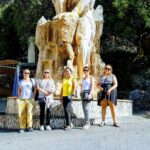
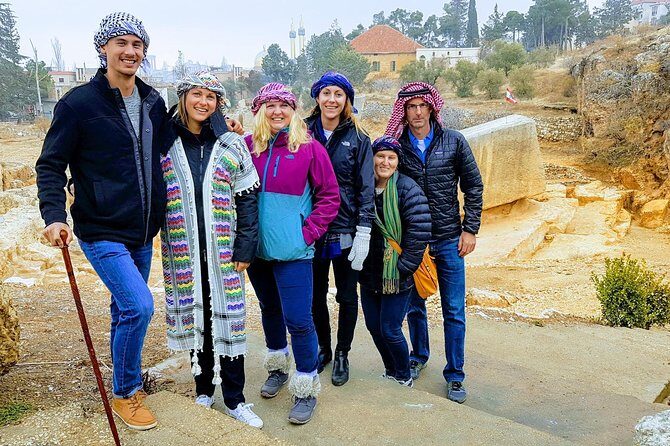
Then you get a short but memorable break: about 15 minutes at the Stone of the Pregnant Woman. This is a worked Roman monolith near another large ancient block. It’s among the largest monoliths ever quarried, and the idea is that these building blocks were likely intended for the nearby temple complex.
This stop is great when you want variety without losing time. You go from sweeping temple geometry to something more tactile: a chunk of stone that makes you think about engineering, labor, and ambition.
It’s listed as free admission here, which is nice because it lets you spend your money on the parts that truly need it.
Aanjar’s Umayyad ruins: a trading city with Roman-style hints
Next comes Anjar (often referred to as the Umayyad Ruins of Aanjar), and this is where the day gets more surprising. Instead of Roman imperial swagger, you see an Umayyad inland city built at a crossroads of routes—one connecting Beirut to Damascus, and another crossing the Bekaa toward Homs to Tiberiade.
One detail I really like: the site was only discovered by archaeologists at the end of the 1940s. So even though it feels ancient, the modern “finding” of it is relatively recent. That gives the place a slightly different vibe than ruins that have been visible and studied for centuries.
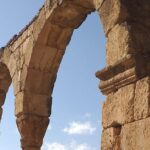
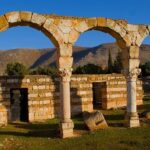
You’ll get about 45 minutes at Anjar. The ruins include walls of an Umayyad palace, harems, a mosque, a great palace of the caliph, thermal baths, and many pillars. There are even Roman architectural elements worked into the design, which makes sense because the region sat in cultural overlap.
Admission note
For Anjar, admission is listed as not included, so budget for possible entry fees. It’s still worth it because the layout helps you understand how power and commerce shaped city life here.
Château Ksara wine stop: 1857 roots and a complimentary tasting
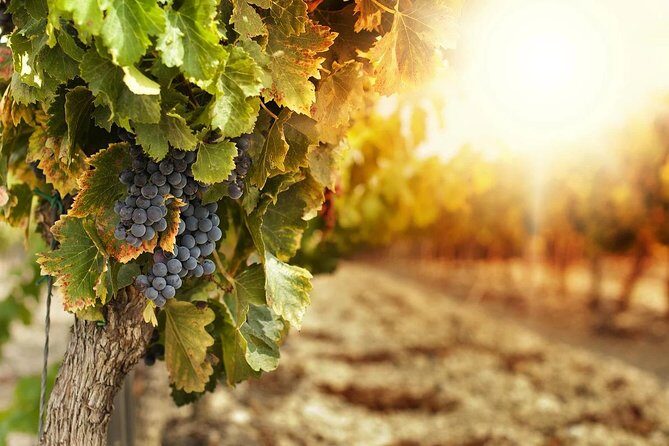
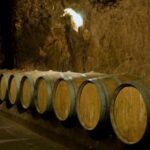
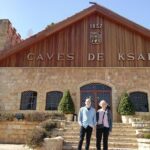
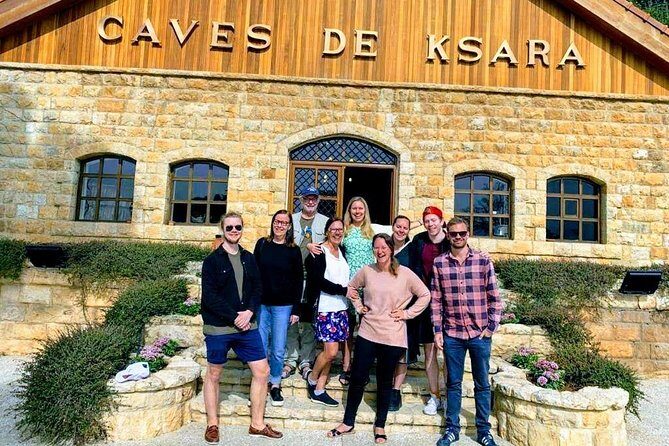
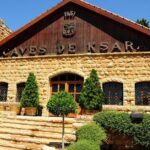
After the ruins, the day turns more relaxed with a Château Ksara stop in the Beqaa Valley. This winery was founded in 1857 by Jesuit priests, and it’s credited with developing the first dry wine in Lebanon.
The tour schedules about 1 hour here, which is a good length: enough time to taste without feeling rushed. The wine tasting is described as complimentary, which is a real value add after spending hours looking at stone.
If you care about why this winery matters beyond the glass, here are a few anchors from what’s known:
- Ksara produces about 3 million bottles annually
- Their wines are exported to over 40 countries
Admission ticket for the winery is listed as not included, but the tasting itself is part of the experience. If you’re a wine lover, consider packing a light jacket anyway—tasting rooms can feel cool depending on the setup.
Lunch in Lebanon: why it’s more than a break
Lunch is included, and it’s described as authentic Lebanese lunch, the kind locals eat. That matters because most day trips either give you a sad sandwich or shove you into some generic stop. Here, lunch is built into the schedule, so you’re not scrambling to find food after hours of driving.
Because dietary needs aren’t specified, I’d treat this as a good place to ask your guide about any restrictions when you get on the vehicle. If you’re vegetarian or avoid certain ingredients, the guide can often help you understand what’s on the table.
Value check: is $65 really fair for this day?
At $65 per person, this tour is trying to sell you a full day of logistics: A/C transport, pickup and drop-off, guide time, lunch, and a structured route through major Bekaa highlights.
What drives value here is not only the destinations, but how the day is stitched together:
- You don’t waste time figuring out routes from Beirut
- You get guided context, not just sightseeing from the window
- The group cap of 15 helps the guide stay responsive
What could affect your total cost is admission. Baalbek has parts listed as free and parts not included, and the same applies for Anjar and the winery entry ticket. So think of $65 as the transportation + guiding + lunch + key experiences baseline, with some extra site fees possible depending on what you’re asked to pay on the day.
Who should book this tour, and who might prefer something else
This fits you if:
- You want big historical names in one day: Baalbek and Anjar
- You like structure and a clear schedule (8:30 start, smooth stop rhythm)
- You want small-group attention without paying for a private guide
You might reconsider if:
- You hate outdoor walking and sun exposure
- You want long, unhurried museum-style time at fewer sites
- You’re trying to travel with a tight budget that can’t handle extra site admissions
The kind of guiding you’ll benefit from
The experience can rise or fall on how the guide explains what you’re seeing. This route tends to work best when your guide gives you a clear story for each stop and keeps answering questions without making you feel rushed.
From past experiences with guides and drivers, I’d pay attention to names like Albert, who is described as having everything planned with timing that stayed on track. Others like Ghofran have been noted for detailed presentations at Baalbek, and Ziad has been praised for explaining well and answering questions during the day. If your guide is strong, the day feels less like checklists and more like understanding why each site matters.
Should you book the Baalbek, Anjar and Ksara day trip?
I’d recommend booking if your goal is a high-impact day: Roman grandeur at Baalbek, Umayyad city structure at Anjar, then a calm winery tasting with lunch waiting for you. It’s also a good pick if you want the convenience of pickup and A/C without giving up the human touch of a small group.
If you’re flexible on timing and ready to handle possible extra site tickets, this is a very solid way to use one full day in Lebanon. And if your schedule is uncertain, you should know the cancellation window allows a full refund when you cancel up to 24 hours before the experience start time.
FAQ
What time does the tour start?
The tour starts at 8:30am.
How long is the tour?
The duration is about 8 hours.
Is hotel pickup available in Beirut?
Yes. Pickup and drop-off are offered from any location within Beirut city center.
What is included in the tour price?
You get an air-conditioned vehicle, a professional guide, a tour leader, lunch, hotel pickup and drop-off, and a small-group format capped at 15 travelers.
Is lunch included?
Yes. Lunch is included and described as an authentic Lebanese meal.
Is there wine tasting at Ksara?
Yes. There is a complimentary tasting at a wine company at Château Ksara.
Are admission tickets included for all stops?
Not all admissions are included. Baalbek’s first section and the Stone of the Pregnant Woman are listed as free, while other parts like the Baalbek temples, Anjar, and the Ksara stop are listed as not included.
How big is the group?
The tour is limited to a maximum of 15 travelers.
Can I cancel for a full refund?
Yes. You can cancel up to 24 hours in advance for a full refund. If you cancel within 24 hours, the amount paid is not refunded.