REVIEW · BEIRUT
Traveling Spoon Lebanese Mezze Private Online Cooking Class
Book on Viator →Operated by Traveling Spoon · Bookable on Viator
A live cooking class from Beirut beats the usual Zoom. You get a private, one-on-one Lebanese mezze session with Tania, centered on her family-style recipes. I especially like that you’ll learn how to do the basics right for hummus, baba ghanouj, and tabbouleh, and that the class includes a culture-focused chat—not just recipes.
The second big win: you receive an email in advance with the ingredient and supply list, so you can cook without scrambling. The only real drawback I see is the preparation window—ingredients need to be ready at least 2 days before—plus you’ll want a steady internet connection to follow along closely.
In This Review
- Key Highlights You’ll Care About
- Why a Private Lebanese Mezze Class from Beirut Works Online
- The 90-Minute Flow: How the Class Typically Unfolds
- 1) Before you cook: link + plan
- 2) Getting started: live, one-on-one questions
- 3) Recipe block: hummus, baba ghanouj, tabbouleh
- 4) Taste, talk, and learn what matters
- 5) After class: your recipes for repeat success
- Hummus, Baba Ghanouj, and Tabbouleh: What You’re Really Learning
- Hummus: more than chickpeas
- Baba ghanouj: smoky eggplant, balanced seasoning
- Tabbouleh: herbs, freshness, and balance
- The Real Value of One-on-One Coaching with Tania
- Price and Logistics: Is $1,000 Worth It for a Virtual Class?
- What You’ll Need to Prepare (So You Don’t Get Frustrated)
- Lebanese Mezze Context: Why These Three Dishes Fit Together
- Who This Online Class Suits Best
- Should You Book the Traveling Spoon Lebanese Mezze Class?
- FAQ
- How long is the Lebanese mezze cooking class?
- Where does the class take place?
- What recipes will I learn?
- Who teaches the class?
- Do I need to buy ingredients ahead of time?
- Can the class accommodate dietary restrictions?
- How do I choose the class time?
- What if I need to cancel?
Key Highlights You’ll Care About
- Private instruction with Tania: real back-and-forth while you cook, not a passive video.
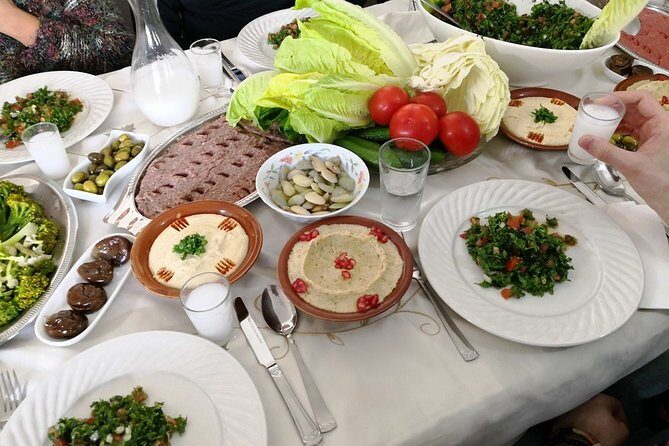
- Three Lebanese mezze essentials: hummus, baba ghanouj, and tabbouleh in one class.
- Pre-emailed ingredient and supply list: plan ahead and cook smoothly.
- Dietary customization available: adjustments are offered when you book.
- Tania and her mom’s homely tips: practical, at-home guidance to rebuild the recipes later.
- Scheduled to fit you: the host lives in Beirut (GMT+3) and can coordinate a time slot.
Why a Private Lebanese Mezze Class from Beirut Works Online
If you’ve ever watched cooking videos and thought, I get it in theory, but will I do it right at home, this is designed for you. The idea here is simple: bring your kitchen to the class, and bring your questions. You cook alongside Tania during a 90-minute live session, guided step by step.
What makes this experience feel more real than most virtual classes is the focus on Lebanese mezze as a way of eating, not just three separate dishes. You’ll learn how the plates fit together—how to make them, and what makes each one Lebanese and recognizable.
I also like the cultural layer. The class isn’t only about techniques; you get an introduction to Lebanon’s culture and cuisine, plus conversation time that helps the food feel connected to people, not just a recipe card.
The price—$1,000—will look steep at first glance. But since this is private and instructor-led, the value comes from personalized coaching and confidence-building, especially if you’re aiming to reproduce the recipes well after the class.
You can also read our reviews of more private tours in Beirut



The 90-Minute Flow: How the Class Typically Unfolds
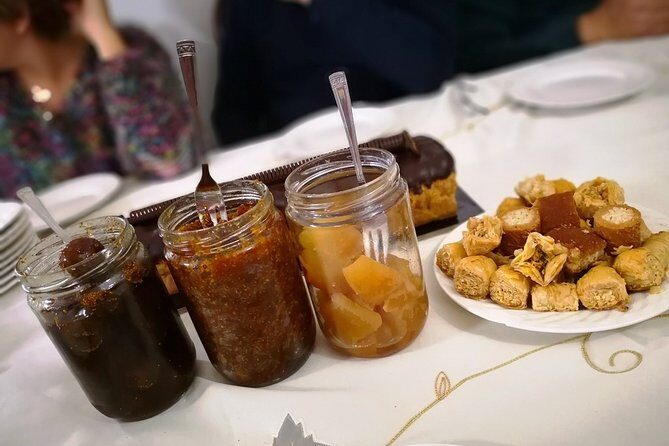
This isn’t a long, vague chat session. It’s a focused cooking block designed to get you to a finished, edible result.
1) Before you cook: link + plan
After booking is confirmed, you’ll receive a class link. You’ll also get an emailed ingredient and supply list so you can prep ahead. The experience is set up so you can treat this like a cooking appointment, not a last-minute surprise.
Why it matters: Lebanese mezze depends on texture and freshness—especially herbs in tabbouleh and proper eggplant handling for baba ghanouj. Having the right ingredients and tools early gives you a better chance of results that taste like the real thing.
2) Getting started: live, one-on-one questions
Once you’re connected, you’ll cook along with Tania. You’re encouraged to ask questions as you go. This is where private instruction shines: if your hummus looks too thick, too thin, too bland, or your seasoning needs adjustment, you can get guidance right away.
Drawback to consider: you’ll need to multitask—watch, cook, and speak. If you’re easily distracted in video calls, you may need to set up your kitchen (space, bowls, spoon, cutting board) before class begins.
3) Recipe block: hummus, baba ghanouj, tabbouleh
The class centers on three mezze favorites:
- Hummus
- Baba ghanouj (eggplant dip, often described as eggplant caviar)
- Tabbouleh (herb-forward salad usually served as part of the spread)
Even though these are three dishes, they share common skills: seasoning control, balancing acid and salt, and getting the right texture for serving with pita.
Practical note: You might find yourself doing ingredients in parallel—some steps overlap, and you’ll follow Tania’s timing cues so you’re not left waiting while food sits.
You can also read our reviews of more cooking classes in Beirut
4) Taste, talk, and learn what matters
This is where cultural context and technique meet. The format encourages conversation about backgrounds and cultures, and you’ll also pick up those homely, at-home tips that make recipes easier to repeat.
I think this part is underestimated. Learning measurements once is fine. Learning what to look for—thickness, flavor balance, and how Lebanese mezze is meant to be eaten—is what helps you cook it again without starting from scratch.
5) After class: your recipes for repeat success
You’ll have the recipes and ingredient list from your pre-class email. That’s the foundation for cooking at home and adjusting next time based on your taste.
Hummus, Baba Ghanouj, and Tabbouleh: What You’re Really Learning
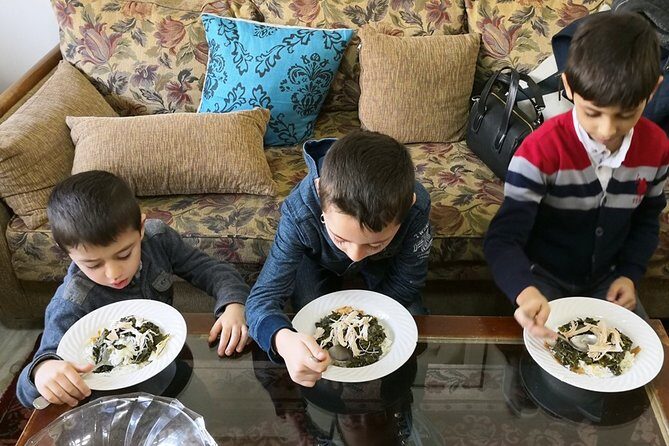
These dishes are popular for a reason, but they can also go wrong in familiar ways. The best online classes don’t just name ingredients—they teach you what the dish should feel like.
Hummus: more than chickpeas
Hummus looks simple: chickpeas, blend, season. The difference between decent and excellent tends to be in texture and seasoning balance. In a good class format, you’ll get guidance on how to work toward the right consistency and how to finish with flavor so it tastes complete with pita.
If you’ve struggled with hummus that tastes flat, this is the kind of session where a private instructor can help you correct it during cooking rather than after tasting.
Baba ghanouj: smoky eggplant, balanced seasoning
Baba ghanouj can swing from too bitter to too watery fast. The key is getting the eggplant component right and then treating it like a seasoned dip, not a plain mash.
One of the most appreciated parts of the experience is the practical guidance—homely tips that help you replicate the recipe at home, not just during class.
Tabbouleh: herbs, freshness, and balance
Tabbouleh is where quality ingredients really matter. It’s typically herb-forward and depends on cutting and dressing well. In an instructor-led session, you can get feedback on herb handling and mixing so it holds together as a mezze side, not a soggy bowl.
The Real Value of One-on-One Coaching with Tania
A private online class sounds good on paper. The payoff is how quickly you can get corrected.
Here’s what one-on-one instruction helps with:
- Fast fixes when something looks off
- Flavor tuning based on your preferences
- Confidence to cook again later without guessing
I also like that the host lives in Beirut (GMT+3) and the class is scheduled mutually at your convenience. That makes it feel less like you’re forced into a rigid timetable and more like you’re working with a real person, in real time, in their home base.
And from what I’ve seen emphasized, Tania is paired with her mom in hosting and teaching. That combination tends to bring both technique and those everyday, family-style adjustments that make food taste right, especially for people trying to recreate Lebanese dishes at home.
Price and Logistics: Is $1,000 Worth It for a Virtual Class?
Let’s talk straight. $1,000 is not a casual add-on. You’re paying for a fully private experience, live instruction, and family-recipe guidance in one session.
Here’s when the value tends to make sense:
- You want real interaction (questions, adjustments, immediate feedback).
- You’re serious about learning how to reproduce these recipes, not just watching.
- You care about cultural conversation along with cooking.
- You’re planning a special moment at home where you want food to feel guided and meaningful.
Here’s when you might think twice:
- You’re looking for a low-cost “try cooking” experience.
- You’re uncomfortable with live video cooking.
- You don’t have time to buy ingredients at least 2 days in advance.
If you fall into the first group, the cost can start to feel less like a fee and more like buying personalized teaching.
What You’ll Need to Prepare (So You Don’t Get Frustrated)
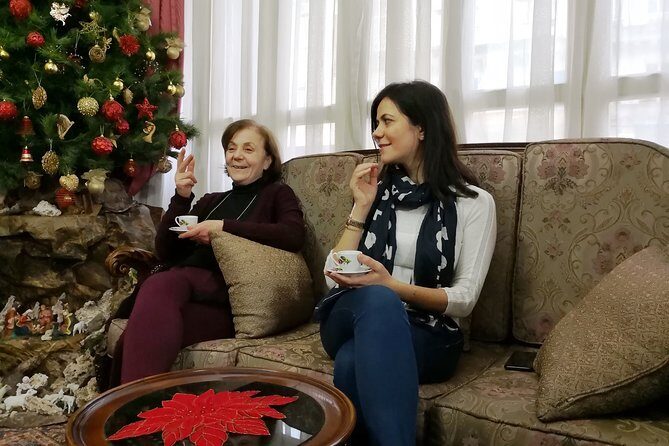
This class is at home, so your kitchen becomes the classroom. The most important part is planning.
- Ingredients and supplies come from the emailed list, sent after confirmation.
- You must have ingredients ready at least 2 days before the class.
- You can request dietary customization when booking.
That pre-class list is not just paperwork. In mezze, herbs, seasoning, and texture matter. If you arrive without the basics, it turns into improvising instead of learning.
Also, since the meeting point is essentially your own home setup, think about your tools: bowls, cutting board, spoon, and whatever you use to blend or mash. If you’ve got everything lined up before the class begins, you’ll get more teaching per minute.
Lebanese Mezze Context: Why These Three Dishes Fit Together
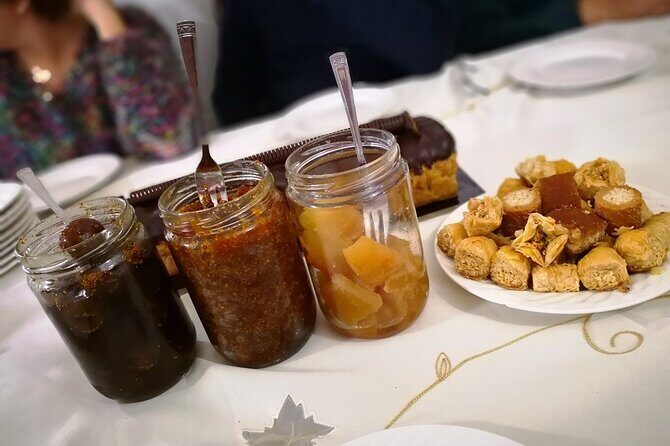
Mezze is all about sharing small plates. Hummus, baba ghanouj, and tabbouleh work as a trio because they cover different tastes and textures: creamy dips, smoky eggplant flavor, and fresh herb brightness.
You’ll also learn the serving style—typically eaten as appetizers with pita bread. That matters because the goal is balance. You’re not just making food; you’re building a spread that feels Lebanese and snackable, the way mezze is meant to be eaten.
And when you learn the dishes as a set, you can repeat them more easily. Next time you cook, you’re not starting from three isolated recipes. You’re building a mezze table.
Who This Online Class Suits Best
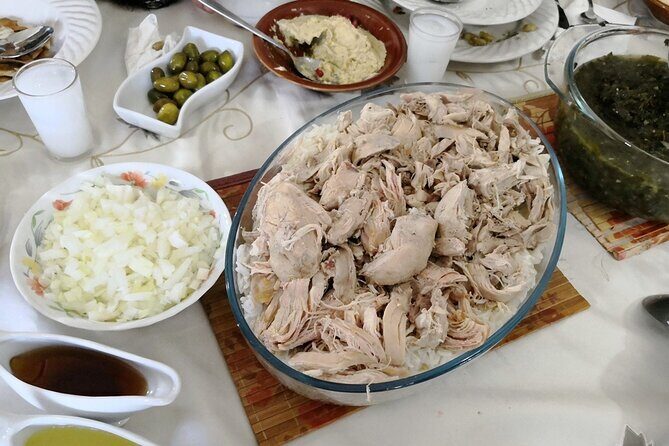
This is a great fit if you:
- Want a cultural food experience without traveling
- Prefer private instruction over group classes
- Love Lebanese flavors or want to learn them properly
- Want guidance that makes you feel confident to cook again
It’s also a good option for people who can’t easily fit in in-person cooking tours but still want something personal, structured, and interactive.
If you’re a casual cook who just wants a fun food video, you may feel the structure and price don’t match your needs.
Should You Book the Traveling Spoon Lebanese Mezze Class?
I’d book it if your goal is confident Lebanese mezze at home. The biggest strengths are the private, question-friendly format, the three cornerstone recipes (hummus, baba ghanouj, tabbouleh), and the emphasis on practical tips you can repeat later. If you’re the type who likes learning the why behind the how—texture, balance, and the rhythm of mezze—this class is a strong match.
I would pause if the main thing you want is convenience without prep. The class asks you to have ingredients ready 2 days in advance, and the teaching value depends on you cooking along live.
If you want an authentic Lebanese food experience that feels personal even from your own kitchen, this one has the teaching approach to deliver.
FAQ
How long is the Lebanese mezze cooking class?
It runs for about 1 hour 30 minutes.
Where does the class take place?
The class is online, and you cook from your own home.
What recipes will I learn?
You’ll learn to make hummus, baba ghanouj, and tabbouleh.
Who teaches the class?
The class is taught by Tania, a Lebanese host based in Beirut. Your session is private.
Do I need to buy ingredients ahead of time?
Yes. You should ensure you have the ingredients at least 2 days before your class. An ingredient and supply list is emailed in advance.
Can the class accommodate dietary restrictions?
Customization is available for dietary restrictions or preferences when you book.
How do I choose the class time?
You schedule a time mutually at your convenience. The host lives in Beirut (GMT+3), so the class time is coordinated using that time zone.
What if I need to cancel?
You can cancel for a full refund up to 24 hours before the experience’s start time. If you cancel within 24 hours, the payment isn’t refunded.