REVIEW · BEIRUT
Authentic Lebanese Cooking Lesson and Meal with Tania’s Family in Beirut
Book on Viator →Operated by Traveling Spoon · Bookable on Viator
Cooking in a Beirut home beats any restaurant. This hands-on class is the closest you’ll get to real Lebanese family food habits, taught by Tania and her parents, and it’s built around learning by doing. I like that you cook a full lineup of Lebanese dishes, not just watch. I also like the ingredient angle: the family grows their own fruit and vegetables, so you understand what lands on the table and why. One thing to consider: there’s no hotel pickup, so you’ll need to get yourself to Forn El Chebbak for the 11:00 am start.
You’ll spend about 3 hours in an intimate kitchen, talking as you cook—culture, cuisine, traditions, and practical food know-how from people who live it. Tania is an agronomist and food safety specialist, and her dad is a retired former butcher who takes his meat seriously, which adds a surprisingly useful layer to the lesson. The meal afterward is warm and communal, with soft drinks and a couple of glasses of local arak.
Overall, it’s a great fit if you want more than a quick tasting. It’s for people who like process: chopping, mixing, seasoning, and asking questions while the food is actually happening.
In This Review
- Key Things You Should Know Before You Go
- Step Inside Tania’s Beirut Home Kitchen
- Who Tania Is—and Why Her Lesson Feels Different
- The Garden Component: What You Learn Beyond the Recipe
- What You’ll Cook: Lebanese Classics and the Skills Behind Them
- Hummus: Creaminess You Can Recreate
- Baba Ganoush: Getting Eggplant Flavor Right
- Eggplant Salad: Familiar Comfort, Different Form
- Stuffed Zucchini: Wrapping, Filling, and Patience
- Kibbeh (and possibly kibbeh naye): Meat Texture and Seasoning
- The Meal: Soft Drinks, Arak, and Eating Like Family
- Price and Value: Why $100 Makes Sense Here
- Logistics in Beirut: Start Point, Timing, and What to Bring
- Who This Lebanese Cooking Lesson Is Best For
- Should You Book This Beirut Cooking Experience?
- FAQ
- What time does the cooking class start?
- How long is the experience?
- Is this a private experience?
- Do I need hotel pickup?
- Is alcohol included?
- Can the hosts accommodate dietary restrictions or allergies?
- Is there a vegetarian option?
- What is the cancellation window for a full refund?
- Where does the tour end?
Key Things You Should Know Before You Go
- A family kitchen, not a demo: you’ll actively cook, then sit down to eat what you made
- Garden-to-plate produce: part of the experience is seeing how local growing habits shape flavor
- Tania’s food background: agronomy and food safety show up in the way she talks about ingredients
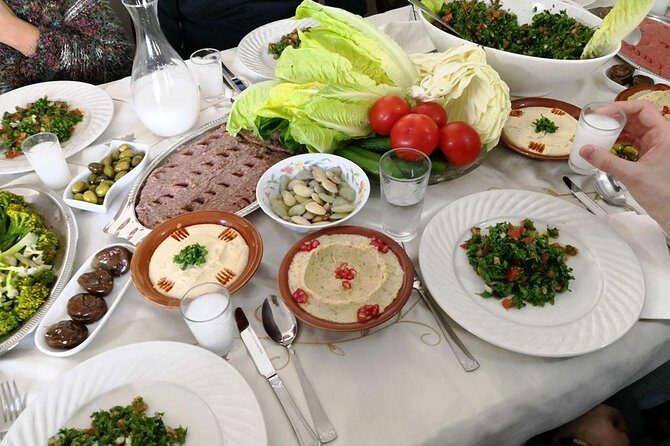
- Classic Lebanese dishes: hummus, baba ganoush, eggplant salad, stuffed zucchini, and kibbeh-style cooking
- Arak + non-alcoholic options: you can enjoy the tradition while still having soft drinks
Step Inside Tania’s Beirut Home Kitchen
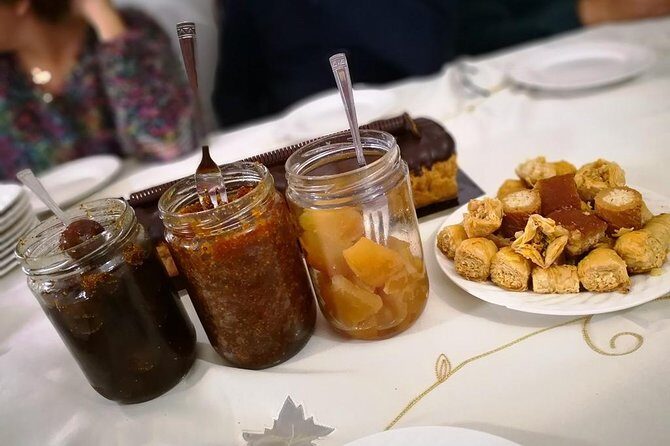
The best part of this experience is the setting. You’re not parked in a restaurant chair for a show. You’re in a real Lebanese home kitchen where the rhythm is familiar: conversations while someone chops, tastes while something simmers, and adjustments made on the spot.
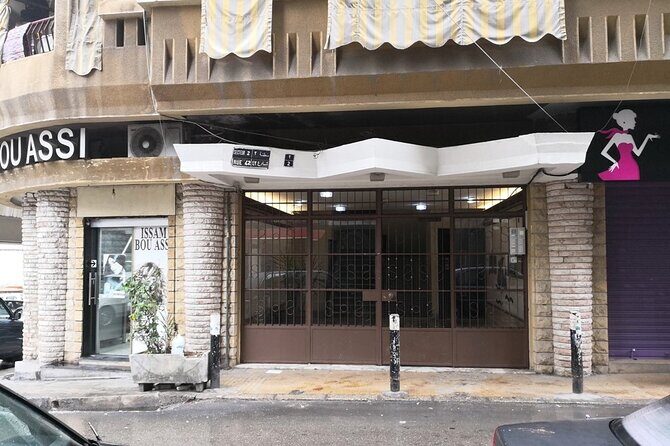
You’ll start at Forn El Chebbak, Lebanon, and then move into the cooking space with Tania and her family. From the first moments, the vibe is practical and welcoming. People aren’t trying to impress you with fancy presentations. They’re trying to feed you well and make sure you understand what you’re doing.
For many visitors, the biggest value is that you get to ask questions in the middle of the process. That’s where cooking classes often fall apart elsewhere—too much waiting, too little hands-on time. Here, you’re actively learning, and you can correct your own technique as you go.
You can also read our reviews of more cooking classes in Beirut
Who Tania Is—and Why Her Lesson Feels Different
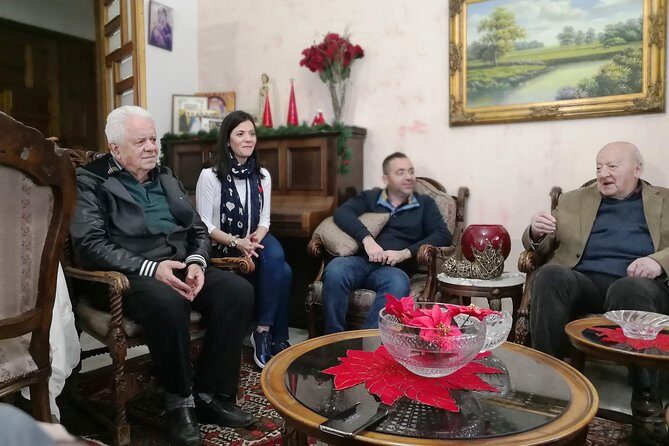
Tania isn’t just a friendly host. She’s an agronomist and a food safety specialist, which means her talk about ingredients isn’t vague. You’re more likely to hear practical points about what goes into food and how to handle it properly.
On top of that, she’s clearly comfortable being herself. She sings, plays the piano, and enjoys traveling, so the mood tends to be relaxed rather than stiff. That matters because people learn better when they don’t feel like they’re taking a test.
Then there’s her father. He’s a retired butcher and very serious about meats. If the menu includes any meat component—like kibbeh—his input gives you more than just a recipe. You get better instincts for selecting and preparing meat, and you understand how Lebanese home cooks think about texture and seasoning.
And her mother is the heart of the home cooking side. She’s been cooking traditional meals for the family her whole life, using family recipes. That usually translates into two things: flavors that taste like they’ve been refined at home, and tips that come from repetition, not theory.
The Garden Component: What You Learn Beyond the Recipe
One of the standout “why this matters” details is that a lot of what you eat comes from the family garden in the outskirts of Beirut. The lesson isn’t only about cooking technique. It’s also about understanding where the ingredients come from—local, fresh, and organic.
When you can connect the dots between growing and cooking, the flavors make more sense. Eggplant tastes the way it does because of how it was grown and handled. Herbs and vegetables feel brighter when they’re fresh and used soon. Even if you never grow your own garden, you start to cook with more respect for timing and ingredient quality.
You’ll also see that the family treats gardening as part of everyday life, not a side hobby. That’s why the conversation can feel so natural. You’re not only learning how to make dishes. You’re learning how a household thinks about food.
What You’ll Cook: Lebanese Classics and the Skills Behind Them
You’ll learn to cook five authentic Lebanese dishes, and the focus is hands-on skill, not passive watching. Based on the dishes that show up in the experience, expect a mix of creamy dips, eggplant-based plates, vegetable stuffing, and kibbeh-style cooking.
Hummus: Creaminess You Can Recreate
Hummus is a Lebanese staple for a reason: it rewards technique. You’ll work on the texture—how smooth it becomes, how it holds together, and how the flavor balances. This is one of those dishes where small changes in preparation make a big difference.





Baba Ganoush: Getting Eggplant Flavor Right
Baba ganoush is all about the eggplant. The lesson’s value is learning how to coax out that smoky, savory character and blend it into a dip that feels silky rather than watery. Eggplant is forgiving, but it’s also easy to ruin if you don’t manage moisture and mixing.
Eggplant Salad: Familiar Comfort, Different Form
The eggplant salad angle gives you a different approach to the same core ingredient. Instead of a dip, you’re working with a version that leans more toward freshness and seasoning balance. You learn how the same ingredient can taste completely different depending on style and finishing touches.
Stuffed Zucchini: Wrapping, Filling, and Patience
Stuffed zucchini teaches you another home-cook skill: making a filling and wrapping it so it cooks evenly. This isn’t about speed. It’s about careful portioning and getting the final texture right.
Kibbeh (and possibly kibbeh naye): Meat Texture and Seasoning
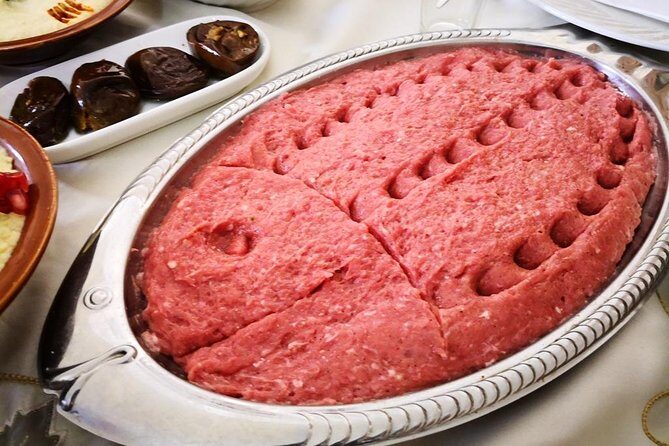
Kibbeh is where the lesson can get extra interesting. Tania’s dad, with his butcher background, brings seriousness to the meat side. You’ll learn how to shape and prepare it with an eye on texture.
One key point: the experience can include kibbeh in more than one style. In some sessions, people make kibbeh alongside kibbeh naye-style cooking, so if you love the raw/seasoned-meat approach, say so when you book. You’ll likely appreciate the added detail.
Practical takeaway: when you leave, you shouldn’t just have a memory of flavors. You should have a sense of process: timing, moisture control, seasoning balance, and how Lebanese cooks build flavor step-by-step.
The Meal: Soft Drinks, Arak, and Eating Like Family
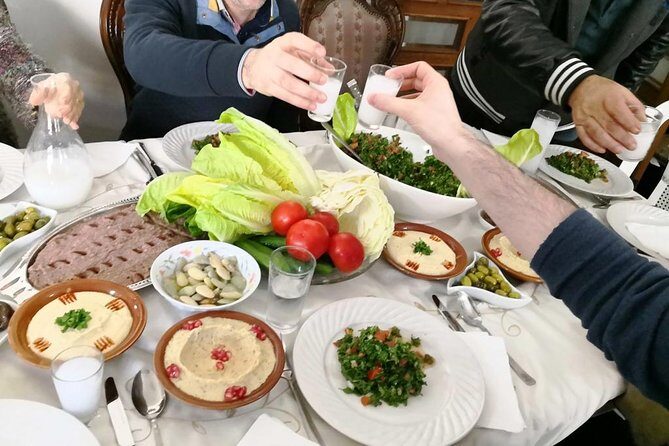
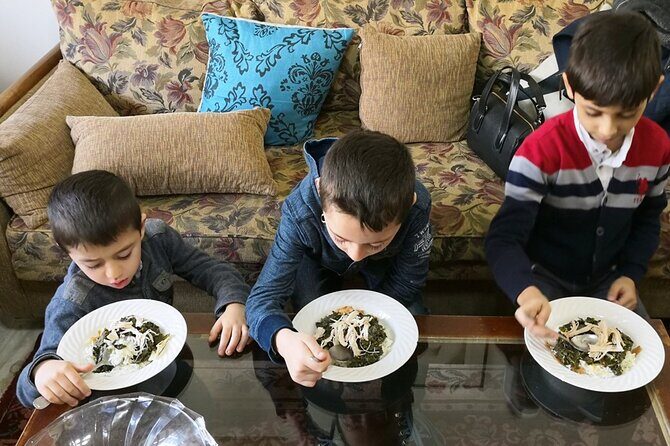
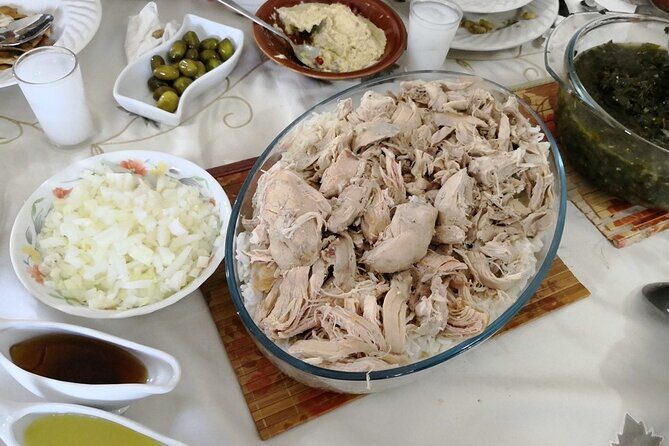
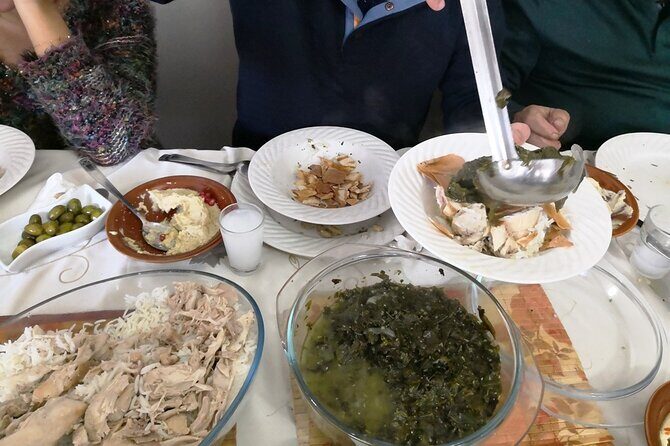
After cooking, you sit down to a home-cooked meal made from what you prepared. Included are non-alcoholic beverages plus alcoholic drinks, typically 1–2 glasses of local arak with the meal.
Arak is a strong tradition in Lebanon. It’s not something you swallow mindlessly—it’s part of the rhythm of the table. If you’re not a fan of liquor, don’t stress. The experience includes soft drinks, so you can still enjoy the meal and the family conversation without taking the arak route.
What you’re really paying for here isn’t just food quantity. It’s the chance to eat in the same setting where the cooking happened. You’ll notice flavors land differently when you understand the steps that created them. That’s why the meal feels like the payoff, not an add-on.
Price and Value: Why $100 Makes Sense Here
At $100 per person for about 3 hours, this is not a budget activity. But the value comes from multiple things at once, not just “you learn to cook.”
You get:
- a private, personalized experience (not a large factory-style class)
- instruction and hands-on cooking led by Tania and help from her parents
- five Lebanese dishes made in a family kitchen setting
- a full meal afterward
- non-alcoholic drinks plus local alcohol (and taxes/fees and gratuities are covered)
In other words, you’re paying for access. Access to a family home, to a kitchen where the produce is often grown locally, and to hosts who explain what they’re doing as they do it. That’s hard to replicate on your own unless you already have local connections.
Also, the average booking timing—about 14 days in advance—suggests it’s in demand. If you want a specific day, plan ahead.
Logistics in Beirut: Start Point, Timing, and What to Bring
This is an 11:00 am start from Forn El Chebbak, and it ends back at the meeting point. There’s no hotel pickup, so factor in how you’ll get there.
What to bring is simple:
- Wear comfortable clothes for cooking (you may be standing and moving around in the kitchen)
- Come with a hunger level that makes sense. People consistently recommend arriving with an empty stomach
- If you have dietary restrictions or allergies, tell Tania at booking—this matters because the cooking is hands-on and needs real adjustments
Vegetarian options are available if you request them ahead of time. If you’re avoiding meat, alcohol, or specific ingredients, communicate early so the family can set up accordingly.
Who This Lebanese Cooking Lesson Is Best For
I’d point you to this if you:
- want Lebanese food taught by people who truly live it day-to-day
- like hands-on cooking, not just tasting
- enjoy culture through everyday habits—gardening, food safety talk, family hosting
- want a more intimate experience than big group cooking events
It’s also a good choice for couples or small friend groups who want a private feel. The experience is private, and only your group participates, so you won’t get stuck in a situation where the hosts are juggling a large crowd.
If you’re the kind of traveler who likes asking why something is done a certain way, this fits your style. The agronomy + food safety background means you’ll hear the “why” as well as the “how.”
Should You Book This Beirut Cooking Experience?
Book it if you want a real Lebanese home meal with cooking you can actually repeat. You’re not just collecting dishes to photograph. You’re learning technique, ingredient logic, and family flavors in a setting that’s hard to recreate alone.
Skip it (or think twice) if you really need hotel pickup and built-in convenience. You’ll need to handle your own transport to Forn El Chebbak for the 11:00 am start. Also, if arak is a deal-breaker for you, know that non-alcoholic beverages are included—so it doesn’t have to be an issue.
For most people who love food and want a genuine Beirut connection, this one is a strong yes.
FAQ
What time does the cooking class start?
It starts at 11:00 am at Forn El Chebbak, Lebanon.
How long is the experience?
Plan on about 3 hours.
Is this a private experience?
Yes. It’s private and only your group participates.
Do I need hotel pickup?
No. Hotel pickup and drop-off are not included, so you’ll meet at Forn El Chebbak.
Is alcohol included?
Local alcohol is included (typically 1–2 glasses of arak), plus non-alcoholic beverages.
Can the hosts accommodate dietary restrictions or allergies?
Yes, but you must advise at booking if anyone has allergies, dietary restrictions, or cooking preferences.
Is there a vegetarian option?
Yes, a vegetarian option is available. Request it at booking.
What is the cancellation window for a full refund?
You can cancel up to 2 days in advance for a full refund. If you cancel less than 2 full days before the start time, the amount paid is not refunded.
Where does the tour end?
It ends back at the meeting point in Forn El Chebbak.