REVIEW · BEIRUT
Journey Through Lebanese Wine: A Private Tour in the Beqaa Valley
Book on Viator →Operated by Beirut Daily Tours · Bookable on Viator
A drive into the Beqaa turns wine into a story you can taste. This full-day private tour makes it easy: you get hotel pickup and drop-off in an air-conditioned vehicle, then visit three standout wineries with guided tastings that connect Lebanese wine to the land and the people who made it. I especially like the mix of classic heritage and vineyard know-how, from Château Ksara’s Jesuit-era roots to Château Kefraya’s high terraces. The main thing to weigh is that lunch and winery admission tickets aren’t included, so plan for extra spend on top of the $65 price.
What you’re really buying is time that feels smooth. You’re not juggling transport or figuring out schedules; a tour leader keeps the day moving and helps translate what you’re tasting. One possible drawback: the tour is eight hours, and each winery stop is about an hour—great for variety, but not a slow, lingering day in the vineyard.
In This Review
- Key things to know before you go
- Why This Beqaa Valley Wine Tour Works So Well From Beirut
- Price and What You Actually Get for $65
- The 9:00 am Plan: Timing, Comfort, and How the Day Flows
- Stop 1: Château Ksara, Lebanon’s Dry-Wine Pioneer
- Stop 2: Château Kefraya and the High-Terrace Grape Mix
- Stop 3: Château St Thomas, From Fermentation to Arak Legacy
- What to Expect at Tastings and How to Prepare
- Who This Private Tour Is Best For
- The Value You’re Really Paying For
- Should You Book This Beqaa Valley Wine Tour?
- FAQ
- What time does the tour start?
- How long is the private Beqaa Valley wine tour?
- Is hotel pickup and drop-off included?
- How many wineries do we visit?
- Are winery admission tickets included?
- Is lunch included?
- What is the cancellation policy?
- Is this tour only for my group?
Key things to know before you go
- Private, 8-hour format: hotel pickup and drop-off, with three wineries spaced across the day.
- Three different wine identities: Ksara for scale and heritage, Kefraya for altitude and grape blending, St Thomas for fermentation focus and Arak legacy.
- Admission tickets are extra: each winery visit is listed at about an hour with admission not included.
- Lunch isn’t included: you’ll want a plan for food between tastings.
- A guide can make or break the day: one guide named Imad was praised for strong history, tailoring, and making sure you experienced everything.
Why This Beqaa Valley Wine Tour Works So Well From Beirut
Beirut is loud, fast, and full of motion. The Beqaa Valley, on the other hand, is where wine becomes plain geography: altitude, soil, sun, and temperature swings all show up in what ends up in the glass. This tour is a smart way to experience that without stressing over logistics.
You start with pickup and a private ride, so you’re not spending your morning figuring out routes or waiting around with strangers. The private format also means the tour leader can pitch the day to your pace—whether you’re there for a serious tasting lesson or just want a smooth, memorable day with good drinks.
The day is designed around variety. You visit three wineries that each represent a different side of Lebanese winemaking, so the experience doesn’t feel repetitive.
You can also read our reviews of more private tours in Beirut
Price and What You Actually Get for $65
At $65 per person for roughly eight hours, the value comes from what’s bundled. You get transport by private vehicle, hotel pickup and drop-off, and an on-the-ground tour leader in an air-conditioned car. For many people, that alone is the difference between a fun wine outing and an exhausting day spent organizing yourself.
What’s not included matters too:
- Lunch is not included.
- Winery admission tickets are not included.
That means your true cost can be a bit higher once you pay for entry at each stop. Still, if you’re splitting the cost with friends (there are group discounts), the per-person value stays attractive—especially because you’re getting a full-day structure, not just a quick visit.
My practical advice: budget for admission plus at least one meal/snack during the day. If you plan ahead, the price feels fair. If you don’t, you might feel surprised mid-tour.
The 9:00 am Plan: Timing, Comfort, and How the Day Flows
The tour starts at 9:00 am, which is ideal if you want daylight for the drive and enough time for three separate winery visits. With an eight-hour total duration, expect a schedule that moves steadily—no long waits, but also not a slow weekend brunch kind of day.
The ride is air-conditioned, and you’re with a driver. That’s a big deal in Lebanon where summer heat can be real, especially when you’re switching between outside vineyard views and interior tasting rooms.
Each winery stop is about an hour. That’s long enough to:
- hear the winemaking story,
- taste multiple wines,
- and ask questions,
without turning the day into a rushed blur.
If you’re the type who wants a leisurely pace at one vineyard above all else, this format might feel a little “three chapters, one afternoon.” If you’re the type who wants variety and a broader picture of Lebanese wine, it’s a good fit.
Stop 1: Château Ksara, Lebanon’s Dry-Wine Pioneer
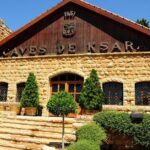
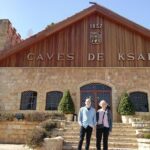
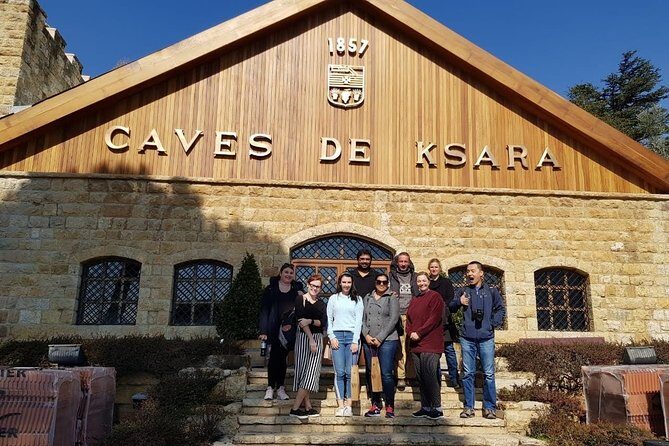
Château Ksara is the kind of place that sets the tone for the entire day. It was founded in 1857 by Jesuit priests, and it developed what’s described as the first dry wine in Lebanon. That early story is part of why Ksara feels both historic and established.
This is also Lebanon’s oldest and largest winery, and it produces roughly 3 million bottles annually, with exports to over 40 countries. You can feel the scale in the way the winery represents itself—more polished, more widely recognized, and often a good starting point if you want context fast.
What I like about starting here is the contrast. You begin with a winery that anchors the big picture: how Lebanon’s wine industry built credibility and reached beyond its own borders.
The only drawback is the “big name” factor can mean you’ll get fewer surprises than at a smaller producer. Still, it’s a strong first stop because it gives you a foundation: once you understand Ksara’s place in Lebanese wine, the next two wineries make more sense.
Stop 2: Château Kefraya and the High-Terrace Grape Mix
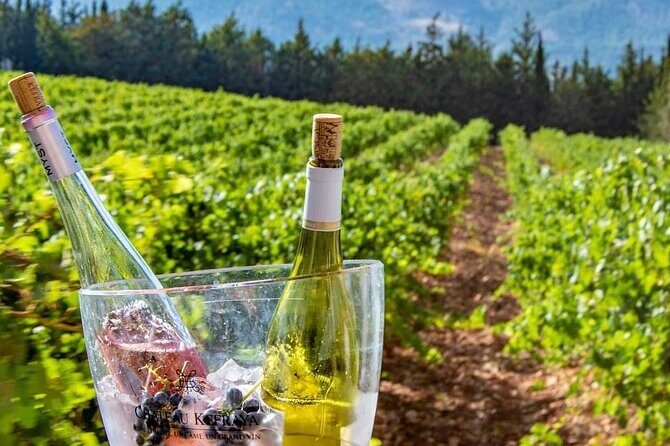
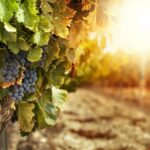
If Ksara feels like heritage and scale, Château Kefraya feels like vineyard engineering and careful blending. The vineyard spreads over 300 hectares of terraced slopes, about 1,000 meters above the Mediterranean Sea.
Those high terraces matter because they help create a growing rhythm. The vines are mainly trellised, with a planting density noted at 4,000 vines per hectare. You’re not just hearing about grapes—you’re hearing about how grape density and vineyard structure influence what the wine can become.
One of the most interesting parts here is the blend philosophy. Château Kefraya uses a wide range of grape varieties, based on the description of diversity in soil and an “exciting range” of grapes in blends. That means your tasting at Kefraya can feel more like a conversation about composition—how multiple varieties come together, not just how one grape performs.
The other technical detail that stands out is the day-night temperature variation. The tour description points out significant swings between day and night, which support ripening and harvest timing. It’s the kind of practical factor that turns into real flavor differences in the glass.
Consideration: admission tickets are not included for this stop too, so this is a place where the extra entry cost can stack up. If you budget for admissions across all three wineries, you’ll stay comfortable.
You can also read our reviews of more wine tours in Beirut
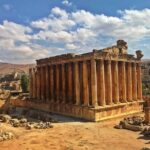
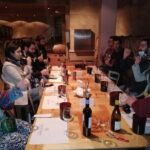
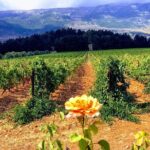
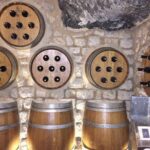
Stop 3: Château St Thomas, From Fermentation to Arak Legacy
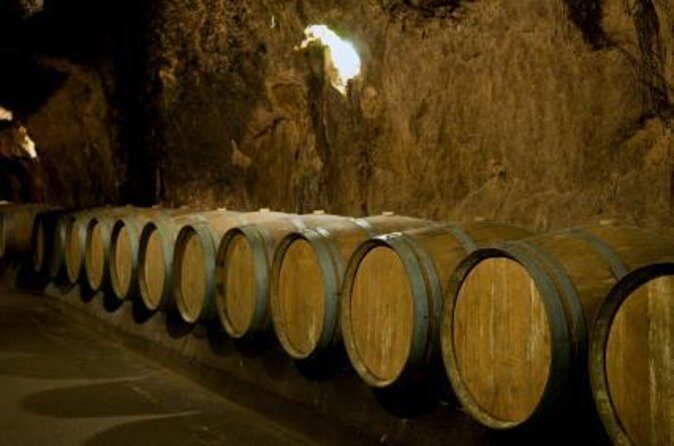
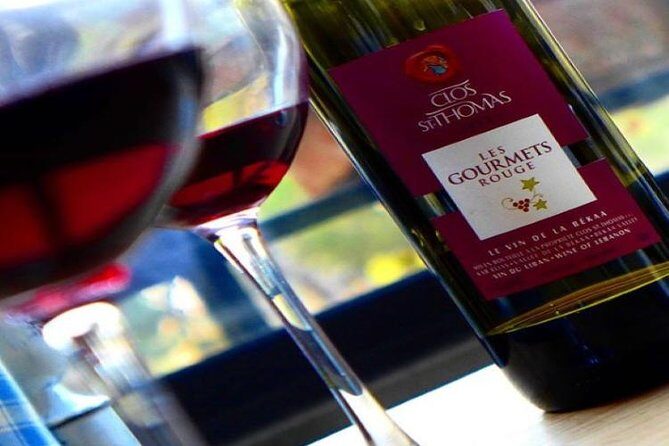
Château St Thomas is where the day gets more intimate. Instead of focusing only on size and brand, it leans into craft—especially fermentation and aging. The estate spans about 65 hectares and includes a wine storehouse for fermentation and aging.
It was established in 1990 by Saïd Touma and his family, on a hill overlooking the Beqaa Valley. The hilltop setting is the kind of detail that usually pairs well with a storytelling approach, because you’re physically looking across the region while learning how it connects to wine production.
One reason this stop stands out is the human thread tied to Lebanese spirit traditions. The winery describes Saïd Touma as someone with more than 55 years’ experience in distillation and fermentation of grape juice. It also notes he inherited the legacy of producing arak, and passed that heritage to his son, Joe-Assaad.
That arak link makes the winemaking story feel bigger than wine alone. Even if you don’t drink spirits, it helps you understand that Lebanese grape traditions aren’t separate categories—they’re connected by shared fermentation knowledge.
Practical note: the stop is about an hour. You’ll likely get enough time to connect the fermentation-and-aging focus with the flavors you taste, but not enough time to become a cellar expert. Plan your questions early if you’re serious about technique.
What to Expect at Tastings and How to Prepare
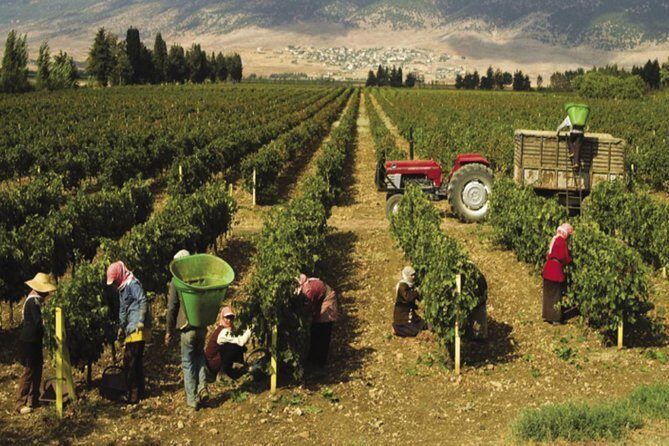
This is a tasting tour, not a lecture-only day. At each of the three wineries, you’ll sample wines while the tour leader shares context about Lebanese winemaking.
Because admission tickets and lunch aren’t included, your best strategy is simple:
- Eat something before pickup if you can, then plan for snacks or lunch during the day.
- Bring a water bottle and consider light wipes for sticky hands if you’re tasting multiple times.
- Pace yourself. You’ll likely taste more than one pour throughout the day, and you’ll still be driving back to Beirut afterward.
If you like your tours structured, you’ll enjoy this. The day has clear stops and a clear learning path: heritage and scale (Ksara), vineyard and blending logic (Kefraya), and fermentation craft plus arak legacy (St Thomas).
If you hate scheduled time, you might find the one-hour windows a bit tight. But for most people, three wineries in one day is a sweet spot: enough variety to feel like you learned something, without turning into a marathon.
Who This Private Tour Is Best For
This tour fits best if you want Lebanese wine without the hassle. It’s especially good for:
- couples or small groups who want private transport and a set itinerary,
- people who want a guide to translate what they’re tasting,
- visitors who have a full day in the Beirut area and want to make it count.
It’s also a solid pick if you’re interested in wine history and production details. Ksara’s 1857 origin story, Kefraya’s altitude and blending approach, and St Thomas’s fermentation and arak heritage give you multiple angles to enjoy.
What might not be ideal:
- If you want a long, slow winery stay with lots of time for photos and wandering, you may feel the schedule is too tight.
- If you’re trying to keep the trip strictly low-cost, remember that admissions and lunch add to the base price.
The Value You’re Really Paying For
The most underrated part is the friction-free structure. Wine tours can fall apart when you have to coordinate transport, entry times, and pacing yourself. Here, you’re handled: pickup, air-conditioned ride, and three stops.
The $65 per person price is the headline, but the true value is what you avoid. You avoid travel stress, you avoid guessing what to ask at each winery, and you avoid losing half a day to logistics.
And the day is designed with balance in mind: you get heritage, viticulture, and production craft across three different wineries. That’s a better learning outcome than hitting just one winery and leaving with one narrow perspective.
Should You Book This Beqaa Valley Wine Tour?
Yes, if you want a straightforward, private way to experience Lebanese wine country from Beirut. I’d book it when you have one full day and you want three wineries, guided tastings, and a smooth ride without planning headaches.
I’d hesitate if you’re trying to minimize add-on costs and you don’t want to pay winery admissions and lunch on top of the base price. I’d also reconsider if you love slow, open-ended winery time over a planned itinerary.
If you match the tour’s pace—three stops, one day, learning built into each visit—you’ll likely end the day feeling like you didn’t just taste wine. You understood why it tastes the way it does.
FAQ
What time does the tour start?
The tour starts at 9:00 am.
How long is the private Beqaa Valley wine tour?
It’s listed as about 8 hours.
Is hotel pickup and drop-off included?
Yes. Hotel pickup and drop-off in Beirut are included, along with transport in an air-conditioned private vehicle.
How many wineries do we visit?
You visit three wineries: Château Ksara, Château Kefraya, and Château St Thomas.
Are winery admission tickets included?
No. Admission tickets are not included for the winery stops.
Is lunch included?
Lunch is not included.
What is the cancellation policy?
Free cancellation is available up to 24 hours in advance for a full refund. If you cancel less than 24 hours before the start time, the amount paid is not refunded.
Is this tour only for my group?
Yes. It’s a private tour/activity, so only your group participates.