REVIEW · BEIRUT
Beirut Full Day Walking Tour
Book on Viator →Operated by Lebanon By Locals · Bookable on Viator
Beirut clicks into focus on foot. This small-group walk (up to 15 people) links Martyr’s Square to the Green Line, using major landmarks to explain how the city shifted from Roman times to today. You’ll move across neighborhoods that most guidebooks skim, with a guide who keeps the story human and clear.
I love the mix of big-name sites and less-famous streets—so you get the famous photos and the everyday Beirut feeling. I also love the included stop for lahmadjun or falafel, plus coffee and beer, so you don’t spend the day hunting for food. One possible consideration: there’s no street-food option for gluten-intolerant travelers.
In This Review
- Key Points That Make This Tour Worth It
- Beirut’s East-to-West Story in Six Hours
- Why Street Chaos Doesn’t Slow You Down With a Guide
- Price and Inclusions: Lunch, Coffee, and Beer for $41
- Stop-by-Stop: Martyr’s Square to the Green Line and Beyond
- Martyr’s Square: The Launch Point
- Samir Kassir Square: Assassinations and Aftermath
- Place de l’Étoile: Planning Eras You Can See
- Greek Orthodox Cathedral of Saint George: Quick, but Meaningful
- Garden of Forgiveness Archaeological Area: Archaeology Meets Religion Nearby
- Roman Baths: A Concrete Sense of Deep Time
- Beirut Souks: Design Touchpoints and New-Old Contrast
- Zaytouna Bay: The Edge of the City Experience
- Saint George’s Maronite Cathedral and SOLIDERE: Real Estate Meets Identity
- Holiday Inn Hotel: The Qantari Front and the 1975 Hotel Battles
- Zokak El-Blat Public School: 19th-Century Beirut + Lahmadjun
- Beirut Antique District: Passing a Closed Shopping World
- BDD to the Green Line: The Separation Line You Can Walk Toward
- The Egg (Metropole Cinema): A Former Cinema Turned Bunker
- Mohammad Al-Amin Mosque: The Largest Mosque of Beirut and Rafic Hariri
- Saifi Village: SOLIDERE Streets and Architectural Style Shifts
- Nicolas Sursock Museum Area: The Martyrs and the Sursock Family
- Gemmayzeh Street and Gouraud Street: Back to Martyr’s Square
- The Civil War Map You Can Walk
- Food on the Route: Lahmadjun, Falafel, Coffee, and Beer
- Best Time to Go and What to Bring
- Should You Book This Beirut Walking Tour?
- FAQ
- FAQ
- How long is the Beirut Full Day Walking Tour?
- What time does the tour start?
- How many people are in the group?
- Where is the meeting point?
- What’s included in the tour price?
- Is there an option for gluten-intolerant travelers?
- What’s not included?
- What Civil War-related sites will you pass or visit?
- What happens if weather is bad?
Key Points That Make This Tour Worth It
- Small group size (max 15): easier questions, less waiting at stops
- East-to-west route that teaches you how to read Beirut: squares, planning eras, and living neighborhoods
- Civil War landmarks you can walk between: from the Green Line to former bunkers and hotel battles
- Real city textures, not just postcards: Zokak el-Blat, the Antique District, Saifi Village, Gemmayzeh
- Included lunch + coffee + beer: makes the $41 feel like a full day out, not a sightseeing snack
- Guide with strong archaeology grounding: Roman Baths stops feel specific, not generic
Beirut’s East-to-West Story in Six Hours
This tour is built for one of Beirut’s biggest challenges: the streets can feel like they’re designed by committee, and addresses don’t always help you much. Instead of hoping you’ll figure it out alone, you follow a guided route that moves east to west and gives you a mental map as you go.
It’s also a smart length. At roughly six hours, you get time to cover major sights, step into a couple of distinct neighborhoods, and still stop often enough to catch your breath. You start and end at the same place—Martyr’s Square—so you’re not stuck trying to recreate your steps at the end of the day.
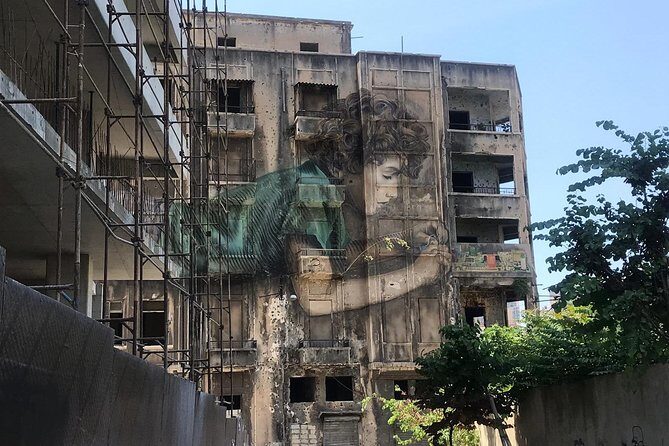
The city’s contrasts are the point. You’ll see restored and rebranded spaces next to scars from conflict, plus layers from Ottoman and French urban planning. The best part is that the day doesn’t feel like a lecture. It feels like walking and learning at the same time, with your guide pointing out what to notice beyond the obvious.
You can also read our reviews of more walking tours in Beirut

Why Street Chaos Doesn’t Slow You Down With a Guide
Beirut is a city where context matters. If you only read signs, you’ll miss why certain buildings sit where they do, why some areas look remade, and why others still carry visible history.
That’s where the guide makes the difference. The tour is led by George (often spelled Georges), and the storytelling is tailored to a walking day: short stops, clear explanations, and enough time to look around before you move on. The route also helps you because you repeatedly get geographic and political anchors. For example, squares and government buildings aren’t just scenery—they’re used to explain how power and planning shaped what you see now.
One more practical win: the group stays small (no more than 15), so if something feels confusing—like the sudden shift from a church frontage to an archaeological site—you can ask and get a direct answer on the spot.
Price and Inclusions: Lunch, Coffee, and Beer for $41
At $41.03 per person for about six hours, you’re not just buying a walking route. You’re buying guidance, admissions where applicable (all fees and taxes are included), and a built-in meal plan.
Here’s what stands out for value:
- Guiding throughout the day, not just a quick meeting at the start
- Lunch included: one lahmadjun from Ishkhanian Bakery or falafel sandwiches (vegetarian option available)
- Drinks included: coffee and beer
- A day’s worth of access to the stops on the route (many are free, and the tour handles the rest)
In a city where “cheap” tours can add up once you factor in food, transit, and extra entry fees, this one is unusually straightforward. You still cover your own personal extras, but your core costs are handled.
Stop-by-Stop: Martyr’s Square to the Green Line and Beyond
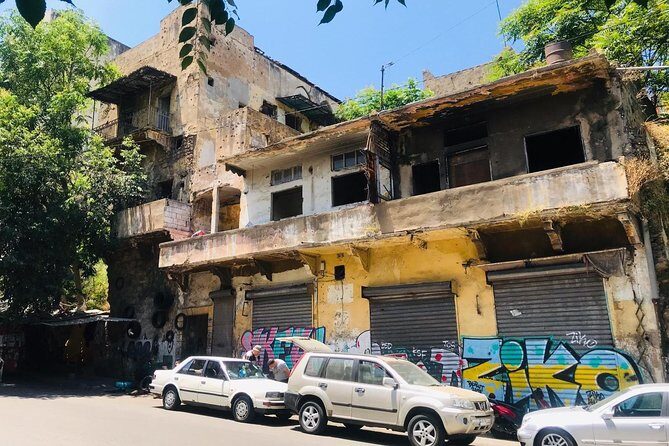
Below is the day as you’ll experience it, with what to watch for and what each stop adds to the overall picture. Expect lots of quick looks (often 5 to 20 minutes) and a few longer neighborhood moments.
Martyr’s Square: The Launch Point
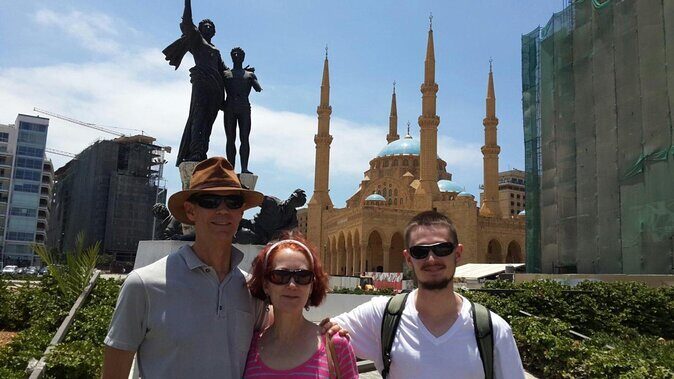
You kick off at Martyr’s Square, a focal point where public memory is always close. The statue area and the remains of Le Petit Serail give you a sense of how layers of power used to occupy central space. You’ll also see Ciné Opéra, which adds a cultural angle—Beirut isn’t only politics and ruins.
What I like: this stop gives you a starting “key” for the day. Once you understand what the square represents, the later contrasts make more sense.
A few more Beirut tours and experiences worth a look

Samir Kassir Square: Assassinations and Aftermath
Next is Samir Kassir Square and its statue. This is where the tour begins to connect the modern city to its recent history, especially the civil war story and the period after the 2005 assassinations. The stop stays short, but it sets up later stops tied to conflict and division.
Place de l’Étoile: Planning Eras You Can See
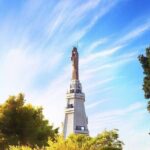
At Place de l’Étoile, you get a lesson in Lebanese political structure plus Ottoman and French urban planning. You’ll look at the Al Abed Clock tower and the parliament area. This is one of the more “explain-it-then-look” stops on the route—your guide ties the architecture to how cities were designed to function.
Greek Orthodox Cathedral of Saint George: Quick, but Meaningful
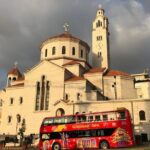
You step by the Greek Orthodox Cathedral of Saint George for a brief visit. Don’t expect a long church immersion here. Instead, it works as a reminder that Beirut’s religious landscape isn’t a single story—it’s a set of coexisting ones.
Garden of Forgiveness Archaeological Area: Archaeology Meets Religion Nearby
At the Garden of Forgiveness Archaeological Area, you’ll see the archaeological site and your guide will point out nearby religious landmarks, including references to the Mohammad Al-Amin Mosque area and the Maronite Saint Georges Cathedral. This is one of those stops where the city’s layers feel close together: stone from earlier eras, and living faith just beside it.
Roman Baths: A Concrete Sense of Deep Time
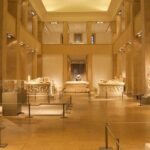
Then comes one of the main payoff stops: the Roman Baths. You’ll see the bath area and also learn about nearby historical structures like Le Grand Serail and the Ottoman military hospital. This is where you start seeing how “old” Beirut wasn’t only decorative. It was functional, fortified, and engineered.
Beirut Souks: Design Touchpoints and New-Old Contrast
At the Beirut Souks, you’ll notice the L’Orient building and the Zaha Hadid building. Even if you’re not into architecture, the point is easy: Beirut has repeatedly reinvented its commercial spaces, and this area is a visible example of that.
Zaytouna Bay: The Edge of the City Experience
Next is Zaytouna Bay, including the Yacht Club of Beirut. It gives you a coastline moment after dense streets and major buildings. It also helps you understand that Beirut’s “center” isn’t just a map point—it’s an entire set of edges and approaches.
Saint George’s Maronite Cathedral and SOLIDERE: Real Estate Meets Identity
At Saint George’s Maronite Cathedral, the conversation shifts to the Saint Georges / SOLIDERE real estate battle. The stop isn’t only about the church itself; it’s about what happens when redevelopment meets identity, property, and history. Your guide connects what you’re seeing to how the modern city took shape after conflict and change.
Holiday Inn Hotel: The Qantari Front and the 1975 Hotel Battles
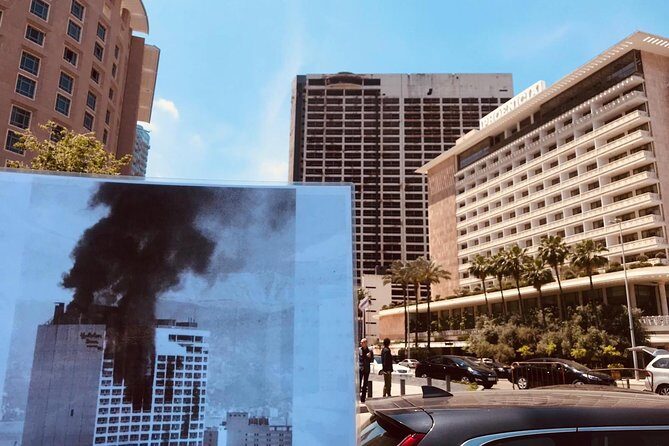
The route then heads toward the old Holiday Inn building. This is a civil war stop with a specific angle: the Qantari front and the battle of the hotels in 1975. You’ll get a sense of how major institutions and even hospitality spaces became part of conflict geography.
Zokak El-Blat Public School: 19th-Century Beirut + Lahmadjun
Now you slow down for neighborhood time at Zokak Al Blat Public School. The group enters the Zokak El Blat district, where you’ll hear about 19th-century Beirut and how everyday life shaped the city long before today’s redesigns.
And this is where you eat. You’ll grab lahmadjun (dough with minced meat) from the included street-food lunch setup, with a vegetarian option available. This stop is the bridge between “sightseeing Beirut” and “I’m walking through Beirut” Beirut.
Beirut Antique District: Passing a Closed Shopping World
In the Beirut Antique District, you walk through the antique shop area, which may be closed, then toward Khadak El Ghamik street. Even if the shops aren’t open, the area still works: it’s about texture, trade history, and how markets sit inside city life.
BDD to the Green Line: The Separation Line You Can Walk Toward
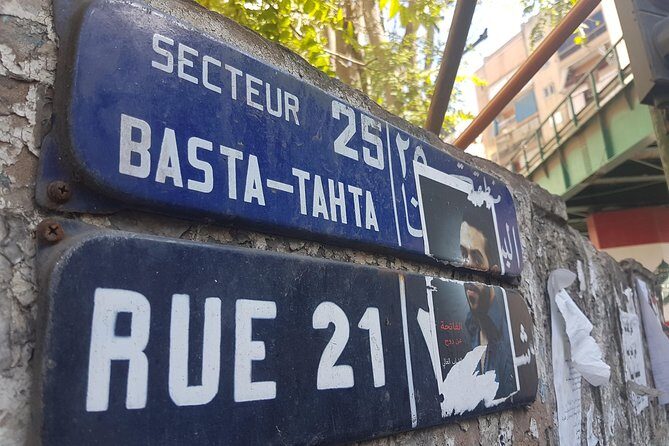
Next you pass by the BDD to reach the Green Line, explained as the separation line between Christians and Muslims during the civil war. This part of the day is one of the most important for understanding Beirut’s modern layout, because the city’s boundaries and movement patterns were shaped by that division.
The Egg (Metropole Cinema): A Former Cinema Turned Bunker
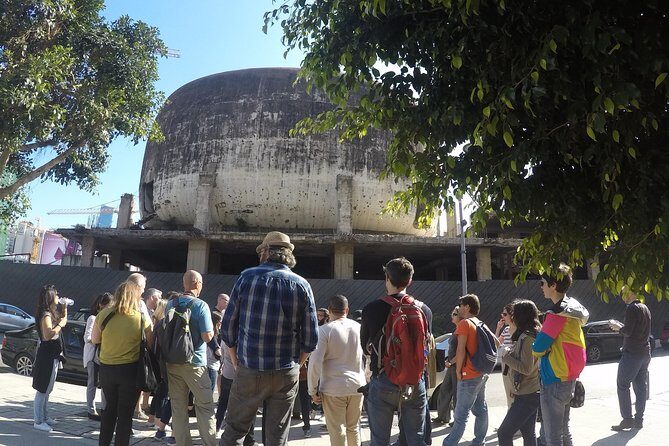
At The Egg (Metropole Cinema), you’ll stop near the building and hear how it was transformed into a bunker during the civil war. You won’t go inside, but your guide will explain phases of the conflict and why certain spaces changed roles. It’s a strong example of how war repurposed everyday architecture.
Mohammad Al-Amin Mosque: The Largest Mosque of Beirut and Rafic Hariri
You’ll visit Mohammad Al-Amin Mosque, described as the largest mosque in Beirut. This stop also links architecture to modern political events, including discussion tied to the assassination of former prime minister Rafic Hariri.
Saifi Village: SOLIDERE Streets and Architectural Style Shifts
Then you pass through Saifi Village, where the tour ties in SOLIDERE and architectural styles. Even during a drive-by-style pass, this helps you notice how the city looks “new” in certain stretches while history stays present around it.
Nicolas Sursock Museum Area: The Martyrs and the Sursock Family
At the Nicolas Sursock Museum area, the stop is short. You’ll talk about the old statue of the Martyrs and the Sursock family. It’s a quieter moment near the end, useful for pulling the day together thematically.
Gemmayzeh Street and Gouraud Street: Back to Martyr’s Square
You finish by walking along Gemmayzeh Street, including a return via Gouraud street, heading back to Martyr’s Square. It’s a fitting close because you end where you started: the day’s layers come full circle, and you’ll have a better sense of how Beirut’s identity shifts by block.
The Civil War Map You Can Walk
If you want one reason this tour works better than self-guided wandering, it’s the way conflict is taught through geography. Instead of abstract dates, you connect them to places you can see and recognize: the Green Line separation, the Green Line approach from the BDD pass, the Metropole Cinema’s bunker transformation, and later the Holiday Inn’s role in 1975 fighting.
This is also why the tour balances religious and political stops. Churches, mosques, and government spaces aren’t treated like separate categories. They’re part of one street-level story about communities living alongside each other, and the fractures that shaped movement and rebuilding.
Food on the Route: Lahmadjun, Falafel, Coffee, and Beer
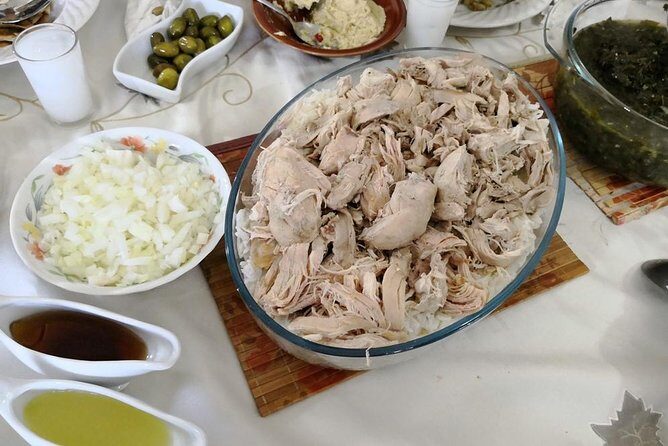
The included lunch is a big deal in a walking day. You’ll have one lahmadjun from Ishkhanian Bakery or falafel sandwiches, and the veggie option is built into the meal plan.
You also get coffee and beer, which makes a difference in practical terms: you can keep your energy stable without digging for cash-only spots or hunting for open kitchens mid-walk.
Important note for planning: the tour’s lunch is set up around street-food style options, and there’s no street-food option for gluten-intolerant travelers. If that’s you, you’ll want to think ahead before you book.
Best Time to Go and What to Bring
This tour needs good weather. If it’s canceled due to poor weather, you’ll be offered a different date or a full refund, so keep an eye on forecasts and stay ready to adjust.
For the day itself:
- Wear shoes you trust on uneven sidewalks.
- Bring a layer even if the day starts mild; Beirut mornings and evenings can feel cooler than you expect when you’re walking continuously.
- Carry some water and plan for stops, since the route is built around frequent brief sightseeing moments plus a few longer neighborhood segments.
Also remember: the tour recommends strong physical fitness. It’s not a sit-and-stroll route. You’ll be walking a lot over a single, concentrated day.
Should You Book This Beirut Walking Tour?
I’d book it if you want your first Beirut day to feel like a guided “map lesson,” not a list of famous sights. The value is strong for the price because you get guidance, a structured route from Martyr’s Square across key zones, and an included lunch with coffee and beer. The story focus—especially the civil war geography—means you’ll understand what you’re seeing instead of just taking photos.
I’d hesitate if you need gluten-free street-food accommodations, because the tour data doesn’t include a gluten-intolerant option. And if long walking days are difficult for you, you’ll want to think carefully about your fitness level.
FAQ
FAQ
How long is the Beirut Full Day Walking Tour?
The tour lasts about 6 hours.
What time does the tour start?
The start time is 9:30 am.
How many people are in the group?
The group is limited to a maximum of 15 travelers.
Where is the meeting point?
The tour starts at Martyrs’ Square (VGW4+HV3, Beirut, Lebanon), and it ends back at the meeting point.
What’s included in the tour price?
The tour includes guiding, all fees and taxes, lunch (lahmadjun from Ishkhanian Bakery or falafel sandwiches), coffee, and beer.
Is there an option for gluten-intolerant travelers?
No street food option is available for gluten-intolerant travelers.
What’s not included?
Private transportation and any extras or personal expenses are not included.
What Civil War-related sites will you pass or visit?
You’ll discuss the Green Line (the separation line between Christians and Muslims), the former Metropole Cinema area known as The Egg (a bunker during the civil war), and you’ll also cover civil war themes tied to the Holiday Inn and other key locations.
What happens if weather is bad?
If the tour is canceled due to poor weather, you’ll be offered a different date or a full refund. For cancellations by you, the experience is non-refundable and cannot be changed.