REVIEW · BEIRUT
Guided Small-Group Tour to Sidon, Tyre & Maghdouche with Lunch
Book on Viator →Operated by Lebanon Tours & travels · Bookable on Viator
Three ancient ports in one day.
This small-group day trip from Beirut strings together Phoenician Tyre, Crusader-era Sidon, and the Marian shrine at Maghdouché, with a live guide and hotel pickup so you can skip the taxi scramble. I also like that the pacing is built for comfort: lunch and bottled water keep the day from turning into a long, hot hunt for food.
The one thing to plan for is extra entry at a few stops. The Sea Castle in Sidon, the Soap Museum, and the Al-Bass Roman hippodrome area don’t have admission included, so keep a little budget for on-site tickets.
In This Review
- Key highlights worth your time
- Why this Southern Lebanon loop is easy from Beirut
- Sidon first: Phoenician roots, Crusader walls, and a working city
- A 1-hour hit of Sidon’s big story
- Crusaders’ Sea Castle: what to expect in 30 minutes
- Khan al-Franj: a courtyard built for commerce and diplomacy
- Soap Museum in Saida: traditional production, excavation finds, and olive oil craft
- Sidon Souks: quick browsing in a real maze
- Maghdouché’s Marian shrine: the heart-stop of the day
- Tyre on a UNESCO day: the seaside city you can feel
- Al-Bass: Roman hippodrome and the entrance zone
- Lunch in Tyre and pacing across a 9-hour schedule
- Price and logistics: what $65 buys you, plus the extras
- Who this tour fits best
- Should you book it?
- FAQ
- What time does the tour start?
- How long is the day trip?
- Do I get hotel pickup and drop-off in Beirut?
- Is lunch included?
- Does the tour include bottled water?
- Are admission tickets included for all stops?
- Is the tour group small?
- Can I cancel and get a refund?
- Does the tour use a mobile ticket?
Key highlights worth your time
- Hotel pickup and drop-off in Beirut: the transport work is done for you.
- UNESCO Tyre + Roman hippodrome at Al-Bass: the big archaeology stop comes with a guide.
- Sidon in layers: Phoenician port city, Crusader Sea Castle, Khan al-Franj, souks.
- Maghdouché shrine visit: Our Lady of Mantara, including the sacred cave.
- Lunch and bottled water included: a real break halfway through the day.
- Small group size (max 20): less waiting, easier conversations with your guide.
Why this Southern Lebanon loop is easy from Beirut
If you’re staying in Beirut and want southern Lebanon highlights without driving, this is the kind of day trip that makes sense. You start at 8:30 am, ride in an air-conditioned vehicle, and get hotel pickup and drop-off, which is a huge deal when you’re juggling traffic, stops, and directions.
The tour is designed like a guided circuit: you’re not bouncing between random meeting points or trying to reassemble your day with taxis. And because it’s a small group (up to 20), you get a calmer pace and more time to ask questions as you move.
Plan on roughly 9 hours total, which is long enough to feel like a real outing, but not so long that you’ll feel wrecked by the end. Also, bottled water and lunch are included, so you’re not forced into price-and-location decisions while you’re out in the heat.
You can also read our reviews of more guided tours in Beirut

Sidon first: Phoenician roots, Crusader walls, and a working city
Sidon is where the day really starts to hum. After pickup, you head straight into a place that’s been important for thousands of years—Phoenician by origin, later shaped by empires, and still very much alive today.
A 1-hour hit of Sidon’s big story
You get about 1 hour to orient yourself around Sidon’s long timeline: founded around the 3rd millennium BC, prosperous in the 2nd millennium BC, famous for purple dyes and glassware, and visited by Jesus. Then the Crusades come in—Sidon changed hands several times and was destroyed and rebuilt. That mix of eras is why Sidon is such a strong first stop: it’s not just ruins, it’s a city layered over itself.
Crusaders’ Sea Castle: what to expect in 30 minutes
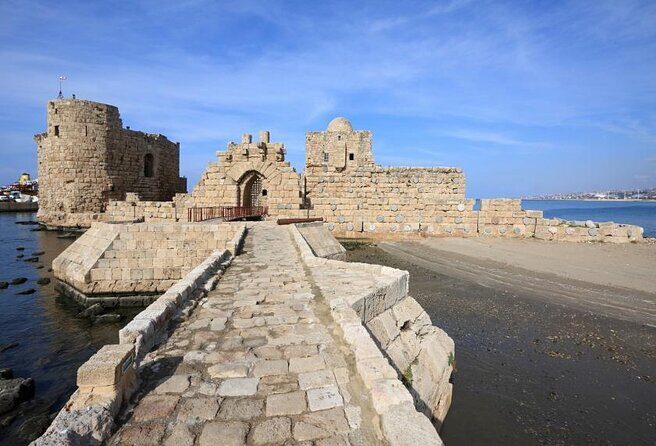
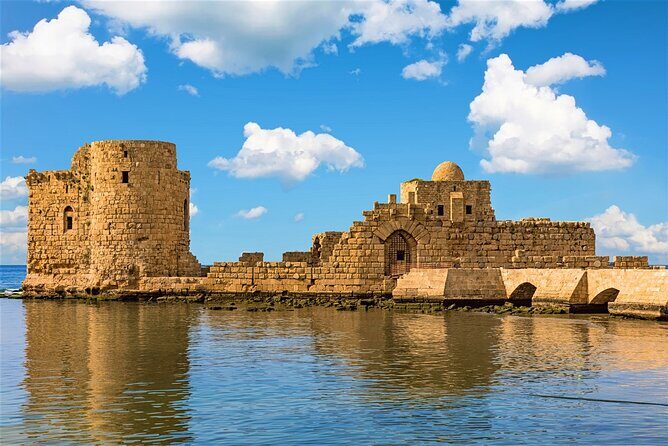
Next is the Crusaders Sea Castle, built in the 13th century on a small island and tied to the mainland by a causeway. It was meant as a fortress of the Crusader presence, then much of it was destroyed by the Mamluks in 1291. It later saw restoration under Fakhr el-Dine Maan II in the early 17th century.
This stop is short—about 30 minutes—and it’s also one of the places where expectations matter. The castle has that “old prints vs. today” feeling: old records suggest it was beautiful, but what’s left is more about structure and presence than lavish ornament. Admission here is not included, so if you’re history-focused, bring extra funds for the ticket and don’t plan on treating it as a free photo stop.
Khan al-Franj: a courtyard built for commerce and diplomacy
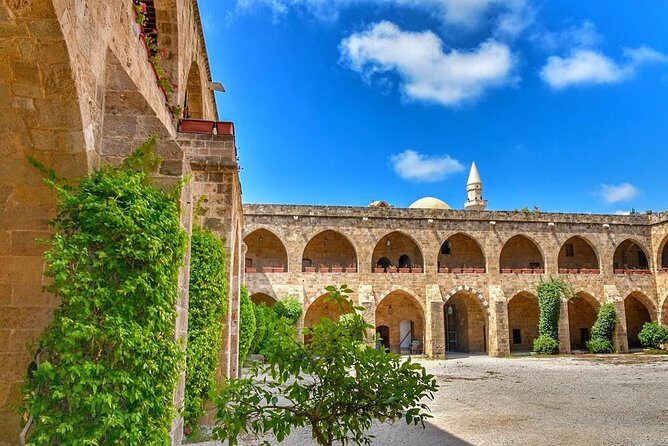
After the fort, you shift to Khan al-Franj, a building that feels like a pause in the modern bustle. This 17th-century khan was built by Emir Fakhreddine II as a hotel for ambassadors and as a commercial exchange hub between Lebanon and France.
You’ll likely spend around 15 minutes here. The layout is classic and easy to read: a rectangular courtyard with a central fountain and covered galleries around the edges. Even if you don’t know the “hotel and embassy” backstory, it’s the kind of space where you can stand, look around, and instantly get what a caravan-era meeting point was meant to feel like.
A few more Beirut tours and experiences worth a look
Soap Museum in Saida: traditional production, excavation finds, and olive oil craft
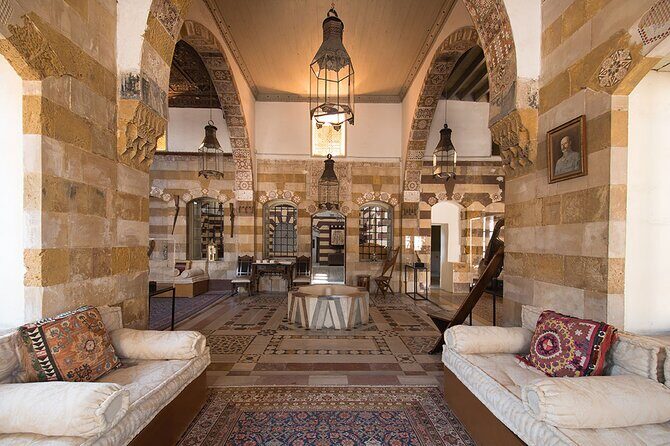
The Soap Museum – Saida is your practical culture stop: how people cleaned themselves, how soap was made, and how industries evolve over time. It’s housed in a historic workshop building connected to the Hammoud family and traces soapmaking in the region, including traditional olive oil soaps and the broader bath culture often linked with hammam traditions.
This visit is about 30 minutes, and it’s not included for admission. What I like about this type of stop is that it’s not just monuments. You get hands-on context about everyday life: the museum includes a historical section with excavation finds such as clay pipe heads (dating from the 17th to 19th centuries) and pottery fragments. If you enjoy small, specific topics—craft, production, how daily habits worked—this is a satisfying use of time.
Sidon Souks: quick browsing in a real maze
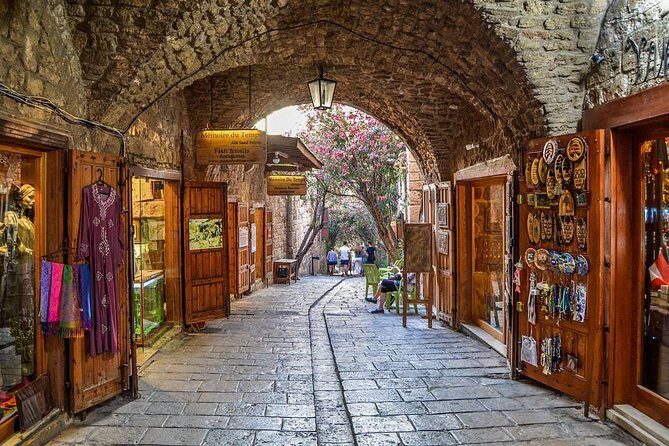
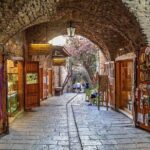
Before you leave Sidon behind, you’ll have about 15 minutes at the Sidon Souks. This is the commercial center of retail and craft work: narrow alleys, small kiosks, cafes, street merchants, and everyday trades like butchers, grocers, shoe-makers, tailors, and jewelers.
In a short window, don’t plan to shop deeply unless something grabs you. Instead, use the time to get your bearings. I’d treat it like a sensory orientation: the sounds, the texture of the streets, and the way the market shapes how people move through the city.
Maghdouché’s Marian shrine: the heart-stop of the day
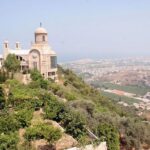
Then the mood shifts. Maghdouché (Maghdouchéh) is where the day becomes more reflective, built around the Basilica of Our Lady of Mantara (also known as Our Lady of Awaiting).
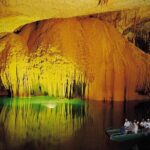
This stop lasts about 15 minutes, and it’s unusually “complete” for a short visit: the shrine area includes a tower topped with a statue of the Virgin and Child, a cathedral, a cemetery, and a sacred cave believed to be the place where the Virgin Mary rested while waiting for Jesus. The site is tied to a specific discovery story: it was found on 8 September 1721 by a young shepherd.
Why it works in a tour schedule is simple: after archaeology and city streets, you get a structured, calm pause. Even if your faith isn’t the same as the tradition connected to the shrine, it’s still meaningful as a place where people gather, remember, and experience architecture and landscape as devotion.
Tyre on a UNESCO day: the seaside city you can feel
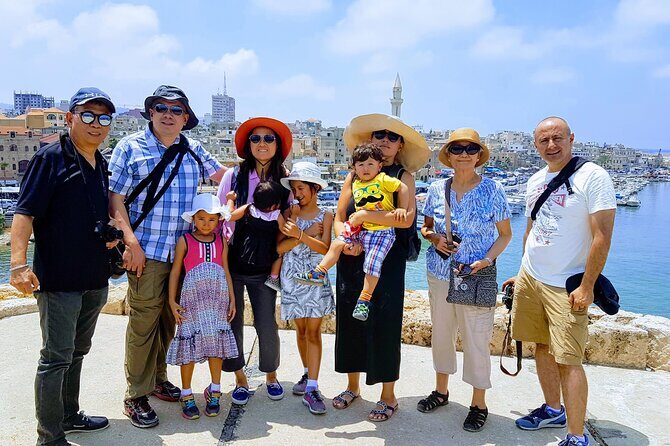
Next comes Tyre, and the timing is good. You get about 2 hours, which is just enough to cover the key archaeological zones and also appreciate Tyre as a modern coastal town.
Tyre’s story starts with the Phoenicians. It’s known as a major port city and as the home of Elissar, the Phoenician princess associated with the founding of Carthage. The city was also famous for its purple dye, made from murex sea snails—one of those historical details that instantly makes the past feel commercial and real.
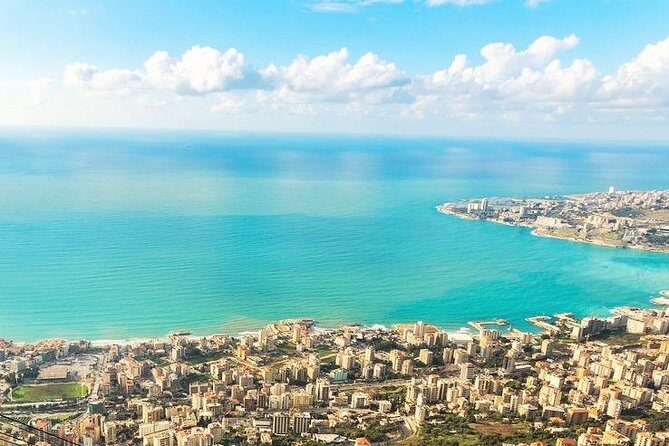
Modern-day Tyre gives you two things at once: archaeology and a seaside setting. The town sits on the coast with popular, clean beaches, so you’ll likely understand why people return here even when they’re not coming strictly for ruins.
Al-Bass: Roman hippodrome and the entrance zone
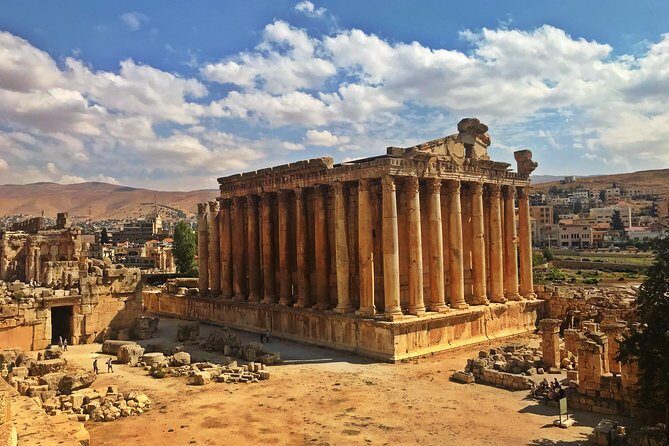
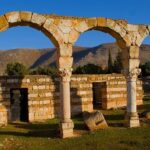
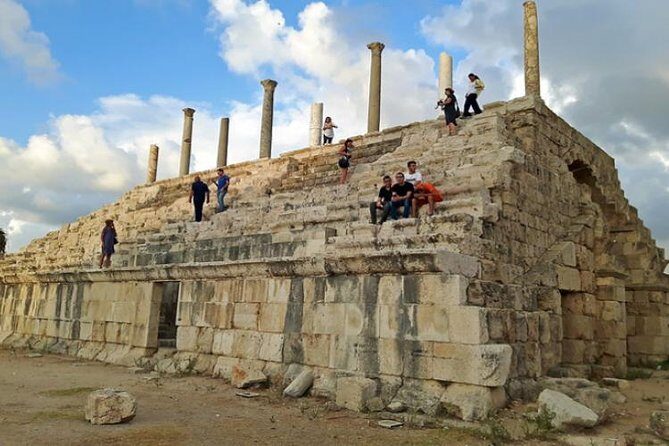
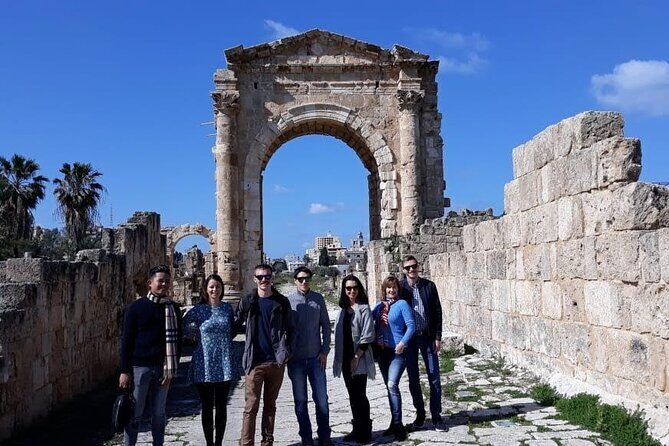
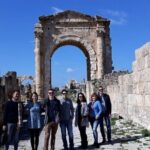
The main deep archaeology stop is Al-Bass Archaeological Site, focused on the Roman hippodrome, described as the largest and best-preserved example of its kind. You also get more than the stadium.
Al-Bass covers the principal entrance area in antique times, including:
- a monumental causeway
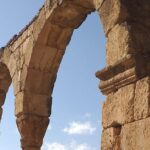
- a Roman triumphal arch from the 2nd century AD
- an aqueduct
- the hippodrome itself from the 2nd century
You also get the necropolis component: a setting with several hundred well-preserved sarcophagi, plus an intact Roman road. This is the stop where the guide matters most, because you’re looking at big pieces of an old city and you need help understanding what you’re seeing and how it fit together.
Admission here is not included, so plan for that ticket too. In exchange, the pay-off is strong: you’re not just walking past a couple of stones. You’re standing in the kind of area that makes a whole city feel legible.
Lunch in Tyre and pacing across a 9-hour schedule
Lunch is built into the day, and that matters more than you might think. You’re out for about 9 hours, with multiple city stops in Sidon and then the bigger archaeology work in Tyre. Food and water keep your attention from drifting, and you don’t end up spending your best hours negotiating menus.
The lunch is included as a real Lebanese meal. Some lunches served in Tyre have been in restaurants with outdoor seating that isn’t fully covered from sun, so I’d treat sunscreen and a hat as part of your packing list. Not because you’ll be miserable, but because this is southern Lebanon, and the day moves fast.
Pacing wise, the time splits are fairly clear: shorter visits at places like Khan al-Franj and the souks, then longer stops for Tyre and Al-Bass. That keeps the day from feeling like a checklist sprint. If you hate rushing, this format is better than tours that try to do everything at maximum intensity.
Price and logistics: what $65 buys you, plus the extras
At $65 per person, this tour is a fairly good deal if you’re factoring in what’s included.
You’re getting:
- hotel pickup and drop-off in Beirut
- a professional tour guide
- air-conditioned transport
- lunch
- bottled water
- small group size (max 20)
Those are exactly the items that add up fast if you try to DIY it. Taxis for multiple legs, paying for someone to guide you through archaeology, and losing time figuring out where to go can easily cost more than a single-day tour price.
What costs extra (based on what’s clearly marked as not included):
- Crusaders Sea Castle admission
- Soap Museum admission
- Al-Bass Archaeological Site admission
So I’d go in with a simple mindset: the tour price covers the structure and guidance, while a few ticketed sites cover the on-site entry fees. If you budget for those admissions upfront, you’ll feel in control instead of surprised at the counter.
Who this tour fits best
This works especially well if:
- you want a guided day trip from Beirut to Sidon and Tyre without driving yourself
- you like a mix of big archaeological stops and smaller cultural stops (like the khan and soapmaking museum)
- you’re short on time but still want to see more than one “main city”
- you prefer a small-group setting over a big bus day
It’s also a solid choice if you appreciate context. The guide isn’t just reciting dates—you’re seeing how Phoenician, Roman, Crusader, and Ottoman layers sit next to each other across the same coastal region.
If you’re the type who likes to linger forever in museums, you might wish for more than the stop lengths. But if you want a well-run highlights day, this hits a strong middle ground.
Should you book it?
Yes—if your priority is an organized, guided southern Lebanon day that covers Sidon, Tyre, and Maghdouché without the stress of planning every connection. The value comes from the whole package: pickup/drop-off, lunch, water, and a guide that helps you make sense of the major sites.
I’d say book it now if:
- you want UNESCO Tyre and the Roman hippodrome at Al-Bass
- you’re curious about Sidon’s Crusader Sea Castle, Khan al-Franj, and local crafts like soapmaking
- you want a calm shrine stop at Our Lady of Mantara without squeezing it in between long drives
Just go in knowing that a few admissions are not included, and you’ll be happier.
FAQ
What time does the tour start?
The tour starts at 8:30 am.
How long is the day trip?
It runs for about 9 hours.
Do I get hotel pickup and drop-off in Beirut?
Yes. Hotel pickup and drop-off are included.
Is lunch included?
Yes, lunch is included.
Does the tour include bottled water?
Yes, bottled water is included.
Are admission tickets included for all stops?
No. Admission is not included for the Crusaders Sea Castle, the Soap Museum, and the Al-Bass Archaeological Site.
Is the tour group small?
Yes. The maximum group size is 20 travelers.
Can I cancel and get a refund?
Free cancellation is available up to 24 hours before the experience start time for a full refund.
Does the tour use a mobile ticket?
Yes. A mobile ticket is provided.