REVIEW · BEIRUT
Guided Small-Group Tour to Qadisha, Bcharee & Cedars with Lunch
Book on Viator →Operated by Lebanon Tours & travels · Bookable on Viator
Monasteries cling to Lebanon’s cliffs. This full-day tour strings together Qadisha Valley cave monasteries and the Cedars of God in one smooth circuit, with a guide who keeps the religious and local context clear (and guides like Mike or Georgette really help the day click). I also like that you’re in a small group of up to 15 and you get lunch included, so you’re not constantly making extra plans. The one thing to consider is that it’s a long day—about 9 hours—so you’ll want comfortable shoes and patience for a few uphill viewpoints.
This is also a rare chance to see northern Lebanon’s mountain towns without renting a car. Hotel pickup and drop-off plus a climate-controlled minibus make the logistics easy, and the pace is designed for sightseeing rather than racing from one photo spot to the next. If you like places where faith, history, and everyday rural life sit close together, this route tends to hit the right note.
In This Review
- Key Highlights Worth Marking on Your Map
- Northern Lebanon in One Day: The Real Rhythm of This Tour
- Qadisha Valley: Cave Monasteries and Early Christianity
- Bcharre: Churches, Cedars, Ski History, and Kahlil Gibran
- The Gibran Museum Stop: When Art Meets a Real Life Story
- Cedars of God Forest: Bible Trees and Lebanon’s Flag Symbol
- Deir Qozhaya: St Anthony the Great and the 4th-Century Footprints
- Lunch and Comfort: A Mountain-Top Reset
- Price and Value: What $65 Buys You (and What It Doesn’t)
- Who This Tour Fits Best
- Should You Book This Tour?
- FAQ
- Is hotel pickup and drop-off included?
- How long is the tour?
- What is the group size limit?
- Is lunch included?
- Are admissions included for all stops?
- When does the tour start?
- Can I cancel for a full refund?
Key Highlights Worth Marking on Your Map
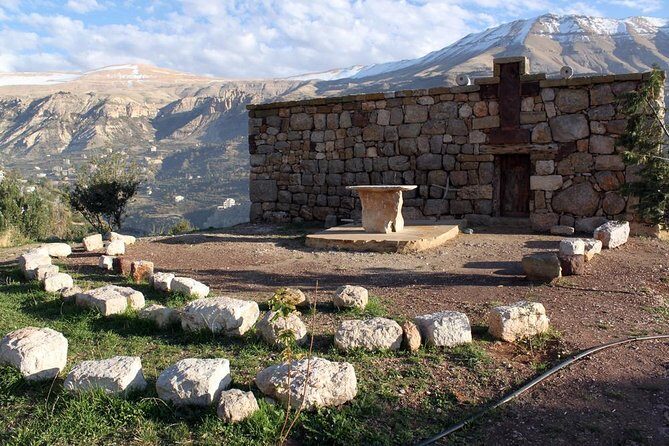
- Qadisha Valley cave monasteries: Early Christian settlement sites in a dramatic rock-and-terrace setting
- Bcharre’s cedar connection and Kahlil Gibran: Poets, churches, and a museum stop in the same town
- Cedars of God forest entry included: Last-known ancient growth, with cedar trees tied to the Bible and the Lebanese flag
- Deir Qozhaya monastery at 950 meters: St Anthony the Great’s site, tied to eremitic life and surviving vestiges
- Small group comfort: Max 15 people, plus an air-conditioned vehicle and hotel transfers
Northern Lebanon in One Day: The Real Rhythm of This Tour
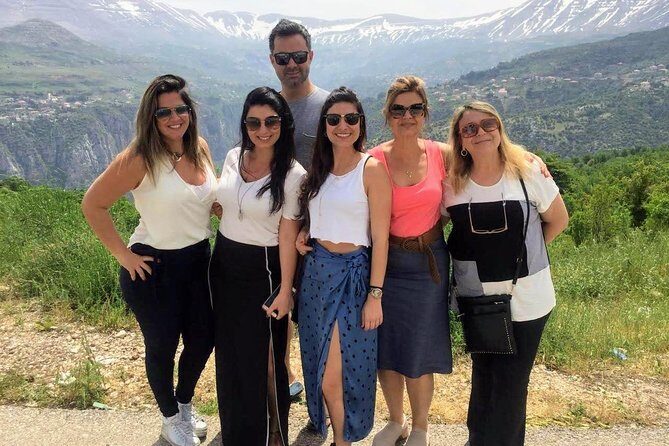
Start is 8:30am, and the day runs about 9 hours total. That timing matters because these are mountain-area sites. You’ll spend plenty of time on the road, but the trip is organized so you’re not stuck watching the scenery go by. The small group size—capped at 15—helps a lot: you can hear your guide, you’re not squeezed with strangers, and stops don’t turn into a chaotic herd.
The vehicle is private and climate-controlled, which you’ll appreciate whether it’s cool in the hills or warming up as the morning goes on. There’s also hotel pickup and drop-off, so you avoid the hassle of getting to a departure point on your own. And since the tour includes lunch, you can spend your headspace on sightseeing instead of hunting for food between stops.
One more practical note: admissions are mixed. Cedars of God is included, but the Gibran Museum is not. That doesn’t make the tour worse—it just means you should be ready with a little extra cash or card for that museum stop if you want to go inside.
You can also read our reviews of more guided tours in Beirut
Qadisha Valley: Cave Monasteries and Early Christianity
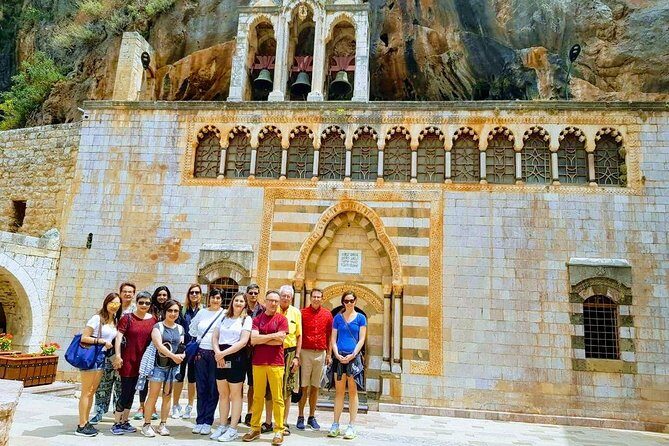
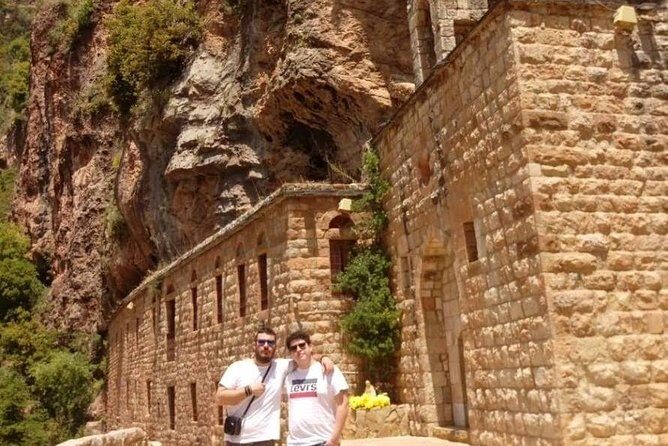
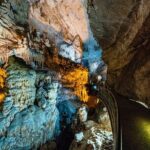
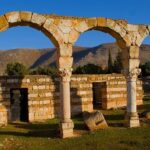
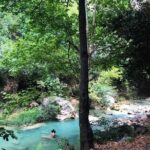
Qadisha Valley is the heart of the day. You’re looking at one of the most important settlement sites tied to the world’s earliest Christian monasteries, with caves, monasteries, and cultivated terraces connected to very early Christian monastic life. In plain terms: this isn’t just one old church. It’s a whole system of places where hermits and religious communities shaped daily life in the mountains.
What makes the valley special is the setting itself. The monasteries are set in an extraordinarily rugged area—think rock faces, carved spaces, and a sense that life here demanded both faith and stubborn practicality. When your guide talks through the timeline—how these locations relate to early Christianity—you start to see the physical details differently. A cave isn’t just a cave. A chapel isn’t just a viewpoint. The guide helps you connect the stones to the story of people who sought holiness in hard terrain.
The tour time at the valley is a significant chunk of the morning, so you’ll have room to take photos and pause when the views demand it. If you’re the kind of person who enjoys religious history but also likes understanding why a place looks the way it does, this stop tends to be the one you remember most.
Bcharre: Churches, Cedars, Ski History, and Kahlil Gibran
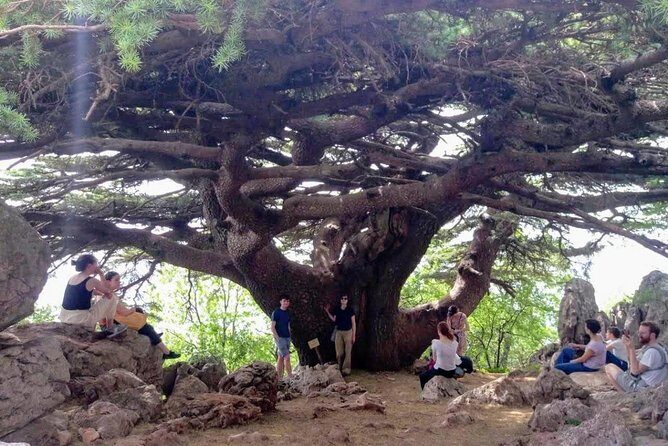
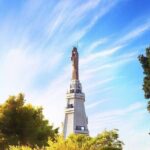
From Qadisha Valley you head to Bcharre, a town that pulls together several threads of northern Lebanon. It’s known as the home of the preserved original Cedars of God, and it’s also the birthplace of Kahlil Gibran (the poet, painter, and sculptor). If you’ve read Gibran before, this town gives his name a physical address.
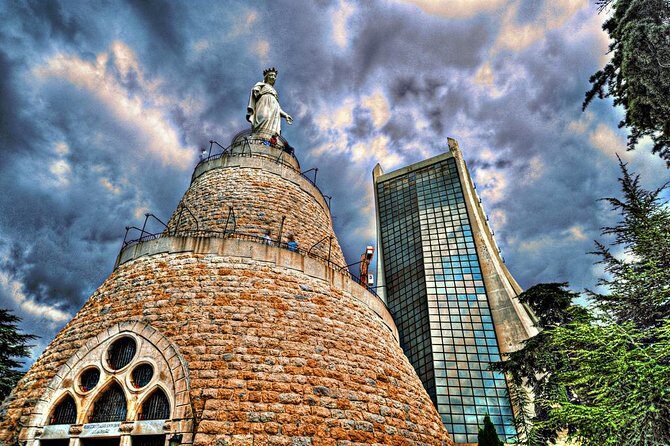
Bcharre also has a different kind of fame: it’s sometimes called the city of churches, with around 37 churches in the area. You’ll feel that quickly as the town turns into a patchwork of chapels and religious spots rather than one big landmark.
Then there’s the ski history, which I love because it adds variety to the day. Bcharre is home to the Cedars Ski Resort, and Lebanon’s first ski lift was built there in 1953. Even if you’re not skiing (and most of us won’t be on a sightseeing day), knowing the place has this winter identity helps you understand how locals use these mountains year-round.
This stop is about 30 minutes, with admission ticket free time built in for the main town sights. If you want more than a quick walk and a few photos, be ready to move a bit faster here—because the schedule keeps you moving toward the next big anchor.
The Gibran Museum Stop: When Art Meets a Real Life Story
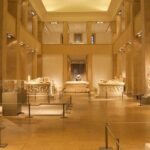
In Bcharre, you’ll also have time for the Gibran Museum, housed in what used to be the Monastery of Mar Sarkis. This biographical museum focuses on Kahlil Gibran, and it’s not a generic souvenir museum. It’s built around his creative world: the collection includes 440 original paintings and drawings, plus items like furniture and belongings from his studio in New York City and his private manuscripts.
The practical part: this museum stop is about 30 minutes, and admission is not included in the tour price. That means you decide based on your interests. If you’re a Gibran fan or you like seeing how artists built their careers, this time can be very satisfying. If you’re more about churches and monasteries than art collections, you might treat it as optional and spend your attention on the town surroundings instead.
Even when you skip museums, the Gibran connection matters. It’s the contrast that makes Bcharre more interesting: faith architecture on one side, and an artist’s life story on the other.
Cedars of God Forest: Bible Trees and Lebanon’s Flag Symbol
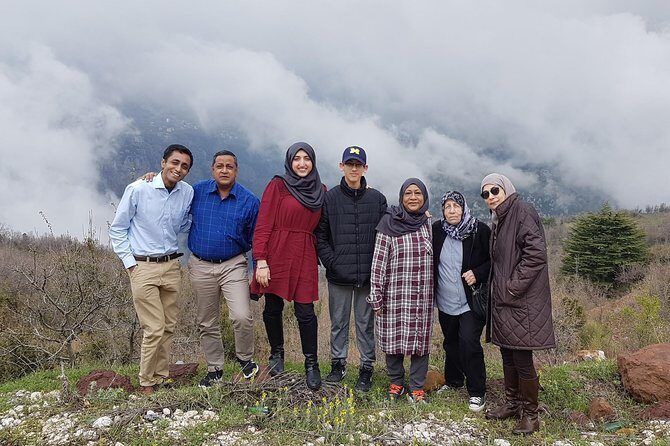
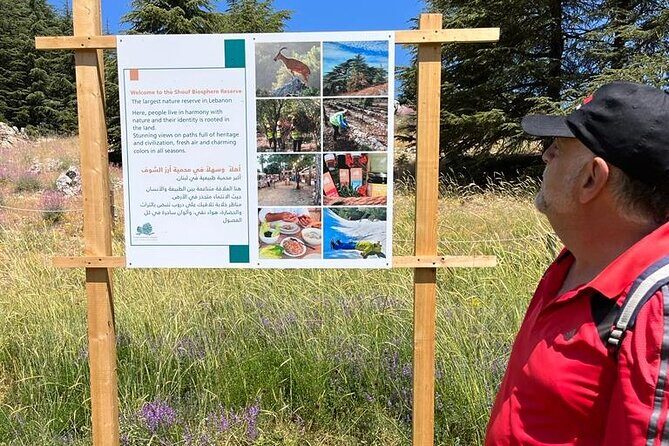
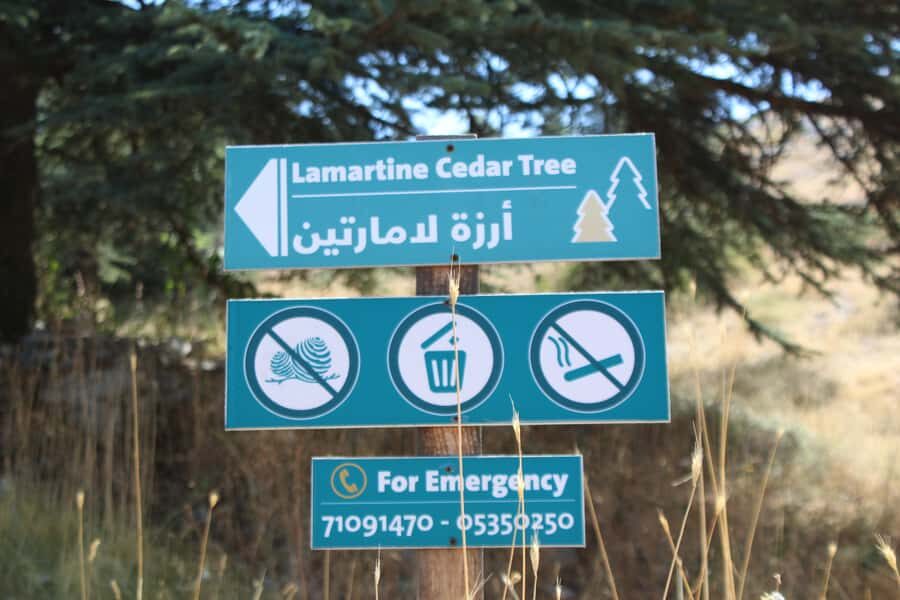
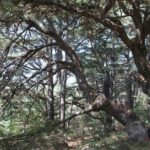
Next comes the tour’s big nature-and-faith moment: the Cedars of God forest. The site is described as having 375 trees and being the last remains of ancient forests, with cedars still growing there. Historically, cedar wood was prized for construction of major religious buildings, and it’s referenced 103 times in the Bible. That’s not just trivia—your guide’s explanation helps you see why people long ago treated cedars as more than scenery.
And yes, cedar matters here in a very literal way: the cedar is a national symbol of Lebanon and appears on the flag. So when you’re standing near these trees, you’re not just looking at old vegetation. You’re looking at an emblem that shows up on national identity, religious references, and cultural memory.
The stop is about 45 minutes, and admission is included. This is one of the stops where the time feels right. You’re given enough minutes to step back, take photos, and also listen—without feeling like you’re being rushed through a checklist.
Possible drawback: if it’s extremely cold or windy where you stand, you might wish for a longer indoor break. But in general, this is a straightforward stop: you’re outside, you’re looking at trees, and the story is easy to follow.
A few more Beirut tours and experiences worth a look
Deir Qozhaya: St Anthony the Great and the 4th-Century Footprints
The day finishes with Deir Qozhaya, where you’ll visit the Monastery of Saint Anthony the Great. It sits at 950 meters above sea level, and your surroundings are described as hills covered with pine and oak trees, with fruit trees growing throughout the valley. This matters because it explains how a monastery could function in an eremitic setting—people needed land, resources, and a workable routine.
Historically, scholars suppose the monastery began being built and occupied by hermits at the start of the fourth century. Like many sites tied to conflict over centuries, it was looted, set on fire, and razed to the ground at various points. Still, vestiges remain dating back to around the seventh century. So you’re seeing layers of time rather than one single era frozen in place.
The tour time here is about 45 minutes, and admission is listed as free. That’s helpful because it keeps the stop accessible. Also, this is the kind of place where a guide’s voice is especially useful. Without context, you can end up treating it as just another monastery viewpoint. With context, it becomes clearer how the valley connects to the wider Qadisha Valley area—especially since the valley of Qozhaya extends into the valley of Qannubin.
If you’re the sort of traveler who likes quiet moments in the middle of a full day, this is usually where the energy shifts from bus-focused sightseeing to reflective site appreciation.
Lunch and Comfort: A Mountain-Top Reset
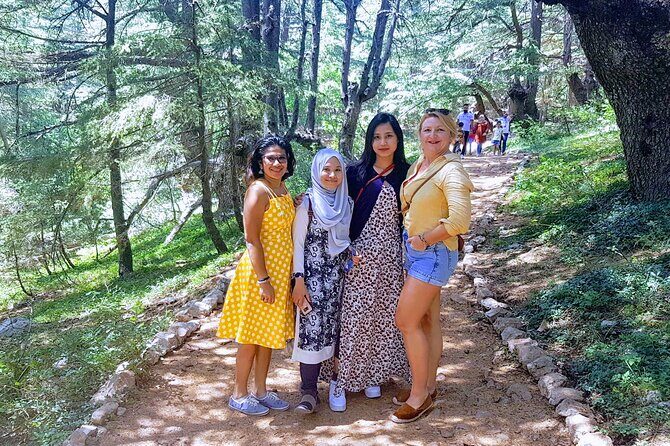
The tour includes lunch, and the goal is simple: a real break in the middle of a long loop. The lunch is described as fresh and authentic, and you might find it served at a beautiful spot with mountain views—one of the best compliments about the day is that the meal and the setting felt like time slowed down.
This matters more than it sounds. When you’re spending the day on religious sites and roads, the difference between a quick bite and a real lunch is the difference between enjoying the afternoon and dragging through it. With lunch included, you also avoid the common problem of arriving hungry at the next stop, when you’d rather focus on your surroundings.
Comfort-wise, the air-conditioned minibus helps you recharge between sites. And since it’s a small group, you don’t spend your breaks negotiating where everyone stands or how to find each other again.
Price and Value: What $65 Buys You (and What It Doesn’t)
At $65 per person, this tour is priced like a budget day trip but structured like a proper guided circuit. For that price, you get hotel pickup and drop-off, transport in an air-conditioned private vehicle, a small group experience, lunch, and guided time at major stops.
What’s not covered: Gibran Museum admission (listed as not included). That’s the main “watch this” item based on the provided details. If you’re the type who wants to go into every museum room, you should add that cost into your mental budget. If you skip it, you still get the Bcharre town context and the main cedar and monastery anchors.
The best value angle here is concentration. In one day you see the Qadisha Valley monastery setting, Bcharre’s cedar and Gibran connections, the Cedars of God forest, and Deir Qozhaya. If you were trying to do this independently, you’d deal with timing, transportation, and figuring out what to prioritize in the mountains. This tour turns that planning effort into guided flow.
Also, there’s a very real seasonal reality. The day can feel extra personal because northern Lebanon may have fewer tourists at certain times. With a cap of 15, you can end up with a quieter, calmer experience even without trying to game the calendar.
Who This Tour Fits Best
This tour suits you if:
- You want big religious and historical sites without the hassle of self-driving.
- You enjoy when a guide links what you see to why it mattered—not just where it is on a map.
- You like a mix of monasteries, a national symbol (cedar), and a cultural figure (Gibran) in one day.
It might be less ideal if:
- You hate long days or don’t handle road time well.
- You want a very flexible schedule with lots of time inside museums (the Gibran Museum is only about 30 minutes, and not included).
Should You Book This Tour?
I’d book it if your priority is northern Lebanon’s “must-see” religious geography: Qadisha Valley, the Cedars of God, and Deir Qozhaya, all with guide context and an included lunch. The small-group cap of 15, plus hotel pickup and air-conditioned transport, makes the whole day feel manageable instead of stressful.
If you’re on the fence, decide based on two things: first, whether the Gibran Museum matters to you enough to pay the extra admission; second, whether you can handle a full 9-hour day in a car that’s moving between mountain stops.
If you want a day that feels both practical and meaningful, this one has the structure to deliver.
FAQ
Is hotel pickup and drop-off included?
Yes. Hotel pickup and drop-off are included as part of the tour.
How long is the tour?
The duration is approximately 9 hours.
What is the group size limit?
The tour has a maximum of 15 travelers.
Is lunch included?
Yes. Lunch is included, described as a fresh, authentic lunch.
Are admissions included for all stops?
Not all. Admission to Cedars of God is included, Deir Qozhaya is free, and the Gibran Museum admission is not included.
When does the tour start?
The start time is 8:30 am.
Can I cancel for a full refund?
Yes, you can cancel for a full refund if you cancel at least 24 hours before the experience’s start time. Free cancellation is offered.