REVIEW · BEIRUT
Beirut to Sidon, Tyre and Maghdouché: Daily Tours with Lunch
Book on Viator →Operated by Lebanon Daily Tours · Bookable on Viator
Southern Lebanon in one smooth day.
This small-group tour strings together major stops like the Sidon Sea Castle and the UNESCO Tyre Hippodrome, so you get big-picture context without spending your whole vacation figuring out logistics. I like that the day mixes Crusader-era ruins, Roman remains, and a living religious site, which helps you understand how this coast kept changing hands. One possible consideration: the plan is efficient, so some stops are brief, and you’ll want to be okay with a “see the main things” pace.
Two things I really appreciate: the hotel pickup and drop-off, and the fact that lunch is included with no extra charge. For a day that covers several towns, that kind of “you’re taken care of” structure is worth a lot.
My only heads-up is timing. The tour starts at 8:30 am and runs about 8 hours, so if you hate early starts or you prefer slow wandering with long photo breaks, this may feel a bit packed.
In This Review
- Key highlights worth planning for
- Why Beirut to Sidon, Tyre, and Maghdouché makes sense in one day
- Pickup at 8:30 am, then a day that stays organized
- Crusaders Sea Castle in Sidon: what you can still read in 30 minutes
- Khan al-Franj: Sidon’s ambassador hotel with a courtyard mood
- Sidon souks: a maze of commerce you can actually picture
- Maghdouché’s Our Lady of Mantara: faith site with a very specific origin story
- Al-Bass Archaeological Site in Tyre: Roman scale in one included hour
- Lunch included: a real relief on a long coastal day
- Price and value: what $65 really covers on this route
- Who this tour fits best (and who might want DIY)
- Should you book Lebanon Daily Tours’ southern Lebanon day trip?
- FAQ
- How long is the tour from Beirut?
- What does the $65 price include?
- What time does the tour start?
- Is lunch included?
- How many people are in the group?
- What are the main stops?
Key highlights worth planning for
- Small group cap of 15 keeps the guide’s attention focused.
- Hotel pickup and drop-off removes the hardest part of a day trip.
- Crusaders Sea Castle in Sidon gives you a fortress story you can see in person.
- Khan al-Franj + Sidon souks add real everyday character beyond ruins.
- Guided Tyre Roman site (Al-Bass) helps you read the scale: arch, aqueduct, road, and hippodrome.
- Lunch included means you won’t spend the day hunting for food.
Why Beirut to Sidon, Tyre, and Maghdouché makes sense in one day
This tour works because it doesn’t just list sights. It routes you along the coastline in a way that gives you context for each place you stop. You start with Sidon’s Crusader-era Sea Castle, then you shift to Ottoman-era Sidon with Khan al-Franj, and you finish with Tyre’s Roman powerhouse at Al-Bass. That sequence helps you connect eras instead of treating each ruin like a separate postcard.
If you’re short on time in Lebanon, this is a strong use of a single day. You get transfers, a guide, and included site time without the stress of coordinating transport between towns. And with a maximum group size of 15, the pace doesn’t feel like a bus full of strangers all racing to the same photo spot.
A few more Beirut tours and experiences worth a look

Pickup at 8:30 am, then a day that stays organized
The day starts at 8:30 am with hotel pickup and ends with drop-off back at your accommodation. The tour uses an air-conditioned vehicle, which matters on a long coastal day even when weather is pleasant.
You’re also traveling with a tour leader and a local guide, which usually translates to smoother transitions. In practice, it means you spend less time wondering what to do next and more time actually looking. You’ll have a mobile ticket, so you’re not scrambling for paper tickets at each stop.
The trade-off is that the stops aren’t all long. Some are around 15 minutes; one key site is about an hour. So your best strategy is mental: treat each short stop like a “get your bearings fast” moment, then let the longer Roman stop be the deeper one.
Crusaders Sea Castle in Sidon: what you can still read in 30 minutes
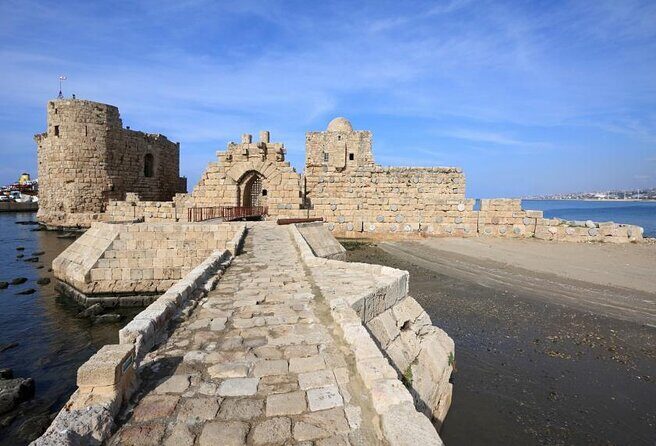
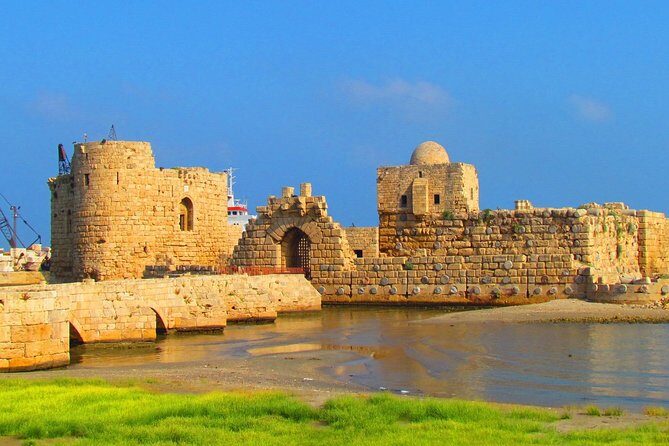
The Sidon Sea Castle is one of those places where the story is bigger than the visible remains. The fortress was built by the Crusaders in the 13th century on a small island, connected to the mainland by a causeway. Even though the castle was largely destroyed by the Mamluks in 1291, later restoration by Fakhr el-Dine Maan II in the early 17th century left a clear sense that this spot mattered.
With 30 minutes here and admission included, you’re not trying to do an archaeology lecture. You’re learning the headline facts and seeing what survives: the setting, the scale, and the “fortress of the holy land” vibe you can sense from the layout. The tour’s short focus is actually helpful. Instead of getting lost in details that take a lifetime to research, you get a quick historical framework you can carry into the next stop.
One practical tip: since the castle is described as a fortress on an island causeway, expect your best views to come from looking around the approach and edges, not from one single perfect viewpoint. Walk slowly and look back as you move.
Khan al-Franj: Sidon’s ambassador hotel with a courtyard mood
Next up is Khan al-Franj, one of Sidon’s main attractions, where the time is short but the atmosphere does a lot of work. This khan was built at the start of the 17th century by Emir Fakhreddine II. It was designed as a hotel for ambassadors and a commercial exchange center between Lebanon and France.
What I like about this stop is the mix of functions. It wasn’t just a place to sleep. The khan became a hub for literature, religion, history, industry, and diplomacy—basically, a social engine for the region. Even if you only have 15 minutes, you can still grasp the key physical idea: a rectangular courtyard with a central fountain, plus covered galleries wrapping around it.
The stop also has free admission, so you’re not paying extra to step into this quieter pocket of Sidon. It’s a good mental break after the stronger fortress feeling at the Sea Castle.
Sidon souks: a maze of commerce you can actually picture
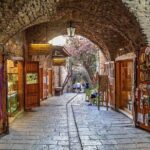
Then it’s into Sidon Souks, where the vibe shifts from architectural stories to everyday movement. The souk is the center of retail commerce and craft industry, and it’s described as a maze of narrow alleyways with small kiosks, shops, and cafes.
You’ll also pass a range of trades: street merchants, butchers, grocers, shoe-makers, tailors, and jewelers. Even with 15 minutes and free admission, the value here is orientation. You see how people shop, not just what historians wrote about past empires.
This is where the guide’s role matters too. A good guide helps you understand what you’re looking at without turning it into a scripted shopping pitch. Keep your eyes open, but remember: the souks are active. If you’re carrying bags, keep them secure and give space to people coming through the narrow lanes.


Maghdouché’s Our Lady of Mantara: faith site with a very specific origin story
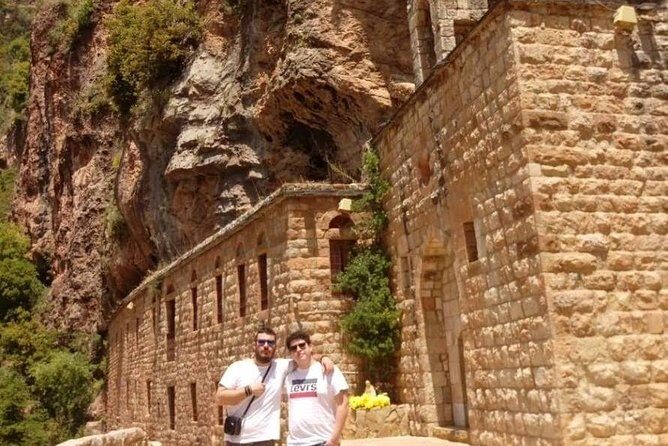
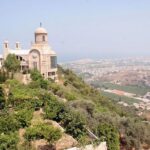
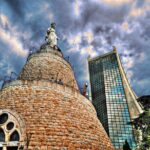
After the urban bustle, the tour heads to Maghdouché for a shrine known as Our Lady of Mantara (also called Our Lady of Awaiting). This is a Melkite Greek Catholic shrine, and it’s framed by a discovery story: it was discovered on 8 September 1721 by a young shepherd.
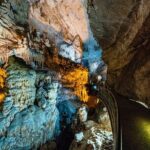
The site is made up of several parts: a tower crowned with the statue of the Virgin and Child, a cathedral, a cemetery, and a sacred cave believed to be where Mary rested while she waited for Jesus. That combination—tower, cathedral, burial grounds, and cave—means you’re not just looking at a building. You’re stepping through layers of belief that shaped the community around the site.
You’ll spend about 15 minutes, and admission is free. That’s a short window, so focus on what’s most visually distinctive: the tower with the statue and the overall layout connecting the main areas.
If you visit respectfully, this stop often feels grounding. It also gives your day contrast: Roman engineering at Tyre, Crusader fortifications at Sidon, and then a religious place with a story that’s still part of living faith.
Al-Bass Archaeological Site in Tyre: Roman scale in one included hour
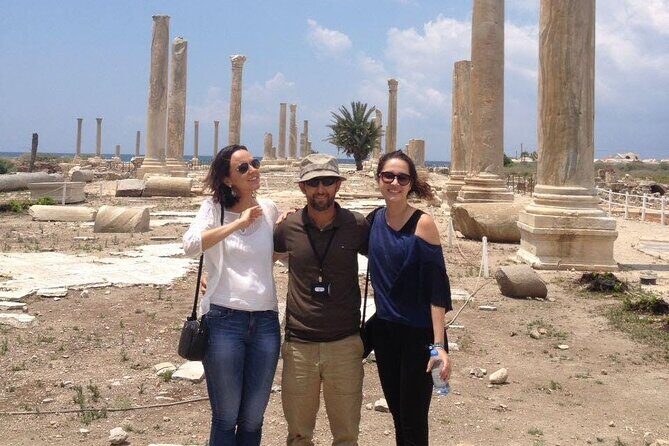
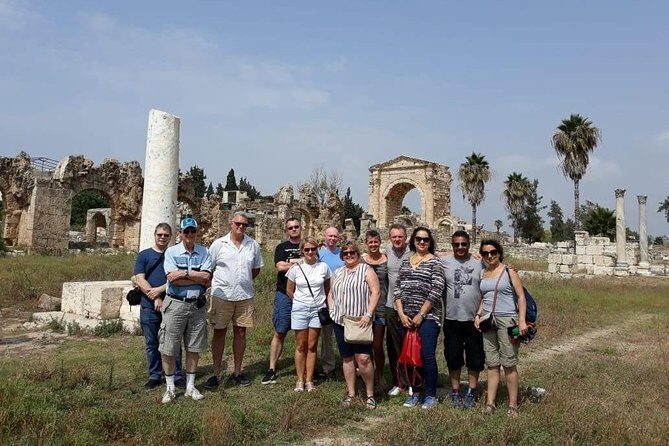
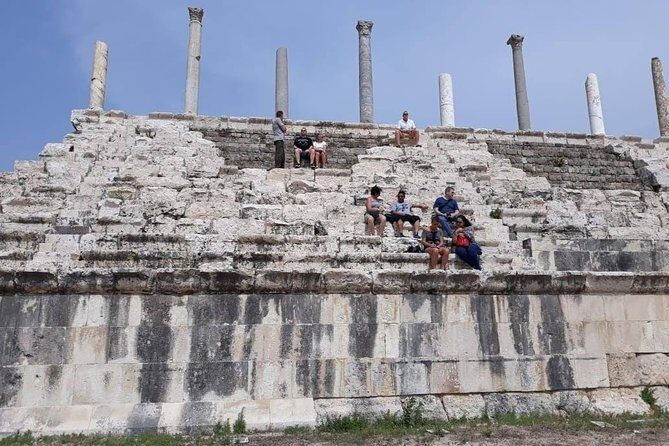
The tour’s biggest “slow down and look” moment is Al-Bass Archaeological Site in Tyre. This area is described as the largest and best-preserved example of a Roman hippodrome, and it’s tied directly to the way Tyre was entered and organized in antiquity.
The guide-led stop includes the sector called Tyre El Bass, which formed the principal entrance of the town in antique times. Here you see:
- the remains of a necropolis with several hundred well-preserved sarcophagi
- a wide monumental causeway flanked by key structures
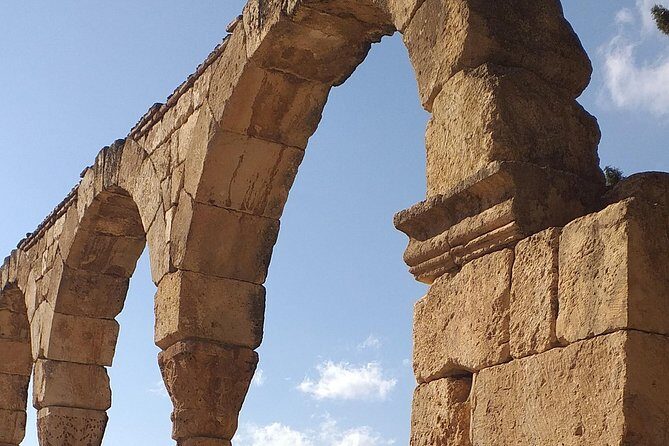
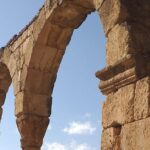
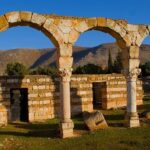
- a Roman triumphal arch dating from the 2nd century AD
- an aqueduct
- the Roman hippodrome of the 2nd century
- an intact Roman road
With 1 hour on-site and admission included, this is the place where you can start to understand scale. You’re not just looking at isolated stones. You’re seeing how a city funneled people in, how the spectacle space worked, and how the town connected to water and movement.
A guided explanation here is a big plus. When you know what you’re looking for—entrance routes, the arch’s ceremonial role, and why the road matters—the site feels more legible. If you only did one stop deeply in this day, make it this one.
Lunch included: a real relief on a long coastal day

Lunch is served as part of the tour at no extra cost. That matters more than it sounds. On a day like this, with multiple towns and changing environments, the “where should we eat?” question can derail your schedule.
Having lunch built into the plan means you can stick with the flow: see a major site, take a break, then move on. If you like to travel with less decision fatigue, this is a big win. It also keeps you from losing prime daylight hours hunting for food near the next stop.
I suggest you go into lunch like you’re refueling for the last stretch, not winding down. The Tyre site is the longest stop, so you’ll want your energy for that hour.
Price and value: what $65 really covers on this route
At $65 per person, this tour can feel like a bargain or a fair deal depending on what you’d otherwise have to pay. The value is strongest because several cost items are bundled:
- hotel pickup and drop-off
- local guide and a tour leader
- an air-conditioned vehicle
- lunch
- entry fees and guide services are included (with specific stops marked as included or free)
So you’re paying for the work of connecting all these places in one organized day. If you tried to DIY this, you’d likely pay for transportation, pay for guides or pay entry fees on top of that, and still spend time coordinating.
Also, the group size cap of 15 travelers helps keep the experience from feeling rushed or faceless. In practice, that can be the difference between just taking photos and actually understanding what you’re seeing.
Who this tour fits best (and who might want DIY)
This tour is ideal if you want a concentrated hit of southern Lebanon with guiding and context. It suits history-minded travelers, people who care about architectural eras (Crusader, Roman, and beyond), and anyone who wants a UNESCO-world-level stop handled with guidance rather than wandering alone.
It’s less ideal if your travel style is slow. Several stops are about 15 minutes, so you’ll get highlights, not deep study. If you want to linger in Sidon’s souks for longer browsing or spend a full half-day in one town, you might prefer a split itinerary or a self-paced plan.
Should you book Lebanon Daily Tours’ southern Lebanon day trip?
If your goal is one well-run day from Beirut that covers Sidon Sea Castle, Khan al-Franj, Sidon Souks, Our Lady of Mantara, and Tyre’s Al-Bass Roman site, then I’d say it’s a strong yes. The included guide support, lunch, and transfers make it feel organized in the way good day trips should.
One extra reassurance: the day’s human element matters, and this operator has been praised for having a capable guide like Susanne and a friendly driver such as Nasser. That kind of professionalism helps when you’re juggling multiple towns and several short stops.
FAQ
How long is the tour from Beirut?
It runs for about 8 hours.
What does the $65 price include?
The price includes hotel pickup and drop-off, a local guide, lunch, an air-conditioned vehicle, and a tour leader. Entry fees and guide services are included, with some stops marked as free admission.
What time does the tour start?
The tour start time is 8:30 am.
Is lunch included?
Yes. Lunch is served at no extra cost.
How many people are in the group?
The tour has a maximum of 15 travelers.
What are the main stops?
You’ll visit the Sidon Sea Castle, Khan al-Franj, Sidon Souks, Our Lady of Mantara in Maghdouché, and the Al-Bass Archaeological Site in Tyre.