REVIEW · BEIRUT
Southern Lebanon Day Trip: Exploring Sidon, Maghdouche and Tyre
Book on Viator →Operated by Beirut Daily Tours · Bookable on Viator
Three cities, one easy day from Beirut. This car-free southern Lebanon route keeps logistics simple: you get hotel pickup and ride in an air-conditioned vehicle as you move between Sidon, Maghdouche, and UNESCO Tyre, all at a pace that fits a single day. I like that it runs with a small group (max 15), so the tour doesn’t feel like a stampede.
What I really like is the way the day is built for people who want context fast. You’ll get a brief explanation at each stop, which helps you understand what you’re looking at—whether it’s a Crusader-era fortress in Sidon or Roman stonework at Tyre.
The one caution: meals aren’t included, and several attractions are marked as admission not included—so plan to budget a bit extra beyond the $50 price.
In This Review
- Quick hits before you go
- Southern Lebanon Day Trip Value: why $50 makes sense
- Meeting at 8:00am: how the day feels in real life
- Sidon first: Crusader Sea Castle (fortress on a small island)
- Khan al-Franj: Sidon’s commercial courtyard turned cultural stop
- Soap Museum in Sidon: how a 17th-century workshop became a story
- Sidon souks: narrow alleys, real trade, and quick breaks
- Maghdouche’s Our Lady of Mantara: a shrine stop that slows the pace
- Tyre’s Al-Bass archaeological site: Roman entrance, necropolis, and the hippodrome
- Getting your bearings: how the guide makes the day click
- What to budget beyond the $50
- Best fit: who will enjoy this day trip most
- Should you book this southern Lebanon trip?
- FAQ
- What time does the day trip start from Beirut?
- How long is the tour?
- Is hotel pickup and drop-off included?
- Are meals included?
- Which stops are free, and which charge admission?
- What’s the group size limit?
Quick hits before you go
- Hotel pickup and drop-off means you skip the rental-car headache
- Max 15 people keeps the day calmer than big-group touring
- Site-by-site explanations help you connect the dots quickly
- Mix of faith + trade + Roman ruins across three very different towns
- Some admissions cost extra, while a few stops are free
Southern Lebanon Day Trip Value: why $50 makes sense
At $50 per person for about 8 hours, the value is mostly in what you don’t have to manage yourself. The tour includes a tour leader, hotel pickup and drop-off, and transport in an air-conditioned vehicle—the big-ticket part of a day that covers multiple cities. If you’ve ever tried to string together Sidon and Tyre by yourself, you know time disappears fast.
You also get a structured route: short stops, then longer ones where it counts. This matters in southern Lebanon, where travel between towns eats hours. The schedule here keeps you moving, but not so hurried that every stop becomes a photo sprint.
The trade-off is your freedom is limited by the group plan. Also, since meals aren’t included, you’ll want to plan for lunch on the road or bring a snack so you’re not stuck hungry between stops.
A few more Beirut tours and experiences worth a look
Meeting at 8:00am: how the day feels in real life
The day starts at 8:00am from Beirut. Expect a full morning and afternoon packed with recognizable highlights: Crusader-era Sidon, a major shrine in Maghdouche, then Tyre’s Roman remains. With a maximum group size of 15, you likely won’t spend the day competing for space inside landmarks.
It’s also the kind of tour where your mindset helps. If you want “see it all” in one day, you’ll be happy. If you want long, slow wandering with zero time pressure, you might feel the pace—especially in Sidon’s souks.
Sidon first: Crusader Sea Castle (fortress on a small island)
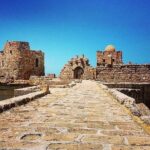
Sidon kicks off with the Crusaders Sea Castle, a thirteenth-century fortress originally built by the Crusaders on a small island, connected to the mainland by a causeway. It’s an eye-catching setup because you’re not just looking at ruins—you’re looking at the idea of a strategic outpost guarding a port city.
The basics matter for context. This stronghold was largely destroyed by the Mamluks in 1291, then later restored in the early 17th century by Fakhr el-Dine Maan II. Even when so much has faded, that historical timeline gives you something to hang onto as you walk around.
Plan for about 30 minutes at the castle. Admission is listed as not included, so budget for a ticket if you want full access. The castle area doesn’t feel like a museum stroll. It’s more like an atmospheric historical viewpoint—helpful if you enjoy ruins with layers.
Tip: Wear shoes with grip. Even if it’s not a long walk, you’ll want stable footing around uneven areas.
Khan al-Franj: Sidon’s commercial courtyard turned cultural stop
Next is Khan al-Franj, built in the early 1600s by Emir Fakhreddine II. This was designed as a hotel for ambassadors and a hub for commerce between Lebanon and France. Over time, the khan took on roles beyond lodging—linked with literature, religion, industry, diplomacy, and general cultural life.
What makes this stop work is the format. It’s a classic khan layout: a large rectangular courtyard, a central fountain, and covered galleries around the edges. Even if you only have 15 minutes, the space is the point. It’s a quick way to experience Sidon’s older travel-and-trade infrastructure without spending hours.
Admission is listed as free, so it’s a low-cost way to add atmosphere to the day.
Soap Museum in Sidon: how a 17th-century workshop became a story
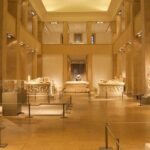
Then you’ll get a turn toward everyday history at the Soap Museum (Saida). This isn’t the kind of museum that tries to be everything. It focuses on Levante soap—how it was made, where the craft fits in local life, and why olive-oil soap mattered.
The building itself is a clue. The original workshop dates to the 17th century under the Hammoud family, and parts are thought to connect to even earlier material. Inside, you can expect a walk through the evolution of soap making and a look at traditional olive oil soap production, including links to the hammam bathing tradition.
You’ll also see a historical section tied to archaeology—artifacts like remains of clay pipe heads from roughly the 17th–19th centuries and pottery fragments. In a day that’s heavy on big-name monuments, this stop is a nice reset.
Time is around 30 minutes and admission is not included, so check that ahead of time mentally: this is the kind of museum where you may want to pay attention, not just skim.


Sidon souks: narrow alleys, real trade, and quick breaks
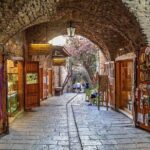
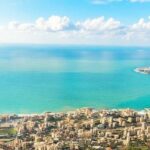
After history and craft, you’ll wander through the Sidon Souks. This is where you get a live feel for the port city’s economy and street-level life. The souk is described as a maze of narrow alleyways with small kiosks and shops, plus street merchants and businesses like grocers, shoe-makers, tailors, and jewelers.
Admission is free, and that’s part of the charm. You can look around without feeling like every step is paid entry. The official time here is about 30 minutes, which is enough for a loop and a couple of observations—plus maybe a break to grab water or a snack.
Souks can be hit-or-miss depending on your interests. If you like markets and don’t mind crowds and narrow lanes, this is a highlight. If you only want “big monuments,” you may want to treat this as a pleasant palate cleanser rather than a destination in its own right.
Maghdouche’s Our Lady of Mantara: a shrine stop that slows the pace
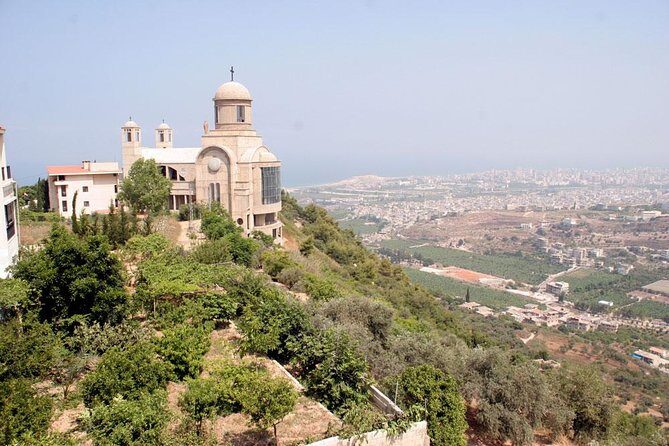
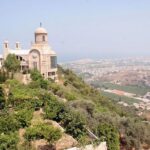
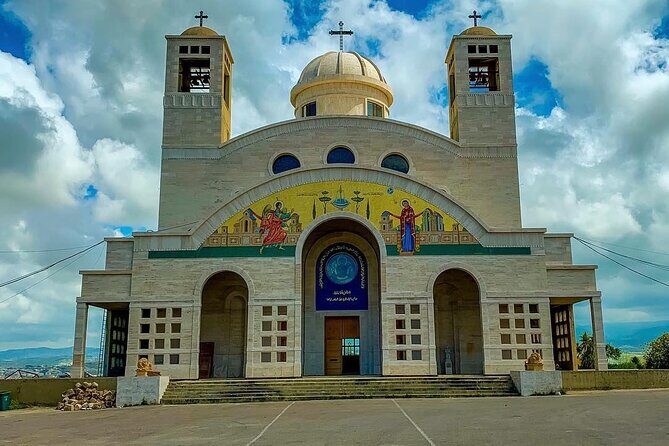
Then you’ll head to Maghdouche for the Basilica of Our Lady of Mantara (Our Lady of Awaiting). This is a Melkite Greek Catholic shrine connected to a story discovered on 8 September 1721 by a young shepherd.
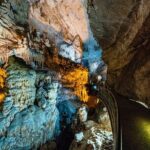
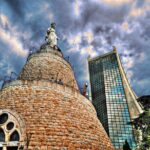
The shrine complex includes a tower crowned with the statue of the Virgin and Child, a cathedral, a cemetery, and a sacred cave believed to be connected to Mary resting while waiting for Jesus. Even if you’re not planning a religious visit, it’s a meaningful place because it’s built around stillness and local devotion.
It’s a quick stop—about 15 minutes—and admission is listed as free. That length is intentional. The goal isn’t to turn the day into a long retreat; it’s to add a spiritual and cultural chapter before the Roman ruins.
Practical note: Dress modestly out of respect. Even when rules aren’t spelled out, it’s a shrine, and you’ll feel better if you’re covered.
Tyre’s Al-Bass archaeological site: Roman entrance, necropolis, and the hippodrome
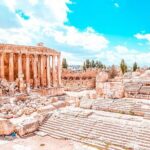
Finally, you arrive at Tyre, a UNESCO World Heritage site, and you’ll focus on Al-Bass Archaeological Site—described as the largest and best-preserved Roman hippodrome example. This is the kind of place where the time feels short even when you get an hour, because there’s a lot of stone to interpret.
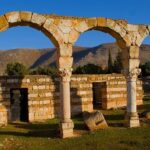
This area, Tyre El Bass, includes the principal entrance in ancient times. It’s laid out around a wide monumental causeway dominated by a Roman triumphal arch dating to the 2nd century AD. You’ll also find an aqueduct, the Roman hippodrome (2nd century), and an intact Roman road.
The necropolis is a major feature here too, with several hundred well-preserved sarcophagi. There are also references to an Egyptian port in the overall Tyre highlights you’ll be visiting as part of the day’s story.
Admission is listed as not included, and the stop is about 1 hour. If you love Roman engineering and funerary history, you’ll appreciate how much is still legible on the ground: arches, roads, and the scale of the hippodrome concept.
Getting your bearings: how the guide makes the day click
The trip is led by a tour leader, and the best moments tend to be the “wait—now I get it” ones. One review highlights Ahmed as an excellent driver and an engaging guide who shared lots of interesting facts and guided people efficiently through Tyre and Sidon. Another person noted that, especially with fewer people, the guide could tailor the walking pace and focus.
That’s the value of having someone explain as you go. When you stand in front of Roman architecture or a centuries-old khan courtyard, a short explanation can turn random ruins into a map of how the city worked.
What to budget beyond the $50
Here’s the practical reality: $50 covers the tour and transport, but not everything on-site.
- Meals: not included
- Admissions marked not included: Crusaders Sea Castle, Soap Museum, Al-Bass archaeological site
- Free stops: Khan al-Franj, Sidon Souks, Basilica of Our Lady of Mantara
So I’d plan on spending extra on at least a couple of entries and on lunch or a food stop. If you hate budgeting surprises, pack a snack just in case and bring water with you.
Best fit: who will enjoy this day trip most
This tour is a strong match if you:
- Want one-day logistics solved from Beirut
- Like Roman sites plus local towns (not just one big monument)
- Prefer short guided context over researching each stop alone
- Enjoy a mix of souks, craftsmanship, and archaeology
It may not be your best choice if you:
- Need meals included
- Want more time in a single place (especially in Tyre, where an hour can fly by)
- Dislike guided pace and prefer slower, independent exploring
Should you book this southern Lebanon trip?
I’d book it if you want a smart “greatest hits” loop—Sidon’s sea fortress and trade spaces, Maghdouche’s shrine stop, then Tyre’s UNESCO Roman remains—without fighting transport or wasting hours coordinating between towns. The price is reasonable for the distance covered and the fact that pickup, vehicle, and guided explanations are included.
Do it with one clear expectation: it’s a full day with a set route. Bring comfortable shoes, budget for tickets and lunch, and you’ll walk away with the sense that you actually saw how southern Lebanon pieces together—port city life, religious devotion, and Roman-scale ambition, all in one sweep.
FAQ
What time does the day trip start from Beirut?
The start time is 8:00am.
How long is the tour?
The duration is about 8 hours.
Is hotel pickup and drop-off included?
Yes. Hotel pick up & drop off are included, along with an air-conditioned vehicle and a tour leader.
Are meals included?
No. Meals are not included.
Which stops are free, and which charge admission?
Free admission stops include Khan al-Franj, Sidon Souks, and the Basilica of Our Lady of Mantara. Admission not included applies to the Crusaders Sea Castle, the Soap Museum, and Al-Bass Archaeological Site.
What’s the group size limit?
The tour has a maximum of 15 travelers.