REVIEW · BEIRUT
Byblos and Tripoli Tour
Book on Viator →Operated by Lebanon Tours Online By Fadi Eid · Bookable on Viator
Two cities, one smooth day from Beirut. This private Byblos and Tripoli tour lines up old trade streets and Crusader-era ruins with air-conditioned comfort and door-to-door pickup.
What I like most is how the day mixes market energy with real archaeological stops, so it does not feel like you only get pictures from a bus window.
One consideration: the sightseeing blocks are fixed at about 2 hours in Tripoli and 4 hours in Byblos, so if you want to shop slowly, you’ll feel the time limits.
You’ll get two different kinds of “old Lebanon” in one go. In Tripoli, the souks and khans are described as places where trades like tailors, jewelers, perfumers, tanners, and soap-makers have operated for centuries, and the city has a strong trail of historic buildings dating back to the 14th century. In Byblos, it’s the contrast that wins: a modern town with an ancient core, including an old harbor protected by a rocky headland and nearby remains tied to the ancient city.
If you’re trying to do both places justice, the schedule is the only thing that may disappoint. The tour gives you a solid taste of Tripoli’s market maze and Byblos’ major sights, but you won’t have hours to wander every side alley at leisure.
In This Review
- Key highlights worth your attention
- Two ports, two time periods: what this tour really delivers
- Price and logistics: does $150 feel fair for a 9-hour private day?
- Tripoli’s souks and khans: where centuries of trades still show
- The practical side of Tripoli time
- Byblos: Crusader-era landmarks beside an active harbor
- What makes this stop satisfying
- A gentle warning about pacing
- Comfort on the road: how the A/C vehicle upgrades a long day
- The human factor: what Fadi Eid-style guidance adds
- What to pack and how to use your limited hours
- Should you book this Byblos and Tripoli private tour?
- FAQ
- How long is the Byblos and Tripoli tour?
- Where does the tour start and end?
- Is this tour private?
- What are the main stops on the itinerary?
- Are admission tickets included?
- What’s included in the tour?
- Is there free cancellation?
Key highlights worth your attention
- 14th-century Tripoli souks and khans: the trades are the story, not just the architecture.
- Free admission for the scheduled stops: fewer ticket hassles, more time looking around.
- Byblos’ old harbor + ancient remains: you get the feel of a working port next to the past.
- Door-to-door Beirut pickup and drop-off: saves time and keeps the day smooth.
- A/C transport with WiFi and a restroom: practical comfort for a full day out.
Two ports, two time periods: what this tour really delivers
This is a private full-day tour that focuses on getting you from Beirut to two of Lebanon’s best-known coastal stops: Tripoli and Byblos. The big win is pacing. You’re not cramming three or four sites into a blur. Instead, you get a dedicated block of time in Tripoli’s historic trade areas and a longer block in Byblos’ old heart.
Another win is that the format makes sense for real travel days. You’re picked up and dropped off from your Beirut hotel, and the in-between travel is handled in an air-conditioned vehicle. That matters in coastal Lebanon when the sun is doing its thing. You also have WiFi on board and a restroom on board, which sounds small until you’re actually on the road for hours.
Finally, you’re not only seeing “ruins.” You’re also seeing living places. Tripoli’s souks are built around active commerce—tailors, jewelers, perfumers, and soap-makers are part of the atmosphere. Byblos is a modern town with an ancient center, so you’ll notice how people still use the waterfront and how today’s streets sit beside yesterday’s layers.
You can also read our reviews of more tours and experiences in Beirut.



Price and logistics: does $150 feel fair for a 9-hour private day?

At $150 per person, this tour sits in the range where you’re paying for two things: a private day and the comfort of being handled door-to-door. You’re not just paying for driving. You’re paying for a full day structure that takes you between two cities with A/C transport and a fixed sightseeing plan.
Here’s what makes the price more convincing: the tour notes that admission tickets are free for both scheduled stops. That can reduce the little add-ons that sometimes turn a good day plan into an expensive one once you arrive. Also, a private format is usually where the value shows up if you care about moving at a comfortable pace, not sprinting through highlights.
If you’re the kind of traveler who likes to ask questions—about trades in the souks, about the way Byblos evolved, about what you’re seeing—this setup helps. The tour is built around two regions where a guide can point out the details that are easy to miss on your own.
The only thing you can’t change much is the day’s time split: about 6 hours on-site (2 hours Tripoli + 4 hours Byblos). If you’re hoping for long, slow shopping marathons in one place, you might want to keep expectations realistic.
Tripoli’s souks and khans: where centuries of trades still show
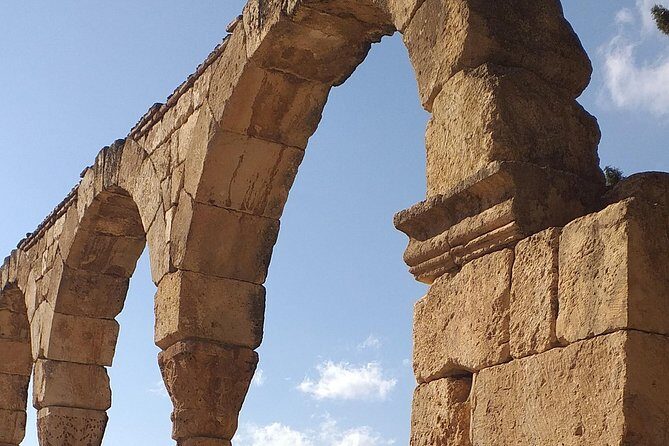
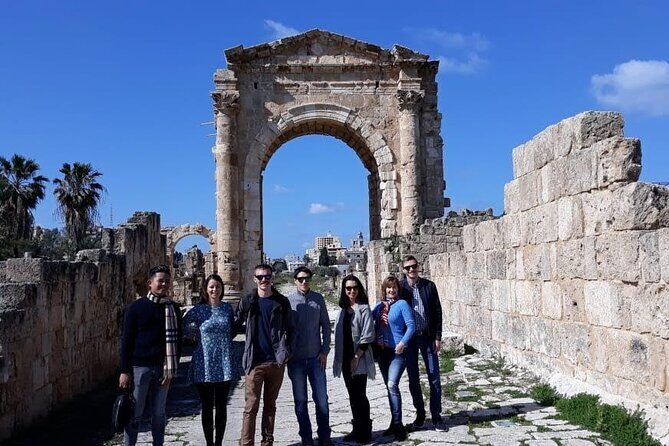
Tripoli’s scheduled stop is the city’s historic core, especially the souks and khans—the trading complexes that link to a wider web of trades. The tour description highlights that many buildings date from the 14th century, and that historic sites were registered across the city. Even if you don’t clock dates as you walk, you’ll feel the continuity in how the trading spaces are arranged.
What I’d focus on in the 2-hour Tripoli block is the “working street” vibe. The tour notes that tailors, jewelers, perfumers, tanners, and soap-makers have operated in surroundings that have changed little over time. So instead of treating this like a museum loop, treat it like a place where craft and commerce are the point.
That also means you’ll get the most out of your time if you pick a direction and commit. Souks can grow fast in your head once you start wandering. If you’re a photo-only person, you might want to remind yourself that these lanes are meant for shopping and daily life, so slow down just enough to notice signs, materials, and the small clusters of shops around certain trades.
The practical side of Tripoli time
Two hours sounds like enough until you’re standing in front of craft stalls and realizing you want to compare items. The tour’s schedule helps you avoid getting trapped too long in one corner, but it does limit how deep you can go.
If you want to shop, I’d decide what matters most to you before you arrive—souvenirs, spices, soap, jewelry, textiles—because it changes how you move. For lots of visitors, that’s the difference between a fun browse and an exhausting sprint.
Byblos: Crusader-era landmarks beside an active harbor
Byblos is where the day broadens. You get a 4-hour stop, and the tour frames it as a modern town with an ancient heart. That’s not just marketing language—it shows in the way you can move between places that feel “in use” (harbor and market area) and places tied to older eras (excavated remains and historic religious and military sites).
The tour description mentions the old harbor, sheltered from the sea by a rocky headland. That harbor setting matters because it shapes how Byblos feels: it’s coastal, framed, and built for a different kind of wandering than inland cities.
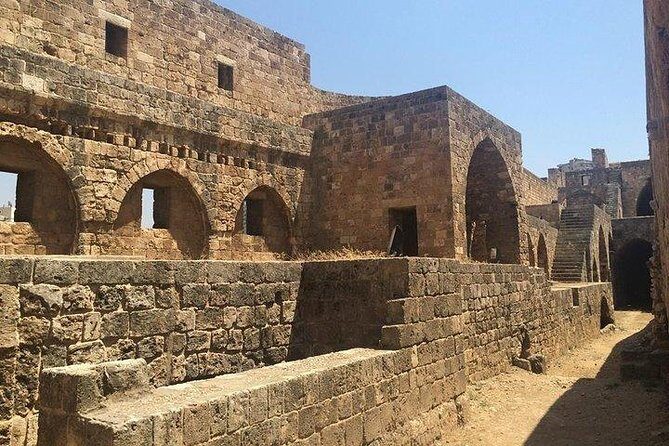
From there, the highlights are the archaeological and historic pieces near the center: excavated remains of the ancient city, plus the Crusader castle and church, and the old market area. That combination is one reason Byblos works well for a one-day visit. You’re not only looking at ruins; you’re looking at layers of human use—defense, worship, daily trade—stacked near each other.






What makes this stop satisfying
The big payoff is the contrast between now and then. Byblos is described as a mix of sophistication and tradition, so you’re likely to notice both everyday street life and the obvious weight of the past. If Tripoli feels like trade lanes, Byblos feels like a port town with stories tied to stones.
A gentle warning about pacing
The Byblos block is longer, but it still may feel tight if you plan to do all three: harbor views, the excavated area, and the Crusader castle/church area. If you want to linger, aim for one “anchor” experience—harbor views or the castle/church area—and then let the market area fill in around it.
Comfort on the road: how the A/C vehicle upgrades a long day
A full day tour often lives or dies on transit comfort. This one includes air-conditioned vehicle transfers with round-trip pickup and drop-off from your Beirut hotel. You’re also getting a restroom on board and WiFi on board, which makes the waiting and riding parts less annoying.
Think of the transportation as time you get back. Instead of stopping for logistics, you can stay on schedule, which helps you actually enjoy both destinations. And because it’s a private tour, you’re not stuck filtering through a packed group pace.
One more small practical note: the tour notes it’s operated by Lebanon Tours Online By Fadi Eid. In the feedback shared about this service, the guiding style shows up as personable and informative, which fits well with a day where you’ll be moving between different kinds of sites.
The human factor: what Fadi Eid-style guidance adds
A plan like this can turn into a checklist. What keeps it from feeling mechanical is the guide. The tour provider is named Fadi Eid, and the shared experiences mention a driver and guide with a lot of knowledge, plus a friendly, easy way of talking during the day.
That matters because Tripoli and Byblos are the kinds of places where context adds speed to your understanding. With the right guidance, you stop asking what you are seeing and start noticing why it was built that way, how trades evolved in those lanes, and what makes the Byblos monuments significant.
It also helps when the day includes historic areas where you might want to ask questions on the spot. A guide can point you toward what to look at first so you don’t waste your 2 hours in Tripoli staring at the wrong doorway or spending Byblos time walking routes that don’t match your interests.
If you prefer a more relaxed day—less lecture, more chat—this tour’s private format helps you shape the pace.
What to pack and how to use your limited hours
You’re out about 9 hours total, with a structured split between Tripoli and Byblos. That’s enough time to see the main sights without feeling like you’re trapped on a clock all day, but it does mean you should travel ready.
I’d plan around the sun and walking. Wear comfortable shoes for uneven or stone surfaces in historic areas, and bring water. If you care about shopping, bring a bit of cash or a payment plan that works smoothly for small purchases. If you want photos, consider setting a priority list before you start, since the schedule will not stretch to cover every detour.
Also, use the vehicle time. With WiFi on board, you can quickly check map directions or save offline notes for the sites you’ll hit next. Even if the guide handles the route, having your own bearings helps you feel in control.
Should you book this Byblos and Tripoli private tour?
Book it if you want a single-day, two-city experience that balances market atmosphere with major historic landmarks. It’s a strong choice if you appreciate craft and street-level history in Tripoli, and if you want Byblos’ harbor setting plus the Crusader castle and church area without needing multiple days.
Skip it or consider an alternative if you know you’ll be frustrated by time limits in one of the cities. With 2 hours in Tripoli, you can still enjoy the souks, but you won’t have unlimited wandering time. Also, if your top priority is spending most of the day shopping, you may want to pair this with a separate, longer stop later.
If your goal is an organized, comfortable day from Beirut—door-to-door, A/C, with restroom and WiFi—this is a sensible value at $150 per person.
FAQ
How long is the Byblos and Tripoli tour?
The tour lasts about 9 hours.
Where does the tour start and end?
It starts in Beirut, Lebanon, and ends back at the meeting point (with round-trip hotel pickup and drop-off from Beirut).
Is this tour private?
Yes. It’s a private tour/activity, and only your group participates.
What are the main stops on the itinerary?
The tour includes Stop 1 in Tripoli and Stop 2 in Byblos.
Are admission tickets included?
Admission ticket is listed as free for both the Tripoli and Byblos stops.
What’s included in the tour?
The tour includes an air-conditioned vehicle, WiFi on board, a restroom on board, and hotel pickup and drop-off in Beirut.
Is there free cancellation?
Yes, you can cancel for a full refund up to 24 hours before the experience starts.