REVIEW · BEIRUT
Baalbek, Anjar and Ksara Guided Full-Day Tour from Beirut
Book on Viator →Operated by Lebanonaholic · Bookable on Viator
Roman giants meet wine country.
This full-day, guided route from Beirut links three big-name stops in the Beqaa Valley, with your driver and tour leader handling the flow and filling in context as you go. You’ll see the Roman temples of Baalbek dedicated to Jupiter, Bacchus, and Venus, stop at Ksara Winery for a tasting, then finish at Anjar with UNESCO-listed Umayyad-era ruins.
I really like the private, modern-vehicle pickup from your Beirut hotel, because it turns a long day into something manageable. I also like that the day isn’t rigid; the guide (often Rouba) is known for staying professional while still letting you set the pace at sites.
The main consideration: admission tickets aren’t included at Baalbek, Ksara, or Anjar, and each stop is time-limited (2 hours, 45 minutes, and 1 hour).
In This Review
- Key things to know before you go
- Why Baalbek, Ksara, and Anjar make one smart full day
- Beirut pickup and the road into the Beqaa Valley
- Baalbek temples: the Roman complex that feels unreal in person
- Why this stop feels worth the time
- A drawback to plan around
- Ksara Chateau: wine country with a 19th-century backstory
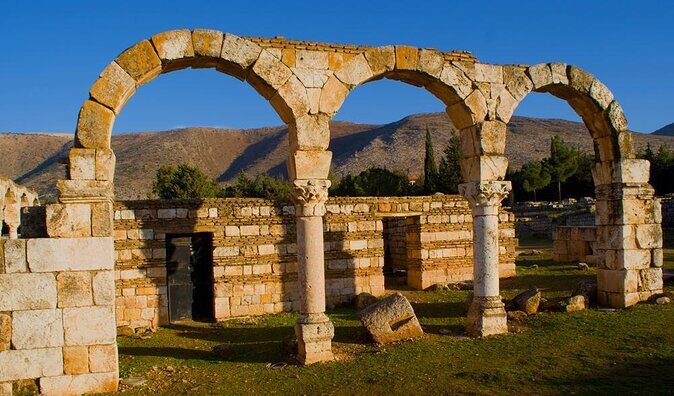
- Anjar Citadel: UNESCO Umayyad ruins and the palace of arches
- What to watch for
- Private guide and driver: how this day stays comfortable
- Price and value: is $90 per person a fair deal?
- Who this tour suits best
- What you can do to make the most of the day
- Should you book this Baalbek, Anjar and Ksara full-day tour from Beirut?
- FAQ
- What is the duration of the Baalbek, Anjar and Ksara guided tour from Beirut?
- Do I get hotel pickup in Beirut?
- Is this a private tour?
- What is included in the tour price?
- Are admission tickets included for Baalbek, Ksara, and Anjar?
- What are the main stops on the itinerary?
- How long do you spend at each stop?
- What days and times does the tour operate?
- Is there a cancellation option if plans change?
Key things to know before you go
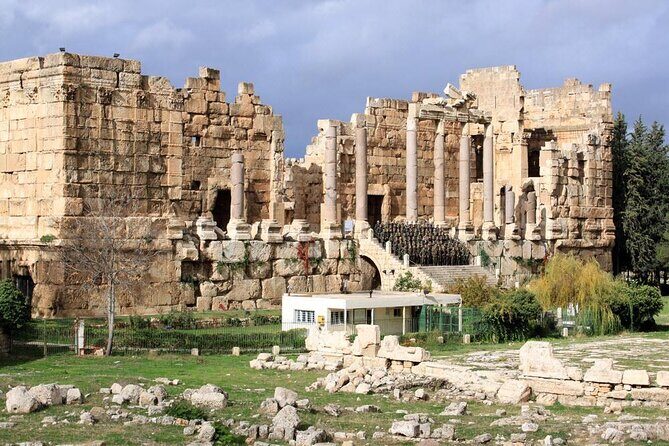
- Baalbek’s scale is the point: Jupiter temple context plus massive surviving Corinthian columns
- Three Roman gods in one site: Jupiter, Bacchus, and Venus share the same Baalbek-Heliopolis complex
- Ksara Winery has Jesuit-era roots: a 19th-century winery tied to Jesuit priests
- Wine tasting is built in: you’ll tour vineyards/cellar and sample dry wines
- Anjar is UNESCO-listed: Umayyad Caliphate ruins with arches and a palace
- A real guide makes the day: Rouba is praised for knowledge, kindness, and excellent driving
Why Baalbek, Ksara, and Anjar make one smart full day
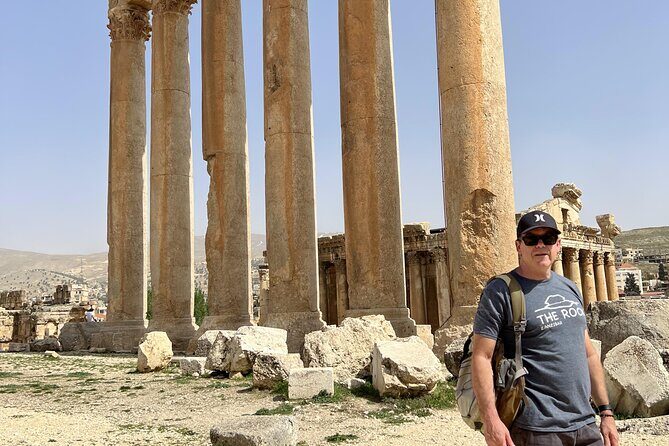
If you like history that you can actually see with your own eyes, this route works because it groups three eras without making you bounce around aimlessly. Baalbek brings the Roman world with its monumental temple complex; Ksara takes you into Lebanon’s wine culture; and Anjar gives you an Islamic-era contrast through UNESCO-listed Umayyad ruins.
The driving portion also matters. Your route cuts through the Beqaa Valley, the prime agricultural region of Lebanon, with fields, vines, and villages spread between Mount Lebanon and the Anti-Lebanon mountains. Even before you reach the first site, you get a feel for why this valley can support vineyards and why so many civilizations wanted to be here.
And the day is built around guidance. You’re not just dropped at three places; a tour leader helps with navigation and explains what you’re looking at, plus offers local recommendations along the way.
You can also read our reviews of more guided tours in Beirut
Beirut pickup and the road into the Beqaa Valley
You start in Beirut with pickup from your hotel, and you’ll ride in a private, modern vehicle with a dedicated driver. That’s a big quality-of-life factor on a 9-hour day. When roads twist toward the valley, it’s nice when someone else handles the timing and the turns.
The drive gives you more than just transit time. You’re crossing through Lebanon’s agricultural heart, so the scenery shifts from urban Beirut into open farmland and village life. This helps you understand the geography behind the sites: Baalbek and Anjar aren’t random stops; they sit in a corridor that has long connected trade, farming, and empire.
Practical tip: plan for a full day of sightseeing and walking. Even if you’re not a long-distance hiker, temples and ruins tend to mean uneven surfaces, sun exposure, and time spent looking upward at big stone details.
Baalbek temples: the Roman complex that feels unreal in person
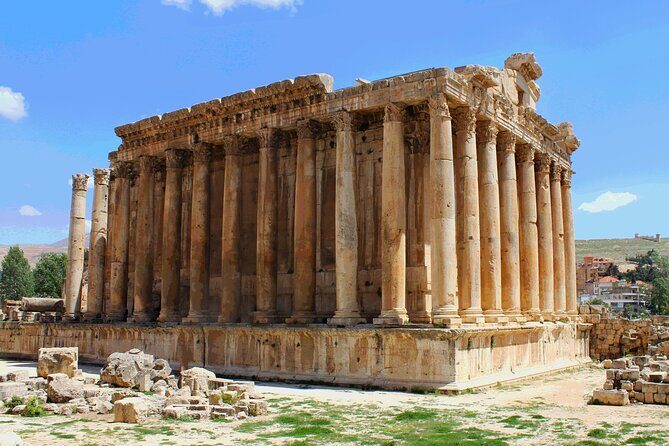
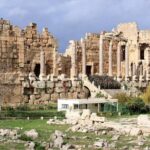
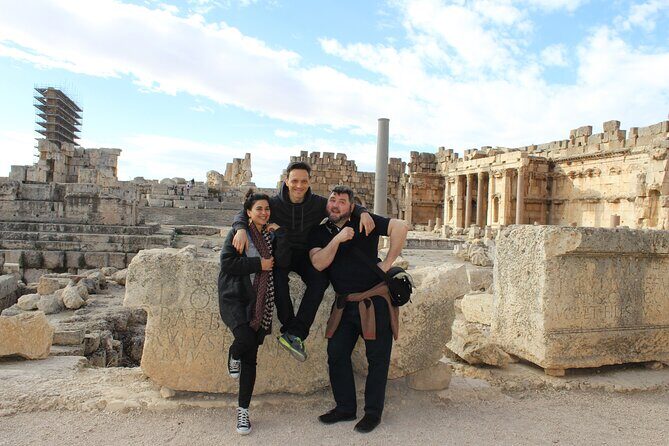
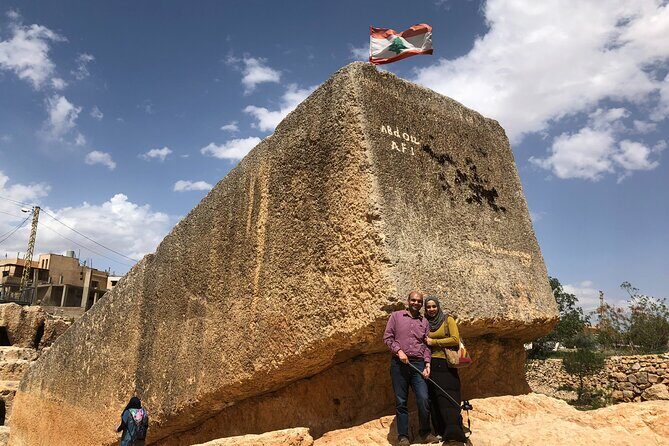
Stop 1 is the Temples of Baalbek-Heliopolis, dedicated to Jupiter, Bacchus, and Venus. This is the largest and best-preserved Roman architecture left around, and the scale is hard to translate until you’re there.
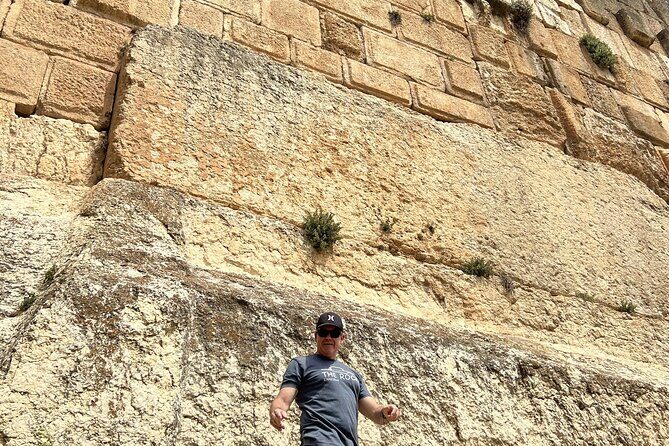
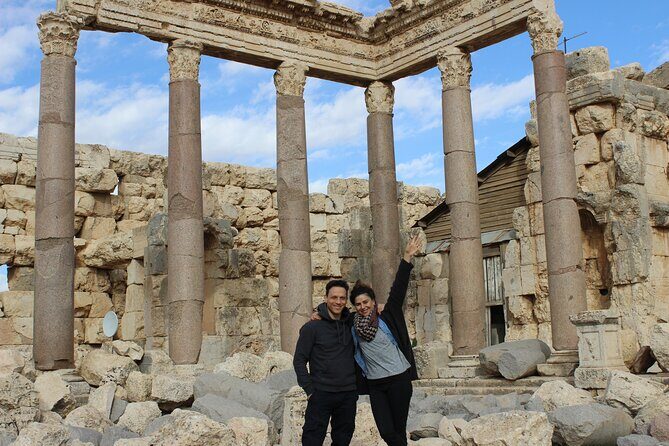
What I’d focus on first is the Jupiter Temple. It’s not only presented as the largest Roman temple in the world; the description also highlights the size of the pillars themselves—granite and limestone columns with jaw-dropping proportions. The tour point you toward the surviving Corinthian columns: six columns that remain of 54 originally, each said to be around 20 meters tall and about 2.5 meters in diameter. Even if you’ve seen photos, your brain will still struggle with the math of how this was built.
Why this stop feels worth the time
You get about 2 hours here. That’s enough time to:
- take in the big-picture layout (temple complex scale)
- zoom in on the surviving column details
- read the story the guide is telling as you move from one focus to the next
Admission is not included, so budget for a ticket separately. Also, consider the time of day you arrive. Roman stone can heat up fast, and you’ll want to pace yourself so your photos don’t turn into a sprint.
A drawback to plan around
The main limitation is simple: 2 hours can go by quickly when you’re staring up at columns and trying to absorb the context. If you want a slow, museum-style visit with reading time, you may feel a little rushed unless your guide adjusts the pace.
A few more Beirut tours and experiences worth a look

Ksara Chateau: wine country with a 19th-century backstory
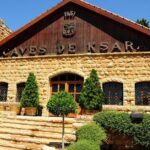
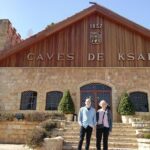
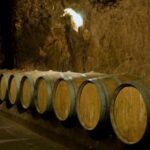
Stop 2 is Chateau Ksara, Lebanon’s best-known winery experience in many visitor itineraries. This visit is built around a guided tour through vineyards and cellars, with time to learn about winemaking and then sample wines.
Here’s what makes Ksara more than just a quick tasting. It’s described as a 19th-century winery established by Jesuit priests and noted as the oldest of its kind in Lebanon. That religious-to-viticulture link gives you a different lens on what the winery represents: it’s not just a modern tasting room, it’s a long-running institution tied to land, tradition, and production.
You’ll also get the taste payoff. The program includes a sampling of world-famous dry wines. The stop runs about 45 minutes, and that short duration is actually a plus if you’re on a packed day—you still get the wine experience without dragging the schedule into the evening.
Admission tickets are not included, so again, plan to pay that separately. And since the tasting is part of the visit, think about how you’ll handle alcohol later in the day—especially if you’re sensitive to it or you’re traveling with a packed itinerary.
Anjar Citadel: UNESCO Umayyad ruins and the palace of arches
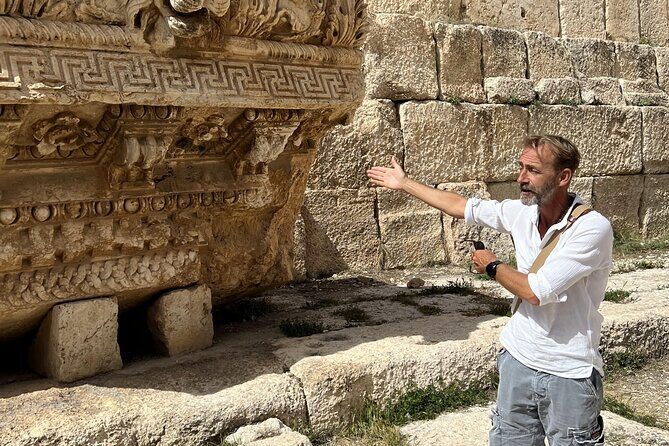
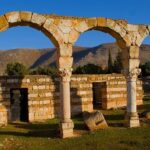
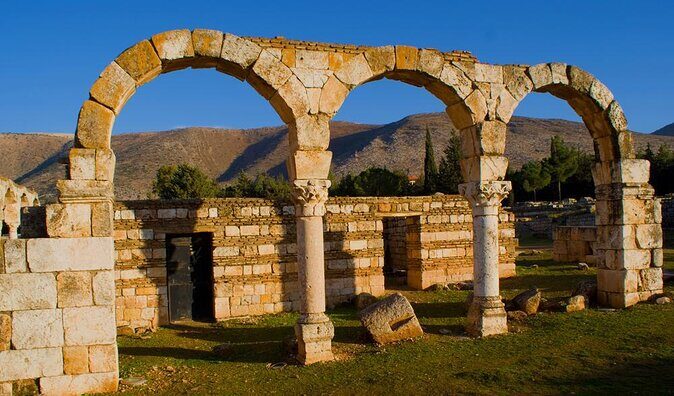
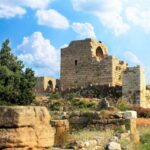
Stop 3 is Anjar Citadel, in the town of Anjar. This is your Islamic-history stop, and it adds a different architectural language to the day: arches, palatial layout, and the kind of stone planning that tells you a lot about political power.
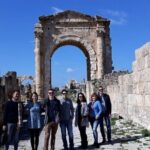
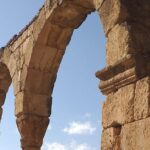
You’re visiting UNESCO-listed ruins dating to the Umayyad Caliphate from the 8th century. The key things your guide will likely point out are the impressive arches and the palace elements within the site. It’s one of those places where you can see how a city was designed for function and status at the same time.
This stop lasts about 1 hour, which means you get a focused walk rather than a long dig-through-the-site experience. It’s great if you want a final “wow” moment and a clear story to end the day.
As with the other stops, admission tickets are not included.
What to watch for
Because Anjar is a ruins site, you’ll get the most from it if you keep moving and use the guide’s explanations to connect the arches and layout to the Umayyad period. If you stop too long without a mental storyline, it’s easy for ruins to blur together. A good guide helps you keep each section of stone tied to a specific meaning.
Private guide and driver: how this day stays comfortable
This is a private tour, meaning only your group participates. That matters more than people think on a full-day itinerary. Private touring gives you room to adjust without the “everyone must agree” problem, and it’s especially helpful on travel days where weather or energy levels can change.
A standout theme from experiences with this operator is the guidance style. Rouba comes up as a top example: professional, warm, easy to talk to, and very practiced at making complex sites feel understandable. She’s also noted as an excellent driver on mountain roads, which is the kind of detail you only appreciate when you’re actually on those roads.
The best practical benefit is pace control. When the guide is flexible, it lets you do the day your way—more time at the columns if you’re a history person, or quicker movement through sections if you’re more interested in the views and the overall story.
Price and value: is $90 per person a fair deal?
At $90 per person, the value comes from what’s bundled and what isn’t.
Here’s what you do get in the price:
- hotel pickup in Beirut
- a private modern vehicle
- a tour leader guiding you between major sites
- the full-day structure across Baalbek, Ksara, and Anjar
- wine tasting as part of the Ksara visit
Here’s what you should plan for separately:
- admission tickets aren’t included at Baalbek, Ksara, or Anjar
So the deal depends on whether you’re comfortable paying three separate entry fees. If you are, the pricing is reasonable for a guided full day with transport and a wine tasting included. If you want everything fully bundled, you’ll need to add the admissions cost on top and budget accordingly.
Also, you’re buying time. With a 9-hour day, a guided route helps you avoid the stress of coordinating transport between sites yourself. If your main goal is seeing these key places efficiently, the price-to-effort ratio can feel very fair.
Who this tour suits best
This tour is a great fit if you:
- want a first-timer-friendly Beqaa day with three headline stops
- care about both Roman and Umayyad-era history in one outing
- like the idea of pairing sightseeing with a real winery experience
- prefer a private setup rather than a crowded group bus
It may be less ideal if you:
- want long, slow museum-style time at ruins
- hate paying multiple site admissions on the same day
- prefer a completely independent trip where you control every stop from scratch
What you can do to make the most of the day
Since this is a full-day itinerary with set durations, your best strategy is to decide what you want more of: columns, wine, or arches. The guide can help you fine-tune the pace, but you’ll get the happiest day if you enter with priorities.
I also suggest bringing your best “ruins camera” habits: steady stance, angle changes, and patience. Baalbek’s column scale can tempt you to rush through. Slow down, look up, then look back for the overall composition. That’s when the site really clicks.
And for Ksara, treat the tasting like part of the story, not just a break. The tour through vineyards and cellars is your context for what you’re sipping.
Should you book this Baalbek, Anjar and Ksara full-day tour from Beirut?
I’d book it if your goal is to see major Beqaa highlights in one calm, guided day. The combination of Baalbek’s monumental Roman temples, Ksara’s wine culture with Jesuit-era roots, and Anjar’s UNESCO-listed Umayyad ruins is a smart mix, and the private format keeps it from feeling chaotic.
It’s also a good choice if you value the human side of touring. A guide like Rouba—known for professionalism, warmth, and helpful pace control—can turn a checklist day into a coherent story about Lebanon’s layers of history and why this valley still matters.
Just go in knowing the admissions aren’t included, and accept that the schedule is tight by design. If you’re okay with that, this is one of those Beirut-from-base days that gives you a lot of “I understand what I’m seeing” moments.
FAQ
What is the duration of the Baalbek, Anjar and Ksara guided tour from Beirut?
The tour runs for approximately 9 hours.
Do I get hotel pickup in Beirut?
Yes, pickup is offered from your hotel in Beirut.
Is this a private tour?
Yes. It is a private tour/activity, and only your group participates.
What is included in the tour price?
The tour includes private transportation, a guided experience, and a visit to Ksara with a wine tasting. Mobile ticket is mentioned as well.
Are admission tickets included for Baalbek, Ksara, and Anjar?
No. Admission tickets are not included for Baalbek temples, the Ksara winery visit, or the Anjar UNESCO ruins.
What are the main stops on the itinerary?
You visit the Temples of Baalbek, Chateau Ksara winery, and Anjar Citadel with UNESCO-listed Umayyad ruins.
How long do you spend at each stop?
Baalbek is about 2 hours, Ksara is about 45 minutes, and Anjar Citadel is about 1 hour.
What days and times does the tour operate?
The opening hours listed are Tuesday through Sunday, 8:00 AM to 5:00 PM.
Is there a cancellation option if plans change?
Yes. Free cancellation is available up to 24 hours in advance for a full refund.