REVIEW · BEIRUT
Tripoli City Lebanon Trip
Book on Viator →Operated by Zingy Ride · Bookable on Viator
Tripoli feels like a time machine with wheels. This day trip from Beirut is built around Tripoli’s biggest historic hits: the Citadel of Raymond de Saint-Gilles and the Great Mosque of Tripoli, both tied to eras that still shape the city’s look. You’ll also swing by an abandoned train station with a surprising connection to the Orient Express era.
I especially like that the hotel pickup and air-conditioned ride make the whole day easy, and the group stays small (max 15), so you’re not stuck in a huge crowd. One drawback to plan for: lunch and any entrance fees are not included, so you’ll want a little extra cash in your day-bag.
In This Review
- Key things to know before you go
- Tripoli Day Trip Setup From Beirut: What “8 Hours” Really Means
- Getting There Comfortably: Pickup, A/C, and a Small Group Feel
- Stop One: Tripoli’s Abandoned Train Station and the Orient Express Connection
- Tripoli Old Soul Market and the Great Mosque of Tripoli
- Citadel of Raymond de Saint-Gilles: Crusader Fortress Reality Check
- Soap Factory Stop: A Quick Taste of Craft Culture
- Food and Timing: What You Need to Budget For
- Price and Value: Is $45 a Good Deal for Tripoli?
- Who This Tour Fits Best (And Who Might Want Something Different)
- Practical Tips to Make Your Day Smoother
- Should You Book This Tripoli City Lebanon Trip?
- FAQ
- FAQ
- What is the duration of the Tripoli City Lebanon Trip?
- What time does the tour start?
- Where does the tour pick up and drop off?
- Is hotel pickup and drop-off included?
- How many people are in the group?
- Does the tour have an English/Arabic speaking guide or driver?
- Is lunch included in the price?
- Are entrance fees included?
- Do I get a mobile ticket?
- Can I get a refund if I cancel?
Key things to know before you go
- Small group (up to 15) means more breathing room at stops.
- Start time is 8:30 am with a full day return to the meeting point.
- English/Arabic speaking driver helps you get answers as you go.
- Top sights are walking-friendly, but you’ll still want comfy shoes.
- Entrance fees and lunch aren’t included, so budget for them.
Tripoli Day Trip Setup From Beirut: What “8 Hours” Really Means
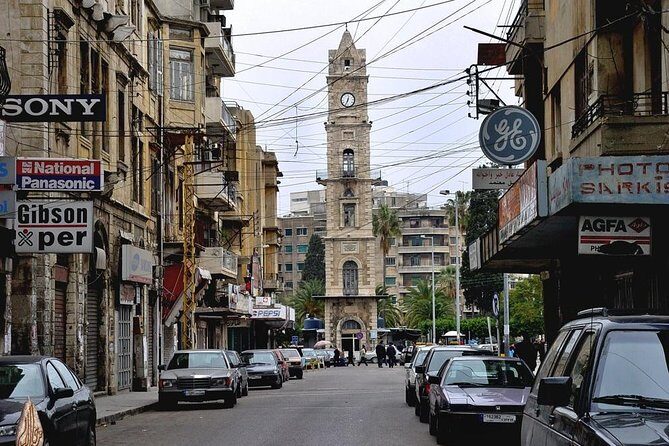
This is a classic Northern Lebanon day out: you leave Beirut early, drive up to Tripoli, and spend the morning and afternoon working through the city’s most recognizable landmarks. Tripoli is about 85 kilometers (53 miles) north of Beirut, and it’s Lebanon’s largest city in the north and second-largest overall. Even with a tight schedule, the itinerary is structured to give you a real sense of Tripoli rather than just passing by monuments.
The tour is priced at $45 per person, which is a solid value when you look at what’s included: air-conditioned vehicle, hotel pickup and drop-off, a driver who speaks English/Arabic, and parking fees. In other words, you’re paying mainly for transportation and guiding help, not a big buffet of expensive add-ons.
Two practical timing points matter. First: it starts at 8:30 am. Second: it ends back at the meeting point in Beirut. That makes it a great option if you want a day trip without dragging your plans across the whole evening. Just remember lunch is on you, so don’t build your hunger strategy on hope.
You can also read our reviews of more city tours in Beirut


Getting There Comfortably: Pickup, A/C, and a Small Group Feel
Tripoli tours can be stressful when the logistics are messy. Here, the “how do I get there” part is handled for you. You’re picked up from your hotel area (meeting point in Beirut), ride in an air-conditioned vehicle, and then return the same day.
The group size is capped at 15 travelers, which is the sweet spot for a city day trip. You can hear instructions, you’re less likely to get separated from the flow, and it’s easier to move as a team through busier market streets.
If you’re traveling solo, this setup is also handy: you still get the social benefit of a group, but you’re not stuck on a party bus. And because a mobile ticket is used, you’re not racing around trying to find a printer or a paper voucher.
Stop One: Tripoli’s Abandoned Train Station and the Orient Express Connection
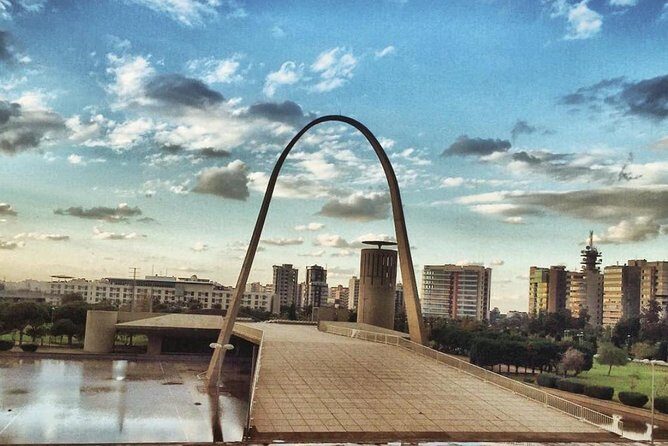
The day opens with one of the most atmospheric stops: the Tripoli Abandoned Train Station. It began operating in 1911 and was connected to the Syrian city of Homs by a single track. That detail matters because it explains why the station has always carried a sense of passage and in-between-ness—less like a grand terminal and more like a working link in a longer chain.
The station also had a special role in the early-to-mid 20th century. It formed the terminus of the Orient Express line in the 1920s, 1930s, and 1940s. Even if you’ve never tracked train lines in your life, that’s the kind of fact that changes how you see a place. You stop thinking of it as abandoned and start imagining the rhythm of arrivals and departures.
Then there’s the Beirut link: in 1945, Tripoli station was connected to Beirut’s central station at Mar Mikael. So this stop isn’t just about Tripoli. It’s about how Tripoli fit into regional travel routes—an old map lesson you can stand inside.
Practical note: since this is marked as part of the Tripoli portion (and the tour lists the area as around 5 hours for the main block), this stop sets the pace. If you’re someone who needs a slow start, show up early with water and keep your camera ready. The station has that “quiet drama” feel that’s best enjoyed without rushing.
Tripoli Old Soul Market and the Great Mosque of Tripoli
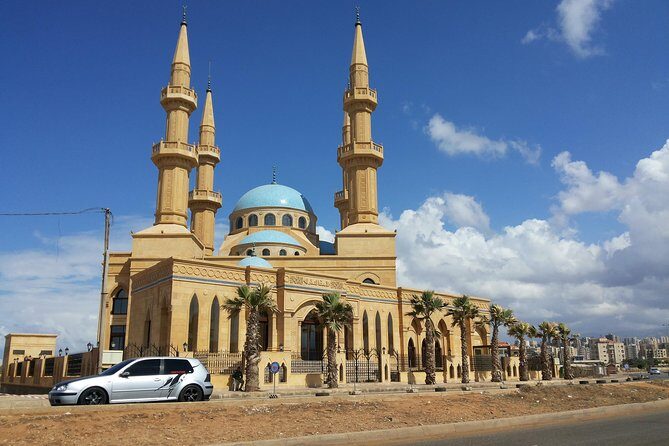
After the station, you head into the heart of daily city life at the Tripoli Old Soul (market) area. This is where the itinerary shifts from big historical structure to street-level Tripoli. You’re not just looking at buildings; you’re watching people sell merchandise and moving through the same kind of lanes locals use to get things done.
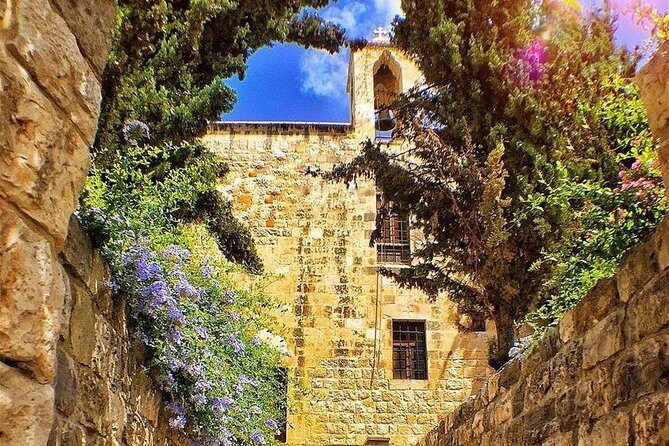
This market stop pairs well with the Great Mosque of Tripoli, built in the Mamluk period. The mosque is a key reminder that Tripoli’s story isn’t only Crusader-era or Ottoman-era vibes. Mamluk influence runs deep here, and Tripoli is famous for having the second largest amount of Mamluk architectural heritage in the world (behind Cairo). Even if you’re not a stone-nerd, seeing a Mamluk-era religious site gives you context for the city’s design language—proportions, details, and the way buildings hold onto their identity.
What I like about combining market + mosque is simple: you get meaning. A mosque isn’t just a photo stop. In this part of town, it sits where life continues around it, and the market is the human scale that keeps the historic scale from feeling distant.
One consideration: markets can be busy and sometimes loud. If you’re sensitive to crowds, plan to keep an eye on your pace and expect a bit of weaving through stalls.
Citadel of Raymond de Saint-Gilles: Crusader Fortress Reality Check
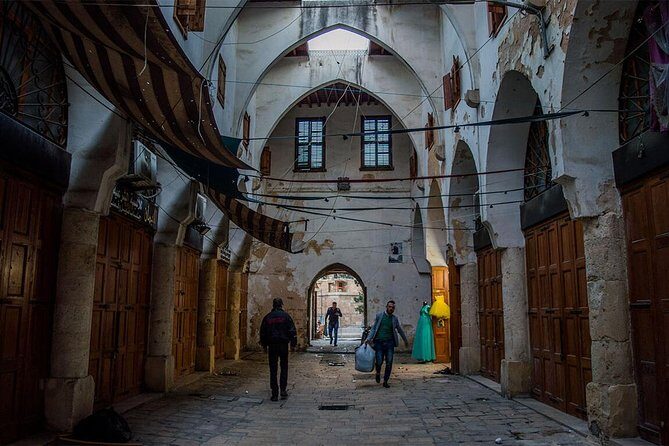
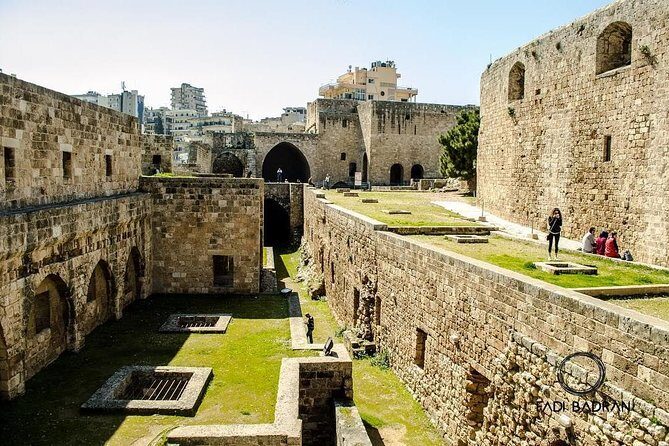
Next is the Citadel of Raymond de Saint-Gilles, built by Raymon de Saint-Gilles in 1103. This is Tripoli’s famed Crusader fortress, and it’s the kind of sight that rewards even a short visit because the structure is so visually legible—you get the defensive logic immediately.
The itinerary’s order also makes sense. You’ve already toured a Mamluk-era mosque and walked the market. Now you move to a fortress linked to the early medieval Crusader presence, and the city’s layers feel less abstract. Tripoli’s fame as a major historical crossroads stops being a trivia line and starts feeling real.
What to expect here is less about a museum-style experience and more about reading the place. Look at how the fort dominates the surroundings. Stand where you can get a clean view of the citadel’s mass and imagine it as a power center rather than a viewpoint platform.
This stop is one of the best reasons to book the tour at all. It’s the kind of landmark that feels like it belongs at the top of any Tripoli list, and it’s hard to replicate on your own without a lot of time and planning.




Soap Factory Stop: A Quick Taste of Craft Culture

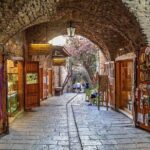
The day also includes a soap factory stop. The tour description notes you’ll pass by to the soap factory, which usually means it’s more of a brief look than a long workshop session. Still, this is a smart add-on because it shifts the focus from monuments to something tangible: how everyday products connect to local skills.
If you want the most value out of this stop, don’t just look for the prettiest bars. Ask what’s special about the ingredients or the process. Even when the visit is short, a small amount of context can turn a quick stop into a memorable story.
Since the tour data doesn’t spell out how long this part lasts, keep your expectations realistic. Treat it as a stop you can enjoy, not a guaranteed deep-dive into manufacturing.
Food and Timing: What You Need to Budget For
Lunch isn’t included. That’s the main scheduling gap to plan for. The tour runs about 8 hours, so you’ll want to either eat near the market area or find a simple meal before the afternoon runs you down.
Here’s where a practical mindset helps: bring water, keep a snack option, and don’t rely on the idea that you’ll have a full sit-down lunch at exactly the right moment. The tour covers multiple stops—train station, market, mosque, citadel, and a soap factory—so the day moves.
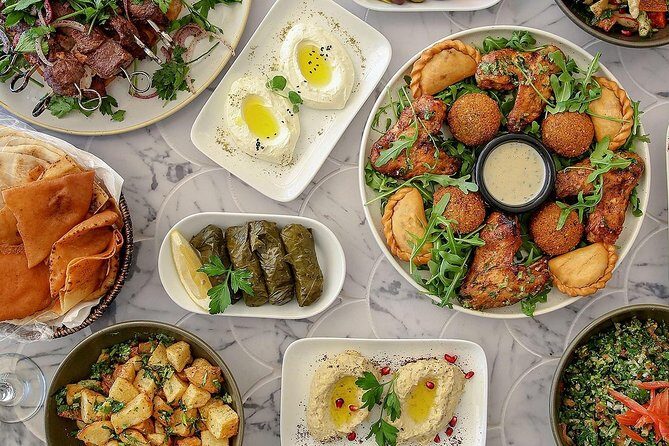
One of the standout points from past participants was the chance to try a traditional Tripoli-ian dish. That’s not listed as a formal included meal in the provided tour details, so I can’t promise it as a guaranteed stop. But if the group has a moment to sample local food, I’d treat it as a perk worth taking. When you’re in Tripoli, a small plate can be the best souvenir.
Price and Value: Is $45 a Good Deal for Tripoli?
At $45 per person, this trip looks affordable on paper, and the value holds up when you match price to what’s covered. You’re getting:
- Hotel pickup and drop-off
- Air-conditioned vehicle
- English/Arabic speaking driver
- Parking fees
- A full day route through Tripoli’s signature sites
What’s not included is equally important:
- Lunch
- Entrance fees
There’s also a note connected to the Tripoli portion that lists admission ticket free for that segment, but entrance fees are explicitly listed as not included overall. So the most honest approach is to assume you might pay at some sites depending on how charges are handled on the day. Budget a little extra just in case.
Still, even with a modest entrance-fee spend and lunch cost, this is likely to land at a reasonable total compared to doing the same day with taxis, private entry fees, and your own navigation headaches. The driver and the organized flow are doing real work for you.
Who This Tour Fits Best (And Who Might Want Something Different)
This Tripoli City day trip is a good match if you want:
- A high-impact historic day without planning chaos
- An organized route that includes mosque, fortress, market, and a historical rail landmark
- Convenient Beirut pickup and a return to the same starting area
It also fits well if you’re traveling with mixed interests—someone who likes monuments, someone who prefers street-level life, and someone who just wants a safe, easy day out with someone handling the driving.
If you’re looking for long stays at each site, a slow café day, or a deep museum-style explanation with lots of time inside buildings, this might feel a bit compact. The itinerary is built for coverage, not lingering.
Practical Tips to Make Your Day Smoother
A few things that help on trips like this in Tripoli:
- Wear comfortable shoes. You’ll move between sites and market lanes.
- Bring water. It’s a long day from 8:30 am onward.
- Bring cash for lunch/possible entrance fees. Lunch isn’t included, and entrance fees aren’t included.
- If you care about food, ask early if there’s time to try something traditional.
And one more thing: keep your schedule flexible in your head. A structured tour still runs on real-world timing. The best mindset is calm and observant.
Should You Book This Tripoli City Lebanon Trip?
I’d recommend booking if you’re visiting Beirut and you want a real Tripoli snapshot with minimal hassle. The pricing makes sense for the included transportation and guiding help, and the mix of sights is unusually well balanced: Crusader fortress at the citadel, Mamluk-era architecture at the mosque, everyday life in the market, and that unforgettable abandoned train station tied to the Orient Express timeline.
Skip it or look for an alternative if you dislike packed schedules or you want lunch and entrance fees handled for you. Since lunch isn’t included, you’ll have to manage your own meal plan.
If you want a straightforward, organized day trip where the logistics are handled and the sights are memorable, this is a strong choice.
FAQ
FAQ
What is the duration of the Tripoli City Lebanon Trip?
The tour is listed as approximately 8 hours.
What time does the tour start?
The start time is 8:30 am in Beirut, Lebanon.
Where does the tour pick up and drop off?
Pickup starts in Beirut, Lebanon, and the activity ends back at the meeting point.
Is hotel pickup and drop-off included?
Yes. Hotel pick-up & drop-off is included.
How many people are in the group?
The tour has a maximum of 15 travelers.
Does the tour have an English/Arabic speaking guide or driver?
Yes. An English / Arabic speaking driver is included.
Is lunch included in the price?
No, lunch is not included.
Are entrance fees included?
Entrance fees are not included.
Do I get a mobile ticket?
Yes, the tour includes a mobile ticket.
Can I get a refund if I cancel?
No. This experience is non-refundable and cannot be changed for any reason.