REVIEW · BEIRUT
Private Baalbek City Tour
Book on Viator →Operated by Zingy Ride · Bookable on Viator
Ancient giants, then a Lebanon wine pour. This private day takes you from Beirut to Baalbek and Anjar, with a professional chauffeur and certified guide, then ends at Chateau Ksara for a tutored tasting.
I like the door-to-door pickup and private rhythm, so you are not waiting on other people; and I love how Temple of Bacchus is framed in context, so your photos feel like more than just pretty ruins.
One drawback to plan for: lunch is on your own (own expense), and the day starts at 8:30am, which is great if you like getting things done early but rough if you’re not a morning person.
In This Review
- Key highlights
- Why Baalbek and Anjar are best as a private day from Beirut
- The 8:30am start: logistics that make the day feel easier
- Baalbek’s Roman Quarry and the Stone of the Pregnant Woman
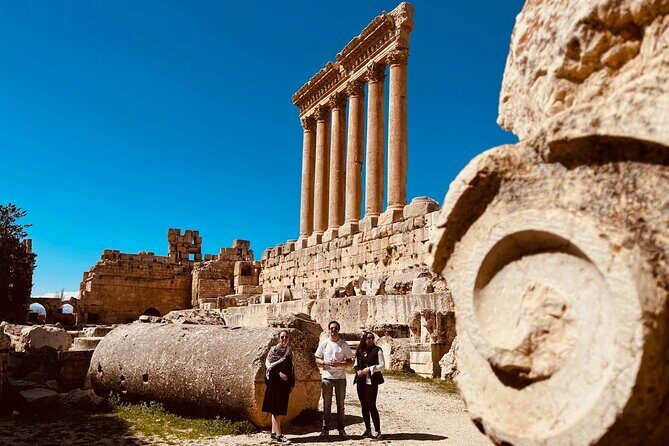
- Temple of Bacchus: where the ruins turn into a photo mission
- Anjar UNESCO: the 8th-century counterpoint to Rome
- Lunch on your own, then Chateau Ksara’s tutored wine tasting
- Price and what $105.13 per person actually buys you
- What to expect from the day’s pacing (and where you might feel rushed)
- Practical tips for your Baalbek–Anjar–Ksara day
- Who should book this tour
- Should you book Private Baalbek City Tour with Chateau Ksara wine tasting?
- FAQ
- FAQ
- How long is the Private Baalbek City Tour?
- Is pickup included, and do you return to the same place?
- Is this tour private or shared with other people?
- What UNESCO sites are included?
- What’s included for Baalbek admission and what isn’t?
- Can I cancel or change the booking?
Key highlights
- Door-to-door chauffeur + certified guide for your group only, no extra travelers
- Roman Quarry and Baalbek temples in one tight, guided block (about 2 hours)
- Temple of Bacchus photo time with clear explanations to match what you’re seeing
- Anjar UNESCO site for an 8th-century contrast after Greco-Roman Baalbek
- Tutored tasting at Chateau Ksara after lunch
- Admission ticket included for the Baalbek stop time block
Why Baalbek and Anjar are best as a private day from Beirut
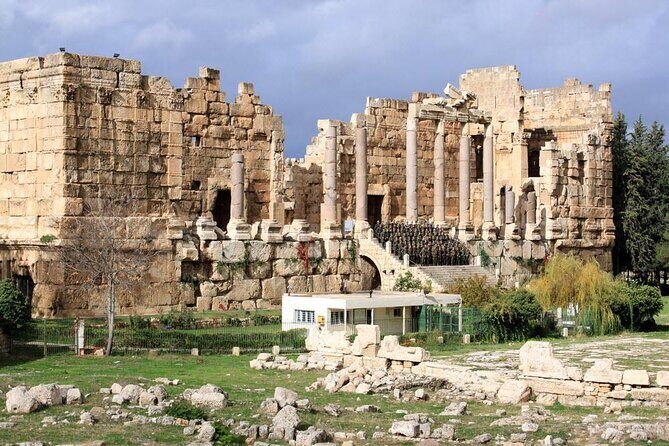
Baalbek and Anjar sit at opposite ends of Lebanon’s “how do we want to see the past?” question. Baalbek is huge, dramatic, and unmistakably Roman. Anjar adds a later layer—still UNESCO, still ancient—so the day doesn’t feel like one long repeat of the same vibe.
I also like that this is set up as a real day trip, not a long logistical project. You get a professional chauffeur and certified guide focused on your group, and the itinerary is designed to minimize wasted time. In a place where the road situation and checkpoints can make self-driving tiring fast, having someone else handle the driving is the difference between enjoying the day and spending it stressed.
You can also read our reviews of more city tours in Beirut

The 8:30am start: logistics that make the day feel easier
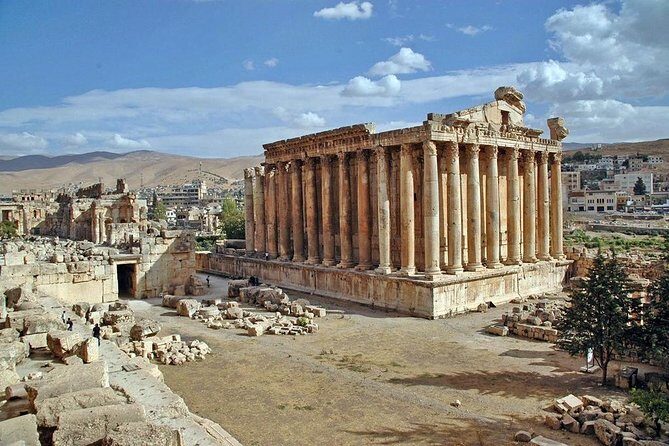
You’ll depart Beirut at 8:30am and return back to the meeting point by the end of the experience. That matters because Baalbek is much nicer when you have daylight and energy, not when you’re arriving after a slow morning.
A private chauffeur also helps with the reality of Lebanon travel: you get air-conditioned comfort, time-efficient routes, and a guide who can keep the day moving without constantly renegotiating what happens next. In past experiences with this provider, riders have praised drivers for being polite and helpful, and one note that came up more than once is simple comfort touches like air-con, water, and even Arabic coffee during the drive—small things, but they take the edge off a long, warm day.
Baalbek’s Roman Quarry and the Stone of the Pregnant Woman
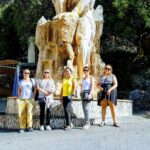
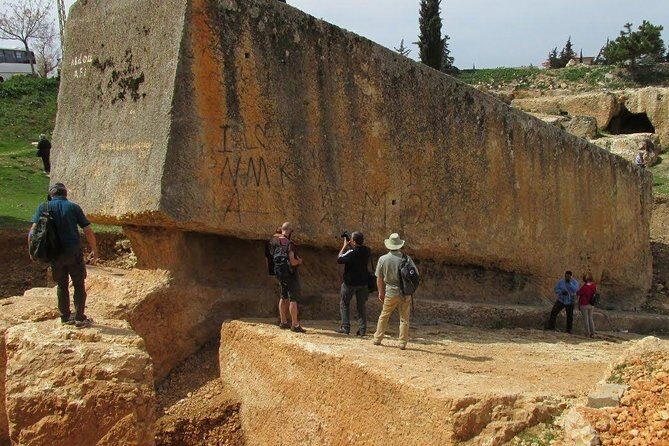
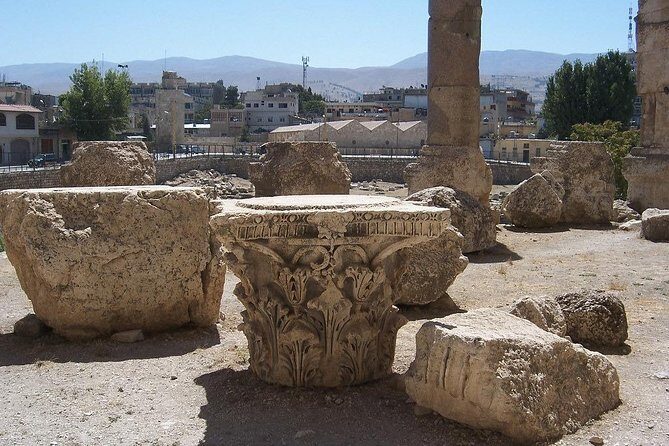
Your first UNESCO stop centers on Baalbek’s Roman-era setting, starting with the Roman Quarry, often called the stone of the pregnant woman. This is where the story turns from ruins-as-a-view into ruins-as-engineering. You’re not just looking at structures; you’re seeing the material origin behind the monument scale.
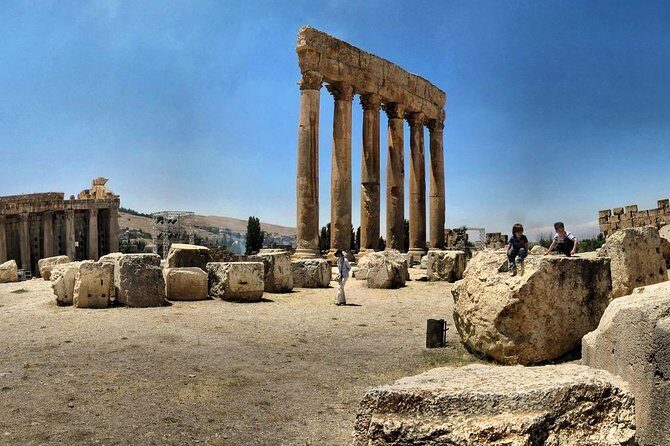
Then you move into the Temples of Baalbek area. The time block for this portion is listed at about 2 hours, and admission is included for that stop period. Expect a guided walk that connects what you see with what it meant—why these temples were built, how they fit into the Roman world, and what makes Baalbek so famous beyond being old.
Practical tip: wear shoes you can walk in comfortably. Even when the walking is not extreme, you’ll be on uneven stone and you’ll want stable footing for photos.
Temple of Bacchus: where the ruins turn into a photo mission
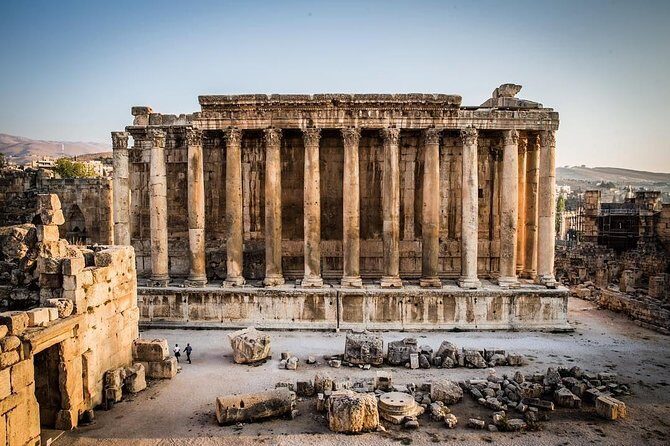
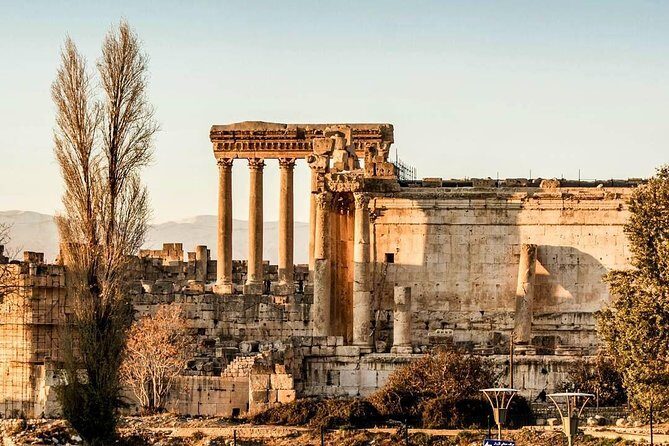
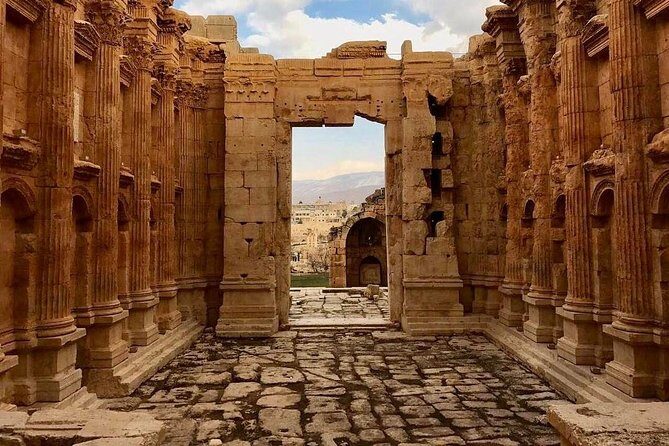
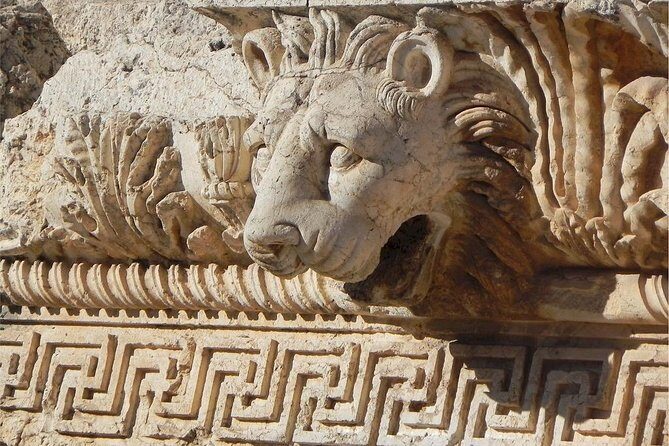
Baalbek’s temples are part of what makes the site famous: you’ll hear about the triad of Roman gods tied to the grand complexes—Jupiter, Bacchus, and Venus. And the day’s “wow” moment often lands at the Temple of Bacchus, one of the best-preserved parts of the site.
What I like about going with a guide is that it helps you see the temple, not just observe it. When you understand the layout and the purpose, the details become easier to spot: where your eye should go, what architectural elements matter, and why certain views look the way they do.
If timing works and you can travel on a Friday, plan for the call to prayer you may hear on site. It’s not a guaranteed schedule-based promise, but it’s an option that can add an extra layer to the atmosphere—something you feel as you stand in the middle of ancient stone.
Anjar UNESCO: the 8th-century counterpoint to Rome
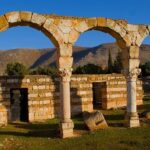
After Baalbek, the tour shifts to Anjar, the other UNESCO site on this itinerary. The key value of including Anjar in the same day is contrast. You’re going from Greco-Roman grandeur to an 8th-century chapter that changes the tone of the whole trip.
I’d think of Anjar as the mental palate cleanser: it keeps you engaged because the architecture and era do not blur into one another. A good guide helps you connect the dots—what changed over time, what stayed important, and why UNESCO lists this place too.
Because your time is limited in a one-day format, you won’t want to treat this as a slow museum browse. Instead, aim to visit with questions ready: What does an 8th-century UNESCO site feel like compared with Roman temples? How do you read the remaining structures? Having that mindset makes the shorter time slot feel like real learning instead of rushing.
You can also read our reviews of more private tours in Beirut
Lunch on your own, then Chateau Ksara’s tutored wine tasting
The schedule includes lunch at a local restaurant, but it’s own expense, so plan your budget accordingly. I like having lunch on your own because it gives you flexibility in taste and timing. You can also pick a spot close to where you’re headed next, rather than feeling locked into one fixed meal.
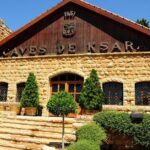
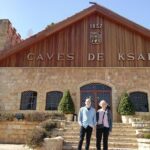
After lunch, you head to Chateau Ksara for a tutored wine experience. The key word here is tutored: this isn’t just the tasting room stop where you wander around and hope someone explains things. You get guidance that helps you connect what you’re drinking with Lebanon’s wine culture.
If you’re not a hardcore wine person, don’t worry. A good tasting is useful even if you only remember a couple of things: what grapes or styles you prefer, how to describe what you like, and how the region’s production differs from what you’re used to. And if you are into wine, you’ll likely enjoy the extra context that turns a sip into a story.
Price and what $105.13 per person actually buys you
At about $105.13 per person for an 8-hour private tour, the cost is mostly paying for three things:
- Private transport with a chauffeur (no sharing a van with strangers)
- A certified guide who explains both UNESCO stops and helps the day make sense
- Door-to-door pickup and drop-off back at the meeting point, so you don’t burn time on logistics
The value gets even clearer because this is not a “drive-by ruins” day. You’re building in interpretation at Baalbek and Anjar, plus an organized wine stop at Chateau Ksara. Also, admission is listed as included for the Baalbek portion (the ~2-hour site time block), which reduces one more random expense you’d otherwise plan for.
One note on timing: since it’s private, it can work out especially well if your group is small and you want a stress-free day. If you’re traveling solo, you may pay the same per-person rate but you still get the private service rather than squeezing into a larger group tour.
What to expect from the day’s pacing (and where you might feel rushed)
This tour is designed to fit a lot into one day: Baalbek sights, then Anjar, then lunch, then the Chateau Ksara wine tasting, with return back to Beirut. That’s the point, but it also means the pacing is efficient rather than slow.
Here’s how to avoid feeling rushed:
- Prioritize comfort items early (water, sun protection, comfy shoes).
- Plan to take photos in short bursts. Don’t try to do every angle at every stop.
- Let the guide set the order of what you look at first, then circle back only if it matters to you.
In other words, treat it like a well-run highlight tour with expert context—not a full-day dig site with endless time.
Practical tips for your Baalbek–Anjar–Ksara day
If you want the day to feel smooth, here are a few things I’d do before you go:
- Bring cash for lunch and any extra purchases. Lunch is own expense, and you’ll likely want options for a meal that matches your taste.
- Dress for sun and stone. Expect outdoor walking and bright conditions, especially if you’re shooting photos at the temples.
- Charge your phone/camera the night before. You’ll want battery for Temple of Bacchus photos and quick captures around the sites.
- Use the guide’s explanations actively. If you see a detail and wonder what it is, ask. Guides (like Ali, Hassan, Robin, Hamza, or Madhi, depending on your group) have been praised for being friendly and helpful, and for making the history understandable without turning it into a lecture.
- Friday travel can add atmosphere. If your schedule allows, you may catch longer call-to-prayer moments that add mood while you’re in the temples.
Who should book this tour
This tour fits best if you want:
- A stress-free driving plan from Beirut, with a chauffeur instead of handling Lebanon roads yourself
- Two UNESCO sites in one day, without turning the trip into a logistics puzzle
- A guided experience at Baalbek and Anjar, plus a structured wine stop rather than a random winery drive-by
- A private setup where it’s just your group
It may be less ideal if you want lots of free time to wander without direction, or if you strongly prefer lunch included in the price.
Should you book Private Baalbek City Tour with Chateau Ksara wine tasting?
If you’re aiming for a single day that hits UNESCO highlights and ends with a tutored wine experience, I’d say this is a strong choice. The private chauffeur is the real value kicker: it turns a potentially exhausting drive day into one you can actually enjoy.
Book it if you’ll appreciate guided context at Baalbek (especially Temple of Bacchus and the Roman Quarry) and you want Anjar as an extra era, not just another stop on a checklist. Pass or compare if you need a long, unhurried schedule and you’d rather spend more time at fewer places.
FAQ
FAQ
How long is the Private Baalbek City Tour?
It’s listed at about 8 hours.
Is pickup included, and do you return to the same place?
Yes. Pickup is offered, and the experience ends back at the meeting point.
Is this tour private or shared with other people?
It’s private. Only your group participates.
What UNESCO sites are included?
The tour covers Baalbek (Greco-Roman) and Anjar (8th-century), both UNESCO World Heritage sites.
What’s included for Baalbek admission and what isn’t?
For the Baalbek stop time block (about 2 hours), admission ticket is included. Lunch is own expense.
Can I cancel or change the booking?
No. This experience is non-refundable and cannot be changed for any reason.