REVIEW · BEIRUT
Small-Group Tour with Lunch to Qadisha Valley, Bcharre and Cedars
Book on Viator →Operated by Beirut Airport Transfer · Bookable on Viator
You leave Beirut and step into saints’ shadows. This full-day small-group tour carries you through Qadisha Valley and Bcharre, then onto the Cedars of God and the Monastery of Saint Anthony the Great, high in the Mount Lebanon area. It’s the kind of day that feels like a living lesson—religion, art, and dramatic scenery all in one loop.
I love how much is included for the price: lunch plus admission tickets means you’re not doing math all day. I also like the small-group feel (max 15 people), which keeps the pace friendly and the questions coming.
One thing to consider: it’s an 8-hour day with multiple stops, and each place is timed—so you’ll enjoy the highlights, but you won’t linger for hours in one spot.
In This Review
- Key things that make this day trip work
- A Short Day Out of Beirut: What 8 Hours Buys You
- Price and Comfort: Lunch, A/C, and a Group That Stays Manageable
- Leaving Qadisha Valley’s Caves and Monasteries in Your Head
- Bcharre: Khalil Gibran’s Hometown and a Town of Churches
- The Gibran Museum: Art, Sketches, and Studio Life
- Cedars of God Forest: Bible References and 375 Trees
- Maronite Monastery of Saint Anthony the Great at 950 Meters
- How to Plan Your Day: Timing, Comfort, and What to Bring
- Should You Book This Qadisha Valley, Bcharre, and Cedars Tour?
- FAQ
- What time does the tour start?
- How long does the tour take?
- Is pickup included?
- Is there lunch?
- Are admission tickets included?
- How big is the group?
- What transportation is used?
- Do I need a ticket beforehand?
- What language is the guiding in?
- What is the cancellation policy?
Key things that make this day trip work
- Front-door Beirut pickup: You’re collected and returned right within Beirut’s city center.
- Lunch and admissions included: No surprise add-ons once you’re out of town.
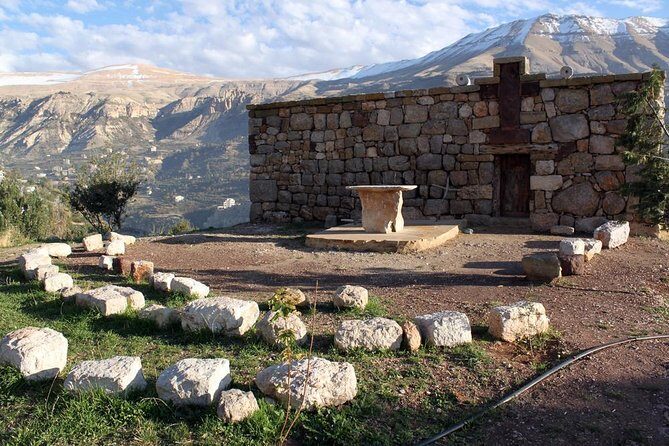
- Qadisha Valley’s early Christian caves and monasteries: Rugged settings tied to some of Christianity’s first monastic life.
- Bcharre’s mix of art and icons: Khalil Gibran’s hometown feel, plus a town known for churches.
- Cedars of God at eye level: Rare cedar growth, Bible references, and strong national symbolism.
- Monastery views from 950 meters: Pine, oak, fruit trees, and a valley view tied to hermit history.
A Short Day Out of Beirut: What 8 Hours Buys You
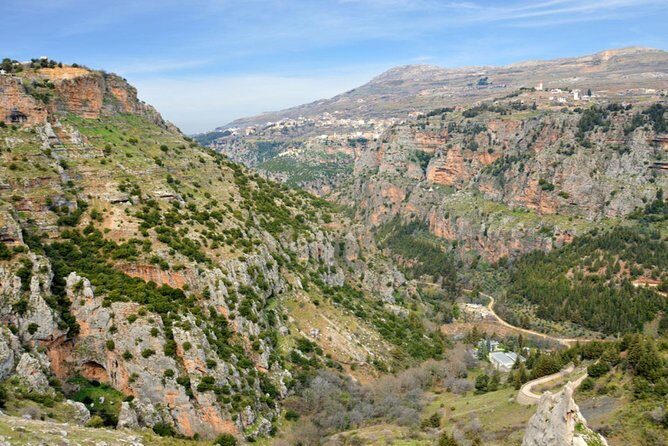
This is a classic Mount Lebanon day: you start in the city at 8:30am, then trade traffic and noise for steep valleys, stone worship sites, and forested viewpoints. The big win here is focus. You’re not hopping randomly—you’re moving through connected places that explain Lebanon’s religious roots and its famous cultural figures.
The timing is built for comfort: about 30 minutes in Bcharre and the Gibran Museum, 45 minutes in the Cedars of God, then 30 minutes at the monastery. You get enough time to walk, take photos, and hear the story without feeling rushed the whole way through. And because it’s a small group with an A/C vehicle, you’re not arriving at each stop sweaty and fried.
You’ll also notice the day’s rhythm has two modes. First, there’s the “listen and look” phase at cultural and historic sites. Then there’s the “pause and breathe” phase in the valleys and forests, where your phone starts acting like a metronome—click, click, click—because the views keep changing as you go higher.
A few more Beirut tours and experiences worth a look

Price and Comfort: Lunch, A/C, and a Group That Stays Manageable
At $60 per person, what makes this feel like real value is what you don’t have to pay for separately. You get air-conditioned transportation, entry/admission tickets, and lunch, and the itinerary is built around several major sights that would normally cost more when booked individually.
The comfort part matters in Lebanon’s mountain terrain. You’ll be in an A/C vehicle with an English-speaking driver, which is a big deal on a day that includes multiple elevations and changing scenery. Road time in a comfortable vehicle beats road time standing in line anywhere.
Also, the group size ceiling of 15 means you’re not crammed like luggage. You can hear directions, ask questions, and regroup without a constant scramble. One of the best practical benefits is that the tour includes front-door pickup and drop-off anywhere in Beirut’s city center, so you don’t need to coordinate taxis or figure out where the bus actually stops.
Leaving Qadisha Valley’s Caves and Monasteries in Your Head
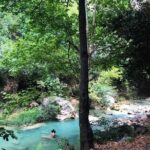
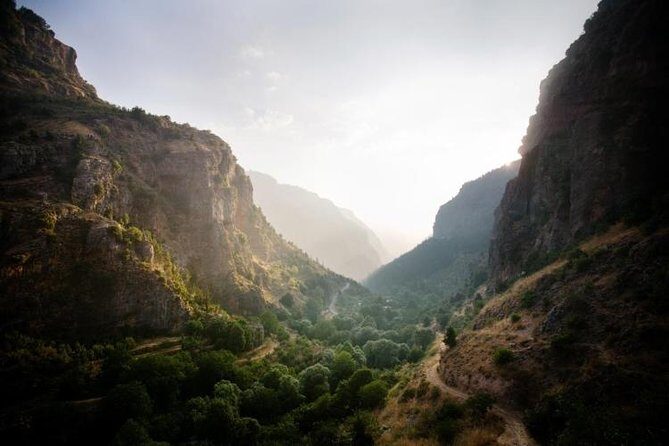
Qadisha Valley is one of the most important settlement areas connected to early Christian monastic life. What makes it special is that it isn’t just one building. It’s a whole rugged system of caves, monasteries, and cultivated terraces—set into extraordinary terrain.
As you arrive, the place helps you understand why hermits and early monks were drawn to this kind of environment: isolation without total abandonment. You get a sense of a spiritual landscape shaped by survival, prayer, and work. Even in a short visit, it’s the kind of location where your brain naturally shifts gears from sightseeing to meaning.
Practical tip: bring shoes you’re confident walking in. The valley setting is rugged, and even short stops can mean uneven ground and stone steps. Also, take a moment to look back at the way the valley is cut into the mountains. The views aren’t just pretty—they explain the whole story of how communities lived and worshipped there.
Bcharre: Khalil Gibran’s Hometown and a Town of Churches
Bcharre feels like a small place with big identity. You’re in the town connected to the birthplace of Khalil Gibran, and his legacy shows up immediately in the culture. You’ll see why people treat this area as more than a quick photo stop.
One neat detail: Bcharre is tied to the last preserved original Cedars of God. That connection sets up your next stop perfectly—you’re seeing the living symbol of Lebanon before you reach the cedar forest itself. The town is also known as the city of churches, with some 37 churches, so it’s not hard to spot how deeply faith shapes daily life here.
Then there’s the unexpected angle: Bcharre is associated with Lebanon’s earliest ski history, including the Cedars Ski Resort and Lebanon’s first ski lift built in 1953. Even if you’re not thinking about snow sports, it’s a reminder that this region changes with the season. If you’re traveling in colder months, you may be surprised at how winter can show up here.
You’ll typically have around 30 minutes on the ground, which is enough time to get oriented, appreciate the church density, and connect Gibran’s story to the town’s atmosphere.
The Gibran Museum: Art, Sketches, and Studio Life
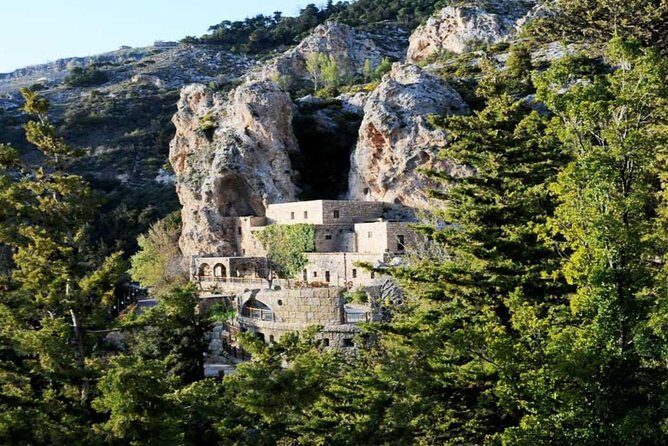
The Gibran Museum is more than a tribute poster. It’s housed in a building that used to be the Monastery of Mar Sarkis, so the site itself holds layers—spiritual architecture reimagined as an art space.
Inside, the museum is dedicated to the Lebanese writer, philosopher, and artist Kahlil Gibran (spelled with that Latin form in the museum’s presentation). It opened as a collection-focused museum in 1935, and it includes 440 original paintings and drawings. That’s not a small curated set—it’s a substantial body of work, which is one reason the visit can feel satisfying even when time is limited.
You’ll also find personal remnants: furniture and belongings from his New York studio life, plus private manuscripts. If you like learning how artists work—how the desk, the space, and the draft material shaped the final ideas—this section hits hard. It helps you move past the myth of the author and toward the actual person.
Expect about 30 minutes here. Don’t rush. Even a quick scan of drawings can give you a sense of how his style evolved, and that makes the later cedar and monastery stops feel less like separate sightseeing and more like one connected cultural day.


Cedars of God Forest: Bible References and 375 Trees
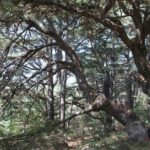
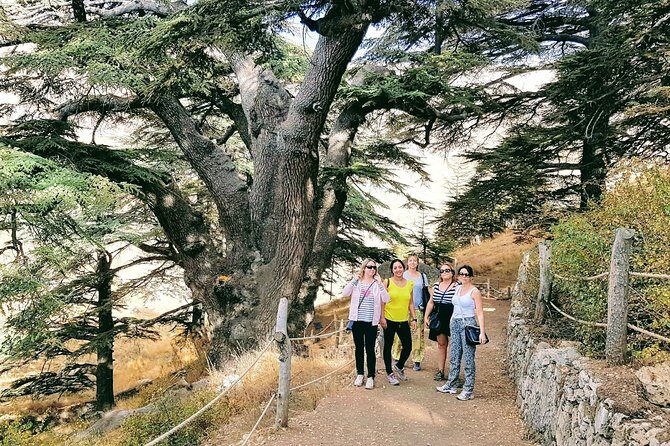
The Cedars of God forest is a rare thing: the last remains of antique cedar forests, with 375 trees still growing. In ancient times, cedars were prized construction material for major religious buildings—so these trees are tied to power, sacred architecture, and the long reach of history.
The cedar itself is also a national symbol, showing up on the Lebanese flag. It’s one of those rare symbols where you can stand in front of the real thing and feel the meaning more than just read it.
And then there’s the Bible link. Cedar is cited 103 times in the Bible. That’s not just trivia—it explains why these trees were never treated as ordinary timber. They became a language for permanence, worship, and identity.
You’ll get about 45 minutes at the forest. If you care about photos, this is your best time to slow down and look upward. Branch shapes, trunk textures, and light changes are what make cedar forests feel different from regular parks. If it’s a clear day, spend a minute looking at how the light filters through the canopy.
Maronite Monastery of Saint Anthony the Great at 950 Meters
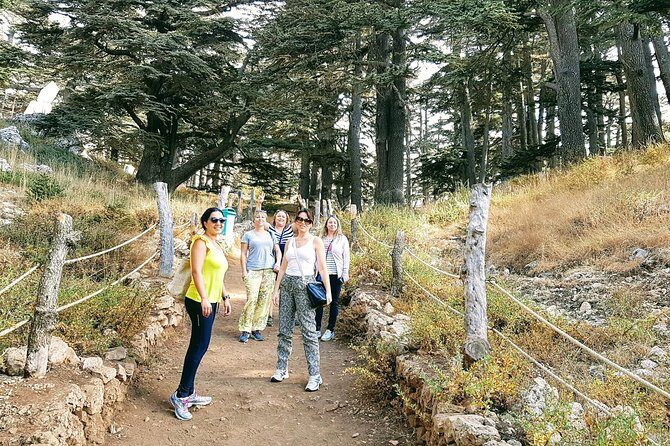
This monastery is high—about 950 meters above sea level—set in the Valley of Qozhaya. Even before you start reading history labels, the surroundings tell a story. Pine and oak cover the hills, and fruit trees grow across the valley, which extends into the Valley of Qannubin to form the larger Qadisha Valley.
The monastery is tied to Lebanon’s eremitic tradition. Historians and scholars suggest hermits were first occupying this area around the beginning of the fourth century. The site has been looted, set on fire, and razed more than once, but vestiges remain, including elements dating back to the seventh century.
This stop is a great one for understanding why places like this last. It’s not only architecture. It’s the way the setting supports solitude and contemplation, and how the valley system connects communities over time.
You’ll have about 30 minutes here. Short enough to keep the day moving, long enough to take in the views and appreciate the valley geography. If you’re sensitive to altitude or cool temperatures, bring a light layer—mountain air can feel sharper than Beirut.
How to Plan Your Day: Timing, Comfort, and What to Bring
Because this is a full day with multiple timed stops, planning is less about schedules and more about comfort choices.
Bring:
- Comfortable walking shoes for uneven terrain and stone paths
- A light layer, especially if you’re visiting when evenings cool down
- Sunglasses and water (even though lunch is included, you’ll still want hydration outdoors)
- Your camera, because the valley viewpoints and cedar trunks tend to steal attention fast
The pickup start at 8:30am means you’ll want an early breakfast plan. And since you’re getting returned to Beirut city center at the end, it’s easy to turn this into a full day trip without needing extra transportation.
If you’re traveling as a couple or with friends, the small-group setup makes it easy to keep the vibe relaxed. If you’re solo, it’s also a good match because you won’t feel like you’re waiting for someone to translate what you’re seeing.
Should You Book This Qadisha Valley, Bcharre, and Cedars Tour?
If you want a single day that connects early Christian roots, Khalil Gibran’s world, and Lebanon’s cedar symbolism, this tour is a smart pick. The combination of Qadisha Valley, Bcharre, the Cedars of God, and the Monastery of Saint Anthony gives you variety without random hopping, and the fact that lunch and admissions are included makes your budget feel clean.
I’d book it if:
- You’re short on time in Beirut but want to go far beyond the city
- You like guided context that makes sites easier to understand
- You prefer a small group (up to 15) instead of a big bus day
I’d think twice if:
- You hate a structured day where each place gets a set amount of time
- You want long stays for deep wandering and extended photos
Overall, it’s the kind of tour that earns its reputation because it balances comfort with real stops that matter.
FAQ
What time does the tour start?
The tour starts at 8:30am.
How long does the tour take?
The duration is about 8 hours.
Is pickup included?
Yes. You get hotel pickup and drop-off from anywhere within Beirut city center.
Is there lunch?
Yes. Lunch is included, described as an authentic Lebanese meal.
Are admission tickets included?
Yes. Entry/Admission to the sites is included in the tour price.
How big is the group?
This is a small-group tour with a maximum of 15 travelers.
What transportation is used?
You travel in an air-conditioned vehicle, with an English-speaking driver.
Do I need a ticket beforehand?
You’ll receive a mobile ticket.
What language is the guiding in?
The driver provides English-speaking guidance.
What is the cancellation policy?
You can cancel for a full refund up to 24 hours before the experience’s start time. After that point, the payment isn’t refundable.