REVIEW · BEIRUT
Jeita Grotto – Harissa – Byblos Tour (All Inclusive)
Book on Viator →Operated by Zingy Ride · Bookable on Viator
Morning cliffs, underground rivers, ancient streets. This all-day stoplight itinerary packs Lebanon’s big moments into one smooth circuit. You’ll ride through Jeita Grotto by cable car, train, and boat, then hit the Harissa heights for sweeping views, and finish in Byblos, one of the oldest still-lived-in places around.
I love that this tour is built for people with limited time: door-to-door pickup and an 8-hour plan that knocks out three major attractions without you having to figure out transport. I also like the pacing at the top spots: the Jeita Grotto segment is structured so you’re not just walking in the dark—you’re moving between the upper and lower caves and then going under the river cavern.
One caution: the on-the-ground experience can vary. If you’re hoping for long, history-heavy storytelling, know that some guides focus more on timing and group control than deep lectures, and Jeita Grotto can have a no-photo rule inside the caves.
In This Review
- Key highlights you’ll actually notice
- Why This 8-Hour Beirut Day Trip Works for Tight Schedules
- Jeita Grotto: Cable Car, Upper Caves, and the River Boat Ride
- Teleferique du Liban to Harissa: The 15-Minute Climb That Sets Up the Views
- Our Lady of Lebanon Shrine: What to Do in 45 Minutes
- Byblos in One Afternoon: Souq, Crusader Castle, Fossils, and the Old Port
- Transportation and Timing: Pickup, Small Groups, and a Real-Day Pace
- Price and Value: Is $85 a Smart Deal?
- Who This Tour Suits Best (and Who Might Want to Skip It)
- Should You Book This Jeita Grotto, Harissa, and Byblos Tour?
- FAQ
- What’s the duration of the tour?
- What time does the tour start?
- Is pickup offered from hotels in Beirut?
- How many people are in the group?
- Do I get a mobile ticket?
- What happens during the Jeita Grotto visit?
- Is the Teleferique du Liban ticket included?
- How much time is spent at Harissa?
- What will I see in Byblos?
- Is it possible to get a refund if I cancel?
Key highlights you’ll actually notice
- Three-part Jeita Grotto route: cable car up, train down, then a boat ride under the river cavern.
- Teleferique du Liban included: a 15-minute ride to Harissa with the ticket built in.
- Harissa shrine views in a short window: about 45 minutes at the hilltop complex.
- Byblos on one afternoon: old souq, Crusader Castle, Fish Fossils Museum, old port, and St Jean Marc Church.
- Small group cap (up to 15): makes the day feel more manageable than big bus tours.
Why This 8-Hour Beirut Day Trip Works for Tight Schedules
This tour is designed for the reality that many trips to Lebanon don’t include multiple free days for sightseeing. If your schedule is tight, you’ll still get the big-ticket combo: caves, coast-and-hills views, and ancient city walking.
The whole run is about 8 hours, starting at 8:30 am and returning back to where you meet. That matters because you’re not juggling multiple tickets, multiple drivers, or multiple meeting times across different neighborhoods.
It’s also a smart fit if you want a “see it, then move on” day. Jeita Grotto and Harissa are physical places—there’s stairs, platforms, and movement—so having a plan keeps you from wasting time and energy.
You can also read our reviews of more tours and experiences in Beirut.


Jeita Grotto: Cable Car, Upper Caves, and the River Boat Ride
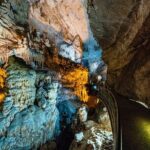
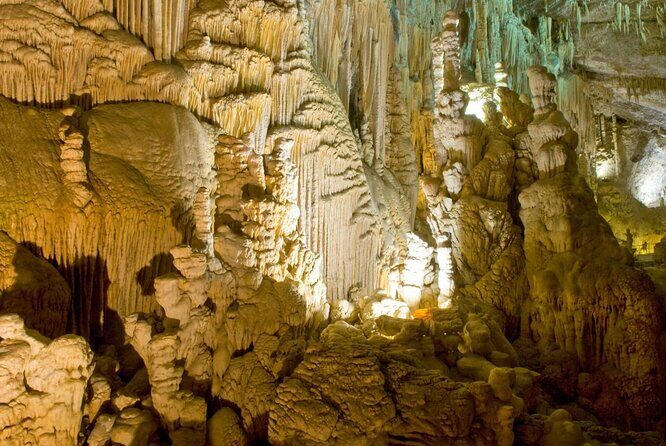
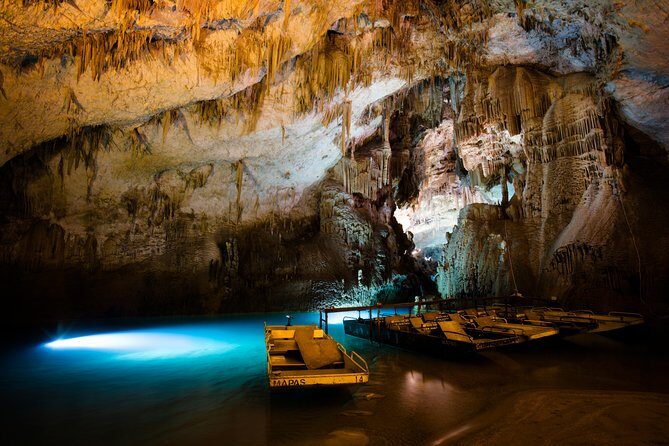
Jeita Grotto is one of Lebanon’s signature attractions, often described as the Middle East’s longest cave complex. The experience here starts with a scenic cable car ride up to the upper cave area, giving you a dramatic sense of scale before you even step deeper underground.
From the upper cave, you’ll explore the stalactites and stalagmites up close. This is where Jeita earns its reputation: the formations are dense, layered, and weird in the best way. It’s not a quick peek either—you get real time to look.
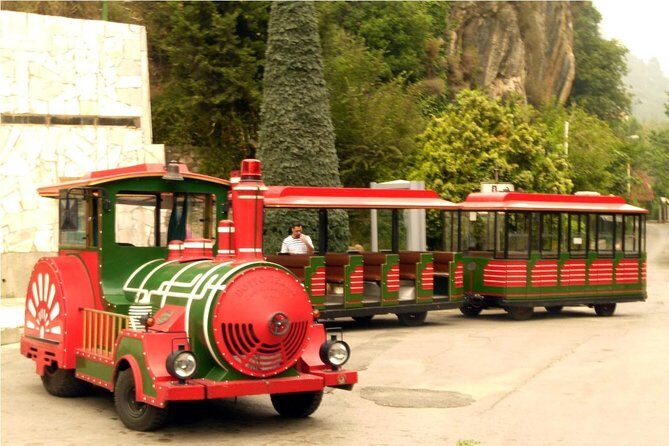
Then you switch gears. After the upper section, the route brings you down by train to the lower cave. That’s a key part of the design because it changes your point of view and keeps the day from feeling like one long, repetitive corridor.
The finale of the Jeita segment is the boat ride under the river cavern. This is the moment where the cave stops being just a walk-through and turns into a moving viewpoint. If you love water-and-rock scenery, this is the highlight of the whole cave run.
A practical note you should take seriously: the cave experience may have a no-photo policy inside Jeita Grotto. If photography is important to you, plan around that before you go, so you’re not stuck wishing you could capture the best angles.
Teleferique du Liban to Harissa: The 15-Minute Climb That Sets Up the Views
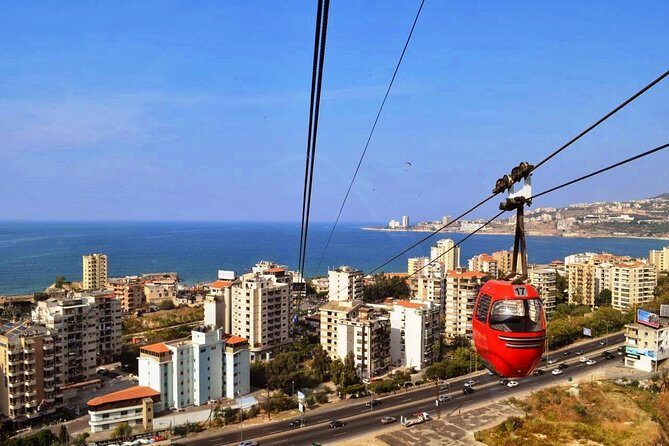
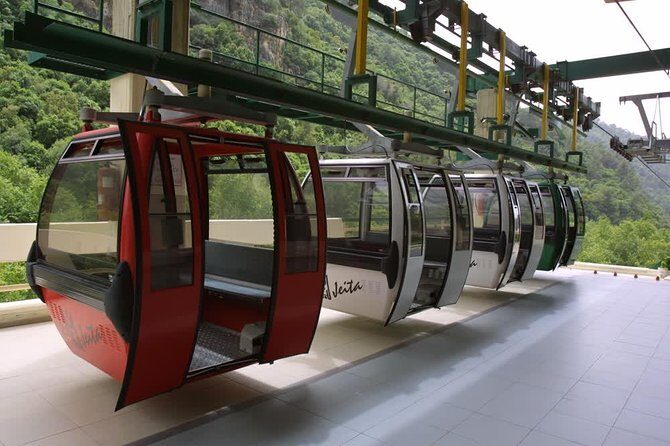
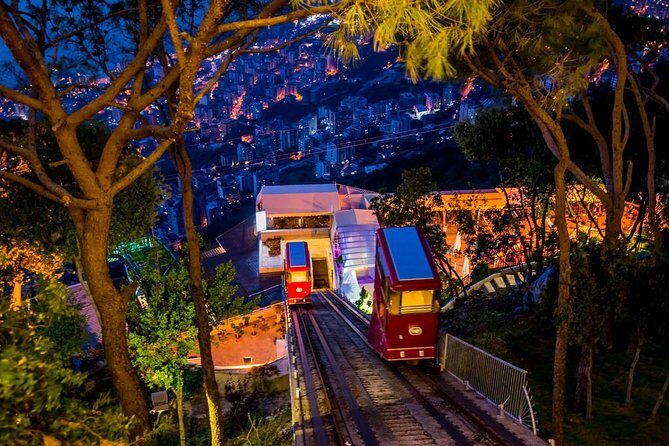
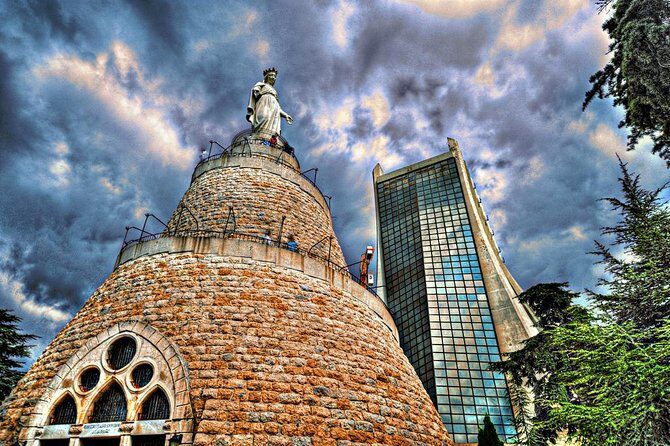
After the caves, the day pivots from underground cool to hilltop air. Next comes the Teleferique du Liban, a short ride that takes you up to Our Lady of Lebanon in Harissa.
You get about 15 minutes for this mountain ascent, and the ticket is listed as included. The fun part is the feeling of changing elevation quickly—views open up fast, and you start seeing the coastline and bay context that the next stop is famous for.
This is also a relief if you’ve been walking in cave corridors. A cable ride gives your legs a reset while still keeping the day active.
If you like scenic transport (and not just waiting at viewpoints), this is the kind of stop that makes the day feel like a tour, not a series of unrelated errands. One review specifically called out the cable car experience cutting through areas above busy highways—so expect the ride to feel real and dynamic, not like a slow, dreamy gondola.
Our Lady of Lebanon Shrine: What to Do in 45 Minutes
At Harissa, you’ll spend about 45 minutes at the shrine of Our Lady of Lebanon. The statue overlooks Jounieh Bay, and the view is described as similar in feeling to the Christ the Redeemer viewpoint over Rio—high, dramatic, and meant for panorama lovers.
What you’ll do in this time is largely about taking in the view, walking around the hilltop area, and getting your bearings. This isn’t a long museum stop. It’s a short, meaningful viewpoint break.
The shrine is also a place that helps you understand why this part of Lebanon is more than just “pretty scenery.” It’s a landmark with a position that turns the bay into something you can actually read from above.
If you’re the type who always wants one good photo, plan your timing carefully here. Harissa is short on time, so you’ll want to move quickly from viewpoint to viewpoint without getting stuck in a single angle too long.
Byblos in One Afternoon: Souq, Crusader Castle, Fossils, and the Old Port
Byblos is your final stop and it gets about 3 hours. This is the busiest walking segment of the day, but it’s also the most variety-packed.
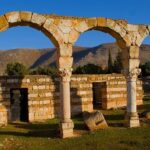
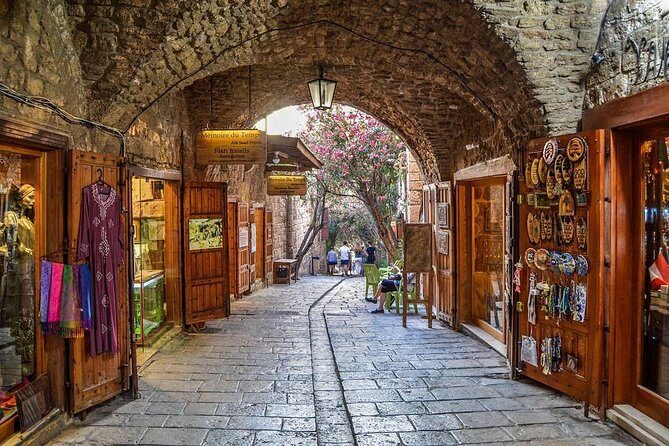
You’ll start with time to grab lunch, then you’ll explore Byblos, described as one of the oldest still-inhabited cities in the world, with roots traced back to around 8000 years B.C. Even if you don’t have the whole timeline in your head, the streets and layers make the history feel less like a textbook.
Here’s what you’ll typically cover:
- Old souq streets for atmosphere and browsing
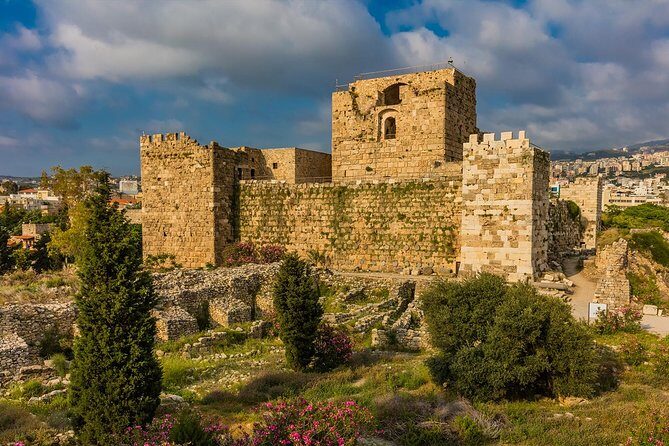
- Byblos Crusader Castle for fortress-scale views and structure
- Fish Fossils Museum for a surprising, science-meets-local-history detour
- The Byblos old port area to connect the city to its maritime past
- St Jean Marc Church for a final historic stop
This mix is why Byblos works so well at the end of the day. The caves were about nature forms. Harissa was about views and landmark symbolism. Byblos is about human layers—traders, builders, and changing cultures over centuries.
One downside to be aware of: the day ends after your Byblos time, so if you’re a serious shopper or you want to go deep into every building, you may wish you had more than 3 hours. But for most visitors, it’s the right amount to feel the city without burning out.





Transportation and Timing: Pickup, Small Groups, and a Real-Day Pace
This tour is positioned as private, with door-to-door air-conditioned transportation and pickup from your Beirut hotel. That removes the most stressful part of a day trip: getting to three separate locations efficiently.
The tour has a maximum of 15 travelers, which usually keeps the group from feeling huge. Smaller numbers also help when you’re moving through ticket checks and waiting for ride connections.
Your day begins at 8:30 am, and the itinerary is clearly structured by stop timing. That matters because Jeita Grotto and Harissa are not the kinds of places you can “wing” easily without losing time.
On guides: experiences can vary. One account noted a guide who mostly acted as a driver and scheduler, focusing more on counting participants and keeping to the program. On the other end, there’s a strong mention of Hamza as an engaging, informative guide who made every step feel clearer. If you care about the history, don’t be shy—ask questions during the car rides and before you walk into each site.
Also, you’ll use a mobile ticket. That’s a small thing, but it helps the day move along with less fumbling at entrances.
Price and Value: Is $85 a Smart Deal?
At $85 per person, the value depends on what you’d otherwise pay for transport and attraction time. This tour bundles the heavy hitters into one day and includes transportation, with key ride components and admissions listed as free or included.
From the provided info:
- Jeita Grotto admissions are listed as free
- Teleferique du Liban admission is included
- The Shrine of Our Lady of Lebanon entry is listed as free
- Byblos admission is listed as free
Even when admissions are free on paper, you’re still paying for the organized flow: a driver, scheduling, and guided movement between sites. Where the price feels fair is that you aren’t coordinating the routes yourself, and you’re not buying separate tickets and hoping connections line up.
You also get the practical benefit of time. Three major stops in one day is ideal if you’re short on days in Beirut. If you have plenty of time and you enjoy independent travel, you might find it cheaper on your own. But if convenience is your priority, $85 is a reasonable “time-saver” price.
One more value signal: bookings average about 5 days in advance, which suggests this isn’t a last-minute impulse type of tour. If you’re traveling in peak periods, you’ll likely want to lock it in earlier so your 8:30 am start is secured.
Who This Tour Suits Best (and Who Might Want to Skip It)
This is a good match if you:
- Want a tight sightseeing day from Beirut
- Like structured itineraries when you’re short on time
- Are comfortable with a mix of walking and moving between viewpoints
- Want big-name stops without the headache of planning transport
It’s also a solid choice for first-timers. Jeita Grotto introduces the region’s natural wonders. Harissa gives you a memorable hilltop landmark view. Byblos gives you city layers and a varied walk.
You might think twice if you:
- Hate strict schedules and prefer to roam slowly
- Really care about photo-taking inside caves (because Jeita may restrict photos)
- Want long, deep guided lectures at each stop (some guides focus more on logistics)
Should You Book This Jeita Grotto, Harissa, and Byblos Tour?
If your goal is to see Lebanon’s most famous highlights in one day, I’d say yes, book it. The combination of Jeita Grotto’s moving cave route, Harissa’s short-but-impressive viewpoint stop, and Byblos’ ancient-city walking is a strong use of time.
Book it especially if you don’t want to wrestle with transportation while you’re already on vacation. Door-to-door pickup, a small-group cap, and a clear start time make this feel like the kind of day trip that actually works.
Just go in with two expectations set: the pace is efficient, and Jeita may limit photography inside. If those points are fine with you, this tour is a very practical way to turn one Beirut morning into a cave-to-coast-to-ancient-streets day.
FAQ
What’s the duration of the tour?
The tour is listed as about 8 hours.
What time does the tour start?
It starts at 8:30 am in Beirut.
Is pickup offered from hotels in Beirut?
Yes. Door-to-door air-conditioned transportation is offered, with pickup and drop-off from your Beirut hotel.
How many people are in the group?
The maximum is 15 travelers.
Do I get a mobile ticket?
Yes, the tour includes a mobile ticket.
What happens during the Jeita Grotto visit?
You take a cable car to the upper caves, explore, then ride a train down to the lower caves and go on a boat ride under the river cavern.
Is the Teleferique du Liban ticket included?
Yes. The 15-minute ride up to Our Lady of Lebanon Harissa is included.
How much time is spent at Harissa?
You’ll have about 45 minutes at the Shrine of Our Lady of Lebanon.
What will I see in Byblos?
You’ll get time for lunch, then explore the old souq, Byblos Crusader Castle, Fish Fossils Museum, Byblos old port, and St Jean Marc Church.
Is it possible to get a refund if I cancel?
No. The experience is non-refundable and cannot be changed for any reason.