REVIEW · BEIRUT
Sightseeing all-inclusive Private Tour to Baalbek and Ksara
Book on Viator →Operated by Lebanon Tours · Bookable on Viator
Baalbek is the kind of place that turns your brain on. This private, all-inclusive day pairs guided Roman temples with a quick look at revered local sites, then finishes in the Beqaa Valley with a Château Ksara wine tasting.
I really like that you get round-trip hotel transfers and an air-conditioned private vehicle, so you’re not stuck juggling transit. I also like the structure: a solid 1.5 hours at Baalbek with a local guide, plus a Lebanese lunch and wine tasting already built in. One thing to consider is that you’ll be spending a good chunk of the day on the road from Beirut, so this is best if you want a full sight-and-sip outing rather than a slow wander.
Chances are you’ll come away with clearer context for what you’re seeing—especially when the guide explains why Baalbek’s Roman sanctuary grew around an older Phoenician cult. It’s an easy win for first-timers, and it still feels rewarding if you’ve already visited other Roman sites in the region.
In This Review
- Key things to love about this Baalbek and Ksara tour
- How this “private” format changes your day
- Getting out of Beirut: comfort, timing, and real-world logistics
- Entering Baalbek’s Roman sanctuary: what to look for during your guided 1.5 hours
- A practical way to get more from the ruins
- Sayyida Khawla shrine: the short stop that adds a human layer
- The Stone of the Pregnant Woman: a quick look at Roman monolith power
- What you should do with 15 minutes
- Adding Aanjar’s Umayyad Ruins on the way
- Château Ksara: wine tasting after temples is a smart ending
- How to get the most from a 1-hour tasting
- Lunch, wine, and entrance fees: where the value really comes from
- Who should book this tour (and who might skip it)
- Should you book the all-inclusive Baalbek and Ksara tour?
- FAQ
- What time does the tour start?
- Is hotel pickup included?
- How long is the tour?
- What’s included in the price?
- Will I visit Baalbek and Château Ksara during the same day?
- Is this tour private?
- Is there free cancellation?
Key things to love about this Baalbek and Ksara tour
- Hotel pickup and round-trip transfers in an air-conditioned private vehicle
- Baalbek entrance + local guide included for a focused 1 hour 30 minutes
- A simple, efficient mix of stops: Sayyida Khawla shrine and the Stone of the Pregnant Woman
- Lebanese lunch included, so you’re not hunting for food on the fly
- Château Ksara wine tasting in the Beqaa Valley, with the visit timed for a relaxed finale
- Private format so your guide can slow down or speed up for your group
How this “private” format changes your day
When you book a private tour, you’re buying time and attention. In a place like Baalbek, that matters. The ruins are impressive on their own, but a good guide helps you read them fast: what’s ceremonial, what’s architectural, and what you’re looking at when the stone scale feels almost unreal.
This tour is designed around that idea. You’ll have a tour leader, and you also get a local guide in Baalbek, which is the part that usually makes or breaks an antiquities day. Instead of rushing through photos, you get guided pacing at the main site while the rest of the itinerary stays efficient.
The vehicle is also part of the value. You’re traveling from Beirut to the Beqaa Valley region and back, and having air-conditioned private transportation helps you arrive in decent shape. Even better, pickup is offered, and the tour includes round-trip transfers, so you’re not doing the mental math of buses, taxis, and schedules.
You can also read our reviews of more private tours in Beirut
Getting out of Beirut: comfort, timing, and real-world logistics
The tour starts at 9:00 am, which is a smart time if you want the day to feel full but not panicked. It’s approximately 6 hours total, so you’re getting a full outing without needing a full-day commitment.
Here’s what the schedule implies for you:
- You’ll likely do the main site first (Baalbek), then move through shorter stops, and finish with wine.
- The short stops are short on purpose. They let you see key layers of meaning without turning the day into a marathon.
Because the tour is private, your driver and guide can handle small timing shifts, like a slower-than-expected entrance line or a longer conversation at a stop. That flexibility is one reason people choose private tours over DIY.
Entering Baalbek’s Roman sanctuary: what to look for during your guided 1.5 hours
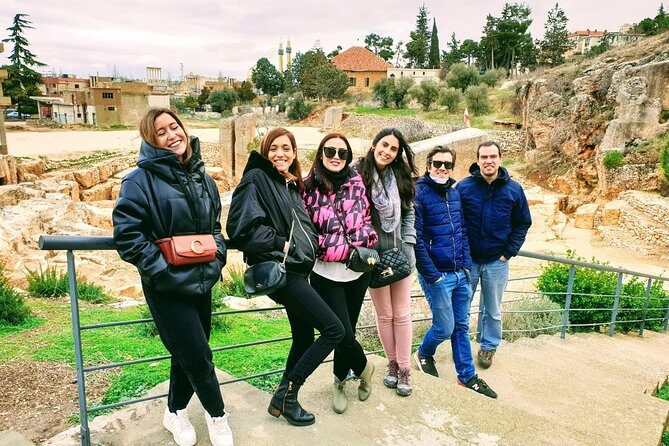
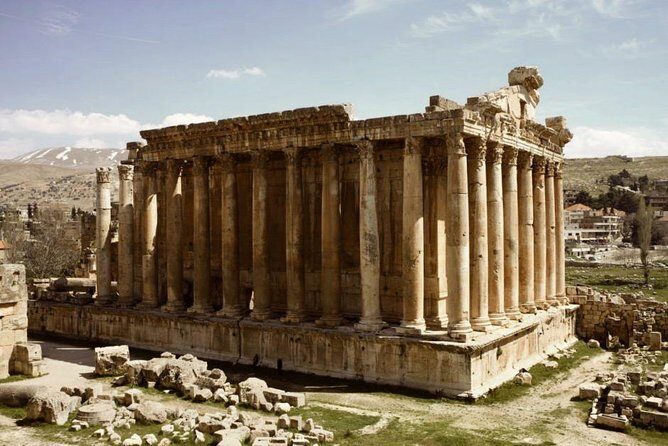
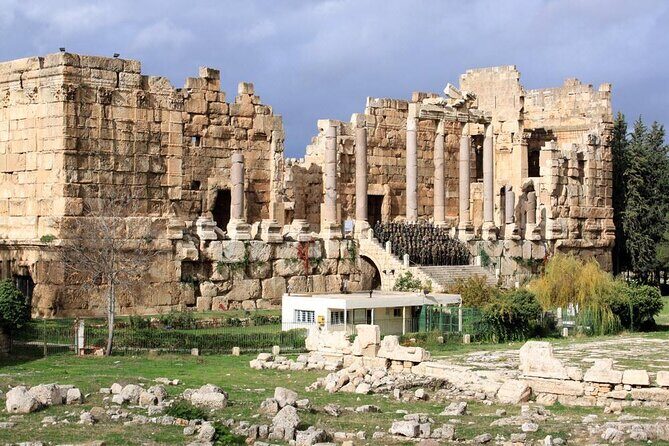
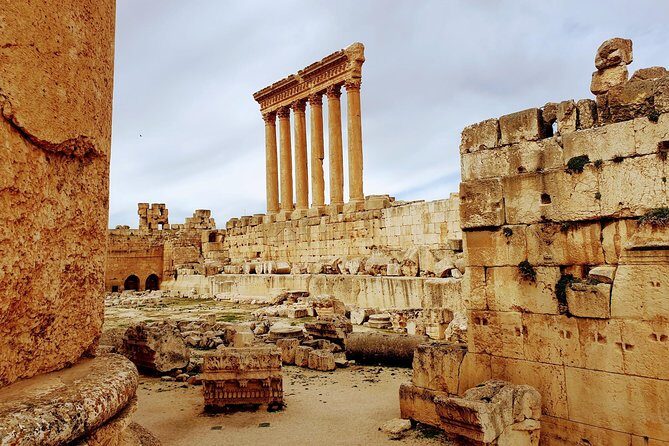
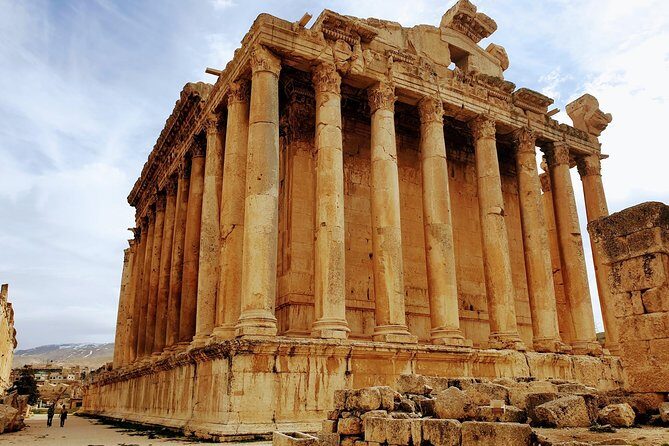
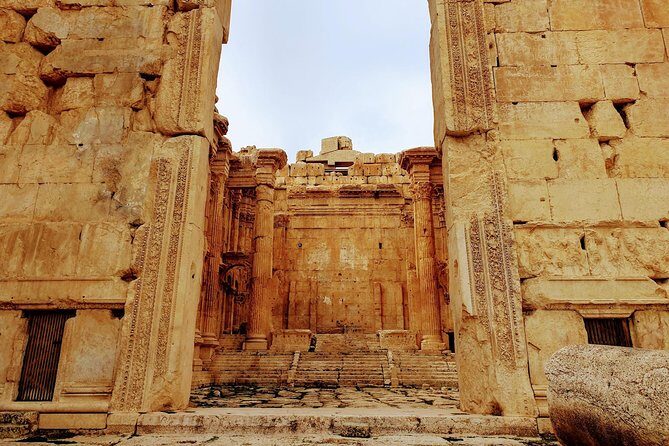
Your highlight time is the Temples of Baalbek, where you’ll spend about 1 hour 30 minutes and get admission included. This isn’t just a random set of big stones. Baalbek sits at the foot of the south-west slope of Anti-Lebanon, bordering the fertile Beqaa plain, at about 1,150 meters. That setting matters—this is a place that was strategically and culturally important long before Romans showed up.
In Roman times, Baalbek reached its peak. The guide’s context here is key: the complex’s colossal constructions were built over more than two centuries, and that long timeline is why the architecture feels so layered. You’re not seeing one moment frozen in time. You’re seeing an empire investing, expanding, and reworking a sanctuary over generations.
One of the most interesting parts is the religious logic. The Romanized triad of Heliopolis—Jupiter, Venus, and Bacchus—is tied to a fundamentally Phoenician cult. So when you’re looking at Roman temples, you’re also seeing a local belief system translated into Roman language and ritual.
A practical way to get more from the ruins
During your guided time, don’t treat the site like a checklist. Instead, focus on three things the guide can point out:
- Scale: the sheer size of the sanctuary works like propaganda
- Purpose: these were places for pilgrimage and veneration
- Time: construction and reuse across centuries
That’s how you end up with more than “it’s big.” You understand why it became so famous in the Roman world.
Sayyida Khawla shrine: the short stop that adds a human layer
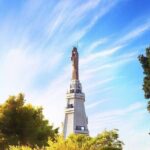
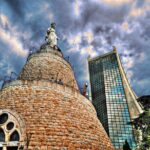
After Baalbek’s monumental scale, you’ll make a very brief stop at the Sayyida Khawla Shrine—about 5 minutes, and admission is free.
This is the moment when the day stops feeling like only architecture and becomes about people. The shrine is located on the site believed to be where Sayyida Khawla, the daughter of Imam al-Hussein (and grandson of the Prophet Muhammad), is buried. The local tradition adds another layer: when the caravan of captives of Karbala passed through Baalbek, Khawla is believed to have died and been buried there.
Even with such a short visit, this stop helps you understand how Baalbek remains meaningful centuries later. It’s a reminder that sacred sites rarely disappear. The names change. The empires change. The reverence often stays.

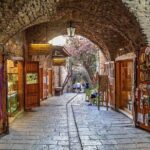

The Stone of the Pregnant Woman: a quick look at Roman monolith power
Next is the Stone of the Pregnant Woman, another free stop with about 15 minutes on the ground.
This one is pure size and engineering. It’s a worked Roman monolith, and together with another massive stone block nearby, it’s among the largest monoliths ever quarried. The story you take from this stop is not just that Romans had big stones—it’s that they planned for monumental temple building. These blocks were presumably meant for the nearby Roman temple complex, and the theme is monolithic gigantism on a scale that was rare even in antiquity.
What you should do with 15 minutes
Give your eyes a task:
- Look for the sheer scale compared with your own sense of distance
- Pay attention when the guide explains what these stones were meant for
- Don’t rush past the stone’s “worked” parts—those are the clues that it wasn’t just found, it was made
This is one of those stops where the guide’s explanation turns the photo into a real object with a purpose.
Adding Aanjar’s Umayyad Ruins on the way
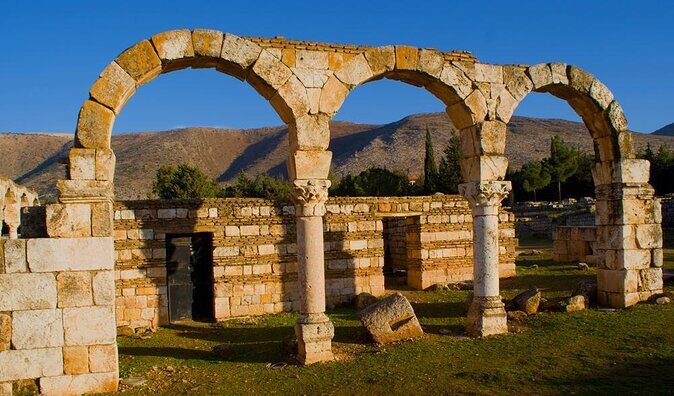
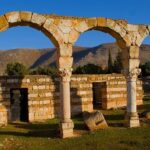
The tour is also designed to include Aanjar to see the Umayyad Ruins. Even if the day’s calendar gives Baalbek the longest time, this is a valuable add-on because it broadens the story beyond the Roman layer.
From a practical standpoint, this means you’re not spending the entire trip only in one historical “chapter.” You’re getting at least two: Roman sanctuary architecture in Baalbek, and Umayyad remains at Aanjar. That contrast is a big part of why this route works well as a half-day itinerary.
If you’re the kind of person who loves connecting eras—how each empire inherits, adapts, and repurposes land and belief—this stop makes the whole day feel more complete.
Château Ksara: wine tasting after temples is a smart ending
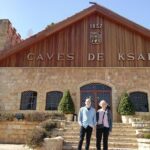
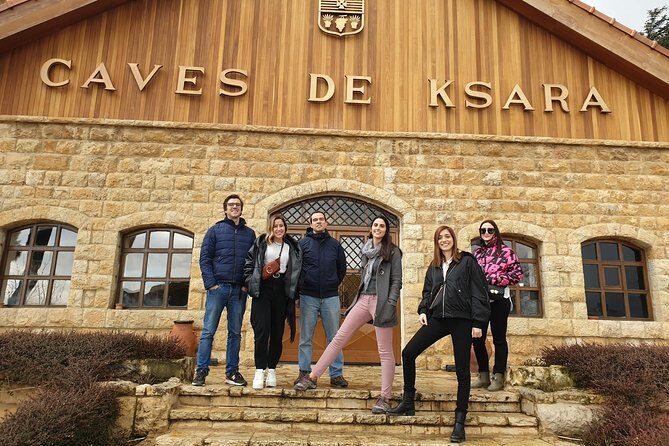
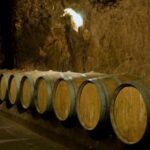
Your final stop is Château Ksara, in the Beqaa Valley. You’ll have about 1 hour here, and the visit includes admission.
Château Ksara has serious pedigree for a regional wine stop:
- Founded in 1857 by Jesuit priests
- Developed the first dry wine in Lebanon
- Produces around 3 million bottles annually
- Exports to over 40 countries
That matters because wine tasting becomes more than a quick sip when there’s context. You’re not only drinking. You’re learning where Lebanese dry wine came from and how a winery scaled from one place to many markets.
How to get the most from a 1-hour tasting
A one-hour tasting isn’t about lingering all day. It’s about tasting with enough time to notice differences. If you’re offered multiple pours, pace yourself:
- Take small sips and let flavors settle
- Ask questions if your host explains what you’re tasting
- Try to connect the wine to the valley setting the way the tour presents it
By the time you leave, you’ll likely feel like the day has a clean arc: Roman monumental awe, then a sacred and local meaning stop, then a grounded finale with Lebanese wine.
Lunch, wine, and entrance fees: where the value really comes from
At $75 per person, this tour has a clear value logic. You’re not only paying for a driver. You’re paying for:
- Private transportation in an air-conditioned vehicle
- A tour leader
- Local guide in Baalbek
- Lebanese lunch
- Wine tasting fees
- Entrance fees to the Baalbek site
- Admission included for Château Ksara
For a lot of visitors, Baalbek alone can be a splurge once you add guides and logistics. Here, the tour bundles the costs that usually hit hardest when you DIY—transport, timing, and guided explanations. The result is that you’re buying fewer decisions and more guided time.
Also, the private format means your group’s experience is less dependent on how other people move or how long lines slow them down. That’s often worth more than it sounds.
If you’re traveling with friends or a larger group, there are also group discounts available, which can make the per-person cost even easier to swallow.
Who should book this tour (and who might skip it)
This tour fits best if you want:
- A guided Baalbek experience rather than a self-led photo hunt
- A smooth plan with pickup and round-trip transfers
- A day that mixes Roman sites with meaningful shorter stops, then closes with wine
- Included basics (lunch, wine tasting fees, and entrance fees) so you’re not budgeting mid-day
You might consider a different option if you:
- Want a slower, open-ended day with lots of extra free time to wander on your own
- Prefer to spend more hours at Baalbek rather than splitting time across multiple stops
- Don’t want to include alcohol-related tasting (the tour includes wine tasting fees, so this is part of the concept)
Should you book the all-inclusive Baalbek and Ksara tour?
Yes, if you want an efficient, well-timed private day that covers major highlights without making you do the hard work. The strongest reasons to book are the built-in guidance at Baalbek, the included lunch and wine tasting, and the fact that your transfers, entrance fees, and key services are handled for you.
Book it especially if Baalbek is a must-see for your Lebanon trip and you’d rather understand what you’re looking at than just photograph it. If you’re going for a first visit to the region and want a reliable route with the right pacing, this is the kind of half-day that leaves you feeling like you got your money’s worth and your questions answered.
FAQ
What time does the tour start?
The tour starts at 9:00 am.
Is hotel pickup included?
Pickup is offered, and the tour includes round-trip transfers from your Beirut hotel.
How long is the tour?
It runs for about 6 hours.
What’s included in the price?
Included items are private transportation (air-conditioned vehicle), a tour leader, a local guide in Baalbek, Lebanese lunch, wine tasting fees, and entrance fees to the Baalbek site.
Will I visit Baalbek and Château Ksara during the same day?
Yes. You’ll tour Baalbek, then visit Château Ksara for about 1 hour.
Is this tour private?
Yes. This is a private tour/activity, and only your group participates.
Is there free cancellation?
Yes. You can cancel for a full refund up to 24 hours before the experience starts.