REVIEW · BEIRUT
Beirut to Qadisha Valley, Bcharri & Cedar: Daily Tours with Lunch
Book on Viator →Operated by Lebanon Daily Tours · Bookable on Viator
Some days in Lebanon feel like a storybook. This one hits the big spiritual sites and the poetry behind them in a tight, easy format. You’ll start with the Qadisha Valley monasteries carved into caves and cliffs, then wind through Bcharre with its 37 churches and its famous connection to Kahlil Gibran.
I love how smoothly the day is paced for a full day: hotel-to-hotel pickup and drop-off, plus an air-conditioned vehicle, so you spend more time looking and less time wrestling logistics. I also like that the tour is kept to a maximum of 15 people, so the stops feel personal instead of rushed. The only real catch is the pace outdoors: you should have moderate physical fitness, because you’re walking on uneven ground around the valley and religious sites.
In This Review
- Key Highlights You’ll Actually Notice
- A Full-Day Route With Real Meaning (Beirut to Qadisha, Bcharre, Cedar Forest)
- Morning Logistics That Keep You Comfortable
- Qadisha Valley: Caves, Monasteries, and Early Christian Life
- Bcharre: Cedar Town, Church City, and Gibran’s Hometown
- The Gibran Museum: Paintings, Studio Belongings, and a Former Monastery
- The Cedars of God Forest: 375 Trees and the Cedar Symbol
- Deir Qozhaya and the Monastery of Saint Anthony the Great at 950 Meters
- Lunch With a Lebanese Local-Spot Feel
- Price and Value: Why $65 Works for This Route
- Who Should Book This Tour (and Who Might Prefer Another Plan)
- Should You Book Lebanon Daily Tours? My Call
- FAQ
- FAQ
- What time does the tour start?
- How long is the full-day tour?
- Do you get hotel pickup and drop-off in Beirut?
- What’s included in the price?
- Does the itinerary include the Gibran Museum and the Cedars of God?
- How big is the group?
- What if the weather is bad?
Key Highlights You’ll Actually Notice
- Max 15 people means you get more than a drive-by look at each stop
- Gibran Museum access included (entry covered) plus time in the former Mar Sarkis Monastery
- Cedars of God visit included at the rare forest site with 375 cedar trees
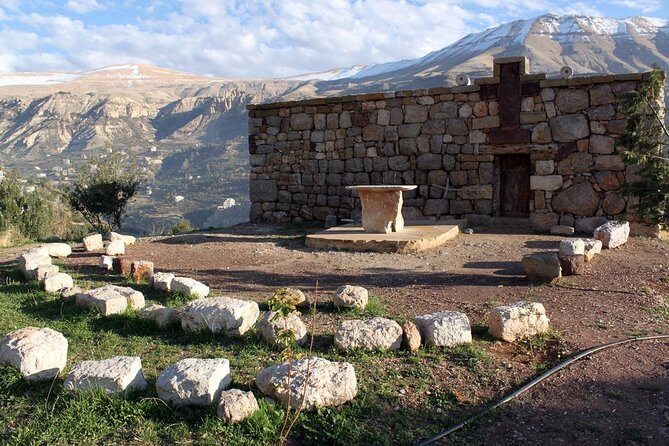
- Deir Qozhaya at 950 meters gives you cooler air, pine and oak views, and monastery ruins from early centuries
- Lunch at a local Lebanese restaurant is part of the package, not an optional add-on
A Full-Day Route With Real Meaning (Beirut to Qadisha, Bcharre, Cedar Forest)
This tour is built around two strong themes: early Christian monastic life and Lebanon’s cultural brainpower—especially the artists and writers tied to Bcharre. Starting from Beirut, you’ll cover the Qadisha Valley first, then move into Bcharre for church-studded streets, a major Gibran stop, and the legendary cedar forest.
The total day is about 8 hours, with a start time of 8:30 am. That timing matters. You’ll beat the worst heat and you’ll have enough daylight to enjoy the views from the monastery areas without feeling like you’re constantly racing a clock.
The value here is that it doesn’t just toss you at landmarks. It gives you context at each stop—what the place is, why it mattered historically, and why it still matters today. That’s the difference between seeing a site and understanding it.
A few more Beirut tours and experiences worth a look

Morning Logistics That Keep You Comfortable
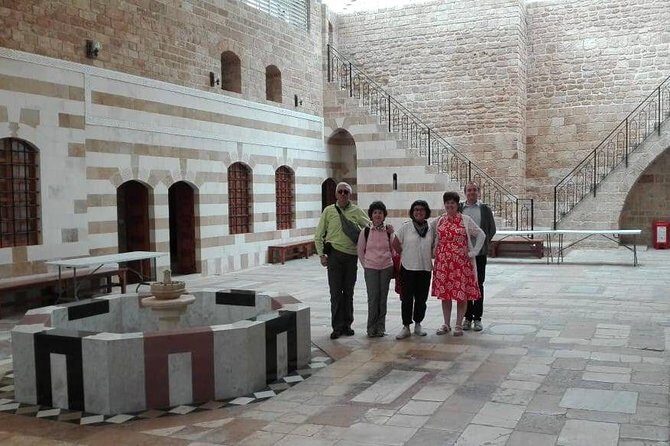
Pickup is offered from any hotel or residence in Beirut, which is a big quality-of-life win. You don’t need to figure out where to meet, where to park, or how to coordinate with a taxi at the crack of morning.
The vehicle is air-conditioned, and the day is guided, so you’re not bouncing around on your own. Even better, the tour is designed for a small group size—15 people maximum. In practice, that usually means you get less waiting at each stop and more chances to ask questions.
One small practical note: this is a full-day plan with multiple stops, most of them outdoors or in religious sites. Wear comfortable shoes and plan to spend real time on your feet, even if each stop is only about 30 to 45 minutes.
Qadisha Valley: Caves, Monasteries, and Early Christian Life
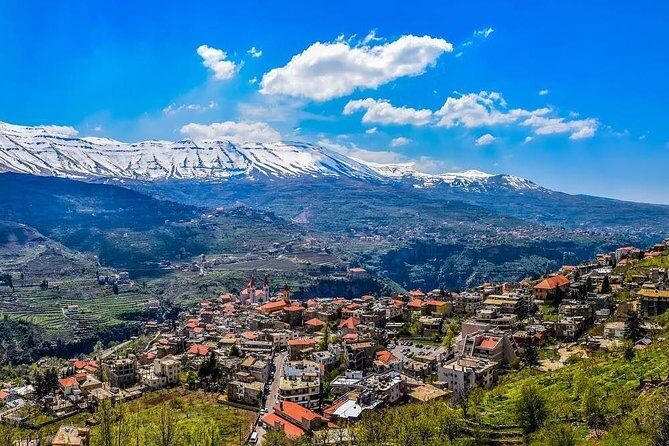
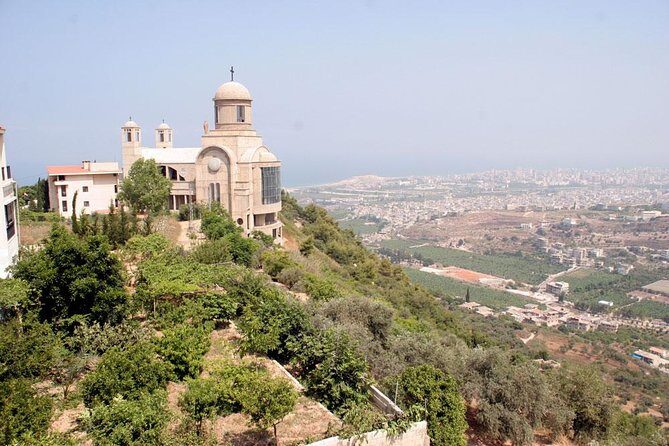
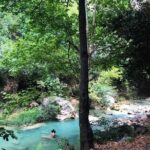
Qadisha Valley is one of the key settlement areas of the first Christian monasteries in the world. Instead of a single ruin in open ground, you’re dealing with an entire system—caves, monasteries, and cultivated terraces tied to an early phase of Christianity.
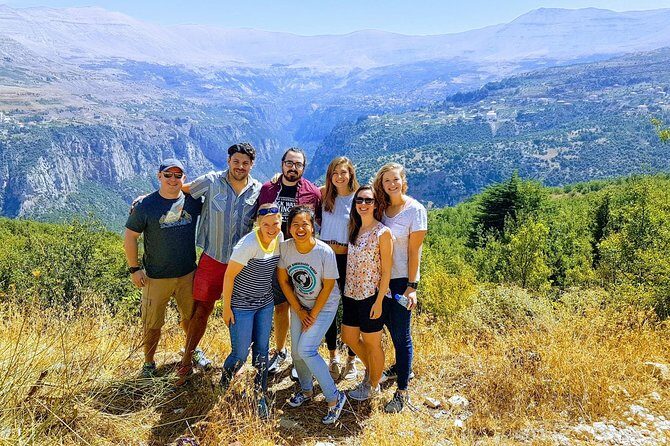
This is the kind of place where the setting does part of the explaining. The terrain is rugged, and the monastery spaces look like they were carved out of necessity and devotion: protection from the elements, quiet for hermits, and a way to live close to the spiritual work.
What you’ll enjoy most here is the sense of continuity. You’re not just looking at a building. You’re seeing how people adapted a harsh environment into places for faith and community. It also helps that the tour includes a guiding voice, because the story is bigger than any single cave or doorway.
Bcharre: Cedar Town, Church City, and Gibran’s Hometown
After the valley, you’ll reach Bcharre, a mountain town tied directly to the Cedar legacy and Kahlil Gibran. Bcharre is known for having the preserved original Cedars of God site, and it’s also the birthplace of the poet, painter, and sculptor Khalil Jubran—with a dedicated museum in town.
Bcharre is sometimes called the city of churches. The figure you’ll hear is about 37 churches, and that gives you a good mental picture: this isn’t a one-church stop. It’s a town where religious buildings are woven into everyday life.
There’s also a fun Lebanon twist: Bcharre is home to what’s described as the oldest skiing area—the Cedars Ski Resort—and Lebanon’s first ski lift, built in 1953. That’s not usually what people expect from a monastery-and-cedar day, and it makes the town feel lived-in rather than frozen in time.
The drawback? Because Bcharre is a small town with many points of interest, you’ll want to stay attentive during free moments. You’re on a schedule, so you won’t have hours to roam every street corner, even if the town invites you to do so.
The Gibran Museum: Paintings, Studio Belongings, and a Former Monastery
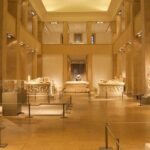
One of the best stops on the route is the Gibran Museum in Bcharre. This museum was formerly the Monastery of Mar Sarkis, and that connection alone makes it more than a simple art gallery. It’s part biography, part historical space, and part studio archive.
The details are impressive: the museum has 440 original paintings and drawings, plus Gibran’s tomb. You also get his furniture and belongings from his studio when he lived in New York City, along with private manuscripts.
You don’t need to be a die-hard art fan to enjoy this. Even if you just know Gibran by name, the museum helps you see how he worked—how the writing and the images come from the same creative life. It also helps that the time here is built into the tour—about 30 minutes—and the museum entry is included.
A practical consideration: museums always feel cooler and calmer than the outdoors. Plan to slow down a little here. If you’re rushing, you’ll miss the point of the museum.


The Cedars of God Forest: 375 Trees and the Cedar Symbol
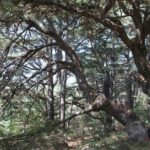
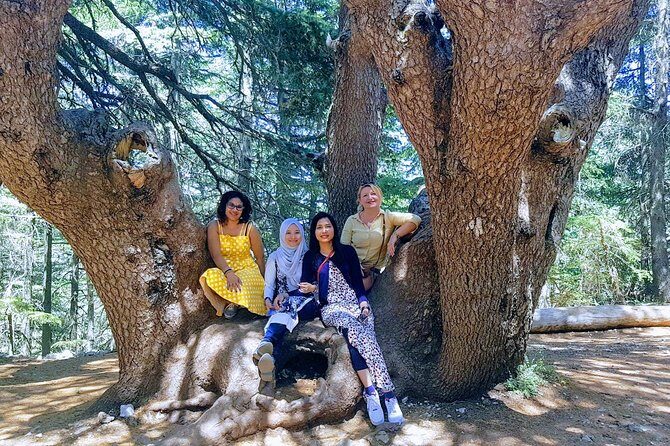
Next comes the Cedars of God—one of the most symbolic nature stops in Lebanon. This forest holds 375 trees and is described as the last remains of antique forests and one of the rare places where the cedars still grow.
In ancient times, cedar was prized as construction material for major religious buildings, and it’s cited 103 times in the Bible. Even if you don’t quote that from memory, it gives you a reason to look carefully at the trees as more than scenery. In Lebanese identity, the cedar is a symbol of the country’s pride and appears on the flag.
The stop lasts about 45 minutes, with admission included. That’s enough time to get your photos, take a slower look, and appreciate how these trees connect to faith, architecture, and national symbolism.
The possible drawback is that this is a forest stop, meaning the experience depends a bit on conditions—shade, foot traffic, and the weather. If it’s extremely hot or windy, the walk can feel longer than you expected. Comfortable shoes help again here.
Deir Qozhaya and the Monastery of Saint Anthony the Great at 950 Meters
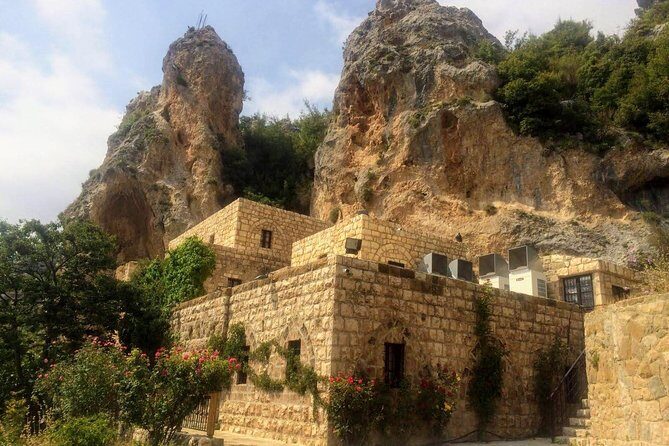
Deir Qozhaya is where the views and the monastery atmosphere start to feel bigger. The Monastery of Saint Anthony the Great sits at 950 meters above sea level, in the Valley of Qozhaya.
The area is described with pine and oak trees covering the surrounding hills, while fruit trees grow throughout the valley. The valley continues into the Valley of Qannubin, forming what’s known as the Qadisha Valley—so you can feel how these areas connect as one long monastic world rather than separate places.
Historically, the monastery is tied to hermit life. Historians and scholars suppose the site was first built and occupied by hermits at the beginning of the fourth century. Over time, it was looted, set on fire, and razed, but vestiges remain dating back to the seventh century.
Your stop here is about 30 minutes, with admission free. That’s enough to orient yourself, look at the structures and ruins thoughtfully, and take in the quiet.
One thing to consider: because this is at altitude, conditions can feel different than Beirut. Bring a light layer even if Beirut feels warm, especially if you’re sensitive to cooler mountain air.
Lunch With a Lebanese Local-Spot Feel
Lunch is included at a local restaurant. That matters because it saves you from hunting for food between stops—often the hardest part of a mountain day tour.
The timing fits the day’s rhythm, and the lunch is described as delicious in a typical Lebanese setting. Even if you have dietary preferences, you’ll want to remember that menus can be less standardized than what you might be used to at home. If you’re picky, consider eating simple things and asking what’s available.
This is also a good time to refuel before the final stops. You’ll be doing enough walking and looking that skipping a real meal would make the afternoon feel harder.
Price and Value: Why $65 Works for This Route
At $65 per person for an approximately 8-hour small-group day, the value mostly comes from what’s included and how much ground you cover.
You’re paying for:
- Hotel pickup and drop-off around Beirut
- All entrance fees across multiple major sites
- Lunch at a local restaurant
- An air-conditioned vehicle
- A tour leader to connect the dots between monastery life, art, and cedar symbolism
If you tried to piece this together yourself, you’d likely pay more once you add separate transport, museum entry fees, and the time cost of coordinating timing. The small-group cap at 15 also helps keep the day workable and gives you that guided context.
So when does the price not feel worth it? If you prefer highly flexible, do-it-yourself travel with long roaming time in each town, a scheduled full-day tour may feel tight. This tour is excellent for people who want the highlights with meaning, not for people trying to wander for hours.
Who Should Book This Tour (and Who Might Prefer Another Plan)
This tour is ideal if you want a one-day “greatest hits” that still feels grounded. It works especially well for:
- First-time visitors who want Beirut’s nearby cultural and spiritual sites without complex planning
- People who like structured days but don’t want a huge bus crowd
- Anyone interested in Kahlil Gibran and the way his hometown is tied to art, identity, and place
You might skip or rethink if you:
- Have mobility issues or find uneven terrain difficult, since moderate physical fitness is requested
- Need long free time in each stop, because the schedule gives about 30 minutes most places
If you’re comfortable with a brisk pace and you like guided context, you’ll likely find this day very satisfying.
Should You Book Lebanon Daily Tours? My Call
I think you should book this tour if you want an efficient, small-group way to see the Qadisha Valley monasteries, learn how Bcharre connects to Gibran, and stand in the Cedars of God forest without turning the day into a logistics puzzle. The combination of front-door pickup, included entrances, and lunch makes the price feel fair for what you get.
It also helps that the day is guided, and the ride experience is described as punctual and smooth—exactly what you want when the itinerary includes mountain stops.
Book with a simple mindset: wear good shoes, keep expectations realistic about walking time, and go in ready to take in both the faith sites and the cultural stops. If weather is poor, the tour requires good weather, so you’ll want to be flexible with your dates.
FAQ
FAQ
What time does the tour start?
The tour start time is 8:30 am.
How long is the full-day tour?
It runs for approximately 8 hours.
Do you get hotel pickup and drop-off in Beirut?
Yes. Pickup and drop-off are offered from any hotel or residence in Beirut.
What’s included in the price?
The tour includes hotel pickup and drop-off, all entrance fees, lunch at a local restaurant, an air-conditioned vehicle, and a tour leader.
Does the itinerary include the Gibran Museum and the Cedars of God?
Yes. The Gibran Museum in Bcharre has admission included, and the Cedars of God stop also has admission included.
How big is the group?
The tour has a maximum of 15 travelers.
What if the weather is bad?
The tour requires good weather. If it’s canceled due to poor weather, you’ll be offered a different date or a full refund.