REVIEW · BEIRUT
Small Group Tours to Qadisha Valley, Bcharre and Cedars with lunch and all fees
Book on Viator →Operated by Beirut Daily Tours · Bookable on Viator
Cedars, monasteries, and Gibran in one day. This small-group UNESCO day trip from Beirut strings together Qadisha Valley caves and Bcharré’s art and churches, with door-to-door transfers and a proper restaurant lunch.
I like how much your driver/guide explains along the way, especially at the Cedars of God, where the story ties directly to faith, building history, and Lebanese symbolism. The main drawback is pace: the day is packed, with roughly 30 minutes in Bcharré and the Gibran Museum, so you’ll be moving even though each stop is memorable.
I also appreciate the focus on art and people, not just ruins, thanks to the Gibran Museum housed in a former monastery. If you want a single day that makes Northern Lebanon feel understandable, this is a strong pick.
In This Review
- Key things that make this Qadisha Valley tour worth your time
- A small-group UNESCO day from Beirut that stays practical
- Morning drive and timing: what the day feels like
- Qadisha Valley: caves, monasteries, and early Christianity in a tough place
- Bcharré (Bcharre): the city of churches plus Gibran and cedar-ski history
- Gibran Museum in the former Mar Sarkis monastery
- Cedars of God: 375 trees, Bible references, and the Lebanon symbol
- Maronite Monastery of St Anthony the Great: 4th-century hermits on a 950-meter hill
- Lunch in Bcharré: included, local, and low-effort
- Price and included fees: why $99 can make sense
- The guides and vibe: what you should look for on the day
- Should you book this Qadisha Valley day trip?
- FAQ
- How long is the Qadisha Valley, Bcharré and Cedars tour?
- What time does the tour start?
- Is hotel pickup and drop-off included?
- Does the tour include lunch?
- What places will I visit?
- Are admission tickets included?
- Is there a mobile ticket?
- How big is the group?
- What’s the price per person?
- Can I cancel for a full refund?
- Who is the tour for in terms of ability level?
Key things that make this Qadisha Valley tour worth your time
- True small-group feel: the plan is capped at just eight for personal attention, and the overall tour is listed up to 15.
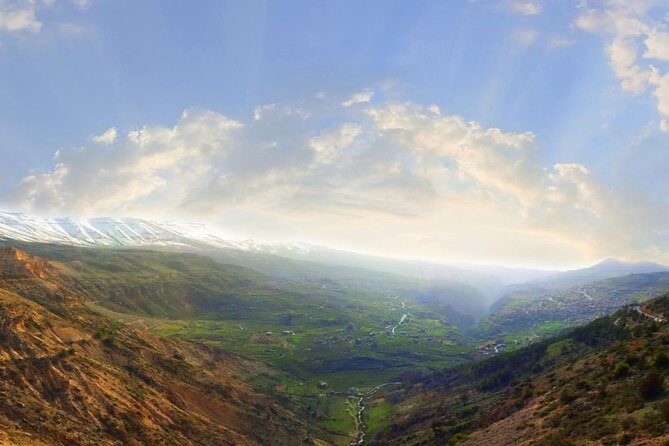
- UNESCO Qadisha Valley without the stress: you get guided time in a rugged, cave-and-monastery area where driving yourself is not the fun part.
- Bcharré has layers: churches, Khalil Gibran’s legacy, and even the Cedars ski history.
- Cedars of God is the headline: 375 living cedar trees, tied to the Bible and Lebanon’s flag.
- Lunch included in the day: a local restaurant meal removes one common headache.
- All the entry tickets are handled: museum and site admissions are included with the tour.
A small-group UNESCO day from Beirut that stays practical
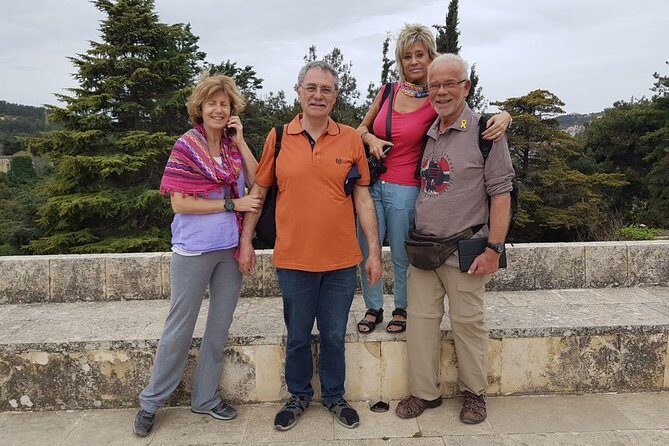
This tour is built for people who want the big-name Northern Lebanon sights, but with fewer logistics headaches. You’re in an air-conditioned minivan, picked up and dropped off from your accommodation area, and kept in a tight group size for better conversation and timing.
The day runs about 9 hours with an 8:00 am start, so it’s not a late breakfast kind of outing. It’s also the type of day where you’ll appreciate comfortable shoes and layers, since you’re moving between valley sites, church buildings, and hilltop stops.
One more practical note: the tour uses a mobile ticket, which makes it easier than hunting for paperwork on a busy morning.
A few more Beirut tours and experiences worth a look

Morning drive and timing: what the day feels like
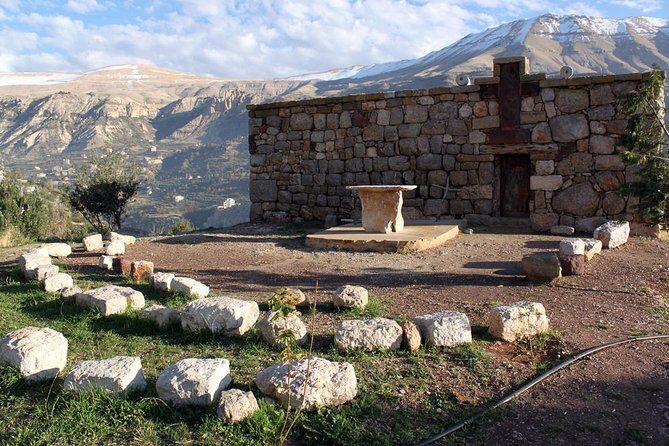
You start early, then roll from Beirut up into the hills toward the Qadisha Valley region. The itinerary flows stop to stop, with set time windows that keep things efficient.
Here’s the tradeoff: you’ll see a lot, but you won’t linger all day in one spot. Bcharré is about 30 minutes, the Gibran Museum is about 30 minutes, the Cedars and St Anthony Monastery are about 1 hour each. If you love deep, slow museum time, plan a little extra independent time afterward in Bcharré.
Still, the scheduling makes sense for first-timers. You get the UNESCO portion, the cedar moment, and the art-and-faith context without stretching into an extra-long day.
Qadisha Valley: caves, monasteries, and early Christianity in a tough place
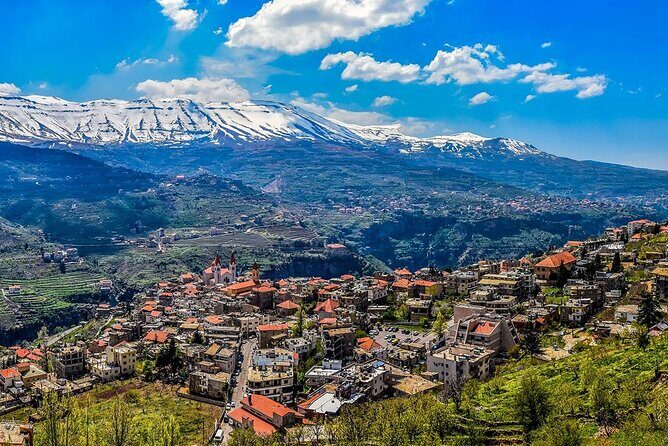
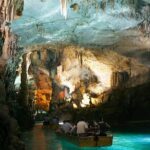
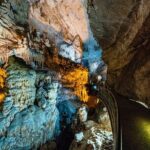
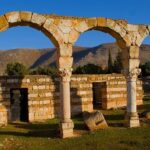
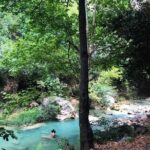
The Qadisha Valley is a UNESCO World Heritage Site, and the key idea is that it preserves some of the earliest Christian settlement patterns. Think: monasteries and caves plus cultivated terraces, all shaped by faith communities living in a rugged environment.
What makes this place especially compelling is how the setting supports the story. You’re not seeing churches dropped into a postcard scene. You’re moving through a landscape of caves, rock-cut spaces, and monastery sites that helped early religious communities survive and keep their way of life.
This is also why guided time matters. With a driver/guide, you can focus on what you’re looking at—rather than figuring out routes and best sight angles on your own.
Bcharré (Bcharre): the city of churches plus Gibran and cedar-ski history
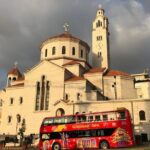
Bcharré is often described as the city of churches, and the reason is simple: it has around 37 churches. Even in a short stop, you get the feeling of a town built around religious architecture and mountain tradition.
This is also where the day connects to Khalil (Kahlil) Gibran, the poet-artist figure Lebanon is proud of. He’s associated with Bcharré’s legacy, and the town honors him through the Gibran Museum.
A fun extra layer: Bcharré is linked to Lebanon’s skiing roots. The area includes the Cedars Ski Resort, and there’s mention of Lebanon’s first ski lift built in 1953. It’s a reminder that this isn’t only a heritage town; it’s a living mountain community with its own modern seasons.
You’ll spend about 30 minutes here, and in that time the goal is quick orientation: understand why the town matters, then head to the museum and cedars while the day still has momentum.
Gibran Museum in the former Mar Sarkis monastery
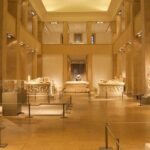
The Gibran Museum (formerly the Monastery of Mar Sarkis) is one of those stops where context makes the building feel more meaningful. You’re not only looking at art; you’re walking through a setting tied to religious life and then later dedicated to Gibran’s story.
The museum is described as biographical, and it holds 440 original paintings and drawings, plus his tomb. You also get insight into his working life with items like his furniture and belongings from his New York studio, along with his private manuscripts.
The time window is about 30 minutes, which is enough for the big highlights if you go in with a light plan: focus on the works tied to his identity and on the personal artifacts that connect the artist to his world.
Admission is included, so you’re not managing ticket lines while the group keeps moving.



Cedars of God: 375 trees, Bible references, and the Lebanon symbol
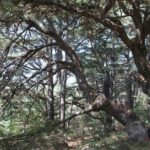
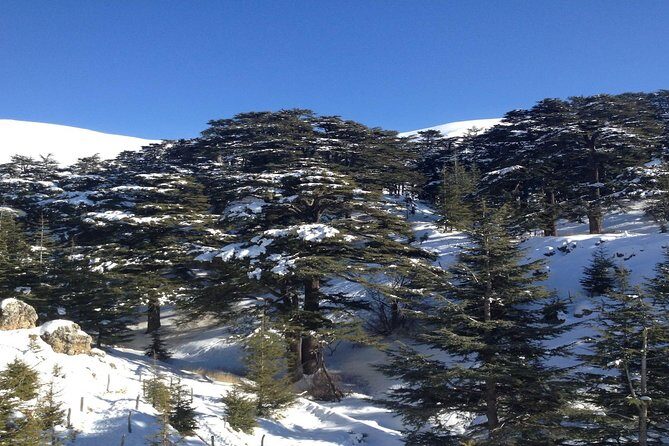
If you’re wondering what the single biggest payoff is, this is it: the Cedars of God area is the last remains of ancient cedar forests where cedar trees still grow, and it’s described as having 375 trees.
The cedar story isn’t just poetic. These cedars were prized in ancient times, especially as construction material for major religious buildings. They’re also cited 103 times in the Bible, which gives your visit a clear link between nature and text.
And of course, there’s the modern symbolism: the cedar is the pride of Lebanon and appears on the Lebanese flag. Standing there, it’s easier to understand why this isn’t treated like a generic nature stop.
You get about 1 hour at the cedars, and that’s usually the right amount. You’ll have time to slow down, take in the scale, and still make it to the next monastery stop without the day slipping.
Maronite Monastery of St Anthony the Great: 4th-century hermits on a 950-meter hill
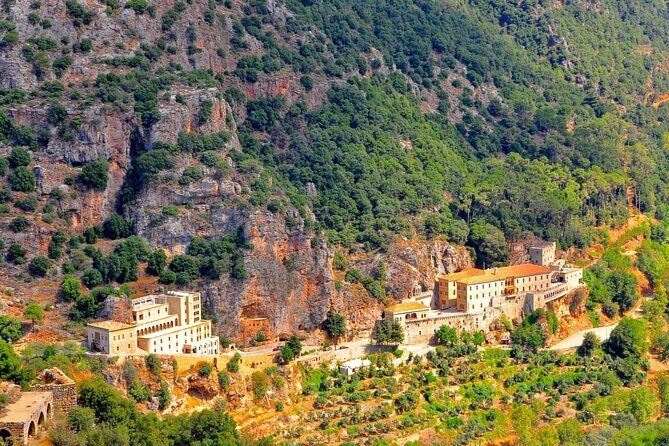
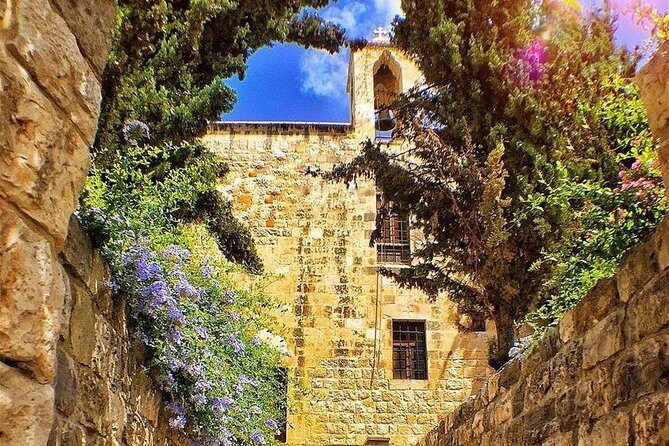
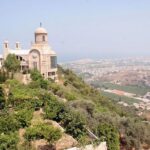
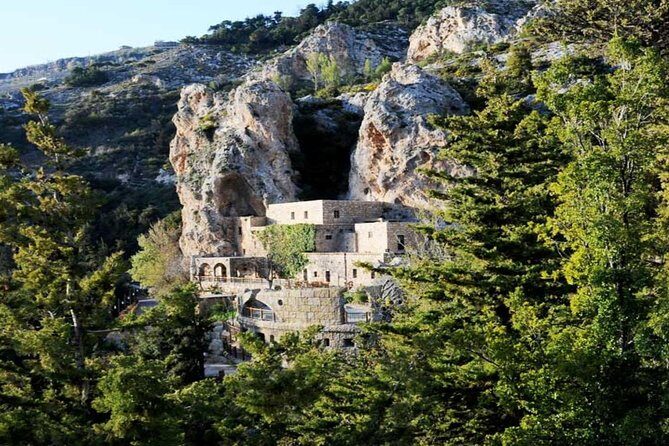
The Monastery of Saint Anthony the Great sits around 950 meters above sea level in the Valley of Qozhaya. The setting is described with pine and oak hills around it, plus fruit trees across the valley—part of what made the area suitable for hermits and religious solitude.
Here’s what you should listen for from your guide: historians are said to believe hermits began occupying the site around the beginning of the 4th century. The monastery faced repeated troubles over time—looting, fires, and destruction—yet vestiges dating back to the 7th century remain.
So you’re not just looking at one intact building. You’re seeing traces of a religious story stretched across centuries. It’s one of those places where guided interpretation can turn a set of ruins into a timeline you can actually hold in your head.
Admission is free for this stop, and it runs about 1 hour, giving you time to take photos and absorb the setting rather than rushing through.
Lunch in Bcharré: included, local, and low-effort
A big part of why this tour feels easier than DIY is that lunch is included at a local restaurant in the Bcharré area. You avoid the common problem of arriving hungry and then trying to choose a place that also works with the group’s schedule.
Because the itinerary already sets the time blocks for the big sights, the lunch break is more like a reset than another checkbox.
For what it’s worth, I like that the day doesn’t pretend you’ll snack your way through. A real meal is built into the plan, which helps you enjoy the cedars and monastery without feeling depleted.
Price and included fees: why $99 can make sense
At $99 per person, you’re paying for a full-day structure: guided time across multiple key sites, air-conditioned minivan transport, hotel pickup and drop-off, lunch, and included admission and ticket fees.
For visitors who want the UNESCO and heritage highlights without paying extra at each stop, this pricing model is the point. It reduces decision fatigue, which matters a lot in Lebanon where schedules and add-ons can otherwise multiply.
It’s not a bargain if you’re the type of traveler who only wants one site. But if you want the whole Northern Lebanon sampler—Qadisha Valley, Bcharré, Gibran Museum, Cedars of God, and St Anthony Monastery—then the package format is how you keep the day streamlined and cost-controlled.
The guides and vibe: what you should look for on the day
One name that stands out from past experiences is Albert, who was described as kind, professional, and strong in English. The biggest takeaway from those stories is not just friendliness, but explanation: Albert was noted for being detailed about the historical importance of the places, especially the St Anthony monastery.
So here’s your best move: ask one or two questions at the start of the day. If your guide is like Albert, you’ll get more from the caves and churches by steering the conversation. With a small group, you’re more likely to get direct answers than rapid-fire generalities.
Also, the tone from those same experiences is that the pacing felt relaxing at breaks, not constantly frantic. That matches the itinerary structure, where you have set chunks of time at each stop.
Should you book this Qadisha Valley day trip?
Book it if you want a first-time, high-impact Northern Lebanon day from Beirut. It’s the kind of itinerary that gives you the main threads—early Christianity in Qadisha, Lebanon’s cedar symbolism, and Khalil Gibran’s cultural footprint in Bcharré—without making you manage tickets and timing yourself.
Skip it (or plan extra time) if you hate tight schedules. This is a see-a-lot route, and even though each stop is special, you don’t get hours and hours at any one place.
If you’re traveling solo or as a couple and you want conversation without a crowd, the small-group format is a real advantage.
FAQ
How long is the Qadisha Valley, Bcharré and Cedars tour?
The tour is listed at approximately 9 hours.
What time does the tour start?
The start time is 8:00 am.
Is hotel pickup and drop-off included?
Yes. Hotel pickup and drop-off are included in the package.
Does the tour include lunch?
Yes. Lunch at a local restaurant is included.
What places will I visit?
You’ll visit Qadisha Valley, Bcharré, the Gibran Museum, the Cedars of God, and the Maronite Monastery of St Anthony.
Are admission tickets included?
Yes. The tour includes admission and ticket access to the sites listed in the stops.
Is there a mobile ticket?
Yes. The experience includes a mobile ticket.
How big is the group?
The description highlights attention from a group capped at eight travelers, and the overall tour is listed with a maximum of 15 travelers.
What’s the price per person?
The price is $99.00 per person.
Can I cancel for a full refund?
Yes. Free cancellation is available, with full refunds up to 24 hours in advance of the experience start time.
Who is the tour for in terms of ability level?
The information provided says most travelers can participate.