REVIEW · BEIRUT
Baalbek Temples & Ksara Caves w/pick-up & multilingual guide
Book on GetYourGuide →Operated by CITY SIGHTSEEING LEBANON TOURS · Bookable on GetYourGuide
Baalbek and wine caves in one day is a smart combo. This tour strings together two of Mount Lebanon’s biggest draws: the massive Roman ruins at Baalbek and the underground world of Ksara Caves at Château Ksara. I especially like how the day is paced with proper guided time at the monuments, then a slower, atmospheric visit underground with winemaking context.
The second big win is the guide and driver setup, with multilingual options and a smooth Beirut transfer so you don’t waste half your day figuring out logistics. The one thing to consider is timing: the schedule is tight, so if you want extra lingering time at Baalbek beyond the guided walk, you may feel slightly rushed.
In This Review
- Key things to know before you go
- A Roman-ruins morning and winery-caves afternoon
- Baalbek’s monumental temples: Jupiter and Bacchus
- The Zahle brunch break that actually earns its place
- Château Ksara and the Ksara Caves: wine culture under pressure
- Guides, transport, and the small logistics that save your day
- Price and what you actually get for the $115
- Who should book this Baalbek and Ksara tour
- Should you book it or DIY Baalbek and Ksara?
- FAQ
- How long is the Baalbek Temples & Ksara Caves tour?
- Where is pickup and drop-off provided?
- What’s included in the price?
- Which languages are available for the live guide?
- Are admission fees included for Baalbek and Château Ksara?
- Is lunch included during the day?
- Is wine tasting part of the tour?
- Is the tour wheelchair accessible?
Key things to know before you go
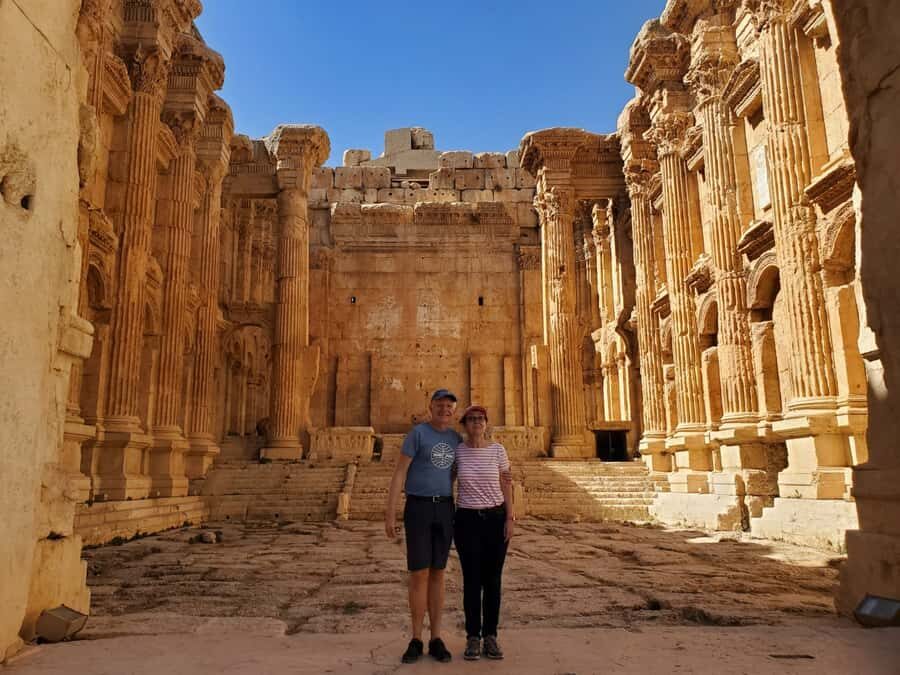
- Baalbek guided time focused on the Temple of Jupiter and the Temple of Bacchus
- Skip-the-ticket-line convenience built in
- Château Ksara caves tour with an optional wine tasting
- Zahle brunch break in the Beqaa Valley, not just a drive-by
- Multilingual live guide in English, French, Arabic, Italian, or Spanish
- Helpful drivers noted by past groups, including John, with punctual pickup from Beirut
A Roman-ruins morning and winery-caves afternoon
This is the kind of day trip that makes sense if you’re visiting Lebanon for a short stay and want high-impact places without the hassle of arranging separate transport and tickets. You start in Beirut, then head into the Beqaa Valley, where the air changes and the terrain feels more open and historical. The plan works because it gives you two “wow” settings that feel very different: sunlit stone at Baalbek, then cool air underground at Ksara.
I like that the tour doesn’t treat Baalbek like a quick photo stop. You get a guided walk through the monumental archaeological complex for about two hours, which is enough time to understand what you’re actually looking at—especially with guide explanations. Then the day shifts gears to Château Ksara, where the focus becomes process and place: how these caves support traditional winemaking and why the underground environment matters.
One practical note: you’re doing a full-day schedule and you’re not bringing home a pocket full of free time. If you’re the type who wants to wander on your own for an extra hour, plan to treat the guided itinerary as the main course, not the appetizer.
You can also read our reviews of more guided tours in Beirut
Baalbek’s monumental temples: Jupiter and Bacchus
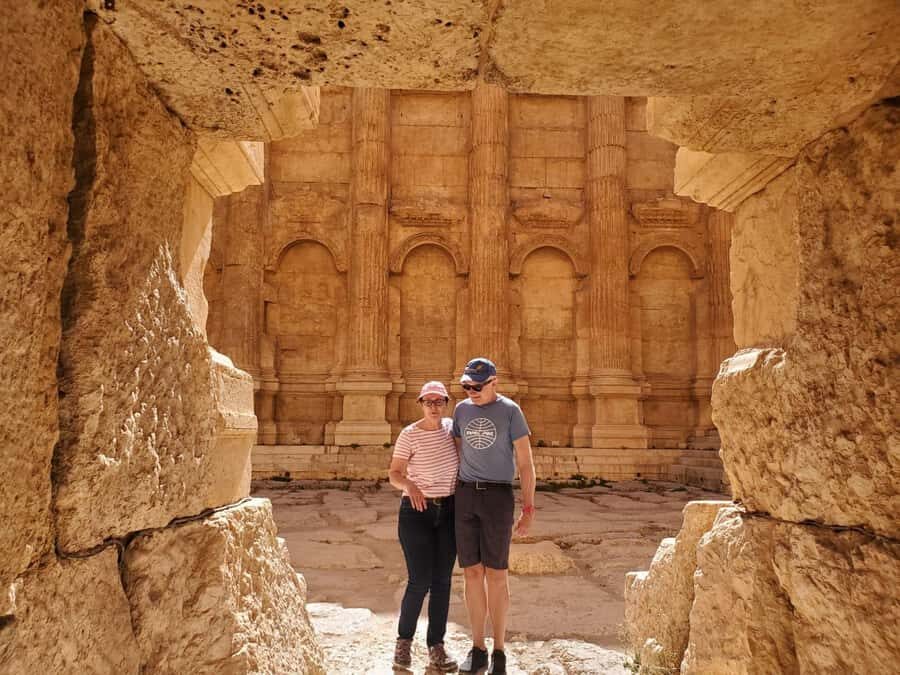
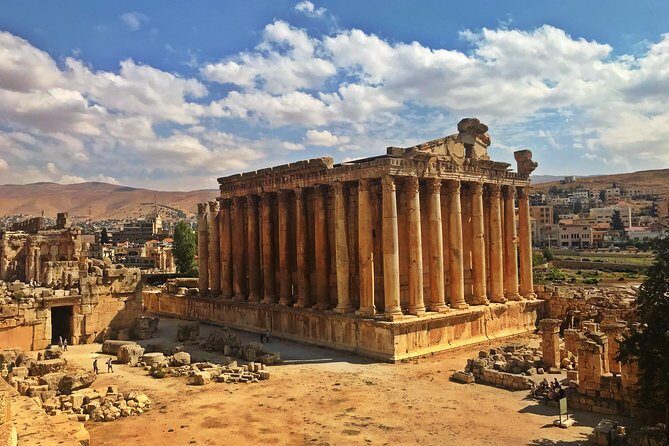
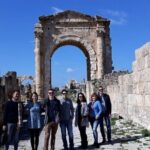
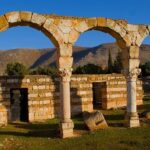
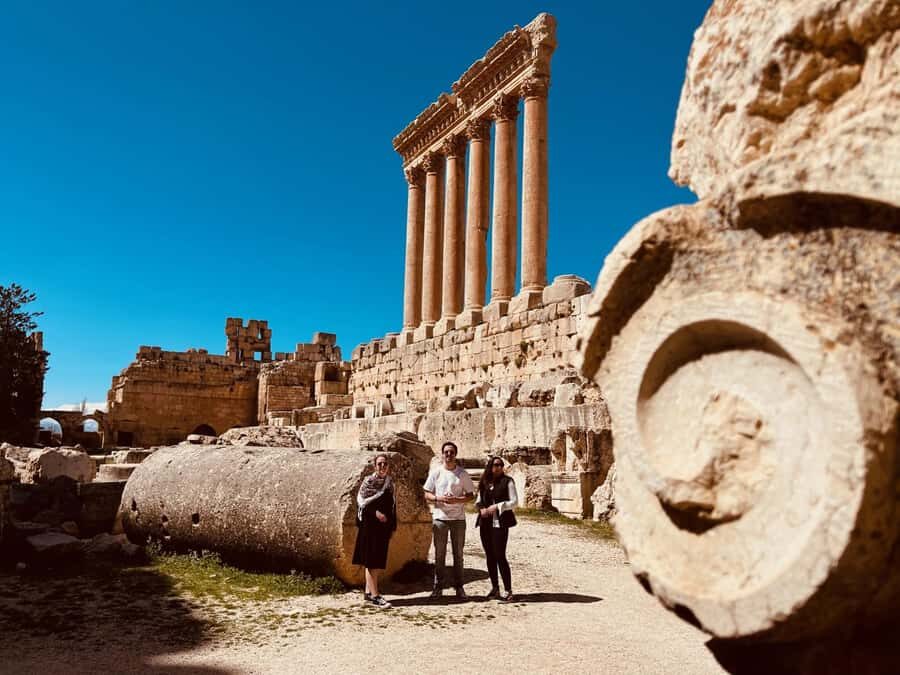
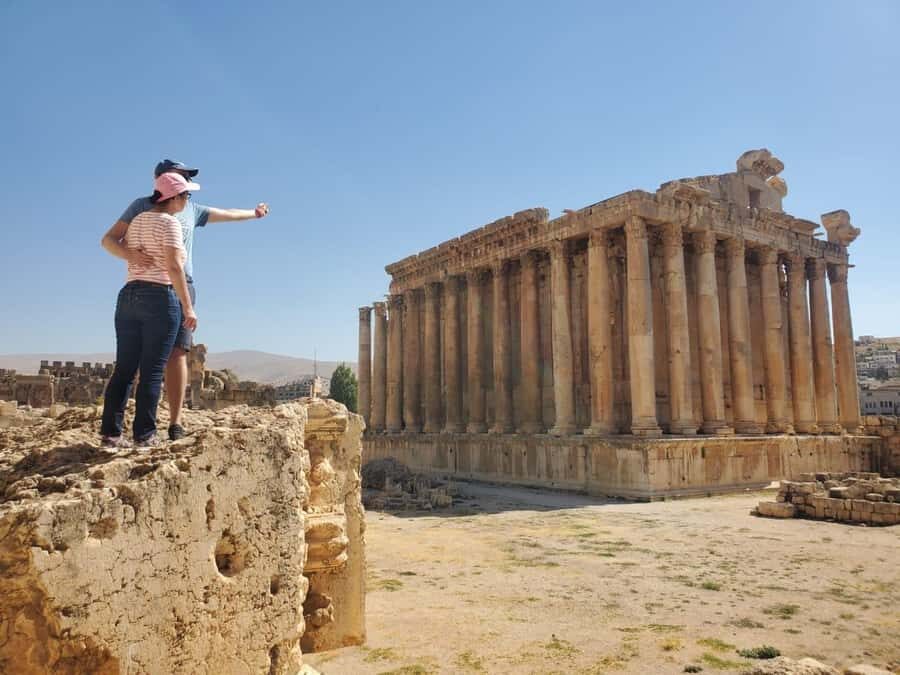
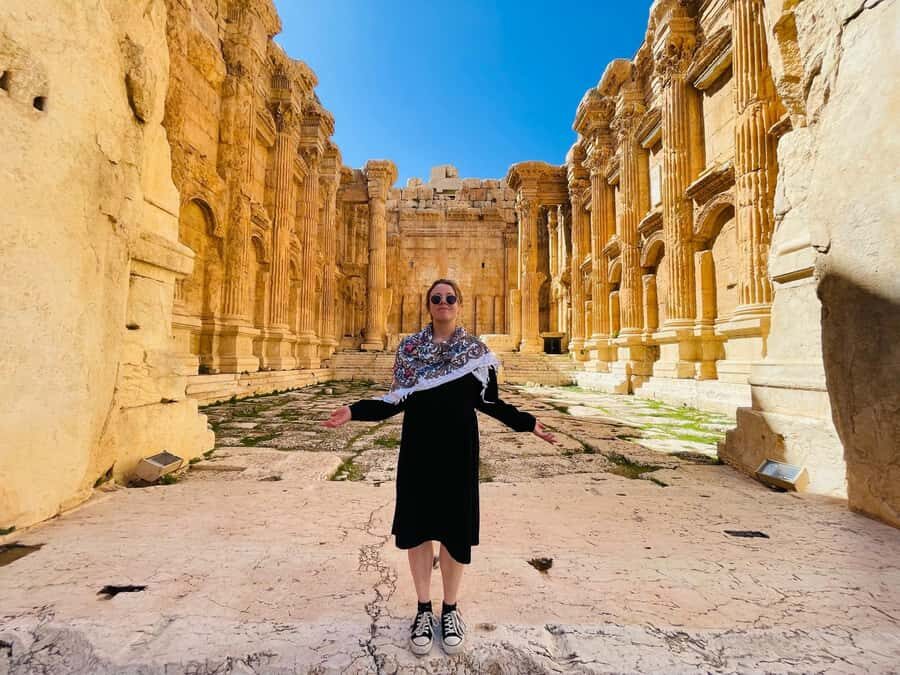
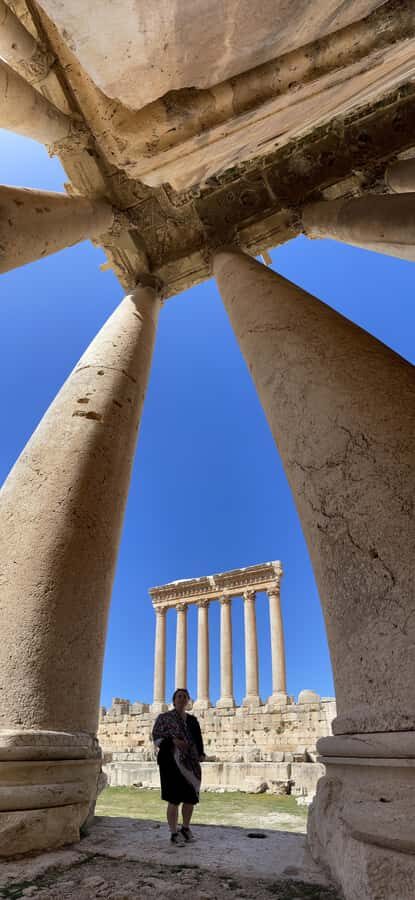
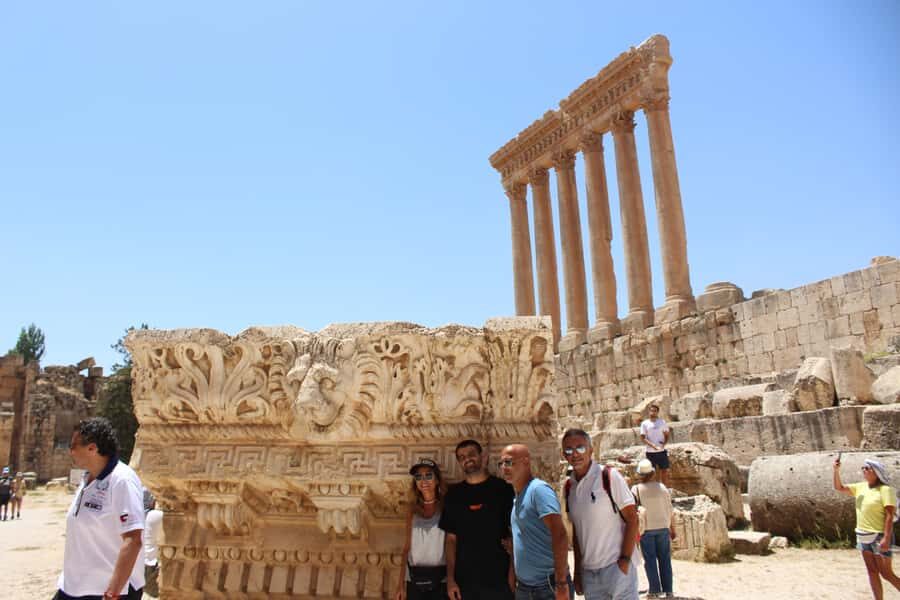
Baalbek is famous for a reason. Even before you get the details, your eyes catch on the scale—massive columns, heavy stonework, and carvings that make the ruins feel less like leftovers and more like a deliberate statement. The guided portion is timed for you to take in the big structures without feeling you’ve arrived and instantly been rushed away.
The two highlights are the Temple of Jupiter and the Temple of Bacchus. Jupiter is the bigger, more imposing presence in the complex, and the guide attention here helps you connect the temple’s role within Roman religious life to the way the site was built. Bacchus, on the other hand, often feels more approachable because it’s remarkably preserved compared to many ancient remnants you’ll see elsewhere. If you like architectural details—columns, decorative elements, and how different parts of the complex relate—this stop is where that interest gets rewarded.
What you’ll feel during this part of the day is “weight.” The stone is heavy, the scale is blunt, and it’s hard not to stand back and try to imagine the original setting. A good guide makes that mental picture easier. Some departures have guides such as Ameen or Fahmi leading explanations, and from what’s described, the approach tends to mix local context with clear English (and other language options).
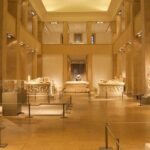
Possible drawback: if there’s a museum or secondary component related to the site and something local affects it—power outages have happened on at least one departure—don’t plan your whole day around extra indoor time. Your main value is the outdoor ruins, and those remain the anchor of the visit.
The Zahle brunch break that actually earns its place
Between Baalbek and Château Ksara, there’s a breather in Zahle, the capital of the Beqaa Valley. In the grand scheme of ancient temples and wine caves, Zahle might sound like a simple fuel stop. But it’s more than that because it connects the day’s theme: this region isn’t just Romans and grapes; it’s also everyday Lebanese food culture and local hospitality.
The tour includes a break where you can enjoy a traditional Lebanese brunch in Zahle. Lunch itself isn’t listed as included, so you should expect to pay for your meal. Still, having a dedicated stop matters. It keeps the day from turning into nonstop transit, and it gives you a chance to recharge with food that feels like the local rhythm rather than a tourist-only sandwich situation.
If you’re doing this trip in the heat, the mid-day pause is also a comfort move. You’re heading into a very different environment right after—cooler cave temperatures—so it’s smart to eat something that won’t sit heavy when you start walking underground.
Château Ksara and the Ksara Caves: wine culture under pressure
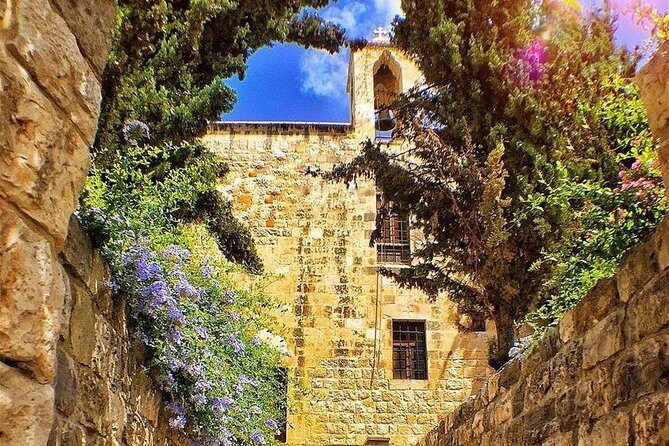
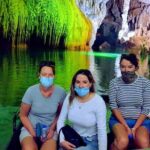
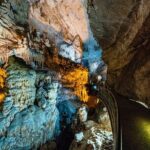
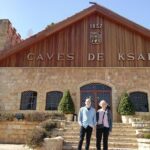
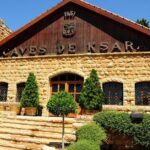
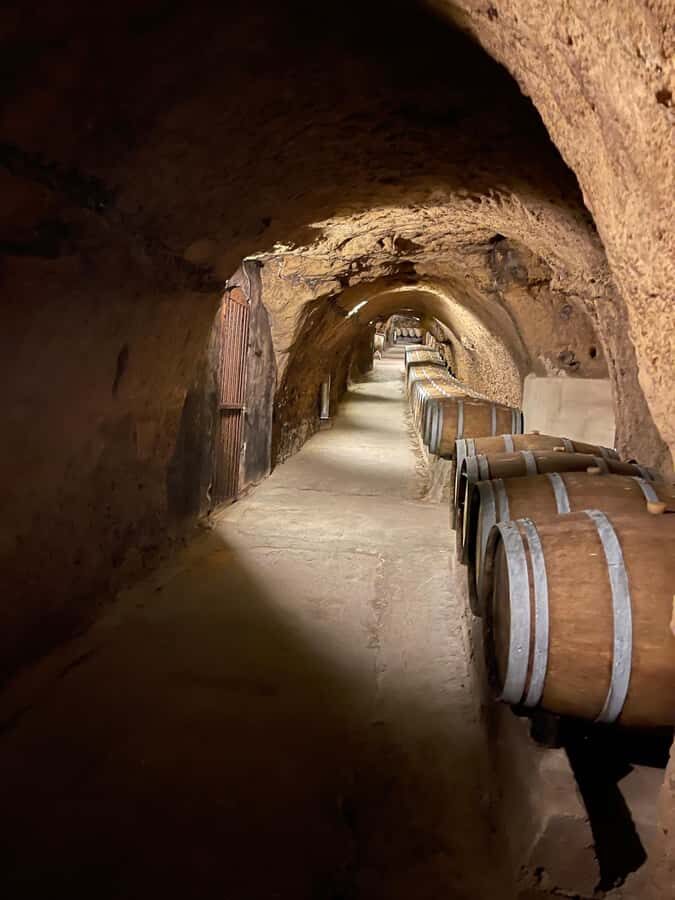
The Ksara portion is where the tour slows down and becomes more hands-on. Château Ksara is one of Lebanon’s oldest and best-known wineries, and the caves are a big part of why. When you descend into the Ksara Caves, you’re stepping into a winemaking environment built for consistency—temperature and humidity that help grapes and wine stay stable through the aging process.
The cave tour is guided and includes a walking segment of about an hour. That’s a good length: long enough to understand the logic of the winemaking system, short enough that you don’t feel trapped underground. You’ll learn about traditional winemaking methods and how the caves support them. It’s the kind of explanation that makes the wine tasting afterward feel more grounded. Instead of tasting as a standalone event, you taste with context: what you’re smelling, why it develops, and how the place contributes.
There’s also an optional wine tasting. If you drink, I’d treat the tasting as part of the educational loop—your guide’s comments and the cave atmosphere will make the flavors easier to connect to the region. If you don’t drink, it’s still worth going for the cave tour itself, because the guided walk is the main story.
One more detail that helps: the day is set up so you’re not trying to do everything at Château Ksara at once. You get the cave component and then the tasting option, rather than a rushed scan through a shop. That pacing is usually what makes these experiences feel worth it.
Guides, transport, and the small logistics that save your day
Lebanon can be a little tricky to navigate on your own, especially when you want to reach sites on a schedule. That’s why I like the structure here: pickup from Beirut, luxury transportation, and a live multilingual guide. You don’t have to manage a map, chase timing, or negotiate entry logistics in the moment.
The language lineup is practical: English, French, Arabic, Italian, and Spanish. That matters because Roman ruins and winemaking both get more interesting when the explanation is in a language you actually relax into. In past groups, drivers and guides have been praised for being friendly and helpful, and names like John show up alongside guides such as Ameen and Fahmi. The pattern from those notes is consistent: clear communication, decent photo help, and stories that connect what you see to why it mattered.
The tour also includes skip-the-ticket-line. Even if you’re not dealing with long crowds every day, that one included convenience changes the feeling of arrival. You spend more time looking at stone and wine cellars and less time waiting in a queue with your phone battery slowly giving up.
Included extras are small but nice: a water bottle and biscuit. In a full-day outing, those are the kind of “why did I forget this at home” problems you can avoid.

Price and what you actually get for the $115
At $115 per person for about 8 hours, this tour can be good value if you factor in transport, time, and guidance. You’re paying for round-trip transfer from Beirut, luxury transportation, a local multilingual guide, and guided time at both Baalbek and Château Ksara. You’re also getting the skip-the-ticket-line benefit, plus water and a biscuit.
What’s not included matters just as much. Admission fees to all sites are not included, and lunch isn’t included either. That means your final spend can rise once you add entrance tickets and your meal in Zahle. Personal expenses like souvenirs are also on you.
Still, compared to doing this yourself, the cost makes sense when you’re buying convenience plus interpretation. Baalbek can turn into a pile of impressive rocks if nobody explains what to notice. Ksara caves can feel like an underground hallway if nobody explains how traditional winemaking ties to the cave environment. The guide is where that “wow” becomes understanding.
Who should book this Baalbek and Ksara tour
This fits best if you want a compact, high-impact day in the Beqaa Valley: Roman monuments in the morning, then wine country underground afterward. It’s a smart choice for first-time visitors who don’t want to coordinate separate day trips and who appreciate having explanations in a language they’re comfortable with.
It also works well if you care about cultural connection. The Zahle break isn’t just about eating; it’s there to keep the day rooted in the region’s present-day identity, not only its ancient past. And if you like wine (or even just the craft behind it), the cave tour plus optional tasting is a logical next step.
Who might skip it? If you’re the type who wants unstructured time and unlimited wandering, the schedule could feel short at Baalbek. The same goes if you mainly want museum-style experiences indoors; the core of this day is outdoor ruins and underground cave walking.
One more fit note: the tour is listed as wheelchair accessible, which is a big deal if you need that planning detail ahead of time.
Should you book it or DIY Baalbek and Ksara?
I’d book this tour if you want the fastest path to two of Lebanon’s most famous stops with a guide who can connect the dots—Roman temples you can read through explanation, and wine caves that make more sense once you know why they’re there.
Choose DIY instead only if you’re confident arranging transport through the Beqaa Valley, don’t need multilingual guidance, and don’t mind spending extra time on logistics and entry lines. For most visitors, the guided structure and included transport are what make the day feel smooth.
If your priorities are timing, comfort, and getting straight to the best parts, this is a strong pickup-from-Beirut option. And if you’re flexible about meal costs and potential site-day hiccups (like occasional closures tied to power or local issues), the overall experience stays very solid.
FAQ
How long is the Baalbek Temples & Ksara Caves tour?
The duration is 8 hours.
Where is pickup and drop-off provided?
Pickup starts in Beirut, and the tour returns you to Beirut.
What’s included in the price?
Hotel pickup and drop-off, luxury transportation, a local multilingual guide, water bottle and biscuit, and skip-the-ticket-line.
Which languages are available for the live guide?
The guide can be English, French, Arabic, Italian, or Spanish.
Are admission fees included for Baalbek and Château Ksara?
No. Admission fees to all sites are not included.
Is lunch included during the day?
No. Lunch is not included.
Is wine tasting part of the tour?
Yes, there is an optional wine tasting at Château Ksara.
Is the tour wheelchair accessible?
Yes, the tour is listed as wheelchair accessible.