REVIEW · BEIRUT
Private Guided Tour of Jeita Grotto, Harissa and Byblos
Book on Viator →Operated by Walking Beirut · Bookable on Viator
Jeita Grotto and Byblos in one day.
This private trip mixes nature’s cave wonder with a coastal pilgrimage stop and Lebanon’s oldest layers in Byblos. I especially like that you get hotel pickup with a comfy ride plus a guide who connects the dots between geology, faith sites, and Crusader-era remains. One thing to consider: major attractions like Jeita Grotto and the Harissa cable car require extra payment since their admission tickets are not included.
Expect an easy 8-hour day (about) that’s structured but not frantic. You’ll start at 9:00 am, move north toward Kisrwan, then Harissa, then Byblos, with planned time for views and a bit of free shopping time in the souks.
In This Review
- Key points to know before you go
- A North Lebanon Day: Jeita Grotto, Harissa, and Byblos
- Private Transport That Keeps the Day Relaxed
- Jeita Grotto: Cable Car Up, Boat Through the Lower Cave
- Harissa’s Our Lady of Lebanon Shrine and the Steps to Jounieh Bay
- Téléferique Harissa Cable Car: The Ride That Makes the Hill Go Smooth
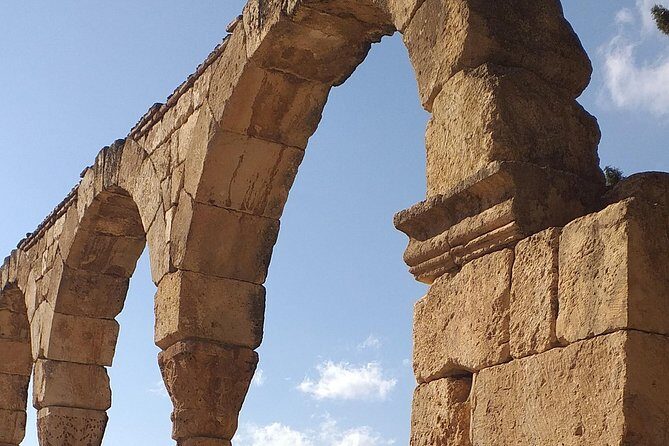
- Byblos: Crusader Castle, Ottoman Mosque, Souks, and a Phoenician Port
- Byblos Castle and its small museum
- Sultan Abdul Majid Mosque
- Old Souk: time to browse without pressure
- Saint John-Marc Cathedral and the outdoor baptism area
- Byblos Port: the Phoenician connection
- Tickets and Costs: What to Budget Beyond the $68.50
- The Guide Makes the Difference: Albert and Hassan on the Day
- When This Tour Fits Best
- Should You Book This Private Jeita Grotto, Harissa, and Byblos Tour?
- FAQ
- What is the start time for the tour?
- How long does the tour take?
- How much does the tour cost?
- Is hotel pickup and drop-off included?
- Is this tour private or shared?
- Is lunch included in the price?
- Is Jeita Grotto admission included?
- Is the Harissa cable car included?
- Are there any stops with free admission?
- Can I cancel for a full refund?
- Is this tour using mobile tickets?
Key points to know before you go
- Private, just-your-party format: your group stays together, with hotel pickup and drop-off in an air-conditioned vehicle.
- Jeita Grotto has two ways in: cable car for the upper grotto, and a short boat ride for the lower part.
- Harissa is built for big views: the Our Lady of Lebanon shrine (1908) rewards you with a panoramic outlook after stairs.
- Byblos covers several eras fast: Crusader castle, an Ottoman mosque, cathedrals, and the Phoenician port in one route.
- Some stops are truly free to enter: many religious and walking spots don’t require paid admission, so your spending can be focused.
A North Lebanon Day: Jeita Grotto, Harissa, and Byblos
This is the kind of day trip that works when you want variety without burning time hopping on and off transport yourself. I like that the route has a clear rhythm: cave first, then Harissa’s spiritual hill-and-view moment, then Byblos’ historic waterfront town.
You start around 9:00 am and finish about 8 hours later, which usually fits neatly into a Beirut itinerary. It also helps that the tour is private, so you’re not stuck behind a fast-moving crowd when you want a photo, a longer look, or a slower stroll in the souks.
You can also read our reviews of more guided tours in Beirut


Private Transport That Keeps the Day Relaxed
On a day with multiple sites, the real value is often logistics. Here you get hotel pickup and drop-off, plus private transportation in an air-conditioned vehicle. That matters in Lebanon because traffic and parking can turn a simple outing into a time sink.
This isn’t a walk-all-day plan. You’ll travel by car between major stops, and then you’ll walk at each site for what makes sense: stairs at Harissa, viewpoints and museum areas at Byblos, and the paths inside Jeita Grotto.
Also, you should feel comfortable with the pace if your group wants a steady day. The stops are short enough that you can keep energy for the cave and the views, yet long enough to get something meaningful out of each location.
Jeita Grotto: Cable Car Up, Boat Through the Lower Cave
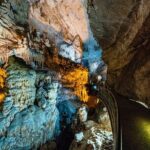
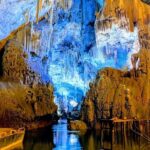
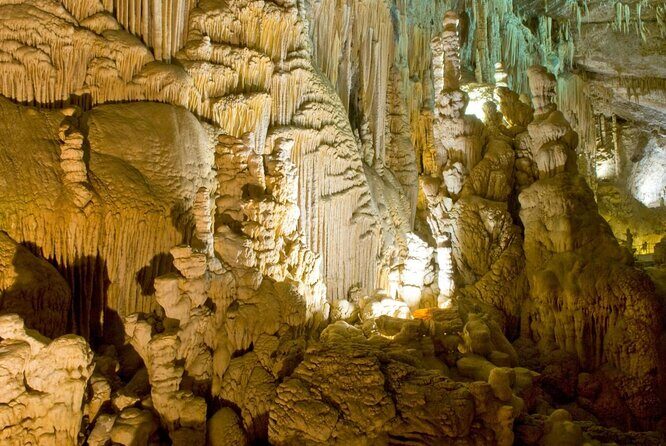
Jeita Grotto is the headline for a reason. The site is a geological wonder in the mountains of Kisrwan, made up of stalagmites and stalactites shaped by nature over hundreds of years. Even before you go in, the setting signals that this will be more than a quick tourist stop.
What you’ll do here splits into two experiences:
1) Upper grotto by cable car
You’ll ride up to the upper section and walk through the cave area designed for visitors. This is the part that’s built around that “arrive in the cave” feeling without dealing with rough terrain outside.
2) Lower grotto by small boat
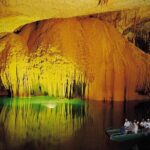
To access the lower grotto, you take a short boat trip inside the cave area. The route is about 400 m from the cave’s total length of roughly 7,800 m, so you’ll get a taste without it turning into a long ordeal.
Plan for the fact that Jeita Grotto admission tickets are not included. That’s normal for a big attraction, but it’s worth budgeting for so you don’t get surprised at the counter. If you care about getting the best use out of your time, you’ll appreciate having a guide handle the flow so you can focus on what you’re seeing.
A practical tip: wear comfortable shoes. You’ll be walking inside cave paths and also moving between vehicle, entrances, and viewpoints.
Harissa’s Our Lady of Lebanon Shrine and the Steps to Jounieh Bay
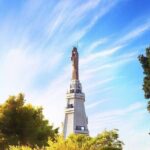
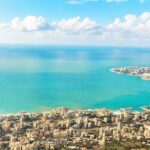
Next up is Harissa, perched above Jounieh Bay, and centered on one of Lebanon’s best-known pilgrimage landmarks: the Shrine of Our Lady of Lebanon.
Here’s what makes the stop feel distinct rather than routine:
- The shrine is a huge bronze-white statue of Virgin Mary, erected in 1908.
- Both Muslim and Christian visitors come here, so it’s not just a single-community site.
- To reach the shrine, you’ll use a spiral stair, and that climb is part of the experience because it leads you toward a panoramic outlook.
This is where the day adds a strong sense of place. The guide helps you connect the spiritual significance with the geography of the bay below—so you’re not just looking at a viewpoint, you’re understanding why people come.
You’ll also have a quick additional stop for the nearby Notre Dame du Liban church for those who want a short spiritual pause. Both the shrine and these religious stops are listed as admission ticket free, so you’re mostly paying for your time and transport, not entry.
Téléferique Harissa Cable Car: The Ride That Makes the Hill Go Smooth
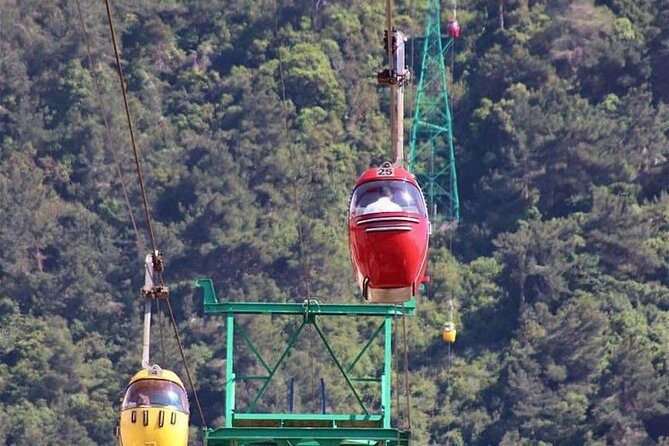
After the shrine area, you’ll reach the mountain by taking the Téléferique Harissa cable car. This is a short, efficient way to connect Harissa with the Jounieh side without turning your day into a long climb.
One note for your wallet: the cable car admission ticket here is not included. That’s easy to handle once you’re mentally prepared, but it’s still a cost to factor into the final total.
If your group likes scenery from transit (instead of only on foot), this ride gives you a change of pace. It also helps keep the day comfortable if anyone in your group doesn’t want extra steep walking.
You can also read our reviews of more private tours in Beirut


Byblos: Crusader Castle, Ottoman Mosque, Souks, and a Phoenician Port
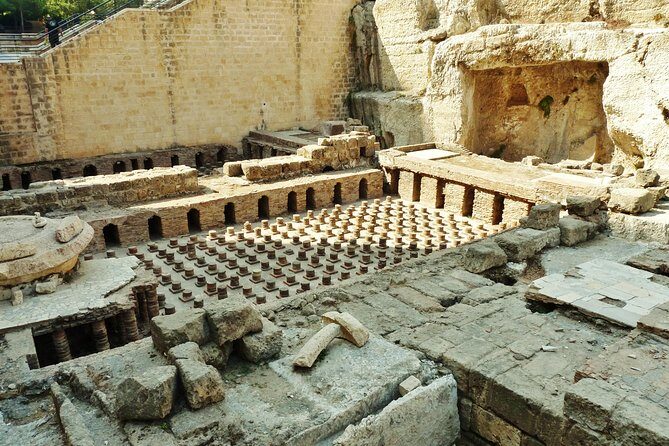
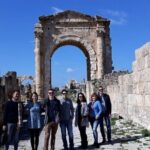
After Harissa, you shift into Byblos, and the focus changes from cave-and-view to layered history. Byblos is one of those towns where you can feel multiple centuries sitting next to each other.
Byblos Castle and its small museum
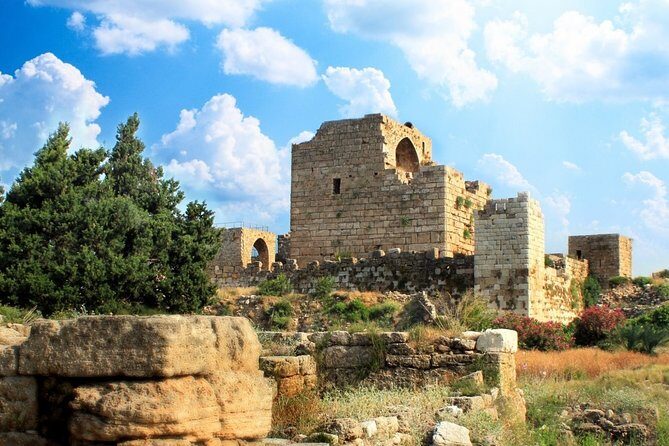
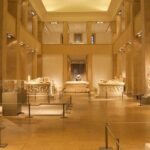
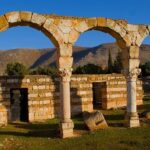
You’ll stop at Byblos Castle, dated to the 12th century and associated with Crusader-era presence. There’s also a small museum inside with a timeline that explains the civilizations Byblos passed through. Even in a short stop, that timeline can help you understand why the town matters.
Admission for the castle is not included, so again: treat it like an add-on expense you’ll want to pay once and then enjoy at your own pace.
Sultan Abdul Majid Mosque
Next is the Sultan Abdul Majid Mosque, named for the 19th-century Ottoman Sultan Abdel Majid. The key visual features you can expect are its large blue cupola and an octagonal minaret.
This stop is marked as admission ticket free, which makes it a good break in the itinerary. It’s also a reminder that Byblos isn’t only about ancient coastal trading stories; it also reflects later Ottoman-era architecture.
Old Souk: time to browse without pressure
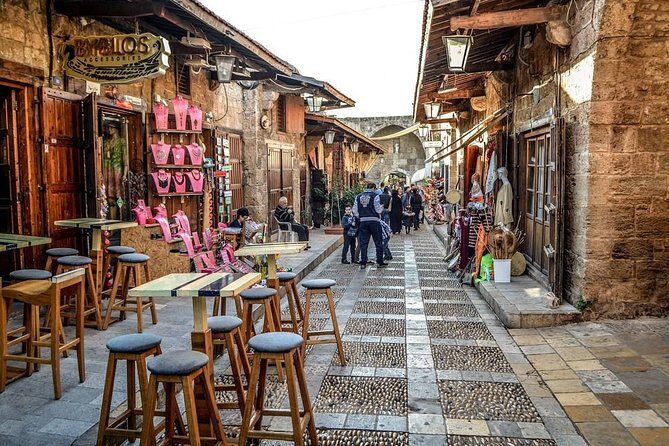
Then you get a block of free time in the traditional souks of Byblos. This is one of the best parts of any history day trip, because you can slow down and interact with the modern town economy.
You’ll find restaurants and shops, so you can pick up souvenirs and gifts if that’s part of your trip style. Since this is free time, you can decide how much you want to shop versus just enjoy the walk.
Saint John-Marc Cathedral and the outdoor baptism area
You’ll also visit Saint John-Marc Cathedral, including its outdoor baptism room in Lebanon and the church’s architecture. The time here is short, but it’s enough to appreciate the design focus without rushing through.
This entry is also listed as admission ticket free, which is helpful if you’re trying to control add-on costs.
Byblos Port: the Phoenician connection
Finally, you’ll head to Byblos Port, an ancient harbor that was used by the Phoenicians for cruising and trade. Even if you’re not a maritime-history specialist, the idea is easy to grasp: this town wasn’t built around a single era, and the port is a physical reminder of where movement and commerce shaped daily life.
This stop is also admission ticket free.
Tickets and Costs: What to Budget Beyond the $68.50
The listed price is $68.50 per person, and it’s a solid base for a full-day private route with a pro guide and pickup/drop-off. But like most great single-day tours, some of the biggest attractions are paid separately on the day.
Here’s what is explicitly not included:
- Jeita Grotto admission (Upper and Lower sections are tied to the site visit)
- Téléferique Harissa cable car ticket
- Byblos Castle admission ticket
And here’s what’s explicitly marked as free:
- Shrine of Our Lady of Lebanon
- Churches of Harissa (including Notre Dame du Liban)
- Sultan Abdul Majid Mosque
- Old Souk time
- Saint John-Marc Cathedral
- Byblos Port
So your spending can be concentrated into the main paid-ticket moments rather than every single stop.
Lunch is also not included. That doesn’t mean you’ll be stuck hungry, just that you should plan to pay for a meal yourself. If you want a simple strategy, set aside lunch money early and decide on the style you prefer: a quick bite during free time, or a sit-down meal with a view.
If you’re trying to judge value, I’d weigh this this way: you’re paying for comfort (air-conditioned transport), time (an organized route), and guidance (someone to explain what you’re seeing). The extra paid admissions are mainly the headline attractions that people come for in the first place.
The Guide Makes the Difference: Albert and Hassan on the Day
For tours like this, the guide is often the difference between seeing sights and actually understanding them. Two guide names tied to strong experiences are Albert and Hassan.
What stands out in the feedback is the human style. Guides were praised for being polite and warm, with a sense of humor, plus clear explanations that made the day feel meaningful. There’s also an emphasis on organization—accurate pickup, a clean van, and a pace that doesn’t feel like you’re being dragged.
You should look for that style when booking a private day: someone who can switch between the geology of Jeita Grotto, the spiritual and historical context of Harissa, and the multiple time periods you’ll see in Byblos.
When This Tour Fits Best
This trip is a strong match if you want:
- A full day north of Beirut without planning and navigating yourself
- A mix of nature + religion + history, all in one loop
- A private day where you can keep your group together
It’s also a good choice if you love the idea of seeing how Lebanon layers time—Phoenicians, Crusaders, Ottoman architecture, and modern pilgrimage—without having to pick just one theme.
If you’re traveling with kids, this type of structured day can work, especially because much of Jeita Grotto is a guided path experience and Harissa gives you a clear visual goal (the viewpoint). The exact comfort level depends on the child’s tolerance for stair climbing at Harissa and walking inside sites.
Should You Book This Private Jeita Grotto, Harissa, and Byblos Tour?
I’d book it if you want a single, well-paced day that hits three of Lebanon’s most talked-about categories: caves, coastal pilgrimage views, and historic Byblos. The hotel pickup and private transport alone usually makes a difference when you only have a short window in Beirut.
I would pause before booking if your group hates extra ticket add-ons, since Jeita Grotto, Harissa cable car, and Byblos Castle all require separate admission payments. Also, since lunch isn’t included, make sure you’re okay budgeting for a meal.
If you like days that feel planned but not rushed, this is the kind of route that keeps everyone seeing something different without losing the thread of why each place matters.
FAQ
What is the start time for the tour?
The tour starts at 9:00 am.
How long does the tour take?
The duration is listed as about 8 hours.
How much does the tour cost?
The price is $68.50 per person.
Is hotel pickup and drop-off included?
Yes. The tour includes hotel pickup and drop-off, plus private transportation.
Is this tour private or shared?
This is a private tour/activity, and only your group participates.
Is lunch included in the price?
No. Lunch is not included.
Is Jeita Grotto admission included?
No. Admission Ticket Not Included for Jeita Grotto.
Is the Harissa cable car included?
No. Admission Ticket Not Included for Téléferique Harissa.
Are there any stops with free admission?
Yes. The Shrine of Our Lady of Lebanon, Churches of Harissa, Sultan Abdul Majid Mosque, Old Souk time, Saint John-Marc Cathedral, and Byblos Port are listed as admission ticket free. Byblos Castle is not.
Can I cancel for a full refund?
Yes, free cancellation is available. You can cancel up to 24 hours in advance for a full refund.
Is this tour using mobile tickets?
Yes. A mobile ticket is included.