REVIEW · BEIRUT
Guided small group to Cedars Reserve & Beiteddine w/lunch+entries
Book on Viator →Operated by Private & group tours to Baalbeck temples & Chateau Ksara winery · Bookable on Viator
Lebanon’s mountain roads are not for amateurs. This small guided trip puts you in the Chouf hills with cedars and palace museums, plus a proper Lebanese brunch, without the stress of driving and parking. Two things I like a lot are that you get entrance fees handled up front and the guide brings the day to life with clear, simple explanations, like one standout guide named Ivette. One consideration: this route is weather-sensitive and involves steep, curvy roads, so you’ll want to be comfortable with that pace.
The Beiteddine stop is timed well, and it’s packed with different collections in one place, from decorative art to museum rooms you can take your time with. Then you switch gears in Deir el Qamar for an easygoing historical village walk and a homemade-style brunch, which feels like a real break rather than a rushed lunch stop. The only possible drawback is that the cedars reserve portion is about 3 hours, so comfortable walking shoes matter.
Overall, this is a solid value day if you want highlights of central Lebanon in one go. You’re not paying just for transport; you’re paying for a guided flow plus the entries that make the day feel complete.
In This Review
- Key highlights worth your attention
- Price and what you actually get for $120
- Beiteddine Palace: 19th-century power plus multiple museum worlds
- Deir el Qamar: a calm village break with brunch included
- Shouf Cedars Reserve: forests and mountain scenery without self-driving stress
- Getting around Beirut to the Chouf hills: transfers make a difference
- Who this tour is best for (and who should skip it)
- Small-group touring that feels human: guide quality matters
- Practical tips so your day goes smoothly
- FAQ
- What’s the start time of the tour?
- How long does the full experience take?
- Is hotel pickup and drop-off included?
- Are entrance fees included?
- Is lunch included, and what kind?
- How long do you spend at each main stop?
- Is Deir el Qamar admission included?
- What is Shouf Cedars Reserve known for?
- Is the tour private?
- What happens if weather is poor?
- Should you book this Cedars and Beiteddine day trip?
Key highlights worth your attention
- Hotel pickup and 2-way transfers so you don’t have to wrestle with Beirut logistics before the drive out
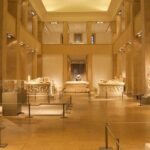
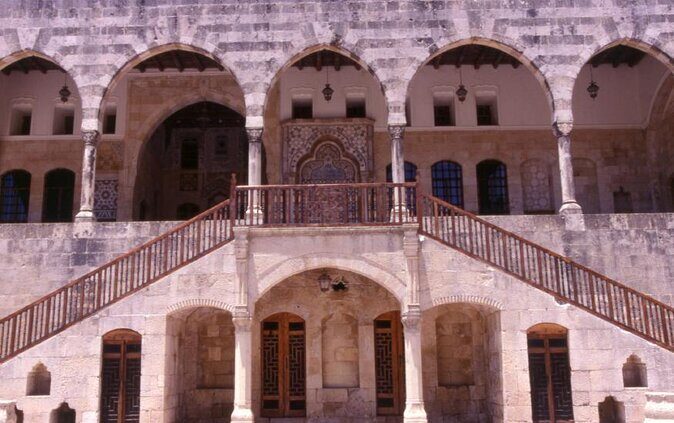
- Beiteddine Palace museum mix including feudal weapons, costumes and jewelry, plus archaeological and Byzantine mosaics exhibits
- Deir el Qamar brunch in town paired with a quick look at the area’s historic center, souk museum, mosque, and churches
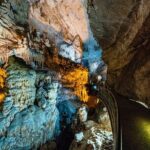
- Shouf Cedars Reserve access included with a guided exploration of cedar forests on the Barouk slopes
- A guide who explains clearly with Ivette specifically praised for making regional history easy to understand
- A real 8-hour rhythm that balances indoor museums and time outdoors
Price and what you actually get for $120
At $120 per person for an ~8-hour day, the main question is whether you’re only buying a ride—or whether the cost covers the important parts. Here, a lot of that price lands on the essentials: 2-way hotel transfers, entrance tickets, and a Lebanese brunch.
In practical terms, that means you can stop doing mental math in the middle of your trip. You’re not trying to estimate ticket prices on the fly, and you’re not hunting for lunch options after a long drive. You’re on a planned route with a guide, and that’s where the money tends to disappear when you travel independently.
Also, the tour uses a mobile ticket, which is small but helpful. When you’re dealing with mountain travel and multiple stops, fewer logistics steps make the day smoother.
Is $120 cheap? Not exactly. But for a day that includes palace admissions, reserve access, a guided pace, and hotel pickup, it’s in the fair range—especially if you’d otherwise end up paying for several separate entrances and a private driver.
You can also read our reviews of more guided tours in Beirut
Beiteddine Palace: 19th-century power plus multiple museum worlds
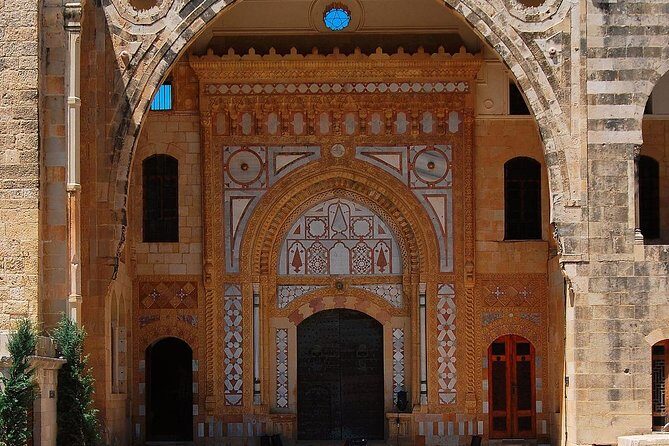
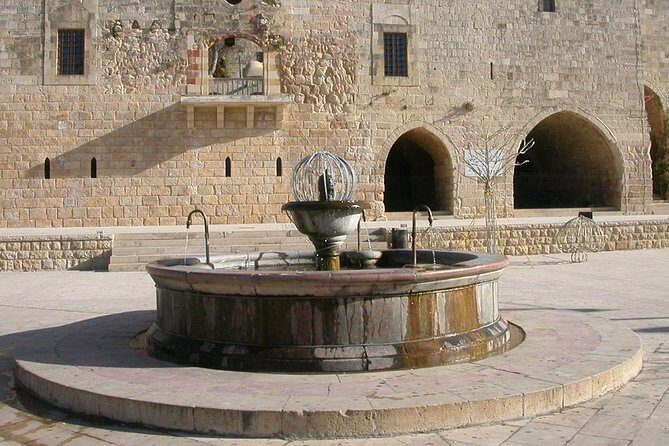
Beiteddine Palace is the anchor stop of the day, and it makes sense to start here. The palace was built at the beginning of the 19th century by Emir Bechir II, who ruled Lebanon for more than 50 years. From the start, you’re seeing why this site matters: the place is both a symbol of authority and a showcase of how art and architecture traveled across the region.
What I find especially valuable is that you don’t just get one room and done. You get a full hour inside a complex that covers several museum angles:
- A collection presented as a museum of feudal weapons
- Displays of costumes and jewelry
- An archaeological museum
- And a Byzantine mosaics museum
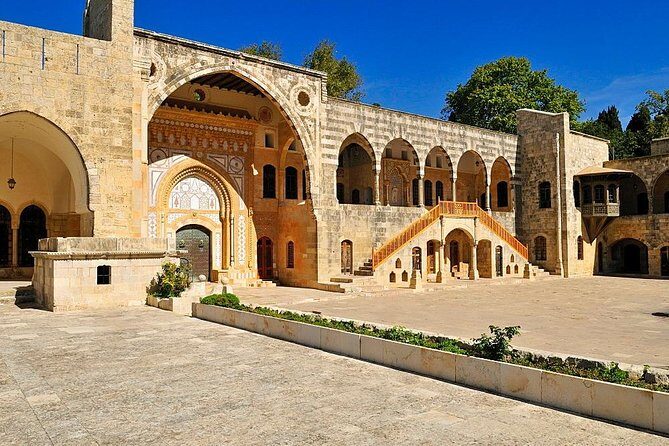
The palace design is also described as a model of eastern architecture, with arcades, galleries, and rooms decorated by artists from Lebanon, Damascus, and Italy. That mix is a big part of the visual interest: it helps you understand the palace not as one isolated style, but as a cultural meeting point.
A practical tip: in a place like this, it’s easy to rush. Don’t. If your group is moving fast, slow down during the museum rooms that interest you most. Weapons, costumes, and jewelry tend to be more visually immediate, while archaeological and mosaic exhibits reward a little patience.
Who will like this most? History lovers, architecture fans, and anyone who wants a structured, high-impact stop that doesn’t depend on weather.
Possible drawback: if you’re not into museums, you might find the museum variety a bit overwhelming. But even then, the palace setting is worth it for the architecture and atmosphere.
Deir el Qamar: a calm village break with brunch included
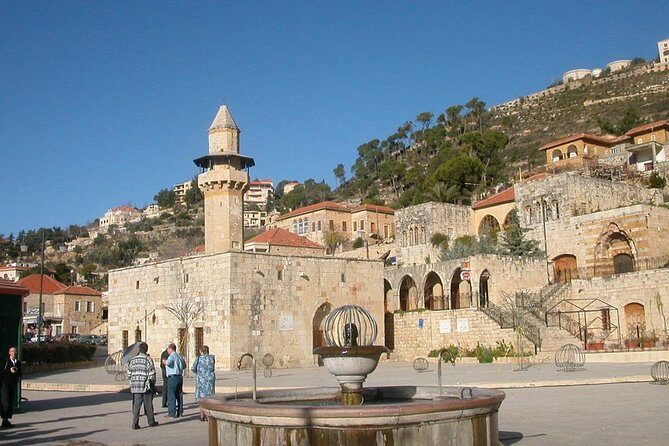
After the palace, the day softens in Deir el Qamar, one of those places where the “where am I?” feeling changes from grand site to lived-in village. It’s about 35 km from Beirut, and it was once the capital of Mount Lebanon. That historical weight matters, because it explains why the village center still feels intentional rather than random.
You’ll get about an hour here, and the focus is broad but doable:
- A look at the historic center
- The souq (market) museum
- A mosque and churches
Then comes the best kind of travel timing: you eat before you’re tired. The tour includes a homemade Lebanese brunch in town, which turns this stop from a quick photo break into a real pause in the schedule.
I also like that Deir el Qamar is described as a typical village, not a theme park. That’s exactly what makes it feel authentic: you’re looking at daily-life structures—religious buildings and market spaces—filtered through a historic setting.
A quick consideration: hour-long village walks aren’t long enough for deep wandering. If you love slow wandering, you might want to extend your time on your own after the tour ends. But as a midday reset, it hits the sweet spot.
Value check: admission here is free, and your meal is included. That’s a win when you’re trying to keep the day feeling affordable and complete.
Shouf Cedars Reserve: forests and mountain scenery without self-driving stress
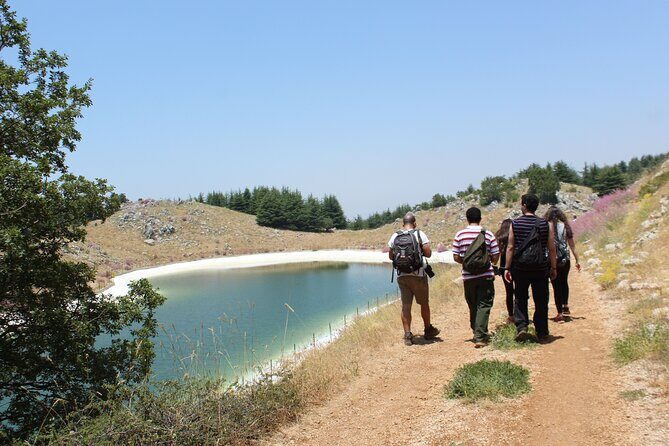
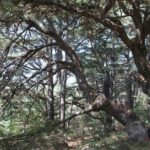
The Shouf Cedars Reserve is where the day becomes physical and scenic. This is in the Chouf District on the slopes of Barouk Mountain, and it’s big—about 550 km². The reserve is home to Lebanon cedar forests linked to areas such as Barouk Maaser el Chouf and Ain Zhalta.
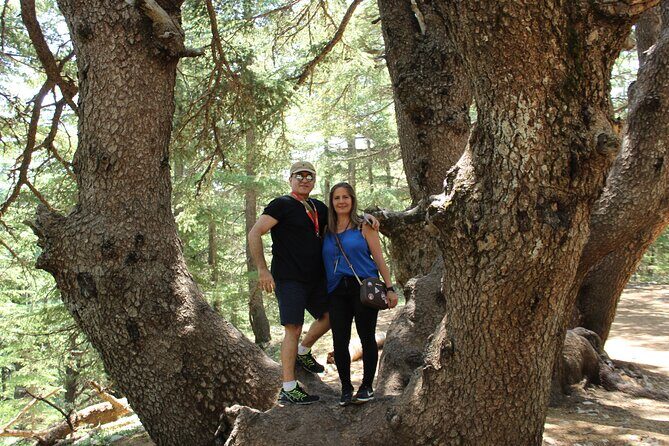
Because you’re on a guided route, you’re not left guessing what you’re looking at. Cedars can be impressive even if you don’t know the details, but the real payoff is hearing why these forests matter—how they fit into Lebanon’s landscape and what to notice while you walk.
This stop runs for about 3 hours, which is a solid chunk of time. Expect a mix of forest atmosphere and viewpoints along the way, with the mountain roads and terrain shaping how the day feels. This is also the part of the itinerary where your comfort matters the most, because being in a reserve usually means some uneven ground and time outdoors.
One more thing I like about doing the cedars as part of a whole-day tour: you’re already in the region, so the mountains don’t feel like a detour. The drive isn’t just transportation; it’s part of the experience.
Possible drawback: the tour requires good weather. If conditions are poor, your day may be adjusted or refunded. If you’re traveling during a season with frequent rain, keep that flexibility in mind.
Getting around Beirut to the Chouf hills: transfers make a difference
This tour isn’t just “visit places.” It’s built around one practical challenge: Beirut navigation and then the mountain drive. The hairpin bends and steep ascents are part of what makes central Lebanon beautiful—and also part of what makes self-driving tiring fast.
That’s why 2-way transfers from your Beirut hotel matter. You’re not spending energy on route planning, finding parking, or translating road chaos into a smooth schedule. You get picked up, you ride, and you focus on the stops.
Timing-wise, the day starts at 9:00 am and runs about 8 hours. That’s enough time to do palace + village + cedars without turning any stop into a rushed blur. It’s also long enough that you’ll want to come prepared for a full day outside your usual Beirut routine.
Another helpful detail: the tour is described as private for your group, meaning you won’t be forced into a big crowd experience. With a smaller group, it’s easier to ask questions and keep the pace aligned with what you want to see.
A few more Beirut tours and experiences worth a look
Who this tour is best for (and who should skip it)
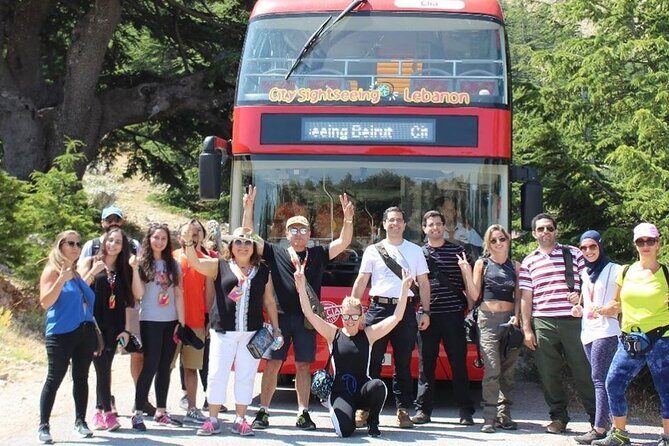
This experience is a strong fit if you want:
- A guided day with main highlights in central Lebanon
- Convenient hotel pickup and transfers
- Museum time at Beiteddine plus outdoor time at the cedars reserve
- A real included meal rather than a generic stop
It’s especially good for first-time visitors who want the easiest route to get out of the city and into the Chouf region. If you’re not eager to plan a route across steep mountain roads, this solves that problem for you.
It’s also a smart choice if you like history but don’t want history-only. You get museum interiors and then fresh air.
You might choose something else if:
- You prefer fully independent travel with your own pacing for villages and reserves
- You dislike long outdoor stretches or uneven walking
- You’re traveling at a time when weather is often unreliable (since the experience needs good conditions)
Small-group touring that feels human: guide quality matters
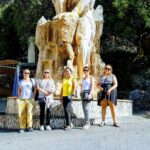
One of the biggest differences between a normal day trip and a great one is how the guide explains the places you’re seeing. In this case, Ivette stands out from the comments as someone who delivers regional history in a simple, approachable way. That matters because Lebanon history can feel layered, and you’re moving between different sites with different themes.
A clear guide also helps you connect what you see:
- Beiteddine Palace gives context for power, art, and cultural connections
- Deir el Qamar adds a village-scale view of that same region’s story
- Shouf Cedars Reserve brings you back to the land itself, where the landscape is part of the identity
So if you care about understanding more than just collecting photos, the guide-led format is a real advantage here.
Practical tips so your day goes smoothly
A few things will make a noticeable difference on a mountain day like this:
- Wear comfortable shoes for the cedars reserve portion, even if the walking feels moderate.
- Bring a light layer. Mountain weather can shift.
- Plan to hydrate. Even on cooler days, a full 8-hour itinerary adds up.
- If you’re sensitive to crowds or want quiet moments, give yourself permission to slow down during the palace rooms and the village center.
Also, follow the hygiene guidance provided for the experience. The tour notes that masks are mandatory, with hand sanitizing and physical distancing measures.
FAQ
What’s the start time of the tour?
The tour starts at 9:00 am.
How long does the full experience take?
It lasts about 8 hours.
Is hotel pickup and drop-off included?
Yes. 2-way transfers are included from your Beirut hotel.
Are entrance fees included?
Yes. Admission tickets are included for Beiteddine Palace and Shouf Cedars Reserve.
Is lunch included, and what kind?
You get a homemade Lebanese brunch in Deir el Qamar.
How long do you spend at each main stop?
Beiteddine Palace is about 1 hour, Deir el Qamar about 1 hour, and Shouf Cedars Reserve about 3 hours.
Is Deir el Qamar admission included?
Admission for Deir el Qamar is listed as free.
What is Shouf Cedars Reserve known for?
It’s a nature reserve in the Chouf District on the slopes of Barouk Mountain, known for Lebanon cedar forests in areas such as Barouk Maaser el Chouf and Ain Zhalta.
Is the tour private?
Yes. It’s described as a private tour/activity, so only your group participates.
What happens if weather is poor?
The experience requires good weather. If it’s canceled due to poor weather, you’ll be offered a different date or a full refund.
Should you book this Cedars and Beiteddine day trip?
If you want a guided, high-value day that combines palace museums, a historic village, and Lebanon’s cedar forests—all with hotel pickup—this is a smart booking. The included brunch and the entrance tickets make the price feel practical, not just “paying for a car ride.”
Book it if you’re traveling in a group size that values a clear guide, like Ivette-style explanations, and you don’t want the headache of navigating Beirut plus steep mountain roads yourself. Consider another option only if you’re highly weather-dependent or you’re not up for a full day that mixes indoor museums with a 3-hour outdoor reserve visit.