REVIEW · BEIRUT
Lebanon Tour Jeita-Harissa & Byblos w/pickup,lunch,entries +guide
Book on Viator →Operated by Private & group tours to Baalbeck temples & Chateau Ksara winery · Bookable on Viator
One day like this makes Lebanon feel real fast. You’ll see Jeita Grotto up close, then ride the cable car at Harissa, and end in ancient Byblos. Two things I really like are the hotel pickup/drop-off and the fact that key admissions are handled for you. The only real catch: Jeita is sometimes strict about photos and the day can run hot if the sun’s out.
This is a well-paced, “big sights” day trip (about 7 hours) that’s built for visitors who want more than Beirut’s city streets. I also like that you’re not just dropped off. You get a guide to connect the dots—from Nahr El-Khab valley on the way to the Crusader-era stories at Byblos Castle.
If you’re the type who enjoys devotional stops, caves, and old market lanes in one go, this tour fits nicely. If you hate packed schedules or you want lots of free time to wander solo, you’ll want to manage expectations.
In This Review
- Key things to know before you go
- Jeita Grotto: Boat Ride Through the Limestone Cathedral
- Harissa and the Our Lady of Lebanon Cable Car Views
- Byblos Castle, Souks, and Crusader-Era Walks
- Transportation, Timing, and the Reality of a Packed 7 Hours
- Lunch and Value: Why $95 Feels Like More Than a Sight Ticket
- Should You Book This Jeita-Harissa-Byblos Tour?
- FAQ
- What time does the tour start?
- How long is the experience?
- Is hotel pickup and drop-off included?
- Are the tickets and entrances included?
- What’s included for the day besides sightseeing?
- Is this tour private?
- Are there any rules about photos in Jeita Grotto?
- FAQ
- What should I bring for the day?
- Are masks mandatory?
- Can I travel with a service animal?
- Is the tour suitable for most people?
- Is there a mobile ticket?
- Is there free cancellation?
Key things to know before you go
- Jeita Grotto includes a boat ride in the lower cavern, plus time to walk through the caves
- Harissa’s Our Lady of Lebanon stop blends cable car views with a calm, hilltop atmosphere
- Byblos Castle comes with souk + medieval church time so it’s more than just a fortress photo stop
- Your lunch is included and the day is built around not rushing your meals
- You might meet guides like Carla or Jean—both are described as patient, enthusiastic, and full of detail
- Jeita photography rules can be strict, so plan to enjoy with your eyes first
Jeita Grotto: Boat Ride Through the Limestone Cathedral
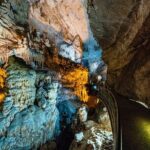
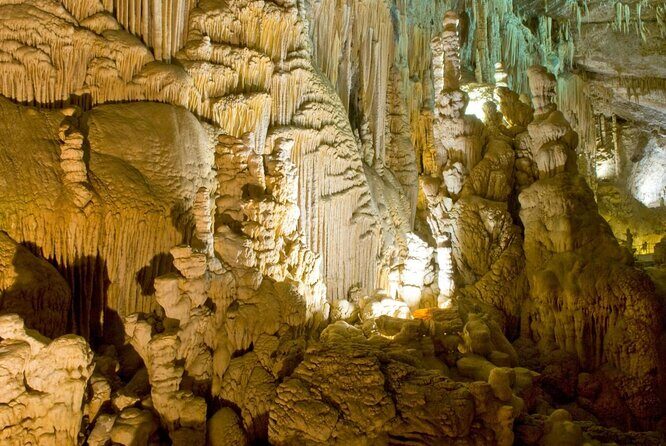
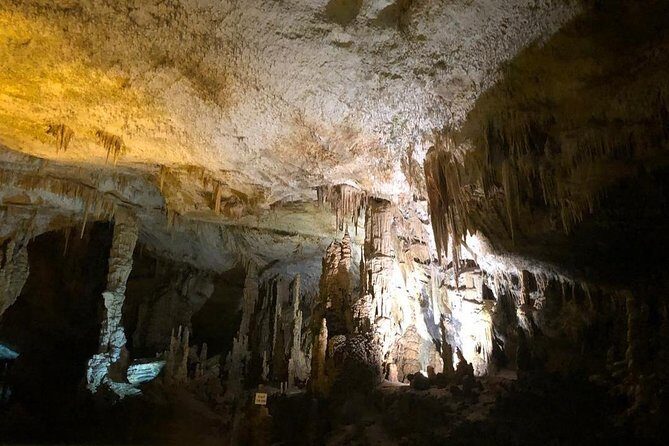
Jeita Grotto is the kind of place that makes you look up even when you think you won’t. This cave system sits in limestone rock in the Mount Lebanon range, and it’s split into two huge caverns—so you’re not just walking a single tunnel and calling it a day. The result feels like two different worlds stitched together in one visit.
The highlight is the boat trip through the lower cave, where you glide across a lake that covers the floor. It’s a small ride, but it changes the vibe completely: you go from standing and staring at formations to actually moving through them. You’ll see thousands of stalactites and stalagmites, the slow work of water and time made visible.
Even if you’ve done other caves before, Jeita has a “wow” factor because the scale is big and the formations are dense. And yes, the setting matters—this is all about the cave’s natural geometry and light, not museum-style exhibits.
A practical heads-up: Jeita can have rules about photography. Some visitors say you’re not allowed to take pictures inside, so don’t base your memories on your camera roll. If photos are your main goal, I’d treat this more like a live experience than a content shoot.
You can also read our reviews of more guided tours in Beirut


Harissa and the Our Lady of Lebanon Cable Car Views

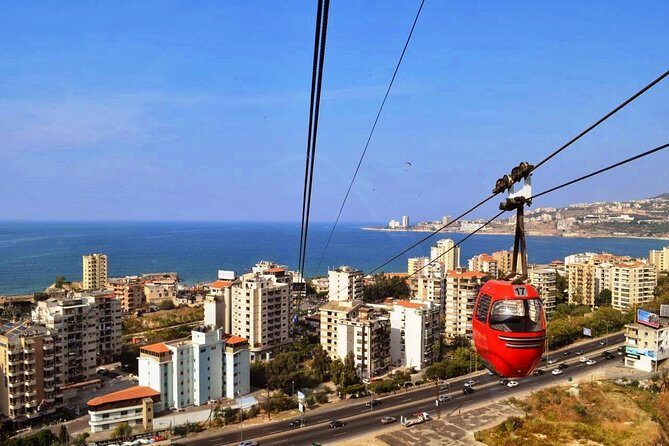
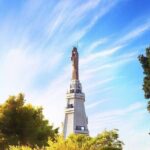
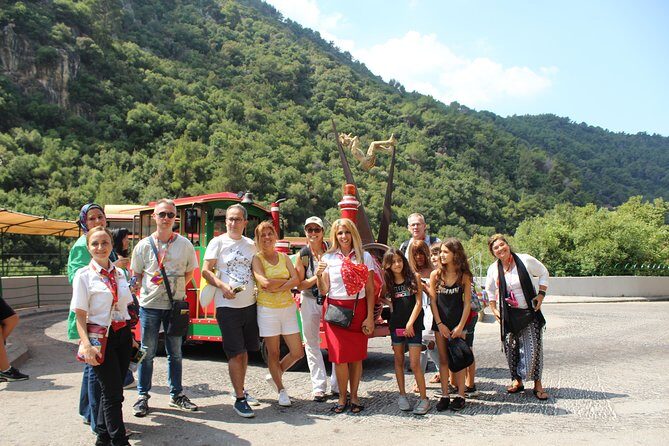
After the cave coolness, Harissa brings you right back into Lebanon’s open-air drama. The stop is built around the Shrine of Our Lady of Lebanon, one of the most recognizable devotional spots near Beirut. You can take the cable car up to the statue, then continue on to the base area for the sweeping views.
One of the best parts here is the perspective shift. From the hilltop, you’re looking over the coast and the sea, including Jounieh bay. It’s the kind of view that helps you understand how Beirut’s urban energy connects to the water and the hills.
This is also a stop with a gentler pace than the caves. You’re not moving constantly; you’re pausing. The climb to the statue’s base gives your legs something to do, but it’s not an all-day hike. If you’re traveling with a mix of walkers and slower movers, this stop is often a good compromise: scenic without being exhausting.
On the drive to Harissa, the day’s guide context helps too. You’ll pass through points like Nahr El-Khab valley and hear about the nearby Christ the King hilltop statue. That kind of “on the way” narration matters, because it turns highway scenery into geography you can actually place later.
The main consideration is weather. One visitor noted it was too hot at times. If you’re going in summer or during a strong sun stretch, pack sunscreen, water, and something light for the afternoon.
Byblos Castle, Souks, and Crusader-Era Walks
Byblos (Jbeil) is a name you’ve likely seen in guidebooks, but the best version of it is lived-in: stone layers, old lanes, and places that still feel used. The city is described as dating back at least seven thousand years, and this stop focuses on one of the most visitor-friendly anchors—Byblos Castle.
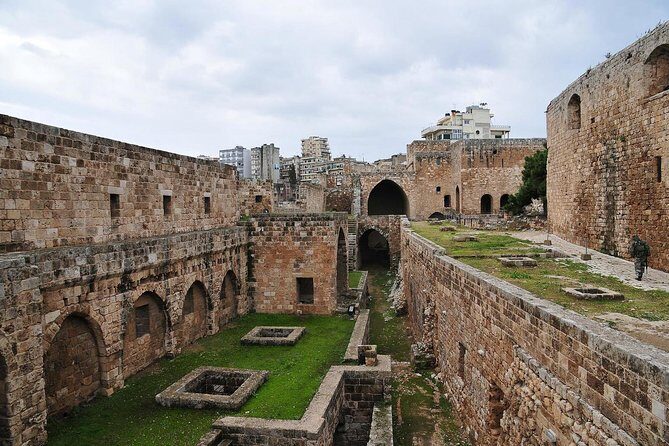
You’ll visit the 12th-century Crusader castle, with strong links to the era when the fortress was captured by Saladin. It’s not just a quick glance from outside, either. You get time to explore the castle itself and then shift into the surrounding old-city atmosphere.
The tour includes time for the old souk and medieval churches built by the Crusaders. That mix is valuable because it keeps Byblos from feeling like a single building with a ticket. Instead, you can combine fortress viewpoints with the texture of an ancient market zone—quiet streets where you can spot history without needing a guide to point at every stone.
Two hours is a real amount of time here. It’s enough to walk the main areas, take in the views, and still have a chance to buy small things or pick up a snack without feeling rushed.
If you want to maximize your time, go in thinking about contrasts:
- Crusader-era architecture in the castle
- Older street rhythm in the souk
- Devotional architecture in the churches
That contrast is where Byblos feels most “alive.”
Transportation, Timing, and the Reality of a Packed 7 Hours

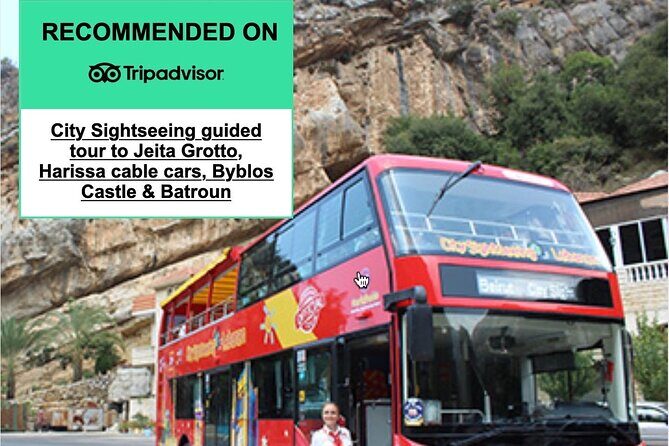
This tour starts at 9:30 am and runs about 7 hours. The structure is simple: move efficiently between three major stops, keep you fed, and include admissions so you’re not hunting tickets in a foreign language.
The big logistics win is hotel pickup and drop-off. That sounds basic, but in Beirut it’s often the difference between a relaxing day and a day spent figuring out routes, taxis, and timing. You also get luxury transportation, which tends to make the long day feel manageable—especially on heat-heavy days.
It’s also built as a private tour/activity, meaning only your group participates. At the same time, there are notes about group discounts, so it’s worth checking what size your group ends up being. Either way, private-only tends to work better for families and couples who want less crowd friction.
One more thing: the tour information includes health and safety measures such as mandatory masks, frequent sanitizing, and physical distancing. Even if you’ve traveled in places with different norms, plan to follow what’s required for this experience.
Pacing-wise, remember you’re doing three anchors:
1) caves (cool, slippery-feeling stone),
2) hilltop shrine views,
3) old-city castle + lanes.
That’s why I’d only recommend it to people who can handle a “see a lot” day. If you want deep unstructured wandering, you’ll probably want separate time blocks in Byblos.
Lunch and Value: Why $95 Feels Like More Than a Sight Ticket
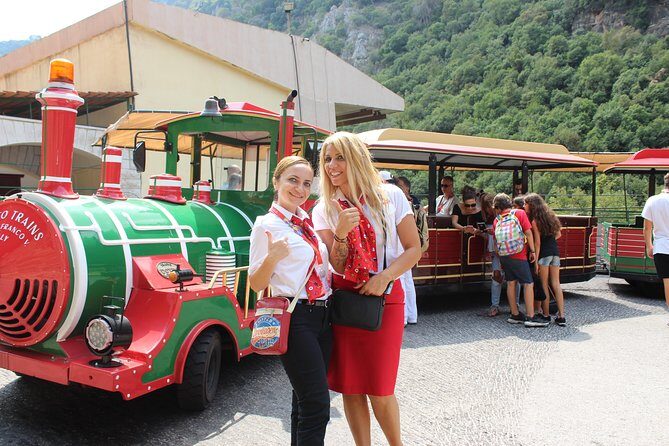
At $95 per person, the real question is what you’re getting besides entrances and photos. This tour bundles:
- Hotel pickup and drop-off
- Guide
- Luxury transportation
- Jeita admission
- Cable car access
- Byblos admission
- A Lebanese lunch (included)
That’s a meaningful set of inclusions for one day. Caves and historic sites often add up fast once you count admissions, local transport, and guide fees. Here, the structure is designed so you can budget once and stop thinking about small-ticket surprises.
The lunch is also part of the value. A lot of tours treat food like a bonus; this one treats it like a built-in stop. That matters because it prevents the late-afternoon “we’re hungry and grumpy” spiral that ruins the last site on your list.
One practical touch: the team emphasizes safety and well-being. That shows up in the way the experience is described as well organized, with an attentive team and care for the group.
You may also benefit from guide-style differences. Some guide names that show up with strong praise include Carla (described as passionate and enthusiastic) and Jean (described as super nice and patient). Even if you don’t get those exact guides, it’s a sign that the operator is putting energy into the storytelling and the day flow—not just moving you between sites.
If you’re deciding between a self-guided day and a packaged one, I’d lean toward this style when your time is short. When you’re tired from travel and you want maximum payoff per hour, a bundled day wins.
A few more Beirut tours and experiences worth a look



Should You Book This Jeita-Harissa-Byblos Tour?
Book it if you want a Lebanon highlight day that’s built for visitors who like seeing more than one side of the country in a single stretch. It’s especially a good fit if you value convenience, included admissions, and a guide that turns three stops into a connected story.
Skip or rethink it if:
- you’re very sensitive to heat and don’t handle long outdoor intervals well,
- you strongly prefer unguided time and wandering at your own speed,
- you need lots of photo opportunities at Jeita (rules can be strict).
My decision rule is simple: if you’re trying to plan a first trip to Lebanon and you want the “wow factor” of caves plus the “how it all connects” feeling of Harissa and Byblos, this tour is a smart use of limited time.
FAQ
What time does the tour start?
The tour starts at 9:30 am.
How long is the experience?
It runs about 7 hours.
Is hotel pickup and drop-off included?
Yes. Hotel pickup and drop-off are included.
Are the tickets and entrances included?
Yes. Admission tickets for Jeita, the cable car, and Byblos are included.
What’s included for the day besides sightseeing?
You get luxury transportation, a guide, and a Lebanese lunch.
Is this tour private?
It’s a private tour/activity, meaning only your group participates. Group discounts are mentioned as well.
Are there any rules about photos in Jeita Grotto?
Jeita Grotto has rules that can restrict photography, so expect that you may not be allowed to take pictures inside.
FAQ
What should I bring for the day?
Wear a mask as required and plan for warm weather if it’s sunny. You’ll also do walking at the sites, so comfortable shoes help.
Are masks mandatory?
Yes. Masks are listed as mandatory, with frequent sanitizing and physical distancing.
Can I travel with a service animal?
Service animals are allowed.
Is the tour suitable for most people?
The information says most travelers can participate.
Is there a mobile ticket?
Yes. A mobile ticket is included.
Is there free cancellation?
Free cancellation is available up to 24 hours before the start time.